


We’ve been talking about the future of classic cars in a greener future for quite some time now. Whatever solution ultimately comes from everything happening, the outcome we all want is that classic cars stay on the road now and in the future.
This is why we are very pleased that “Leno’s Law” has started lots of conversations globally.
What Is Leno’s Law?
In simple terms, Leno’s Law is a proposed change to California’s vehicle emissions regulations, backed by comedian and car collector Jay Leno, that would exempt certain older collector vehicles from mandatory smog testing. California has some of the strictest emissions rules anywhere in the world, and while many states across America allow older vehicles to become emissions exempt once they reach a certain age, California has remained much tougher on classic and collector vehicles.
The original idea behind Leno’s Law was to exempt vehicles over 35 years old from the mandatory testing, as long as they are insured and registered as collector cars rather than daily drivers. Later revisions refined the proposal further, focusing on enthusiast-owned vehicles that are driven rarely, i.e. for shows, events, maintenance runs, and preservation purposes.
The reasoning behind the proposed Leno’s Law is fairly straightforward. Classic cars make up a very small percentage of vehicles on the road and, generally speaking, they cover very low annual mileage compared to modern vehicles. Supporters argue that their environmental impact is tiny when viewed against the automotive industry as a whole.
For enthusiasts and owners, this is about more than emissions testing, and is more about preserving automotive history and ensuring future generations can still experience classic vehicles.
Why Jay Leno Became Involved
Outside of his career in television, Leno is one of the world’s most recognisable automotive enthusiasts and collectors. His collection ranges from steam-powered cars and pre-war vehicles through to supercars, race cars, and random engineering creations.
Unlike a lot of collectors who keep their cars hidden away, Leno has spent years championing automotive culture through shows, interviews, and educational content. His argument has always been that classic cars are mechanical history in motion and, from his point of view, overregulation risks pushing historically important vehicles off the road completely.
The Bigger Debate Around Classic Cars
What makes Leno’s Law so interesting to us, though, is that it represents a lot more than a local Californian issue. We think it actually forms part of an ever-growing global debate about how classic cars fit into a more sustainable future.
For some people, the answer is exemptions and legislative protection. The argument here is that heritage vehicles should be treated differently because they are historical artefacts rather than mainstream transport. Others believe electrification is the answer, converting classics to EV powertrains in order to keep them on the road.
Then there is also the potential of sustainable fuels. This is the way that we are exploring and putting into practice on a daily basis.
The Synthetic Fuel Conversation
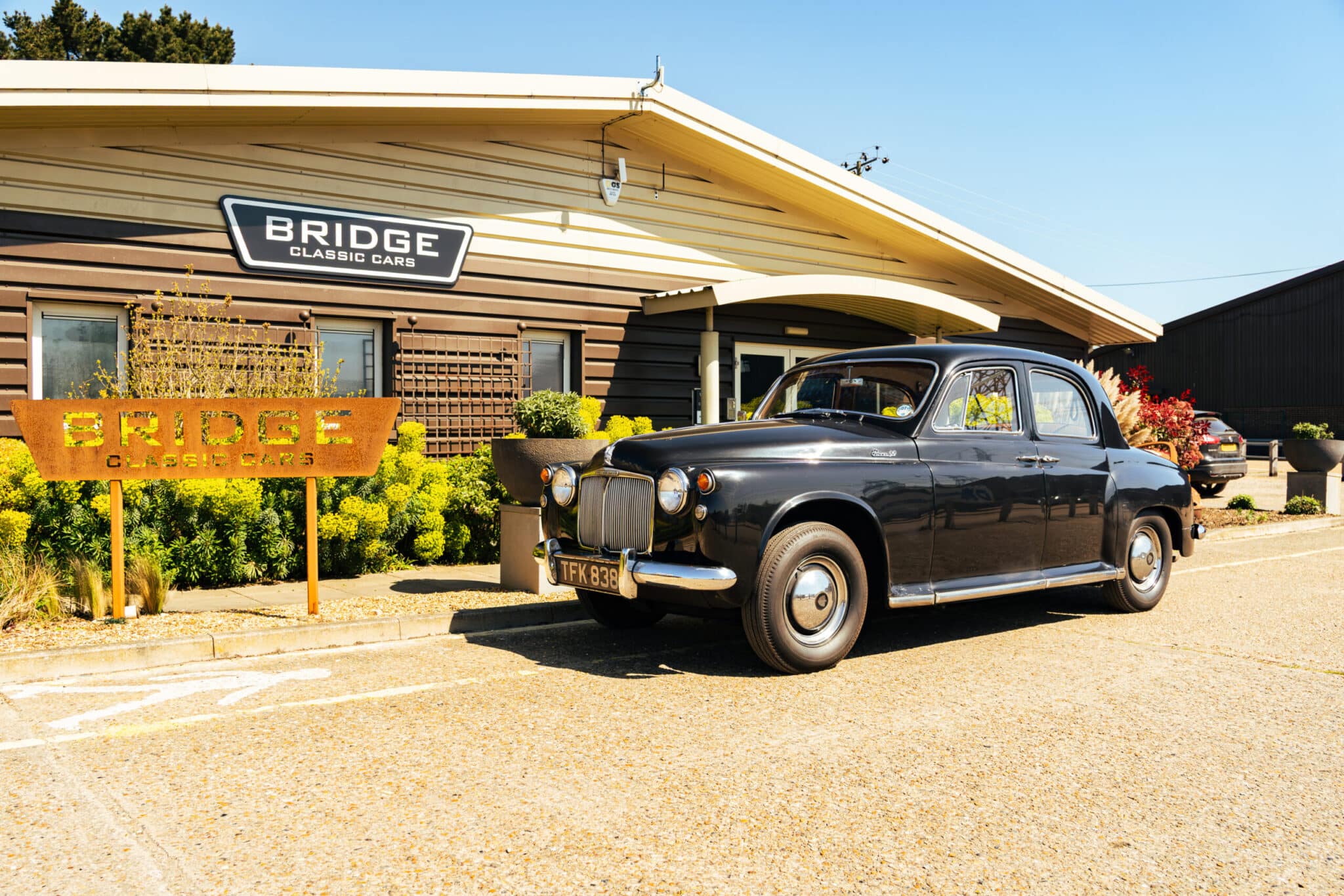
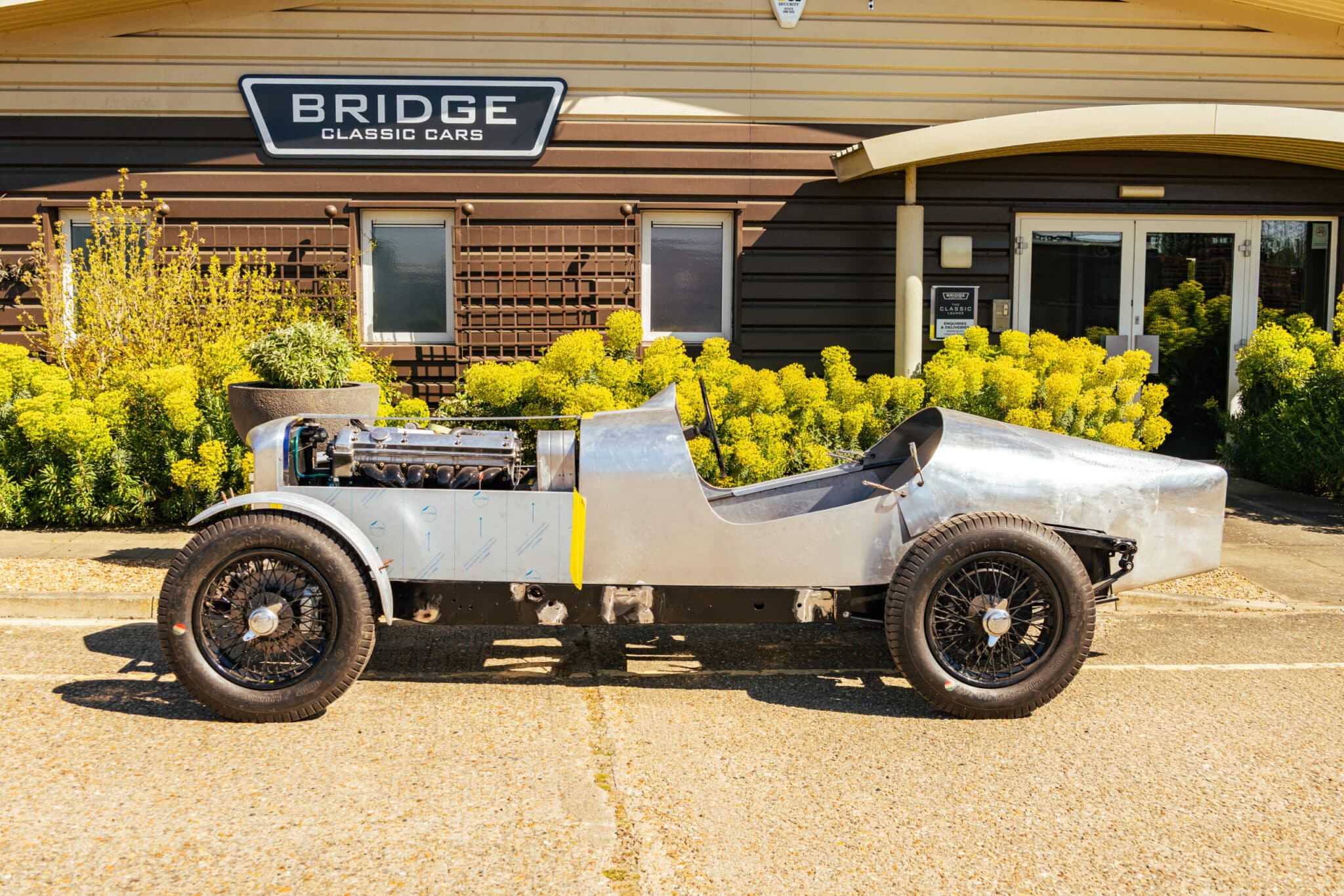
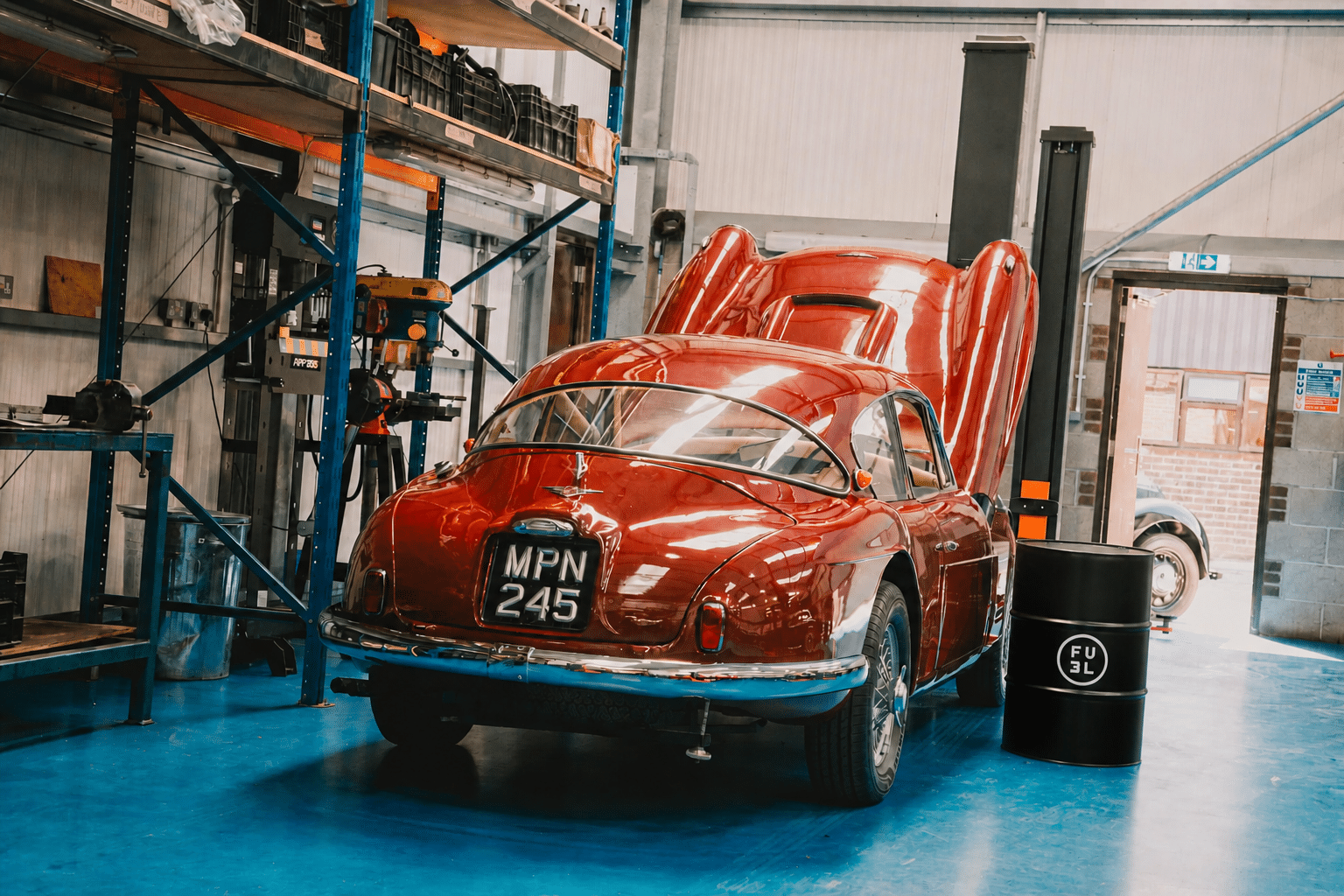
Just in case you didn’t know, here at Bridge Classic Cars, we have been running all of our competition cars on sustainable fuel from FU3L for the last 18 months.
For us, the conversation has never been about replacing classic cars or removing combustion engines from the automotive world. It has been about finding ways to preserve them responsibly and sustainably. That is why the debate around Leno’s Law feels particularly relevant to us.
Legislative exemptions may help protect classics in the short term, but sustainable fuel arguably offers a genuine long-term pathway for internal combustion engines to continue existing in a decarbonising world.
Synthetic fuels and advanced biofuels aim to dramatically reduce lifecycle emissions while remaining compatible with existing engines and infrastructure. In our case, they can be used in classic cars with absolutely no modifications needed to the car.
We haven’t been shy in saying that we believe EV conversions absolutely have a place within the industry. However, a lot of classic car owners want to preserve their cars as closely as possible to how they left the factory. Sustainable fuel offers an opportunity to do exactly that while still reducing environmental impact fairly substantially.
A Global Issue
Even though Leno’s Law is an American proposal, enthusiasts around the world are watching closely because it could influence broader attitudes toward heritage vehicles.
In the UK, we already have historic vehicle tax exemptions and MOT exemptions for qualifying vehicles over 40 years old, although owners are still responsible for ensuring their cars remain roadworthy. However, emissions legislation is evolving rapidly across Europe and beyond. Low Emission Zones, Ultra Low Emission Zones, and wider environmental policies mean the future of older vehicles is a topic that is only going to get more and more important.
For owners, the fear is not necessarily an outright ban on classic cars, but rather a gradual reduction in their usability through taxation, restrictions, or regulation. That is exactly why conversations like Leno’s Law matter so much, as they force policymakers, manufacturers, restorers, and enthusiasts to start thinking seriously about how automotive heritage can coexist alongside sustainability goals.
What Happens Next?
At the time of writing, Leno’s Law continues to move through various legislative stages in California. Whether it eventually becomes law or not, it has already achieved something significant in that it has encouraged a lot more people to think about and talk about the future of classic cars.
Obviously, the classic car industry cannot just ignore environmental concerns and hope everything stays the same forever. Equally, there needs to be recognition that classic and historic vehicles are fundamentally different from mass-market daily transport. The challenge now is finding the right balance that works for both sides.
Here at Bridge Classic Cars, we are continuing to explore ways to preserve automotive history while accepting technologies and fuels that help reduce environmental impact, because ultimately, the goal should not be to hide classic cars away. It should be to help future generations get the chance to experience them properly in the way they were designed to be enjoyed.
Every classic car comes with a story that involves people from various places, backgrounds, and times. It’s not very often that you get to experience things like that first-hand, so keeping these cars running and usable is extremely important.
Read more automotive industry news
Leave a Reply
You must be logged in to post a comment.