


18 months ago, we made a decision here at Bridge Classic Cars that wasn’t just about us and our short-term goals; it was a decision that could quite literally change the future of classic cars as a whole.
We made the decision to start running our cars on synthetic fuel.
Why We Made the Change To Synthetic Fuel
We’ve always believed that classic cars are meant to be driven. It was what they were designed and built for, and it is always great to see a classic being used and driven on the road.
That being said, we also appreciate that things are changing at a very quick pace surrounding the environment and sustainability. Obviously, classic cars aren’t seen as particularly sustainable, and there was (and maybe still is) a very real chance that many classics will be lost along the way as the world moves toward a greener future.
However, synthetic fuel offers a solution to this issue as no modifications to the car are required to run on the fuel, it can be mixed with the fossil fuel already in the car, and the infrastructure is already in place with our current fuelling stations. Synthetic fuel is a drop-in solution that instantly makes any classic car more sustainable.
What’s Happened in 18 Months?
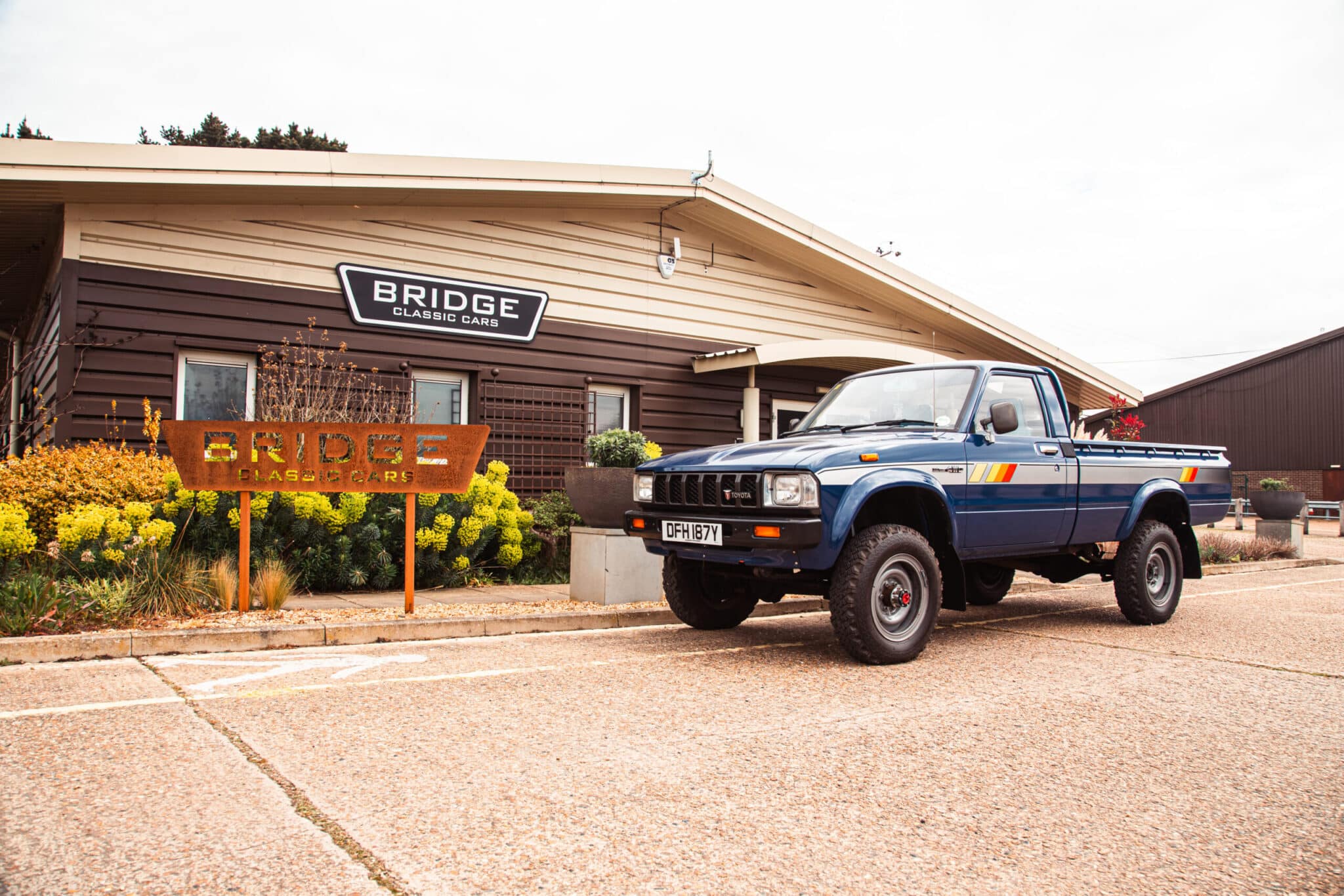
Since introducing synthetic fuel into our workshop and competitions, it’s become part of our day-to-day operation. We’ve moved away from this being a one-off experiment, and it is now a main feature in how the business is run.
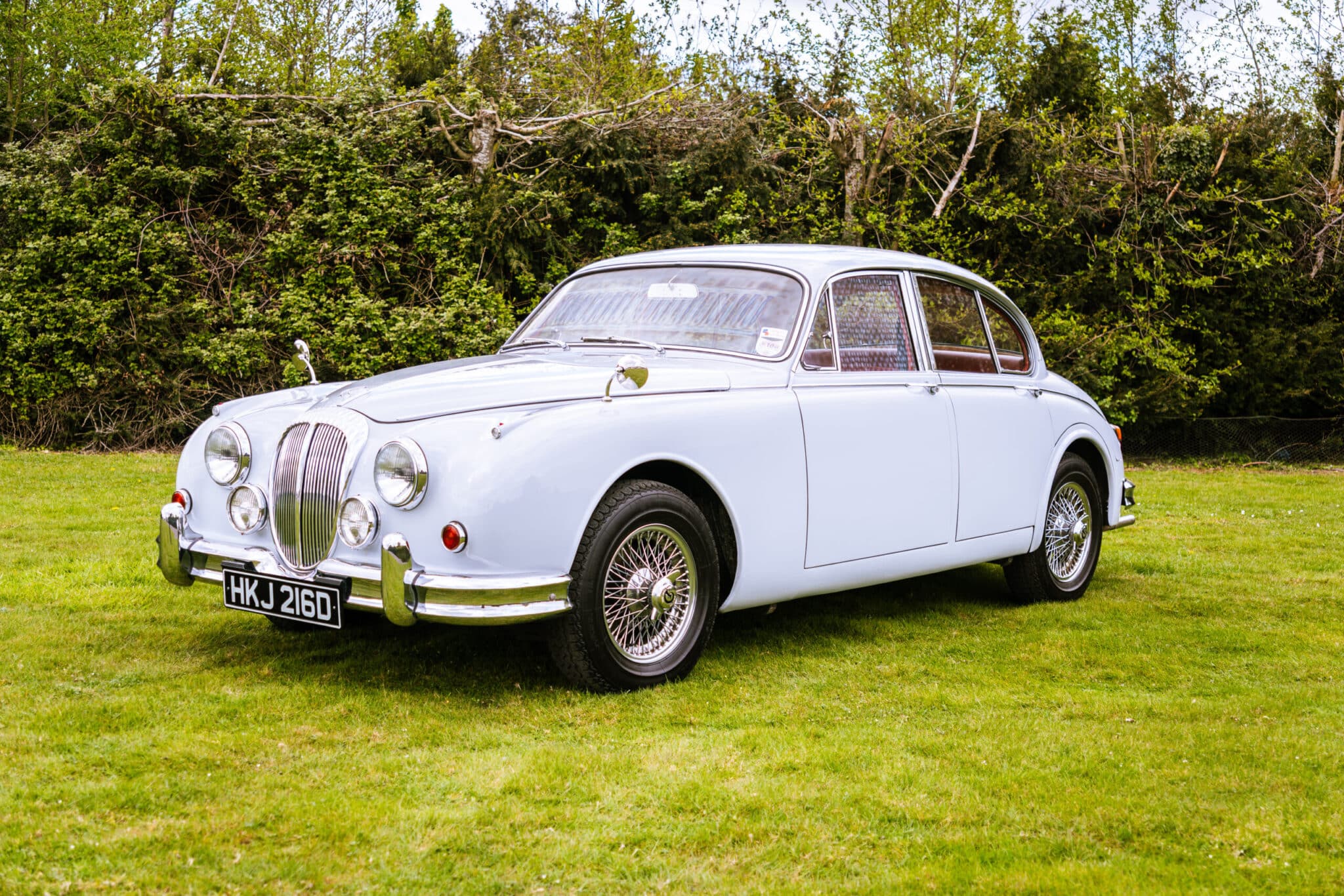
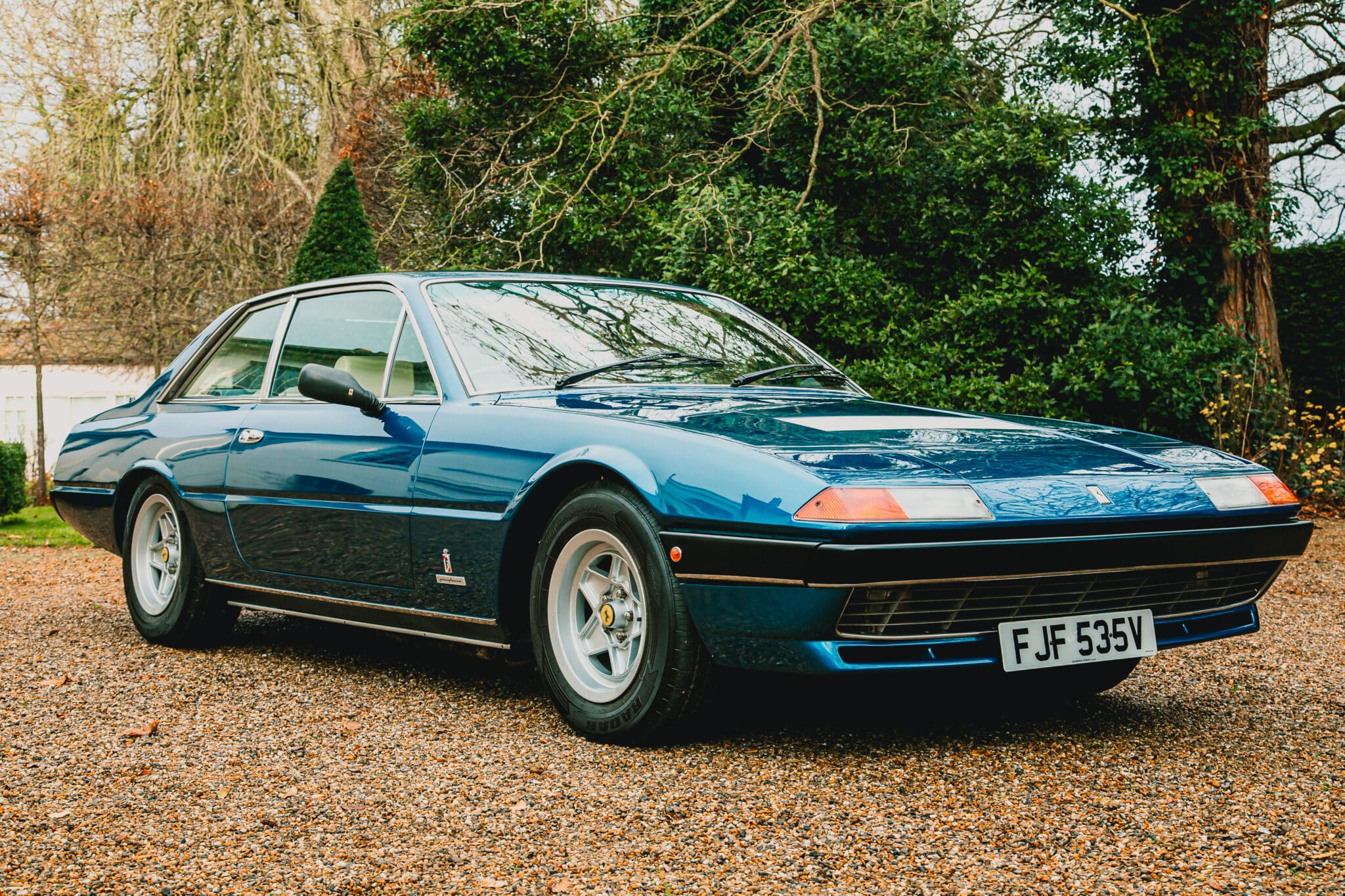
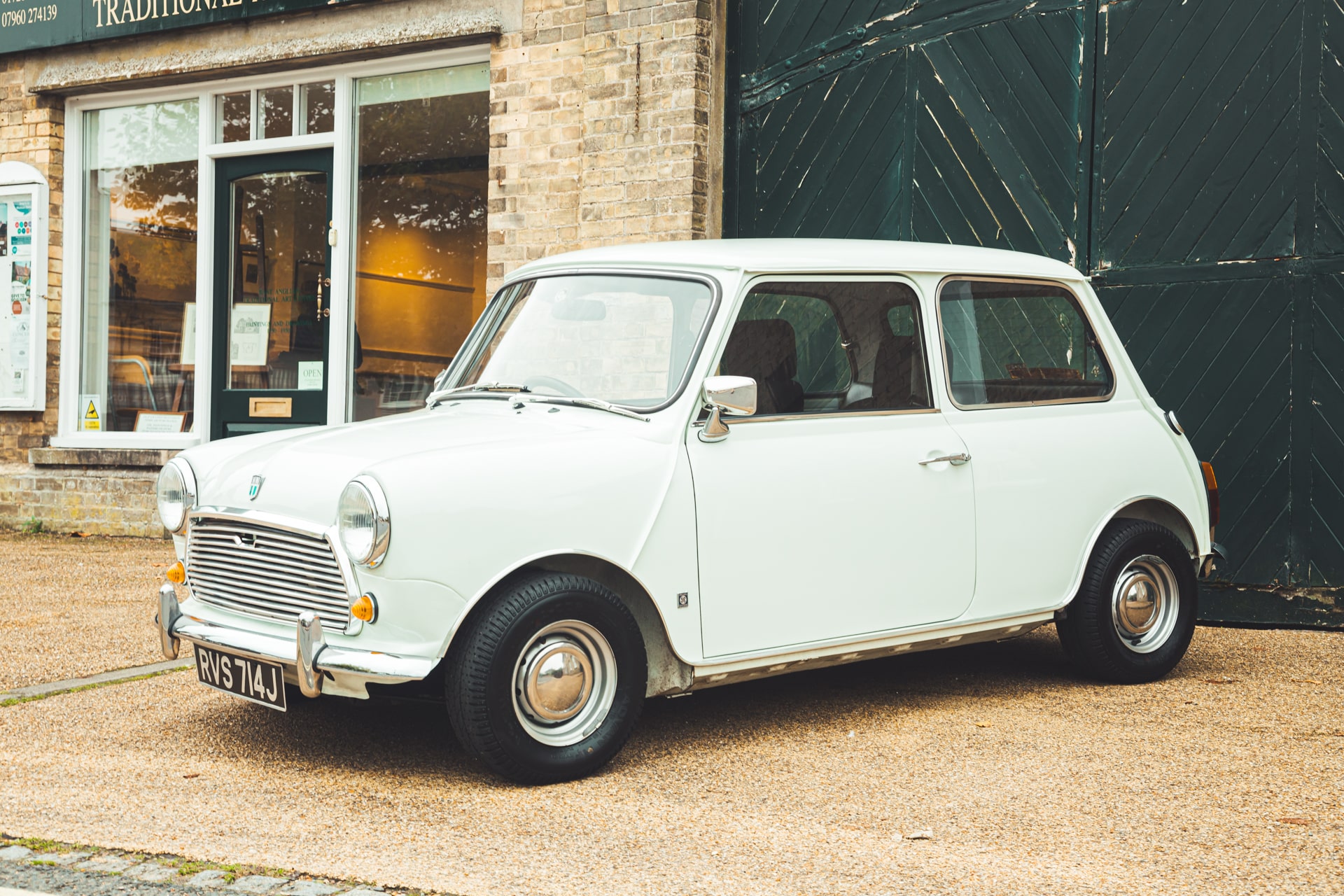
We’re putting classic cars on the road every single week that are running on synthetic fuel. These aren’t predictions, estimates, goals, or targets; they are real cars, driven by real people, in real conditions.
That means that every car that leaves us running on synthetic fuel has emissions reductions of up to 80% compared to traditional fossil fuels. The big thing about this, though, is that it proves that change doesn’t have to come at the expense of the traditional driving experience.
Recognition Along the Way
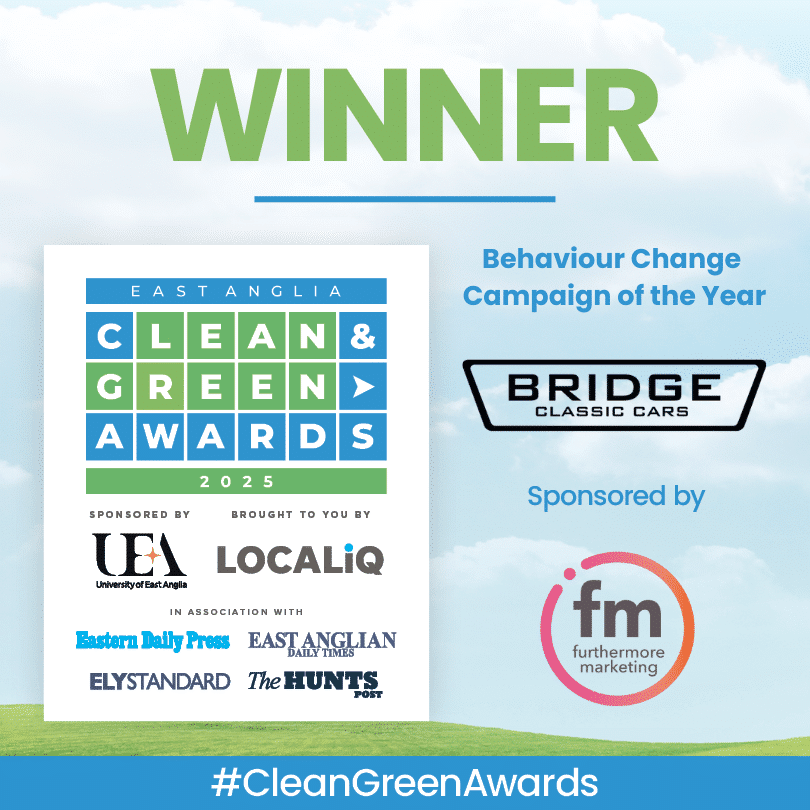
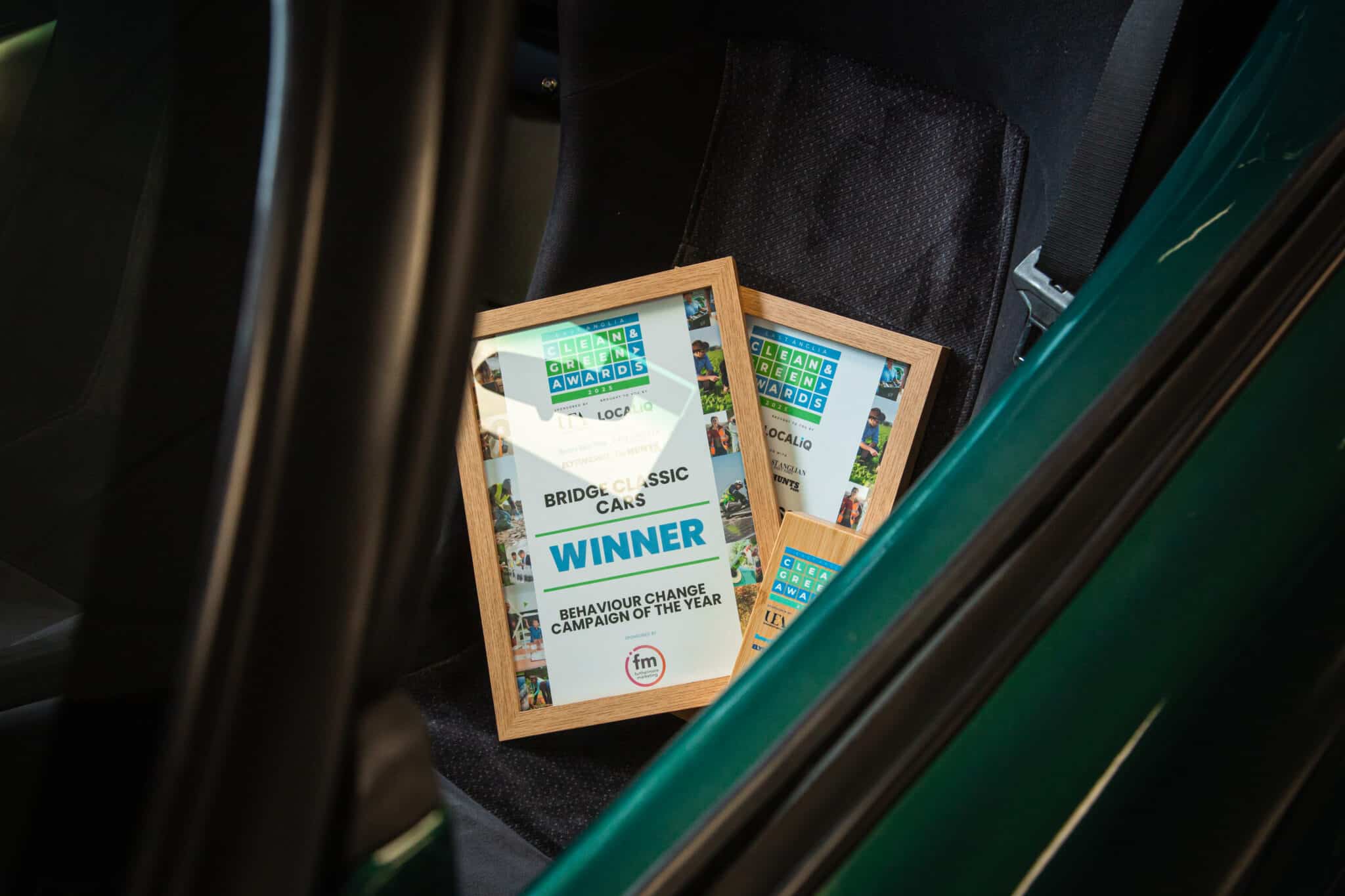
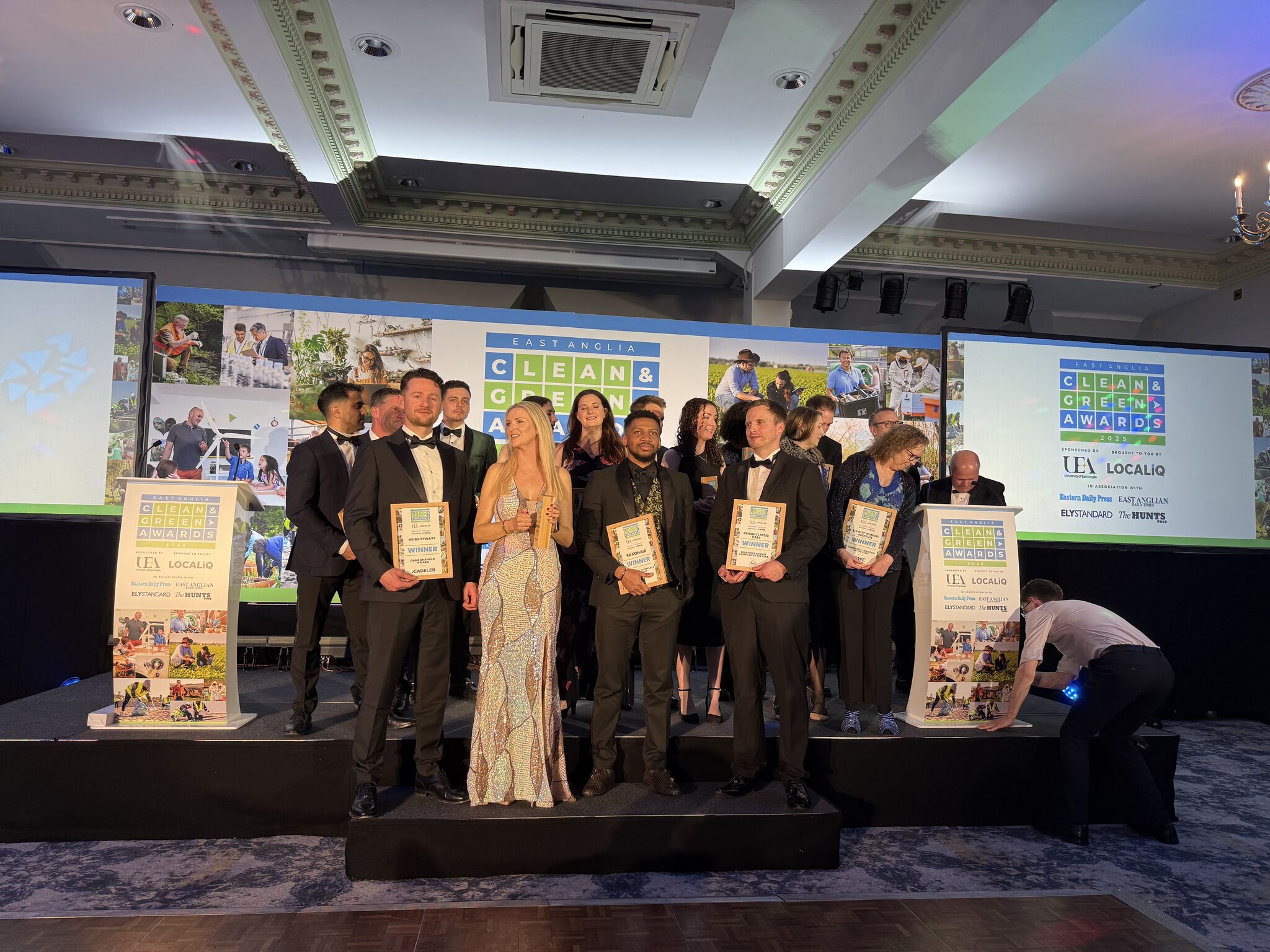
Although our aim was not to win awards or be recognised for what we are doing, over the past 18 months, our synthetic fuel programme has been recognised with a sustainability award, which was a proud moment for the whole team.
Getting the award was validation that our approach of keeping classic cars alive while reducing their environmental impact isn’t just possible, but it’s actually worth doing.

Some Pushback
Obviously, there were questions asked by enthusiasts who are passionate about classic cars and keeping them original. Classic cars are emotional things after all, so we made sure to answer these questions openly.
What we’ve found, through actually doing it rather than just talking about it, is that those concerns start to fade pretty quickly once people experience it for themselves. Even just seeing the fuel in our cars has gone a long way in showing the huge potential of synthetic fuel.
It’s probably fair to say that the biggest shift over the past 18 months hasn’t just been technical, it’s been a shift in mindset.
More Work To Be Done
Eighteen months in, we’re not looking at this as a finished project. We know there’s still a lot to do in terms of education, accessibility, and wider adoption. Synthetic fuel isn’t yet the default choice for classic car owners, but we hope it will be moving forwards.
The whole team here at Bridge Classic Cars is committed to being part of that change. We want to make sure classic cars have a place in the future, and we believe that synthetic fuel can be a true solution to making that happen.
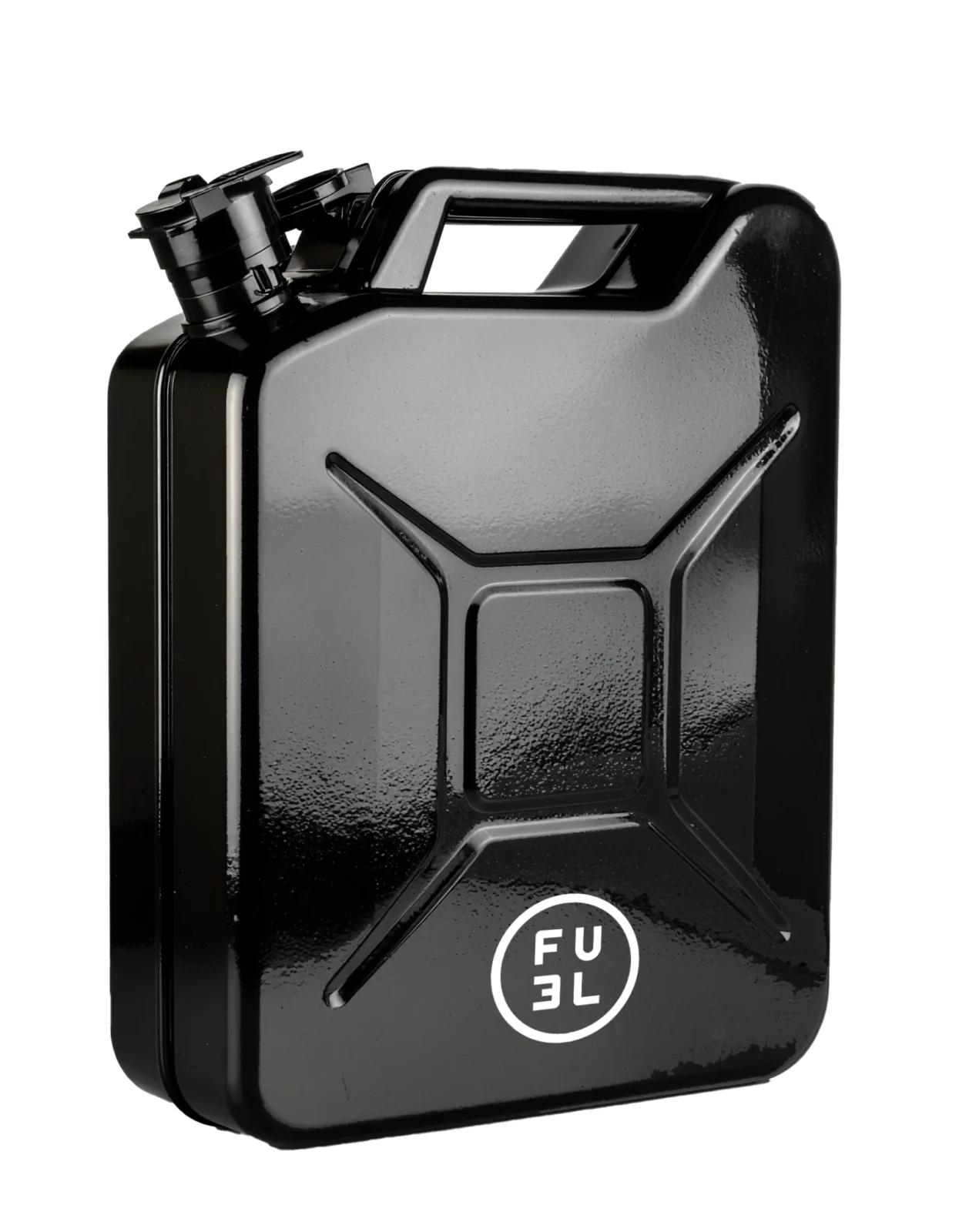
FU3L
We work with FU3L, a synthetic fuels company developing advanced, drop-in biofuels that work with existing engines and infrastructure.
FU3L uses second-generation biomass, things like agricultural and forestry residues, so it doesn’t compete with food production. The result is a near-closed carbon cycle and significantly lower greenhouse gas emissions. All while keeping classic cars enjoyable to drive!
Read more automotive industry news

Leave a Reply
You must be logged in to post a comment.