


When it went on sale in Japan in late 1997, the Toyota Prius was the world’s first mass-produced petrol-electric hybrid car. Hybrid technology itself was not new, but Toyota was the first manufacturer to solve enough of the practical problems to put it into series production as an ordinary family car.
It’s important to remember that the Prius wasn’t a demonstration of engineering capabilities or a limited-production experiment. To make it successful as a production car, Toyota had to make the battery last, fit the entire hybrid system into a conventional-sized car and make sure that owners could use it without learning an entirely new way of driving.
If you look at modern hybrid cars, it doesn’t sound like much of a challenge. However, back in 1997, it was.
Years Of Development
The first Prius was the result of a five-year development effort to create a practical, low-emission family car.
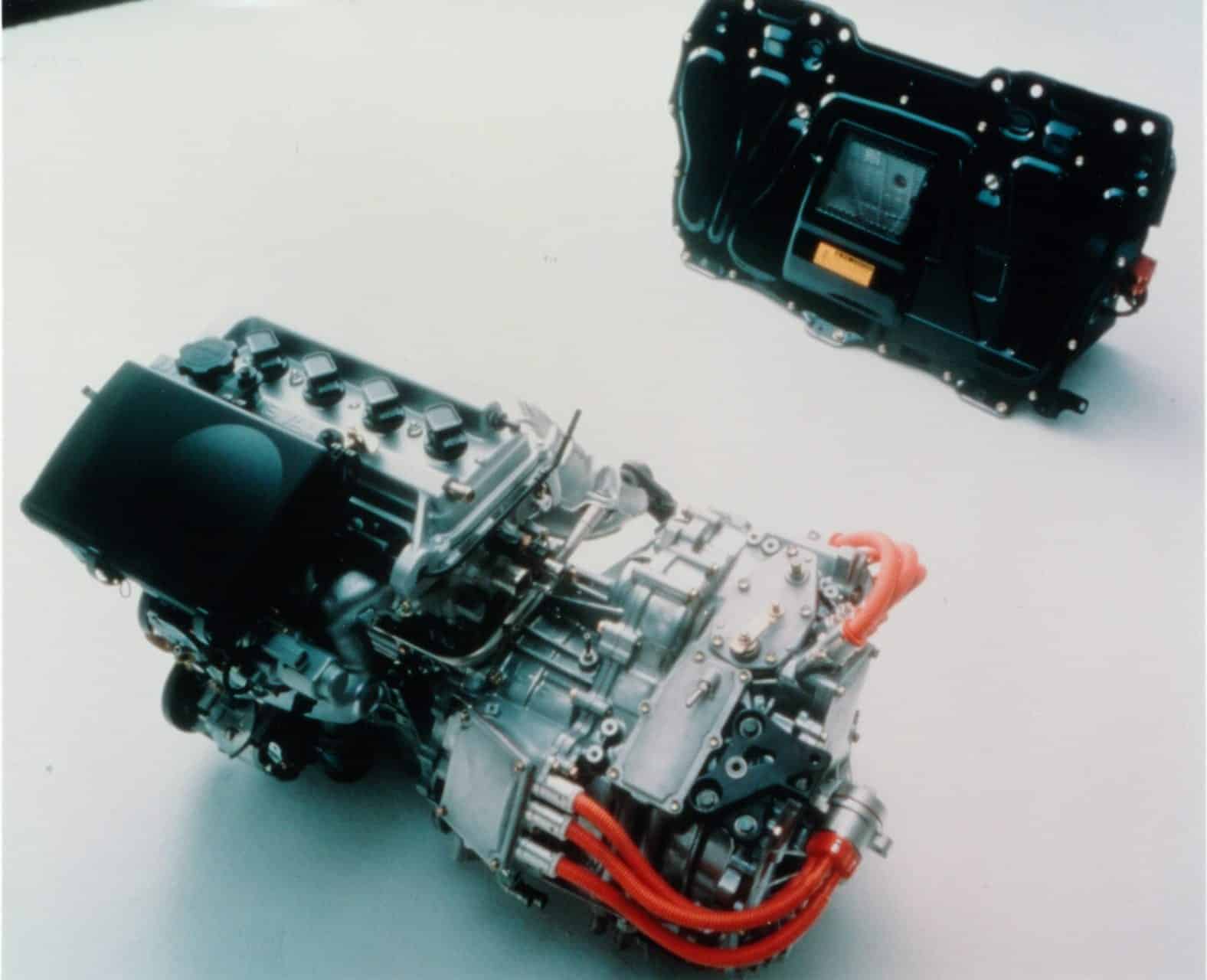
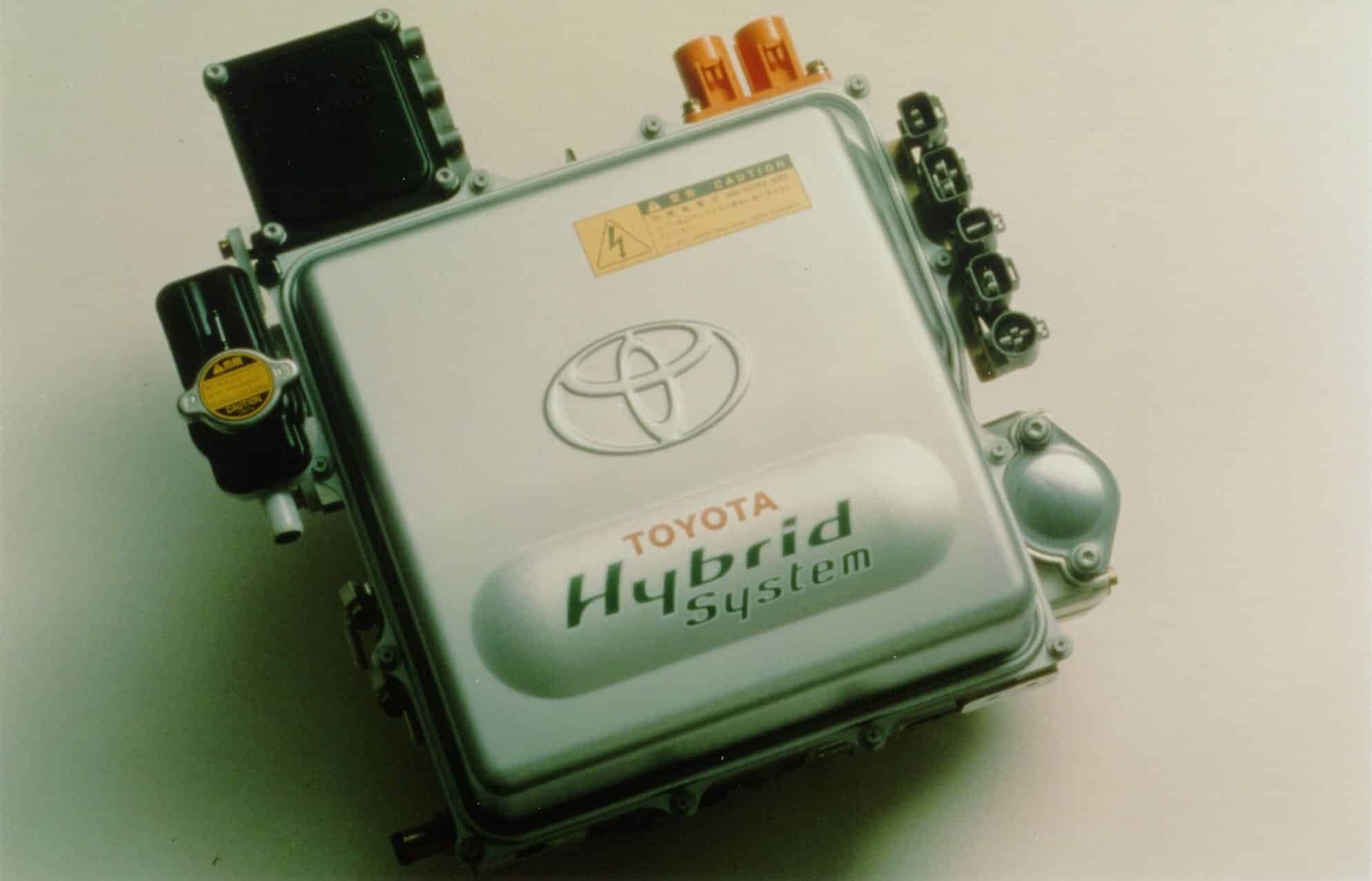
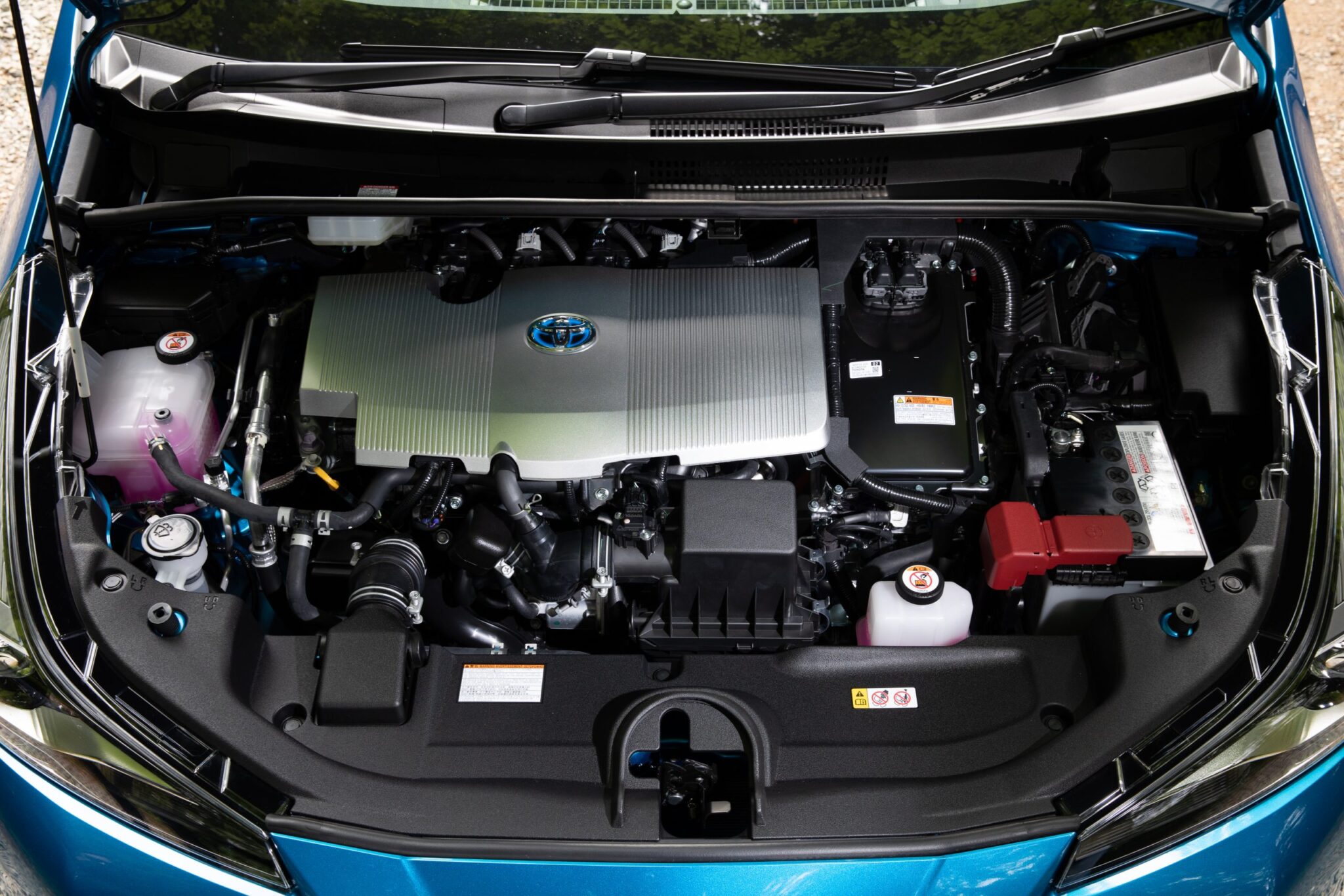
It was based on the original Toyota Hybrid System and brought together a 1.5-litre four-cylinder petrol engine, an electric drive motor, a separate generator and a nickel-metal hydride battery mounted behind the rear seats. The big development, though, was that the major mechanical components still fitted within a normal-sized engine bay.
Toyota had not invented the idea of combining an internal-combustion engine with an electric motor. Versions of that concept had existed for a long time. However, what Toyota did was turn it into something that could be manufactured, sold and used in meaningful numbers.
One of the biggest challenges was battery durability. It wasn’t good enough for the car to work for a few months or a few thousand miles. The high-voltage battery needed to last alongside the rest of the vehicle.
More Conventional Than People Remember
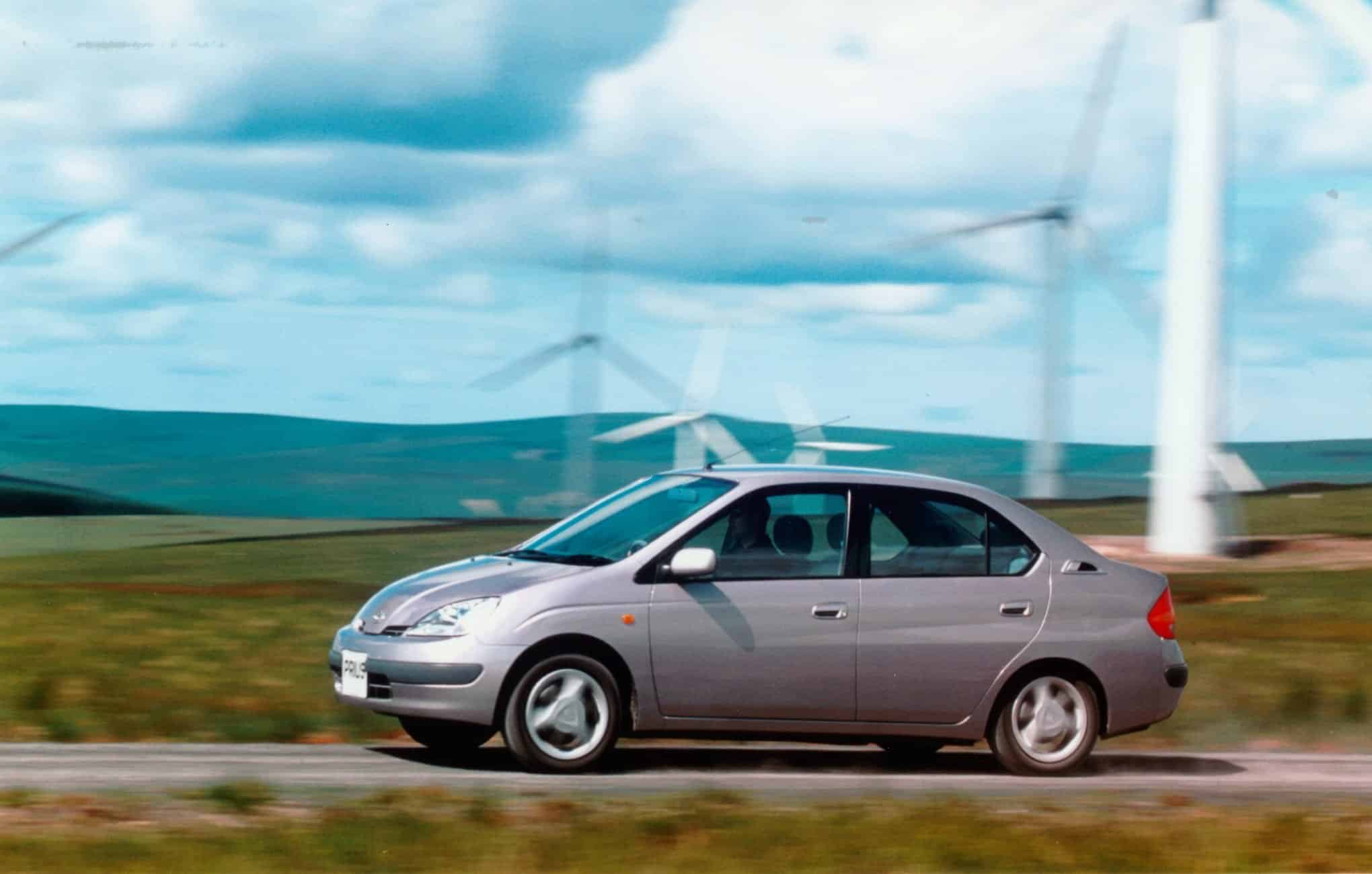
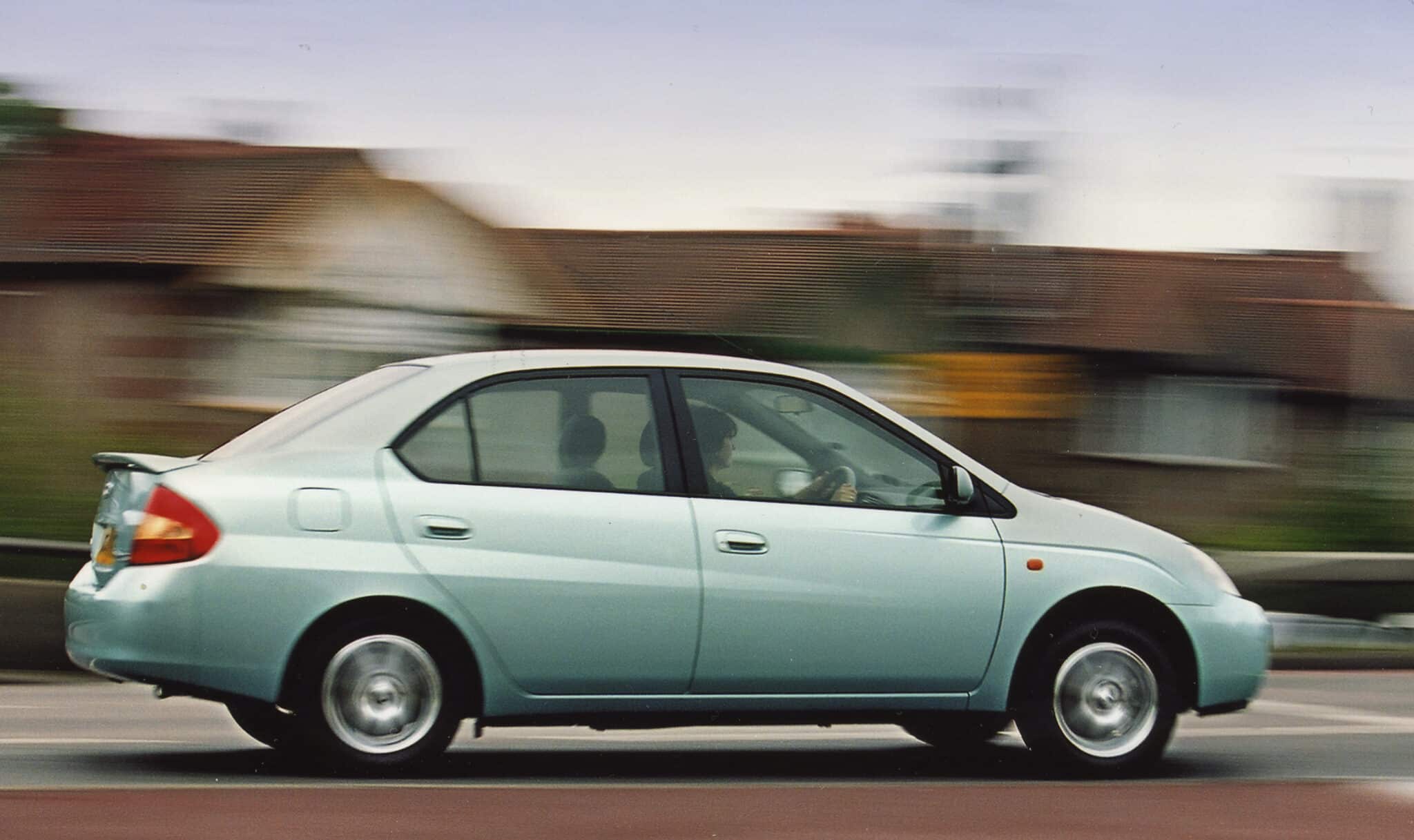
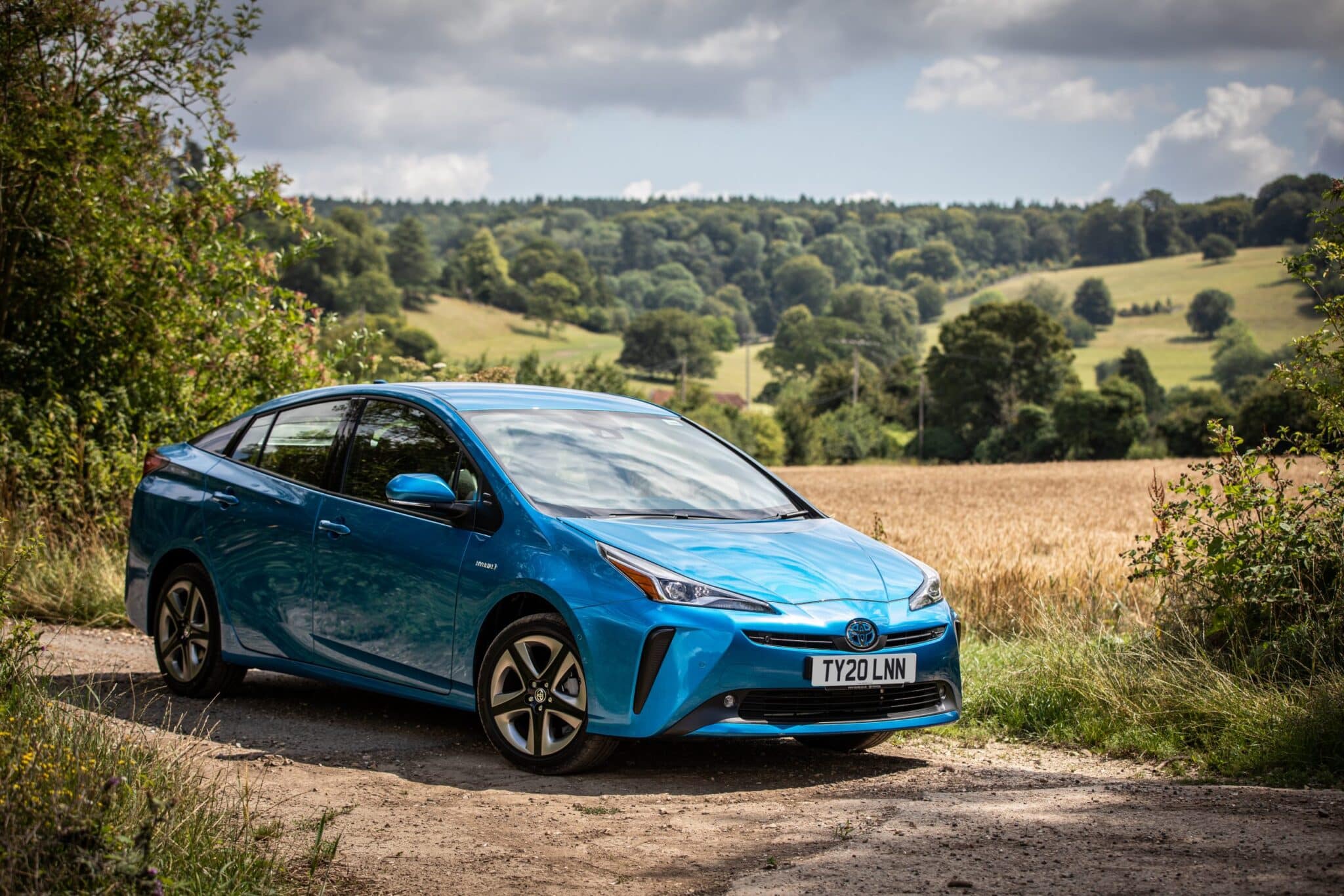
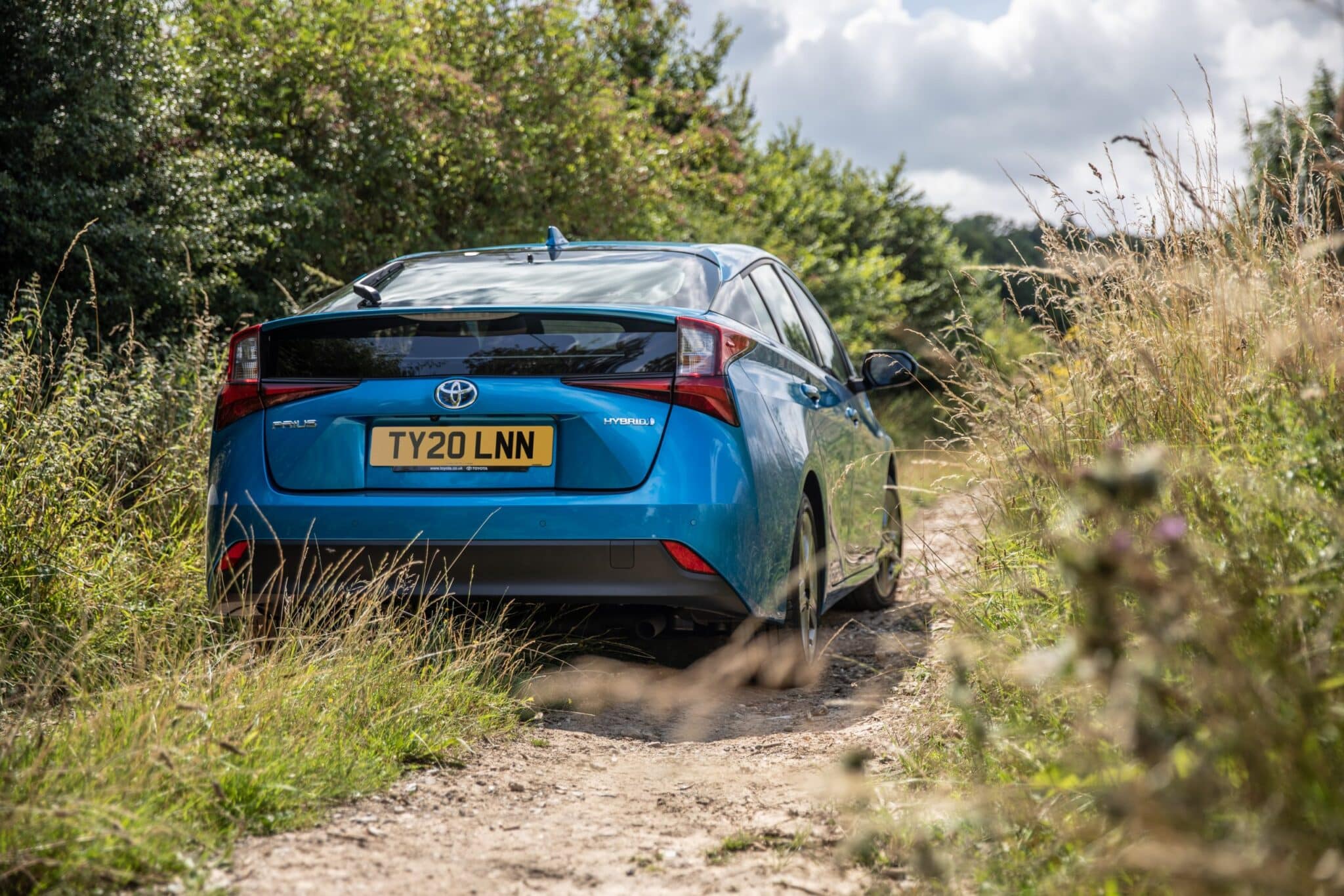
The first-generation Prius did not have the wedge-shaped hatchback body most people now associate with the name. It was a relatively conventional four-door saloon, sitting somewhere between a supermini and a small family car. It had a cab-forward shape and styling developed by Toyota’s Calty design centre in California.
That conventional appearance was probably a big part of its success as Toyota was already asking buyers to trust a type of powertrain they had never owned before. Making the rest of the car feel reasonably familiar definitely would have helped.
There was no charging cable and no need to find specialist infrastructure. The car looked after the relationship between the petrol engine, electric motor and battery itself. You just filled it with petrol and drove it. That made hybrid technology much easier for ordinary buyers to accept.
It Arrived When The Conversation Was Changing
The timing of the Prius is a major part of its story. It was launched domestically in Japan in late 1997, at almost exactly the same time when environmental concerns were becoming much more visible in politics, industry and public discussion. That does not mean buyers were already demanding hybrid cars, but they were asking questions about fuel consumption, emissions and the long-term environmental impact of transport that were becoming harder to ignore.
Toyota had spent years preparing a response before a clear mass market existed. That is what made the Prius a big risk. Toyota was essentially trying to persuade buyers that a different approach to everyday driving was worthwhile.
Growth Took Time
Toyota says sales in Japan were strong from the beginning, helped by the car winning Japan’s Car of the Year award for 1998. By May 2000, more than 40,000 had been sold, and production capacity was increased to 3,000 cars per month ahead of the arrival of the revised export model.
However, the international market was a different challenge.
The Prius reached the UK on 17th October 2000. Toyota expected British buyers to be more cautious about the unfamiliar technology, particularly the longevity of the battery and the long-term reliability of the hybrid system. To address those concerns, Toyota GB introduced what it described as Europe’s first five-year mechanical warranty. It also offered a private leasing scheme designed to protect buyers from concerns over future resale values.
Not only was Toyota trying to sell a car, but it was also having to reassure people that the whole idea could be trusted. By the time first-generation production ended in August 2003, more than 123,000 had been sold worldwide. That was enough to prove that the hybrid family car was commercially viable, even though the much larger growth would come with later generations.
The Second Generation Made The Idea Harder To Ignore
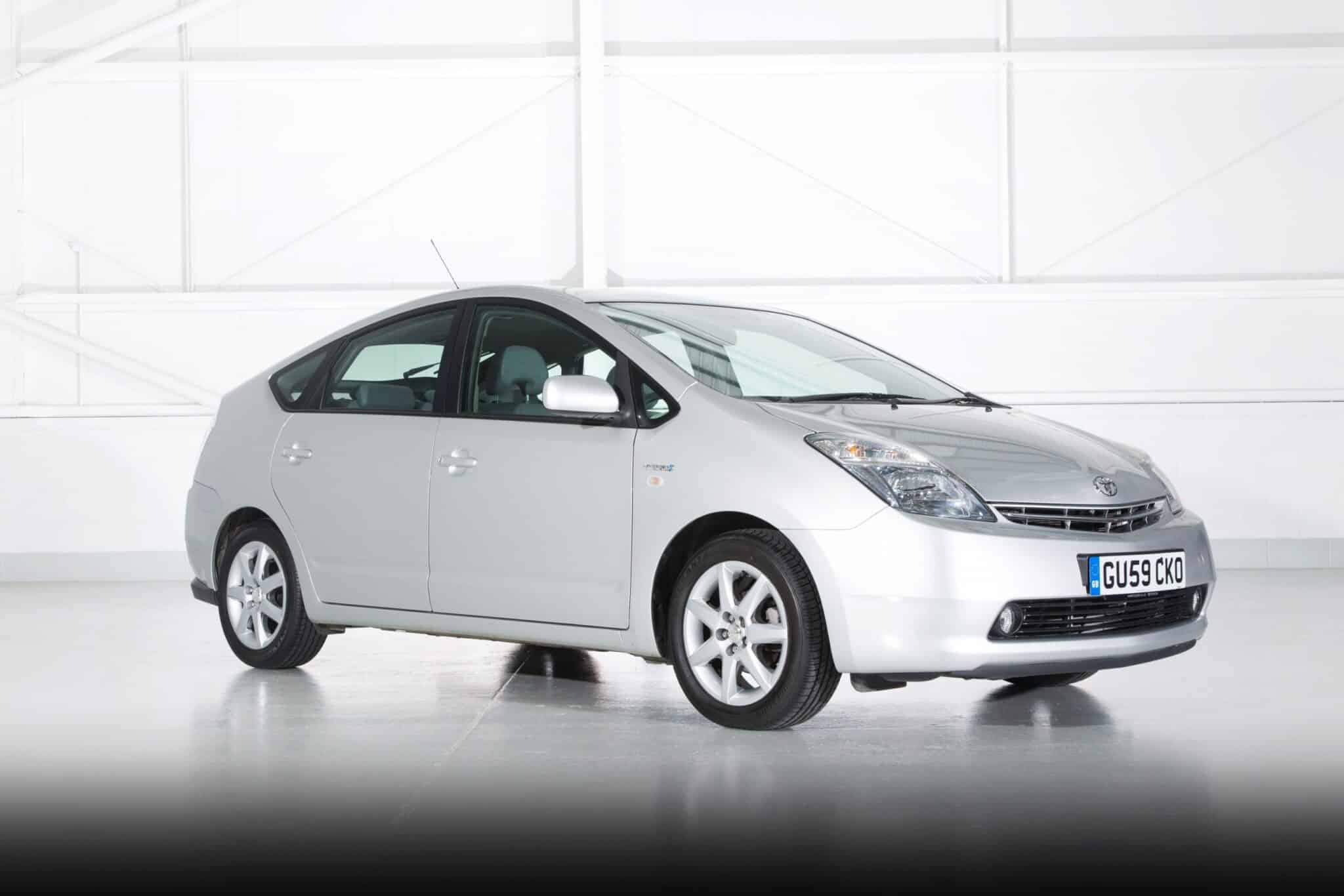
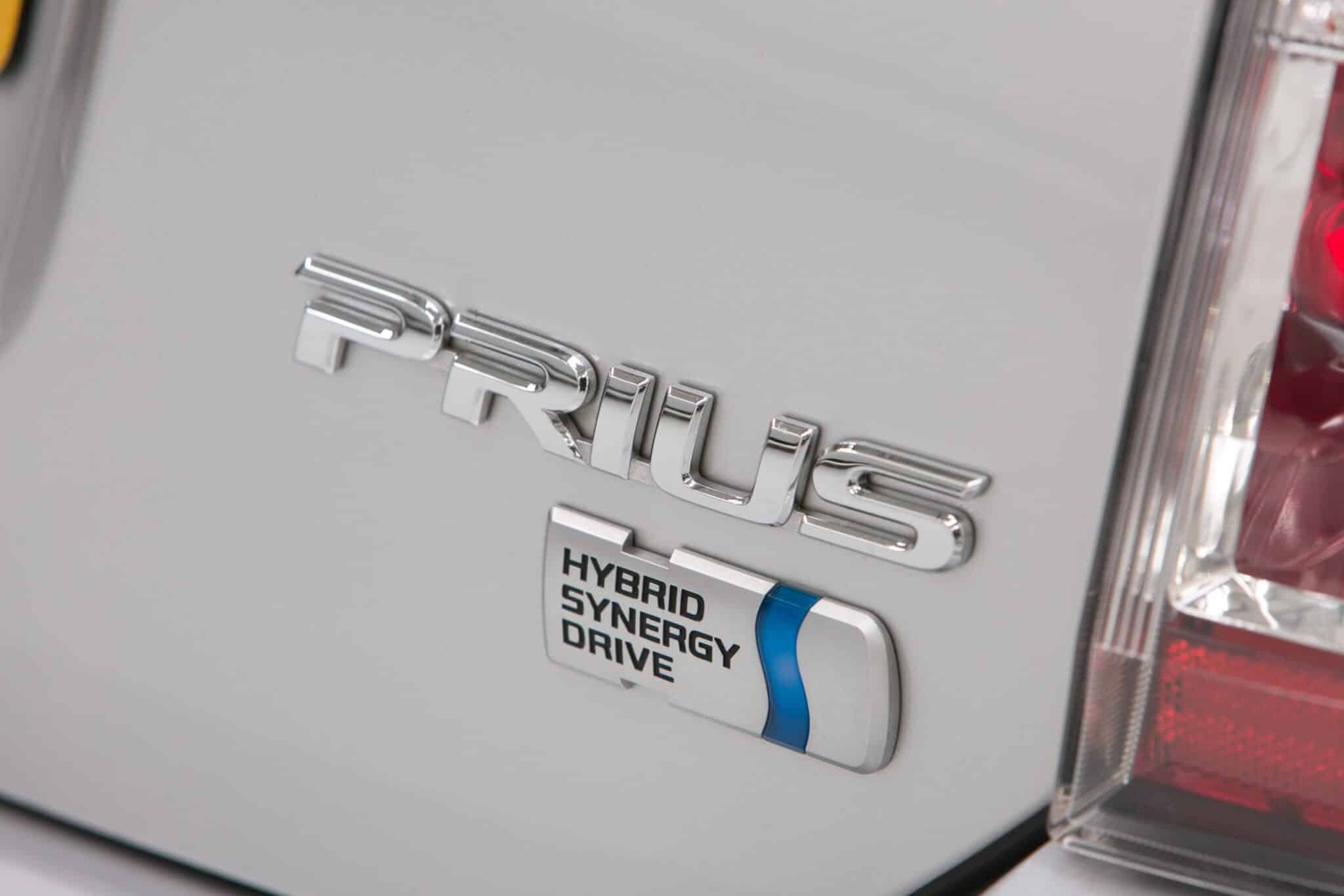
Launched in the UK in January 2004, the second generation Prius was larger, more powerful, and more efficient. Toyota says it incorporated 530 new patents and introduced the improved Hybrid Synergy Drive system.
Before the end of 2004, the second generation had already exceeded the total sales of its predecessor. By that point, around a quarter of a million second-generation cars had been sold worldwide, and Toyota increased annual production capacity to meet demand. This is where the Prius shifted from being an interesting technical achievement to becoming a familiar part of the automotive landscape. If you look back to that time, celebrities owned a Prius as a nod to their commitment to the environment; it became something of a status symbol for the “influencers” of the time.
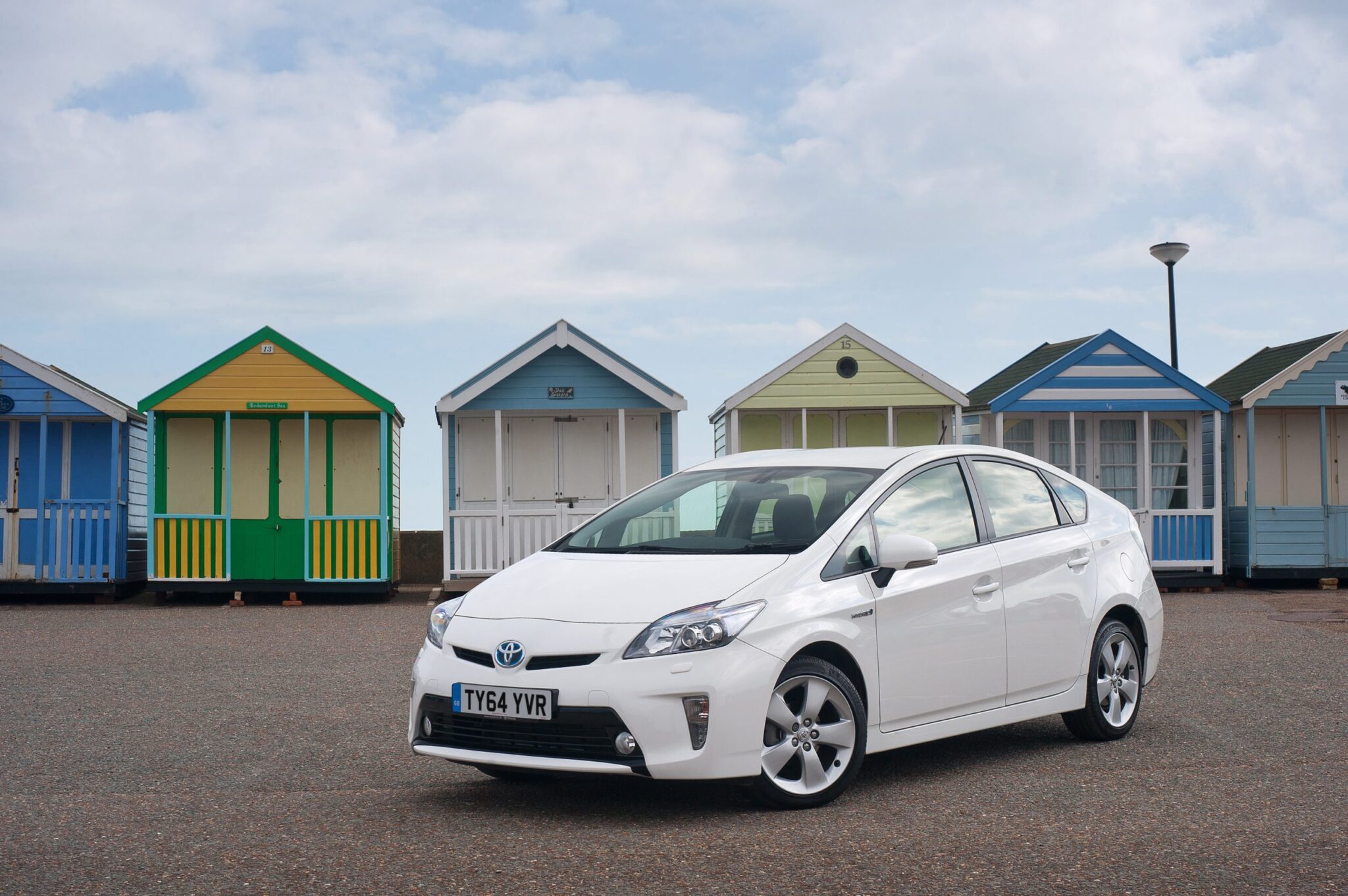
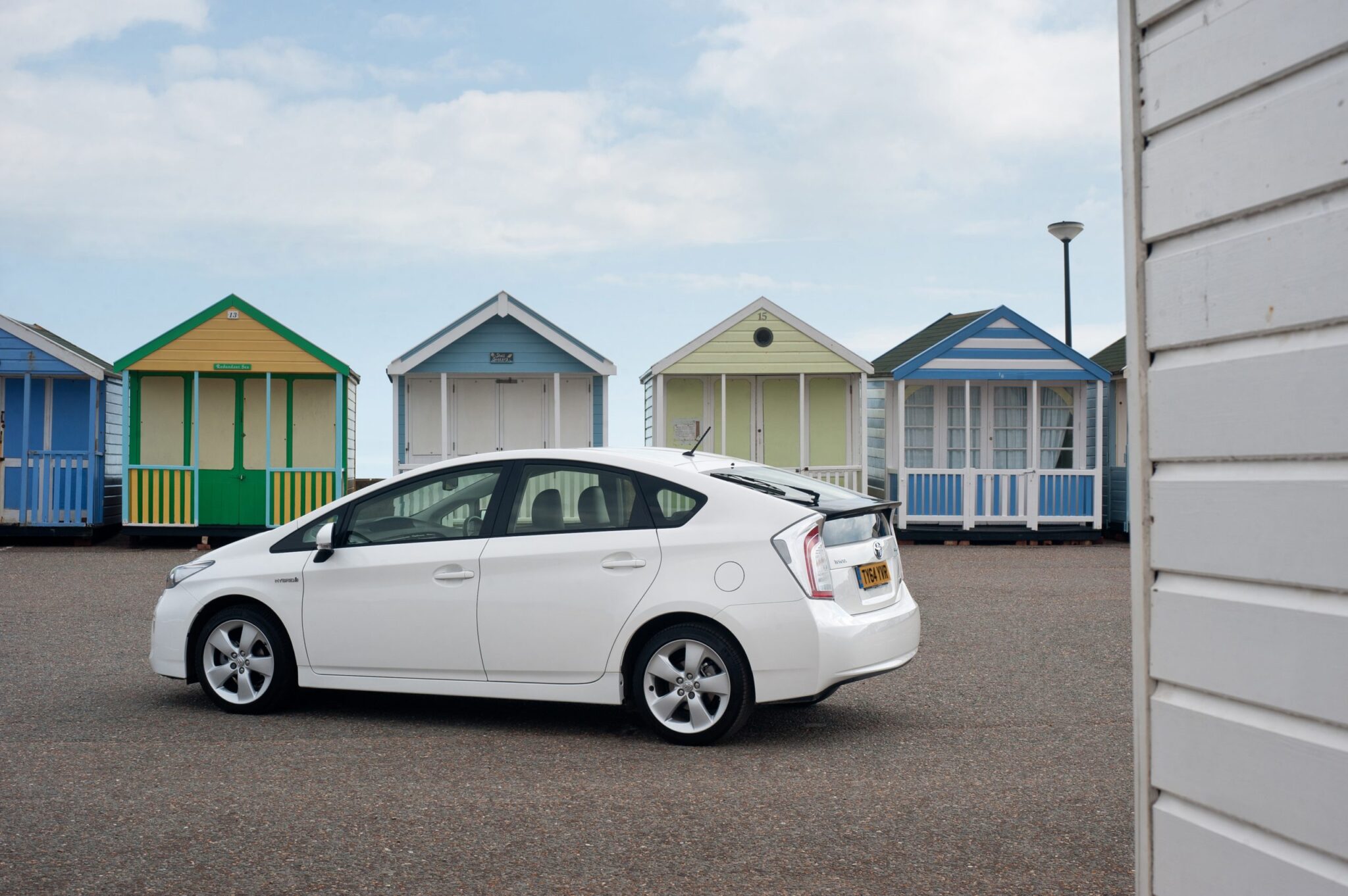
The Third Generation
By the time the third-generation Prius arrived in 2009, the conversation around cars had changed dramatically. When the original Prius launched in 1997, hybrid technology was still something of an unknown. Twelve years later, it had become a proven solution. Fuel prices had risen, emissions legislation was becoming stricter and environmental issues were much more firmly in the public eye. Toyota was no longer introducing buyers to the idea of a hybrid, it was refining a formula that had already established itself.
The third-generation Prius built on everything that had made its predecessor successful. A larger 1.8-litre petrol engine worked alongside Toyota’s latest Hybrid Synergy Drive system, delivering more power while also improving fuel economy during motorway driving. Despite the increase in engine size, CO₂ emissions fell to 89g/km on the official combined cycle, while fuel economy was quoted at up to 72.4mpg (combined).
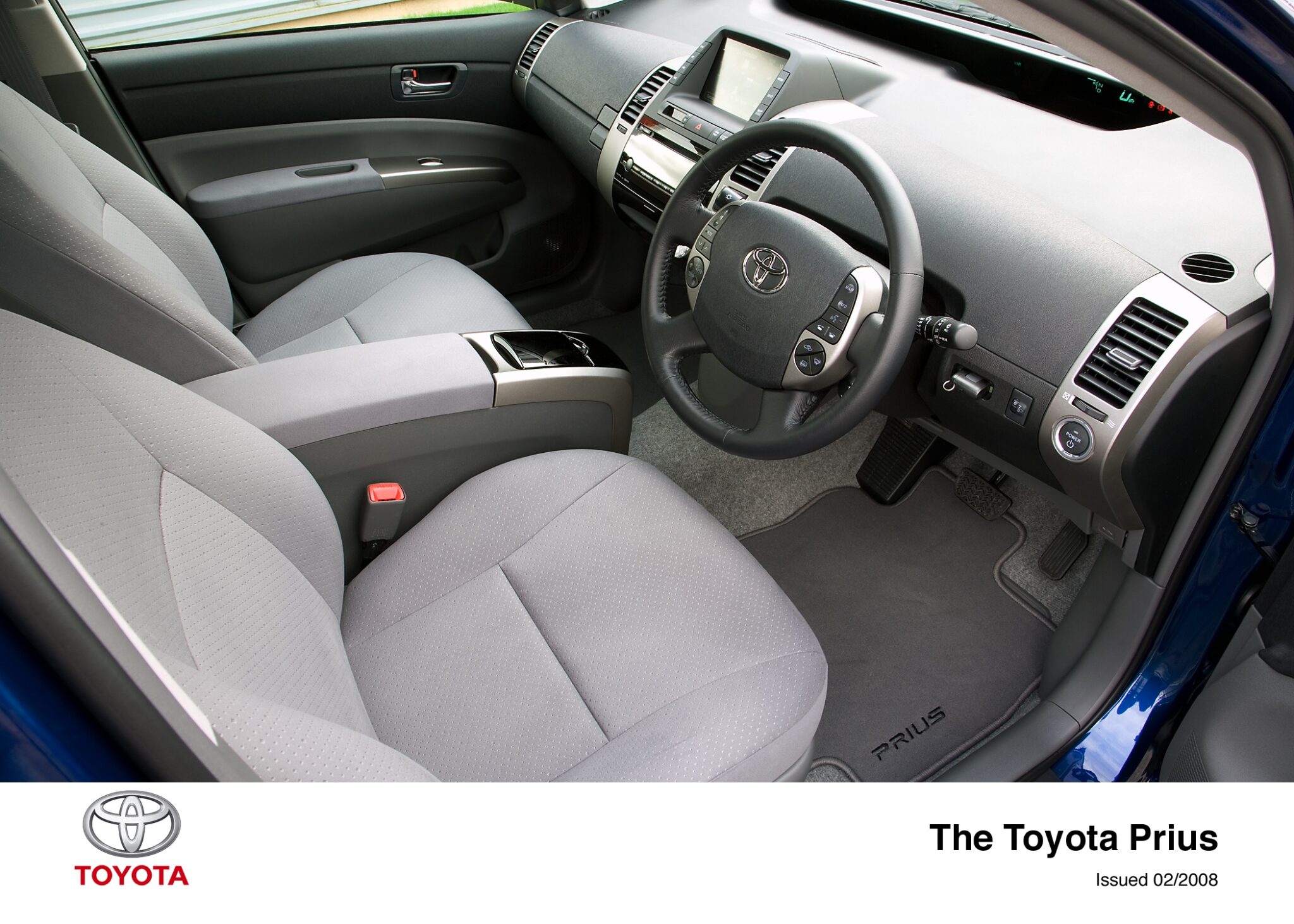
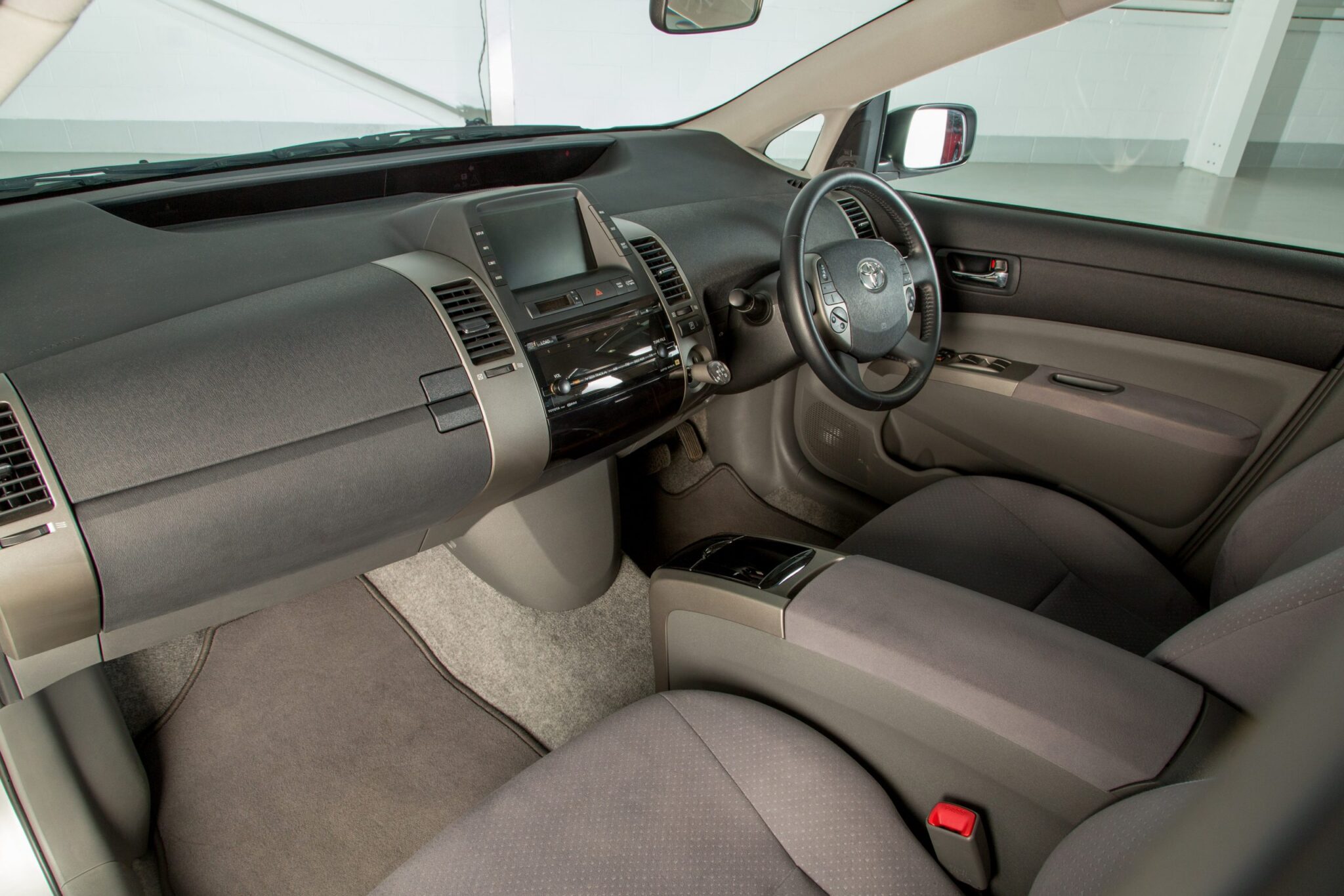
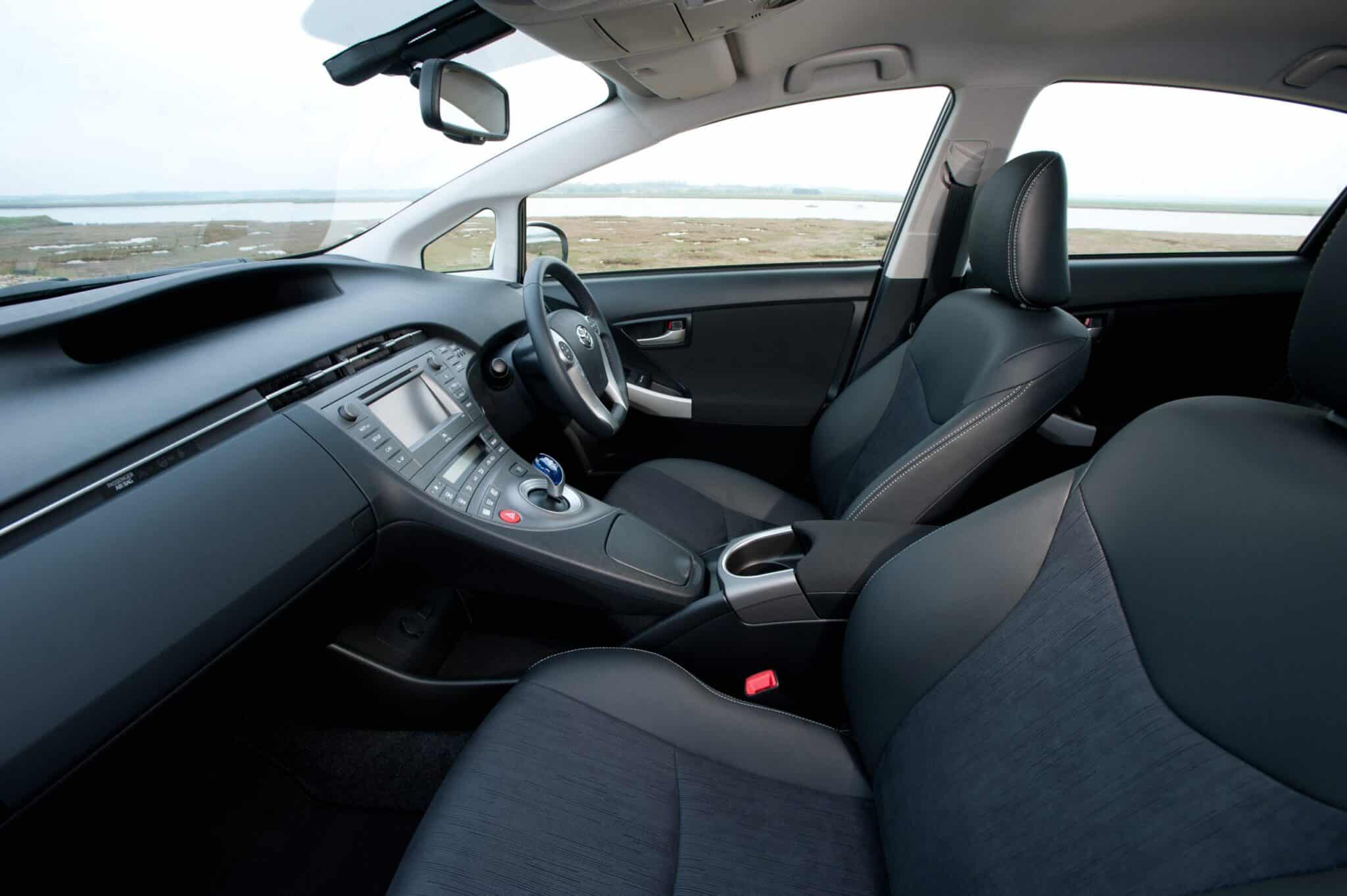
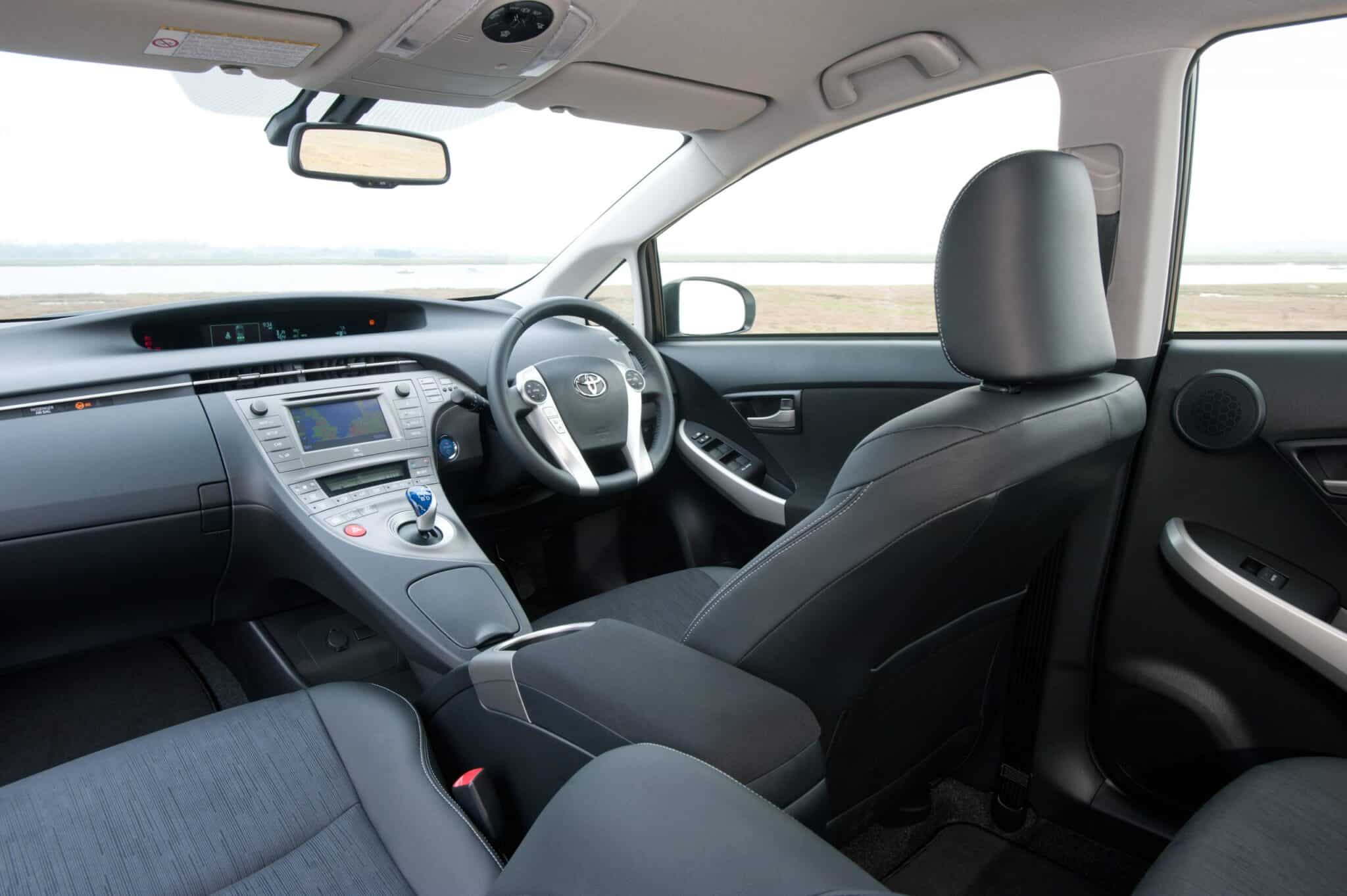
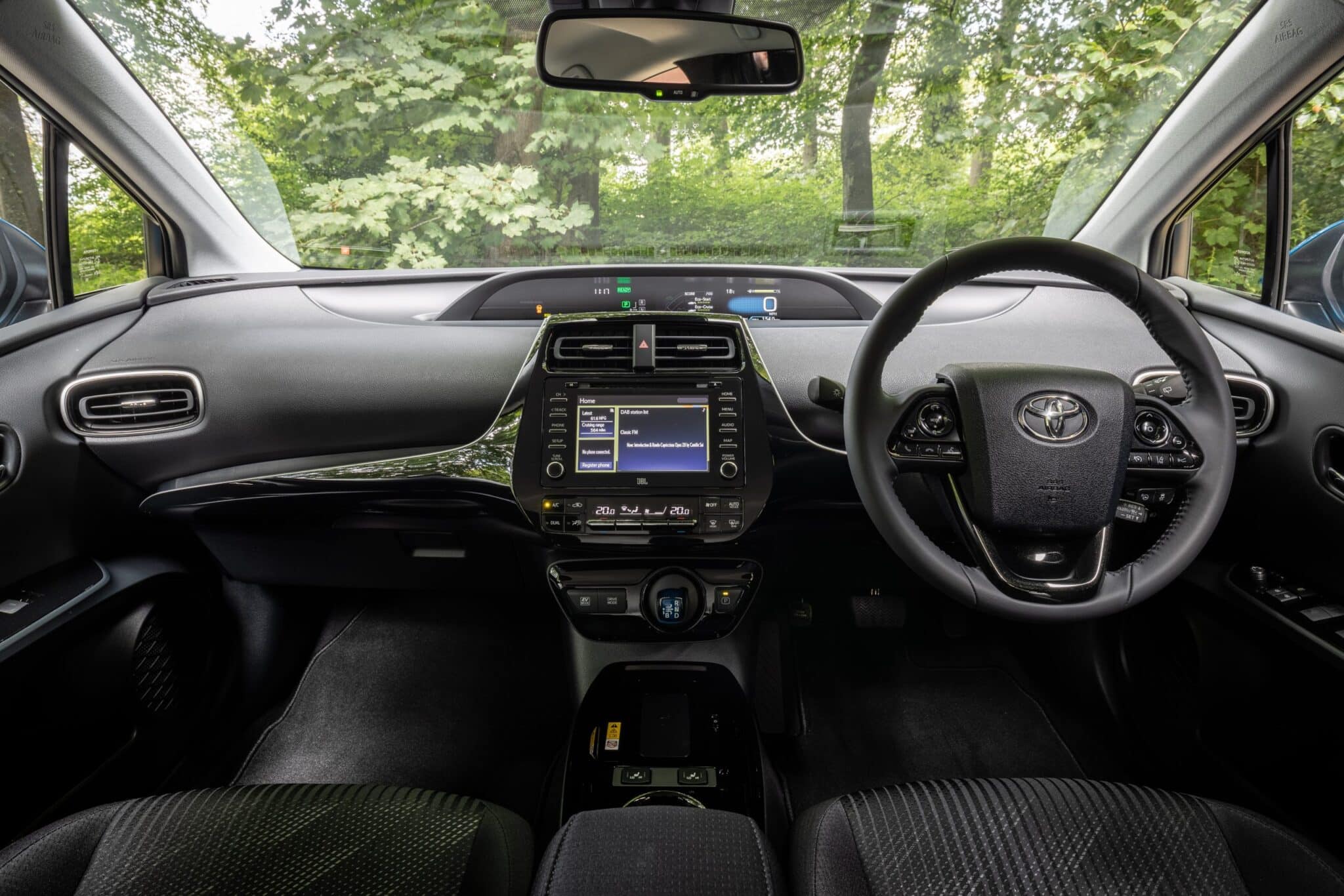
Toyota also focused on making the Prius feel less like a niche product and more like a genuinely desirable family car. For example, the interior was more spacious and luggage capacity increased,
By the launch of the third-generation model, the Prius had become the world’s best-selling hybrid vehicle. It was no longer a bold experiment or a glimpse into the future. It had become part of the automotive mainstream, with more than one million Prius models already sold worldwide before the third generation even reached showrooms. Within a year of its launch, cumulative Prius sales passed the two-million mark, showing just how quickly hybrid technology had gone from curiosity to accepted everyday transport.
Why Did The Toyota Prius Work?
The Prius worked because Toyota solved more than one problem at the same time. It made hybrid technology usable without asking drivers to change their daily routine. It made the car familiar enough to avoid feeling like a science experiment, and it backed the unfamiliar technology with warranties and leasing support. Most importantly, though, Toyota remained committed to the idea long enough for the market to develop around it. The first car proved that a mass-produced hybrid could work while the second generation improved the formula and gave it a stronger identity.
Later generations made the Prius faster, cleaner, more practical and increasingly mainstream. By the end of September 2010, worldwide Prius sales had passed two million. By the end of September 2014, they had exceeded 3.36 million. The technology then spread far beyond the Prius itself and became a central part of Toyota’s wider range.
Now, as we move out of the fourth generation and into the fifth, there’s no denying that the Prius has been a great success for Toyota.
Would The Prius Have Worked At Another Time?
If the Prius had appeared much earlier, the battery technology, electronics and manufacturing processes may not have been mature enough to make it reliable and affordable. If it arrived much later, Toyota would have lost the head start that helped make the company almost inseparable from the idea of the hybrid car.
It appeared at a point when the technology could just about be made to work, environmental concerns were moving higher up the agenda, and buyers were beginning to consider fuel efficiency more seriously. To put it simply, the market was not fully ready for hybrid cars, but it was ready enough for the Prius to make an impact.
Hybrid cars are everywhere now, and you can get one quickly and easily. However, without the Toyota Prius, we might have taken longer to get to this point.
Read more automotive industry news
Leave a Reply
You must be logged in to post a comment.