


If you go back a few years in the automotive industry, manufacturers offered two-door cars that were built for enjoyment and emotion rather than simple practicality. Cars like the Audi TT, Jaguar F-Type, and Porsche 911 weren’t bought because families needed them or because they offered huge luggage space. They were bought because, when you drove them, you had fun, they sounded great, and they became a big part of your weekend drive enjoyment.
If you look at the modern automotive industry, though, the coupe is quietly disappearing.
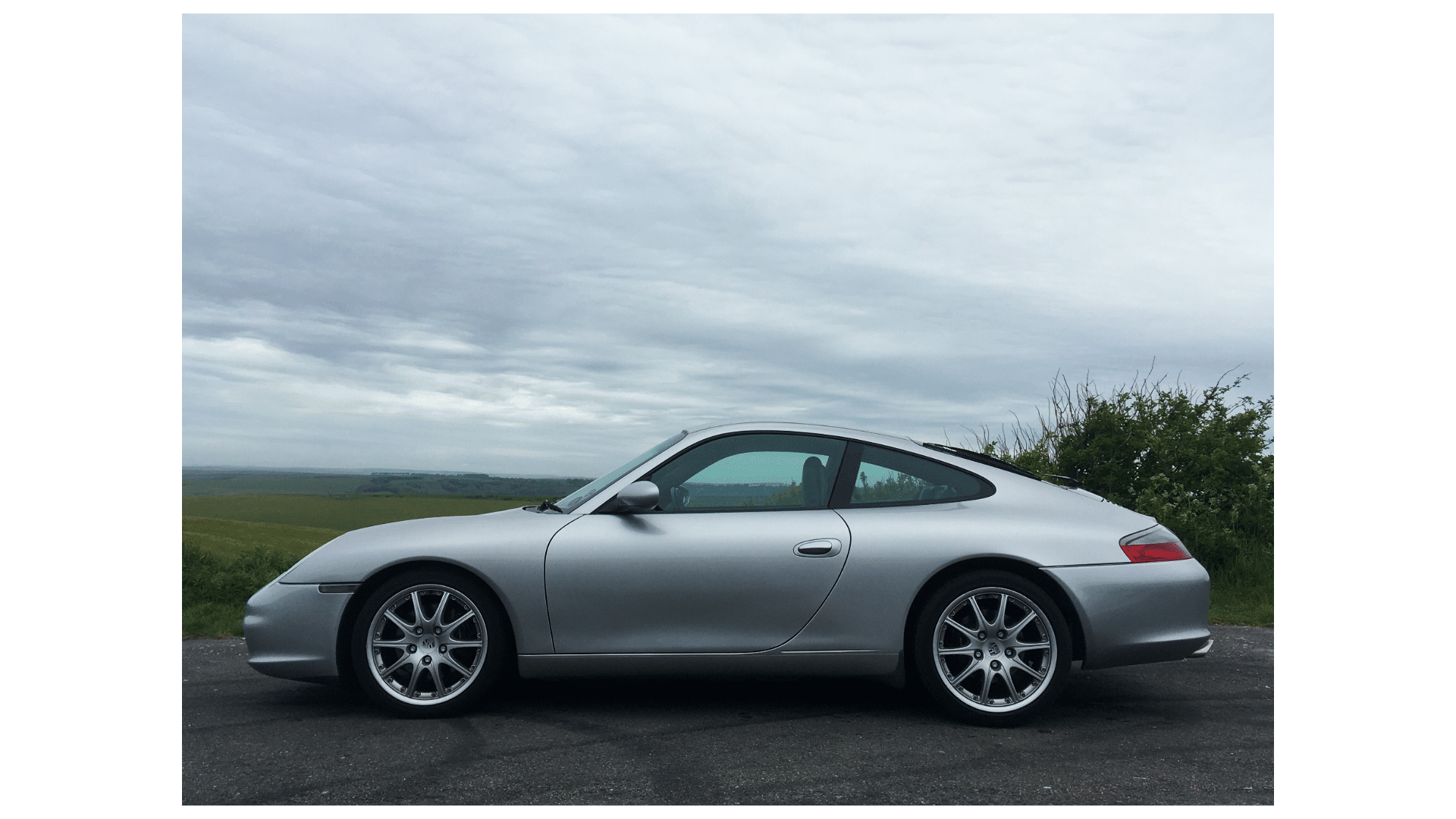
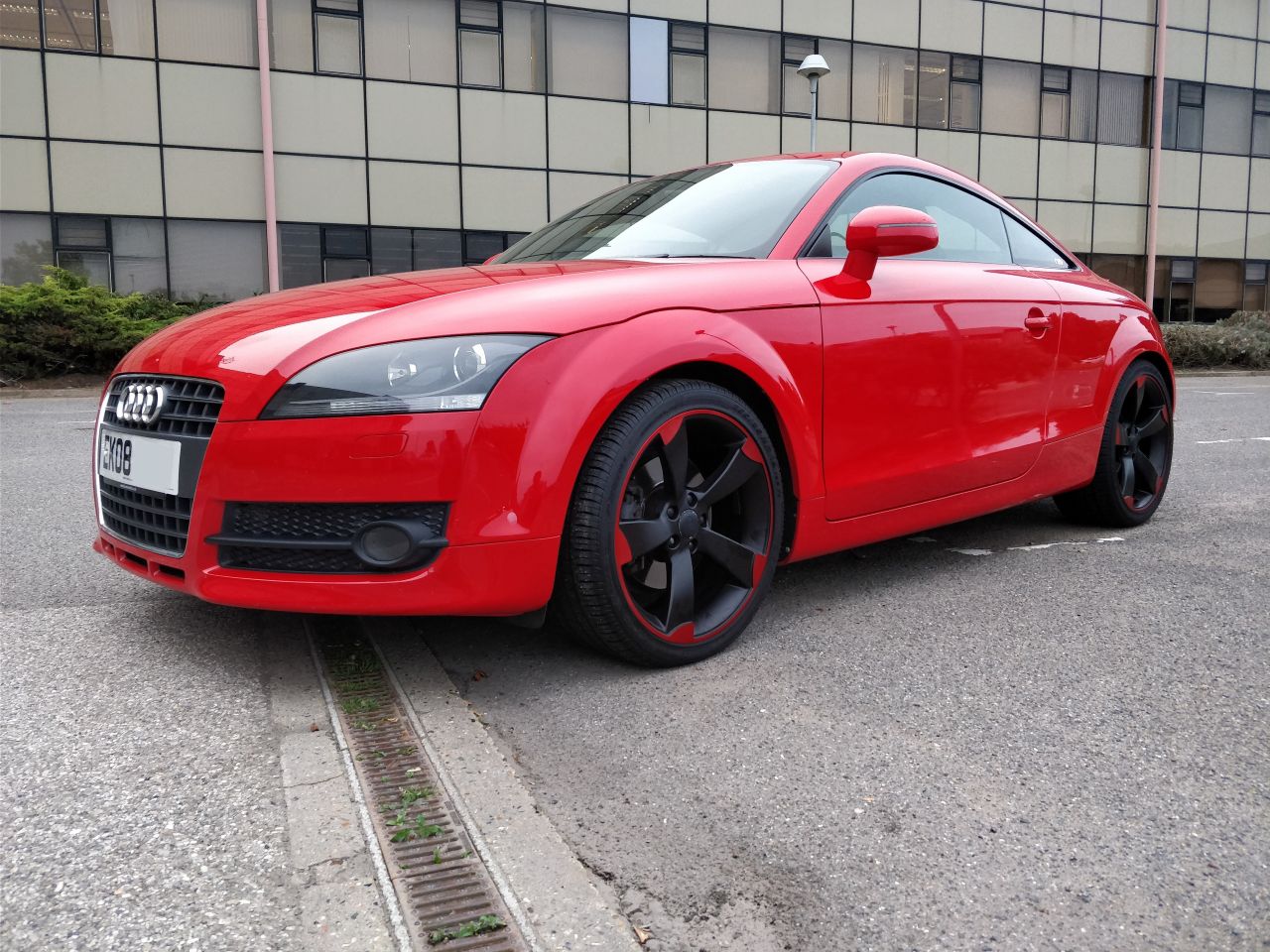
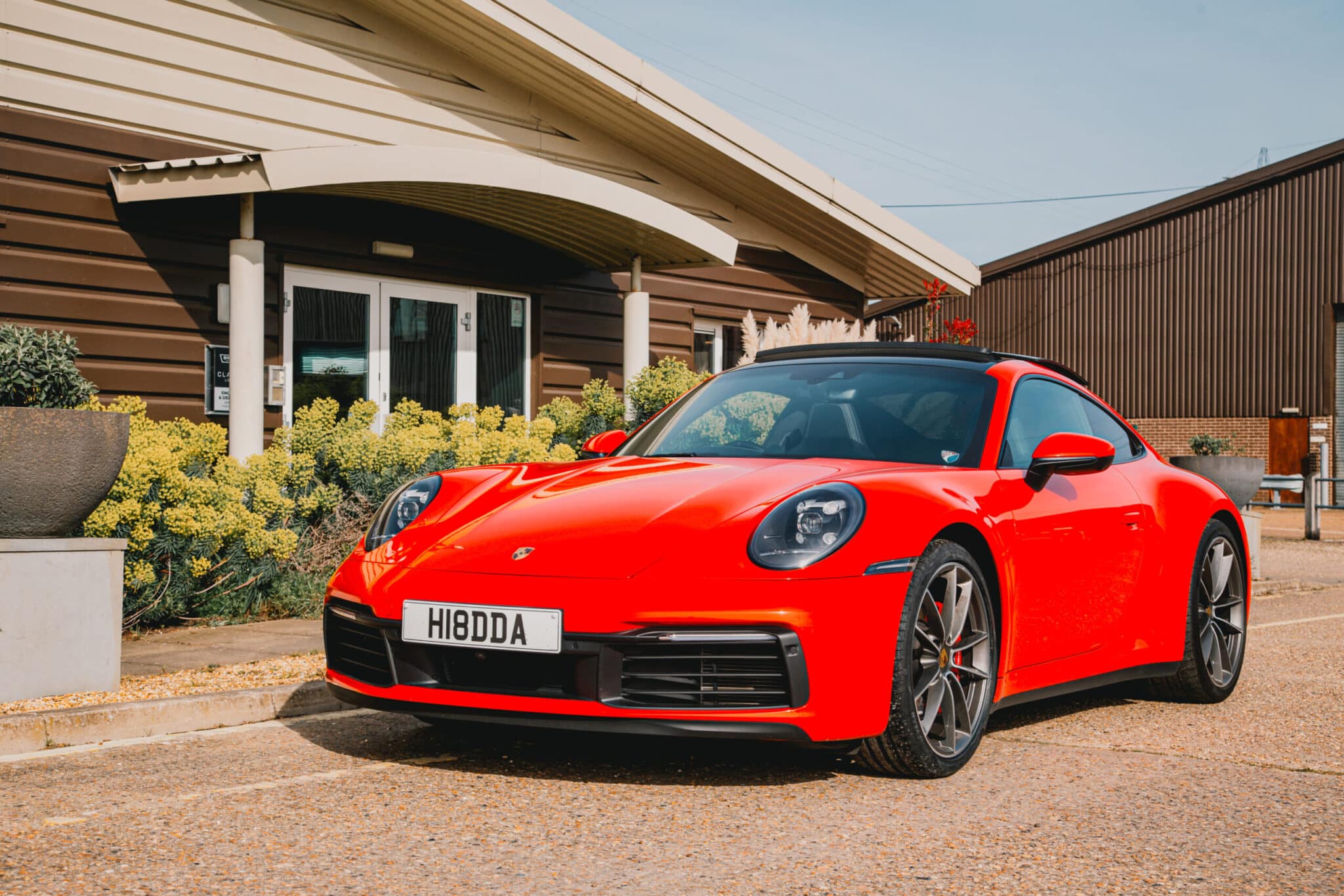
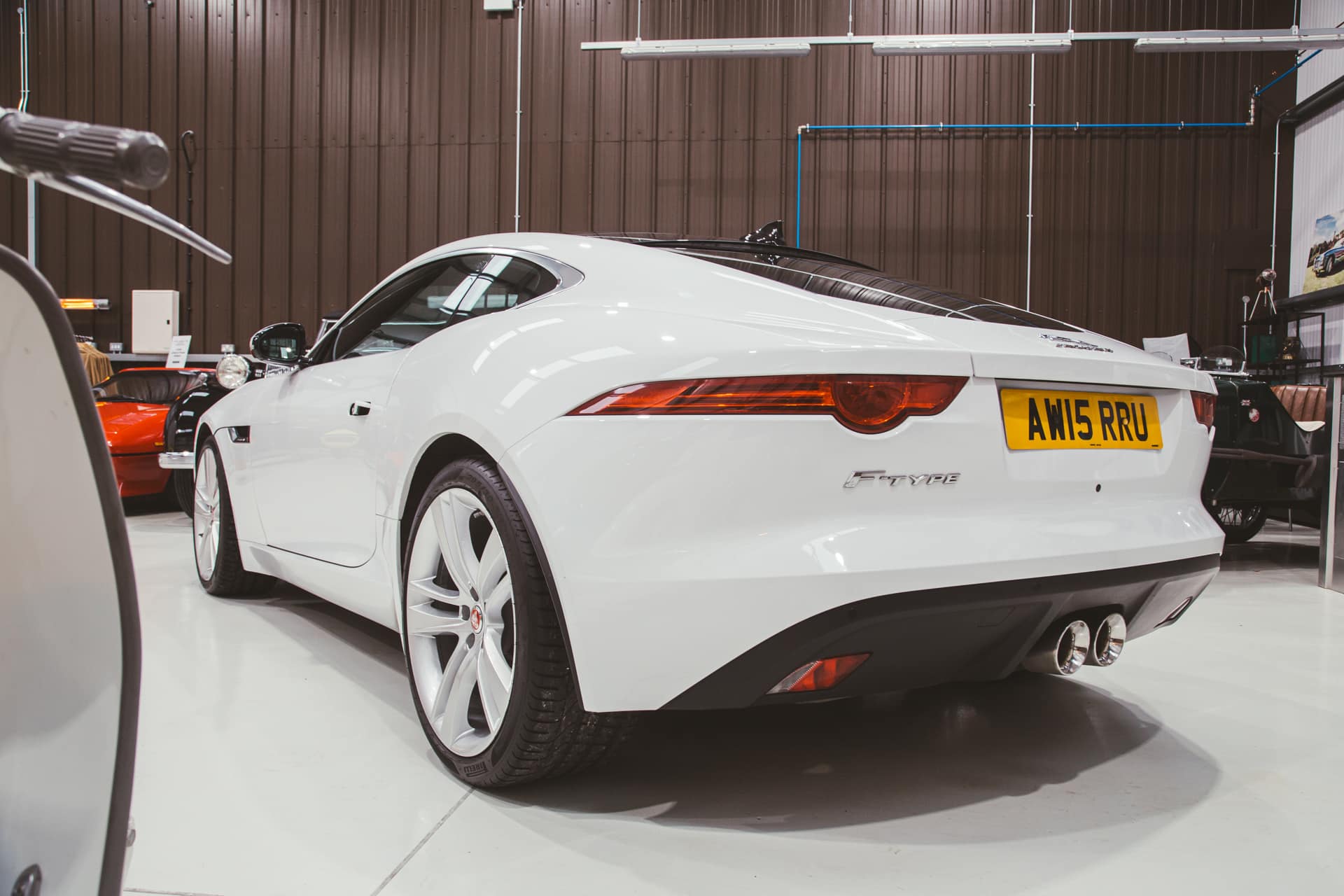
According to recent data from CarGurus, there are only 12 coupe models available to buy new across the UK’s 30 most popular manufacturers. To put that into perspective, in 2016, there were 36 available. That represents a 67% decline over the past decade. What seems to have happened as a result of that sharp drop is that the value of used coupes has started to increase.
The same research from CarGurus also found that used coupes are now the strongest-performing body style in terms of year-on-year price growth, rising by 11% while the wider used car market has remained relatively flat. By comparison, SUVs rose by just 1.8%, while hatchbacks actually declined slightly. Within that, some specific models have seen bigger increases, too. Cars like the Jaguar F-Type (16% increase), Porsche 911 (14% increase), and Audi TT (4% increase) have all seen notable rises in value.
Many people would look at this data and come to the conclusion that it is simply a supply and demand situation; fewer new coupes means increased demand for used examples. However, I think it’s not quite as straightforward as that.
Has The Enthusiast Car Era Ended?
Over the last decade, manufacturers have understandably focused on SUVs, crossovers, electrification, and high-volume platforms. These are the cars that sell in large numbers and meet increasingly strict emissions regulations. The downside of this is that a lot of enthusiast-focused cars have quietly disappeared in the process.
For example, the loss of the Audi TT is important because it represented one of the few genuinely design-led sports cars left in the mainstream market. The end of the Jaguar F-Type represented the end of Jaguar’s traditional petrol sports car lineage. Even brands like Porsche have simplified their coupe range significantly, with the 911 now its only remaining traditional coupe model, so, as these cars continue to disappear, they start to be seen less as used cars, but more as the traditional “modern classic”.
This isn’t the first time this has happened. Go back a little while, and air-cooled Porsches were seen as old sports cars. Manual BMW M cars were once plentiful and relatively affordable. Japanese performance icons from the 1990s were once inexpensive second-hand cars. Then supply dried up, tastes changed, and enthusiasts realised those driving experiences were never going to be repeated. That same thing now seems to be happening to many modern coupes.
Enthusiast Cars Still Matter
One of the reasons coupes continue to appeal to enthusiasts is that they prioritise driving experience and emotion over practicality. Modern vehicles are better than ever in many measurable ways. They are safer, more efficient, more technologically advanced, and more refined. But many drivers would argue they have also become increasingly similar.
When you look at coupes, though, they tend to be lower, lighter, louder, and usually designed with character at the top of the priority list. All of the cars I mentioned above were designed to make driving feel special, and that is becoming much rarer nowadays.
That doesn’t mean every coupe will suddenly become collectable. However, the cars with genuine character, strong design identity, engaging driving dynamics, and links to disappearing technologies such as manual gearboxes or naturally aspirated engines are already beginning to separate themselves from the wider used market.
An Industry-Wide Shift
In the classic car world, this growing appreciation for analogue driving experiences is also changing the look of the classic car market.
Enthusiasts are increasingly looking to preserve not just classic cars from the 1950s or 1960s, but important modern performance cars too. Vehicles from the 1990s, 2000s, and even the early 2010s are now being viewed as cars worth saving. A lot of this is likely because they represent a period before full electrification, before technology dominated the driving experience, and before many manufacturers moved away from building niche enthusiast models altogether.
I should say that I don’t think this type of change is bad for the industry; I just think that it will help previously overlooked cars slowly turn into cars that more and more people are prepared to pay good money to own and preserve.
Ultimately, enthusiasts seem to be recognising the importance of preserving a type of car that may soon be a thing of the past.
Read more automotive industry news
| BRAND(UK’S 30 MOST POPULAR1 ) | NEW COUPES AVAILABLE IN 2016 | NEW COUPES AVAILABLE IN 2021 | NEW COUPES AVAILABLE IN 2026 |
| Audi | A5, TT, TTS, TT RS, R8 | A5, R8, RS5, S5, TT, TT RS, TTS | – |
| BMW | 2 Series, 4 Series, 6 Series, i8, M2, M4, M6 | 2 Series, 4 Series, 8 Series, Alpina B4 Gran Coupe, Alpina D4, M2, M4, M8 | 2 Series Coupe, 4 Series Coupe, 8 Series Coupe, M2, M4, i4 |
| Citroen | – | – | – |
| CUPRA | – | – | – |
| Dacia | – | – | – |
| Fiat | – | – | – |
| Ford | Mustang | GT, Mustang | Mustang |
| Honda | NSX | NSX | Prelude |
| Hyundai | Veloster | – | – |
| Jaguar* | F-Type | F-Type | – |
| Jeep | – | – | – |
| Kia | pro_cee’d | – | – |
| Land Rover | – | – | – |
| Lexus | RC, RC F, LC | LC 500, RC 300h, RCF | – |
| Mazda | – | – | – |
| Mercedes-Benz | C-Class Coupe, E-Class Coupe, S-Class Coupe, AMG GT, SLS | AMG GT, AMG GT 63, C Class Coupe, E Class Coupe, S Class Coupe | CLA Coupe, CLE Coupe, AMG GT |
| MG | – | – | – |
| MINI | MINI Coupe | – | – |
| Nissan | 370Z, GT-R | 370 Z, GT-R | – |
| Peugeot | RCZ | – | – |
| Porsche | Cayman, 911 | 718 Cayman, 911 | 911 |
| Renault | Megane Coupe | – | – |
| SEAT | Leon SC | – | – |
| Skoda | – | – | – |
| Suzuki | – | – | – |
| Tesla | – | – | – |
| Toyota | GT86 | GR86, Supra | – |
| Vauxhall | Astra GTC | – | – |
| Volkswagen | Scirocco | – | – |
| Volvo | – | – | – |
| TOTAL: | 36 | 33 | 12 |
*Sales of new models on hold until the second half of 2026
One response to “Used Coupes Are Rising in Value”
-
No Lotuses ?

Leave a Reply
You must be logged in to post a comment.