


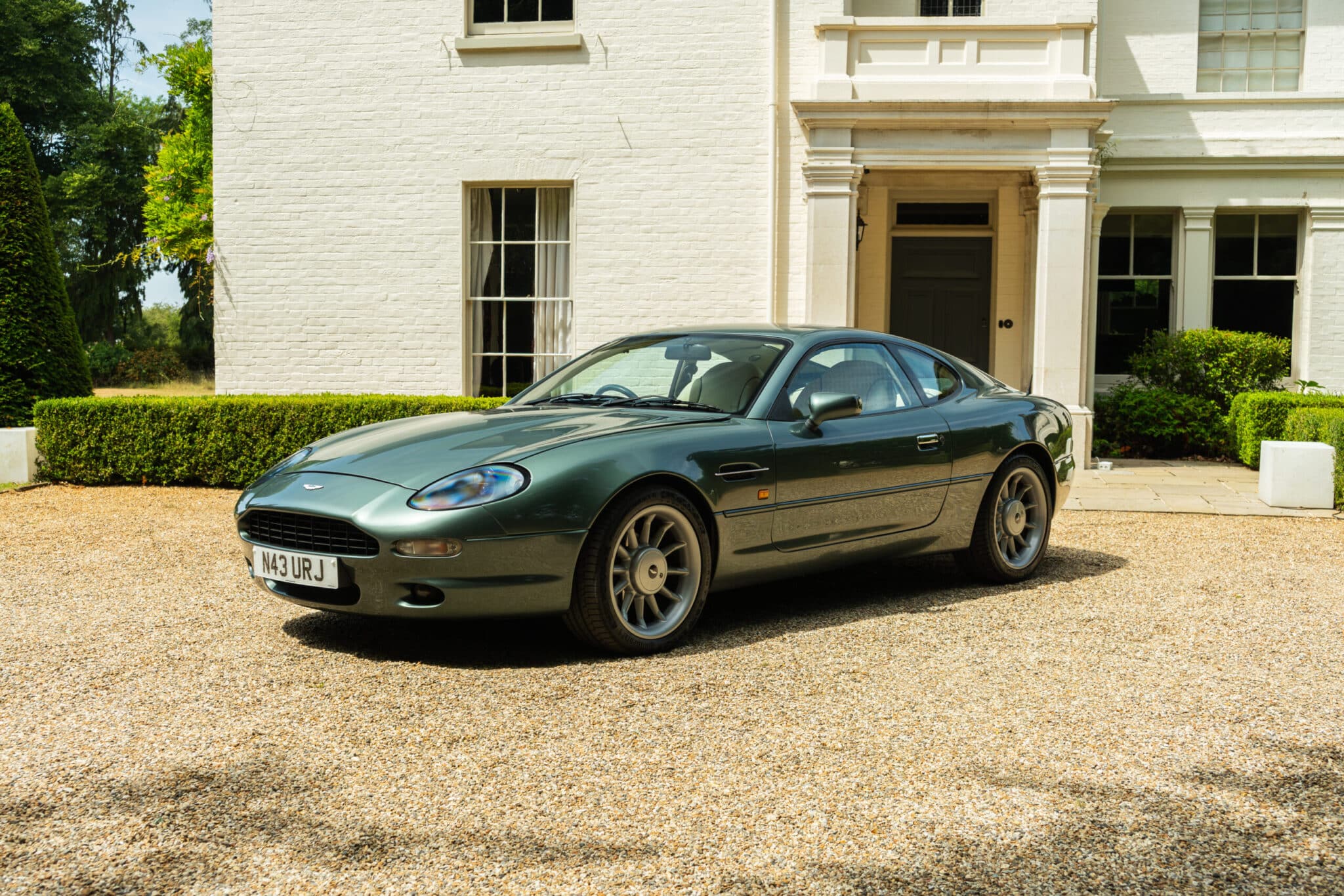
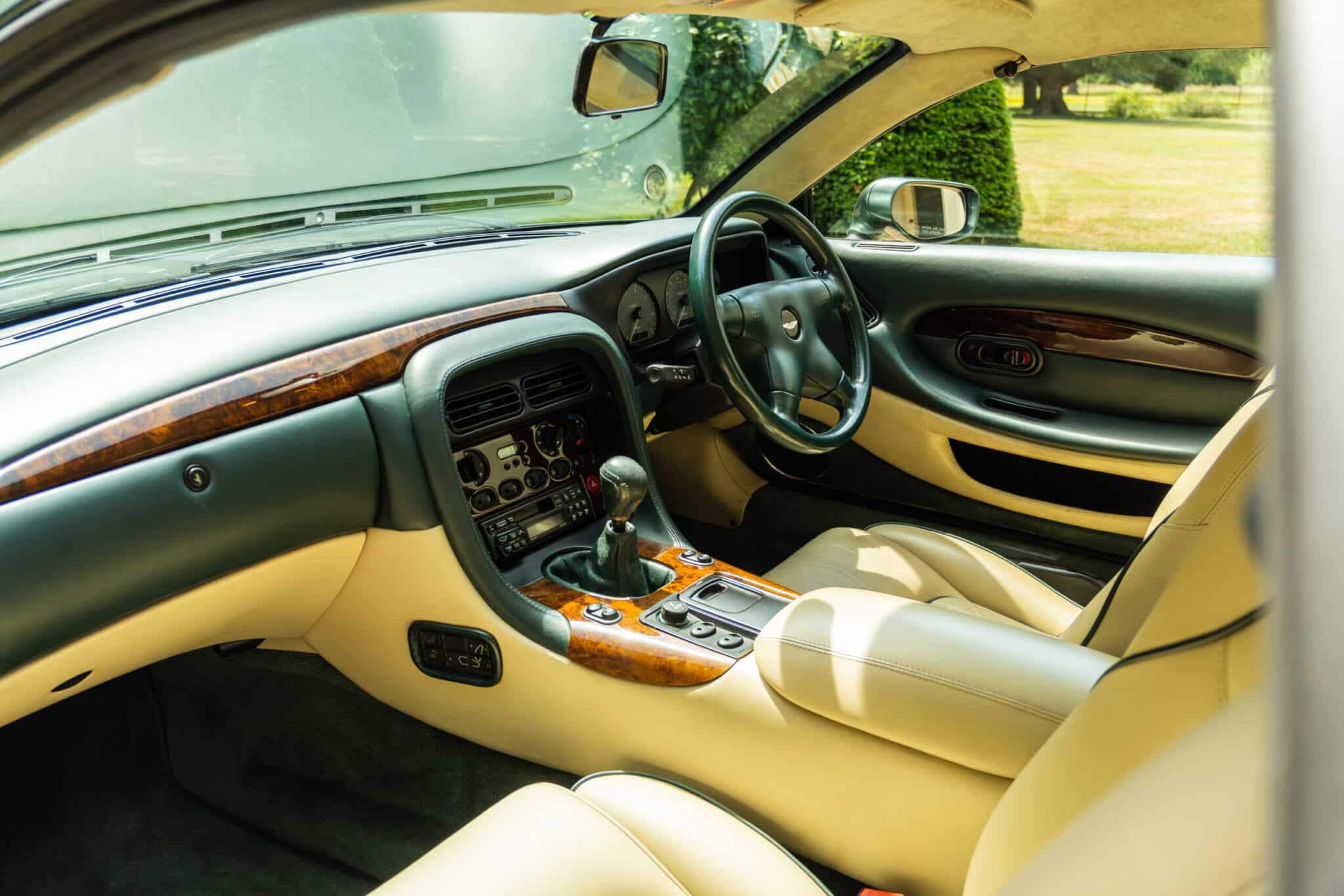
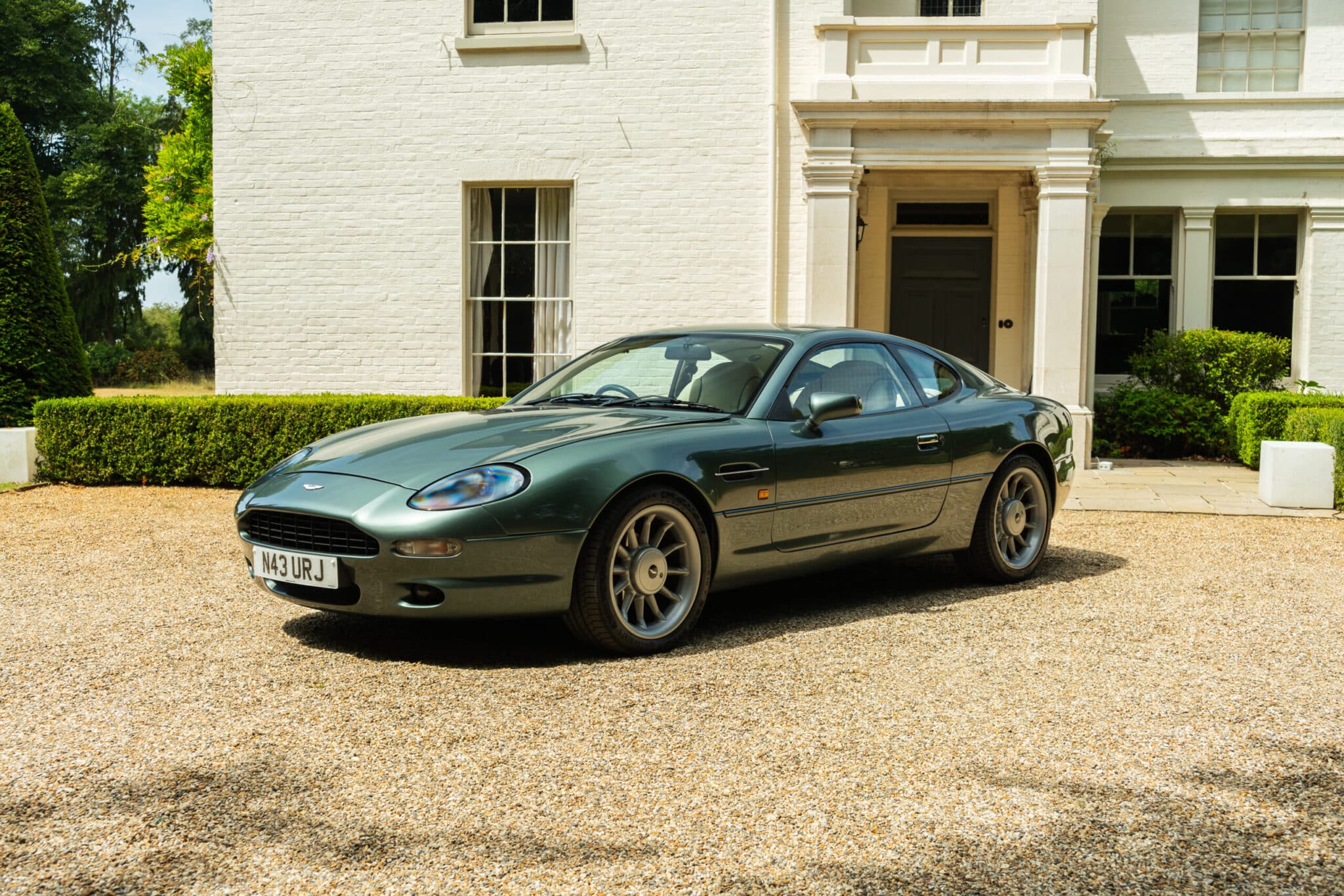
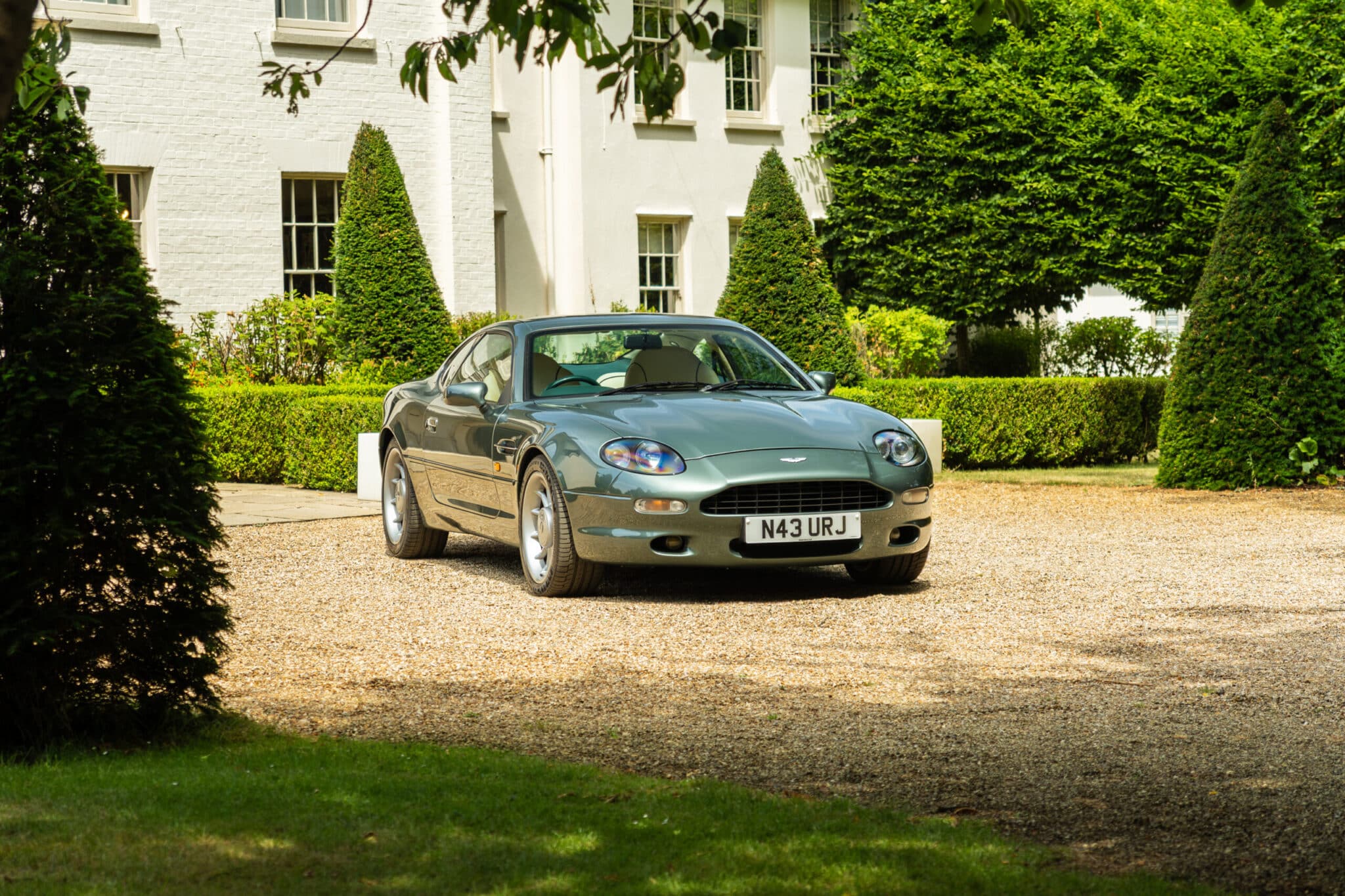
Our Aston Martin DB7, with chassis number SCFAA1117SK100278, was first registered in August 1995 and is an early, supercharged six-cylinder DB7 coupé fitted with the five-speed manual gearbox. It is finished in Chiltern Green, paired with a cream and dark-green leather interior, walnut trim and green carpeting.
An Aston Martin From A Turning Point For The Brand
By the beginning of the 1990s, Aston Martin’s traditional method of building small numbers of expensive, largely hand-finished cars was becoming increasingly difficult to sustain. The company needed a new model that could be produced in larger numbers and sold internationally. With Ford providing financial backing, the project that became the DB7 was developed under the internal code NPX, styled by Ian Callum and engineered with the involvement of Tom Walkinshaw Racing.
The finished car was revealed at the Geneva Motor Show in 1993, with production beginning the following year at a new Aston Martin facility at Bloxham in Oxfordshire. Essentially, the DB7 was an attempt to increase Aston Martin’s appeal and establish a commercially sustainable future for the company.
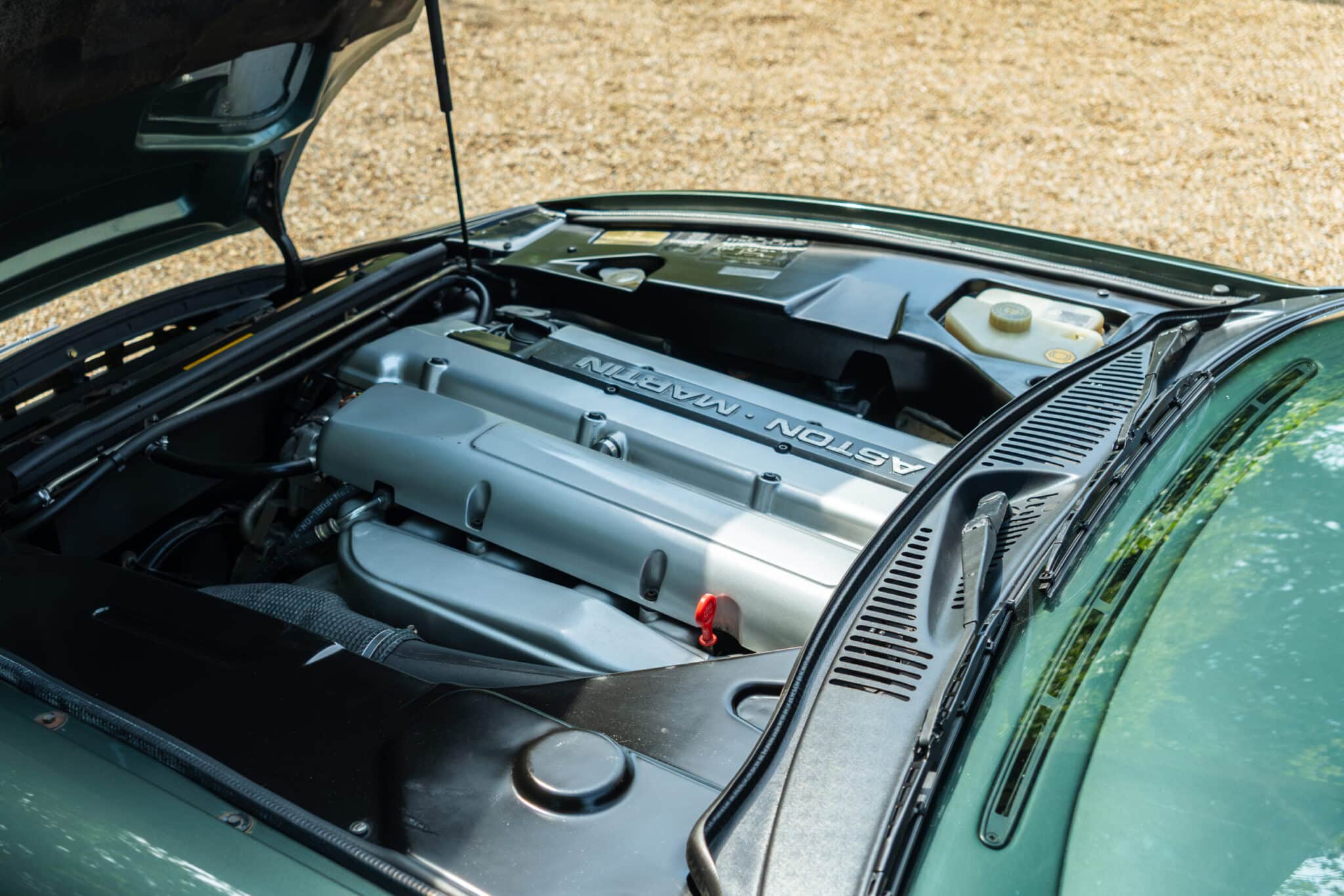
The early DB7 used a 3,228cc, twin-cam straight-six developed by TWR and fitted with an Eaton supercharger. Aston Martin’s published specifications list a top speed of 165mph, a five-speed manual or four-speed automatic gearbox, and a 0-60mph time of around 5.8 seconds.
An Early Manual Coupé
Our car was built during the DB7’s first full year of production. Its early date places it close to the beginning of the model’s run, before the arrival of the Volante and several years before the V12-powered DB7 Vantage.
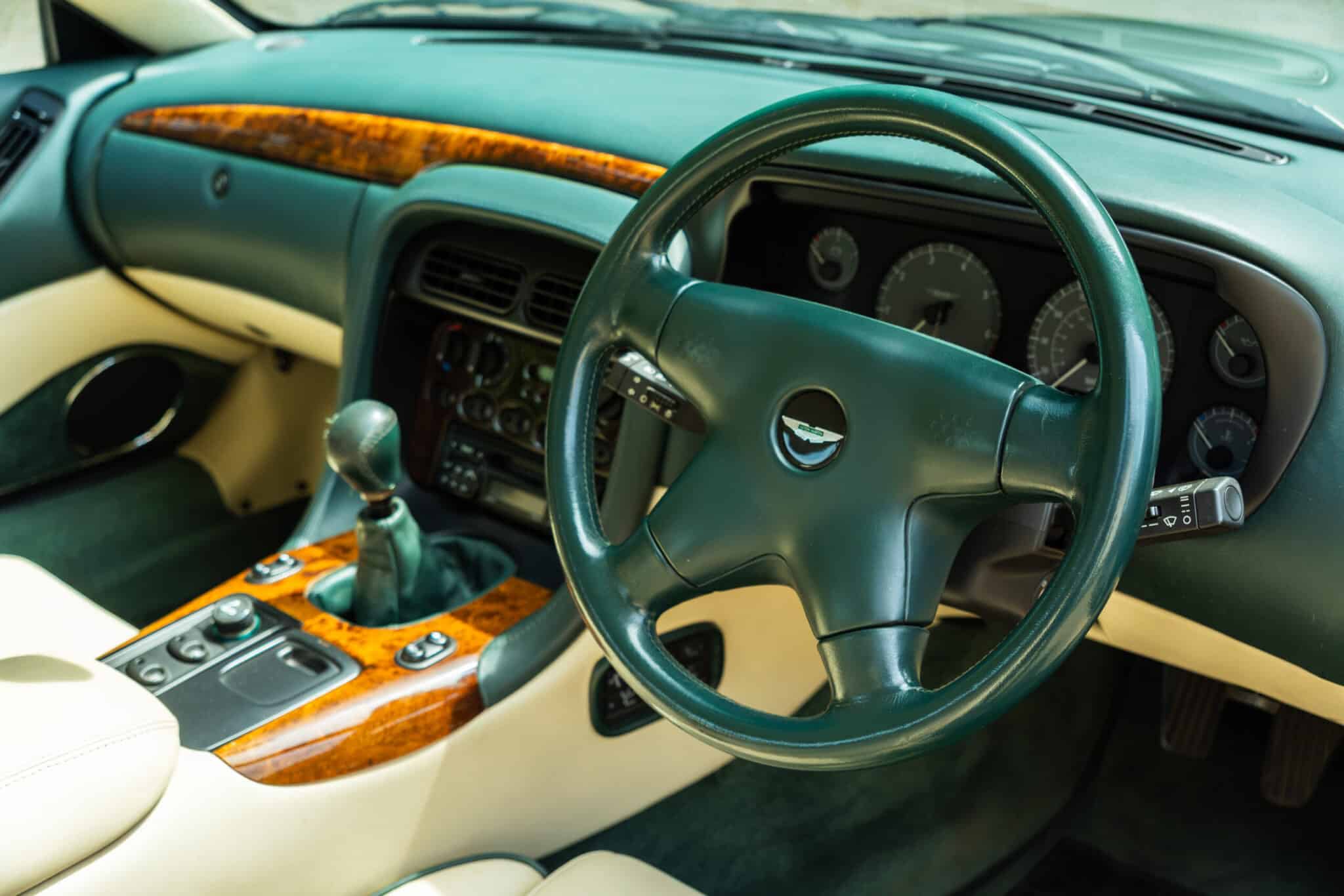
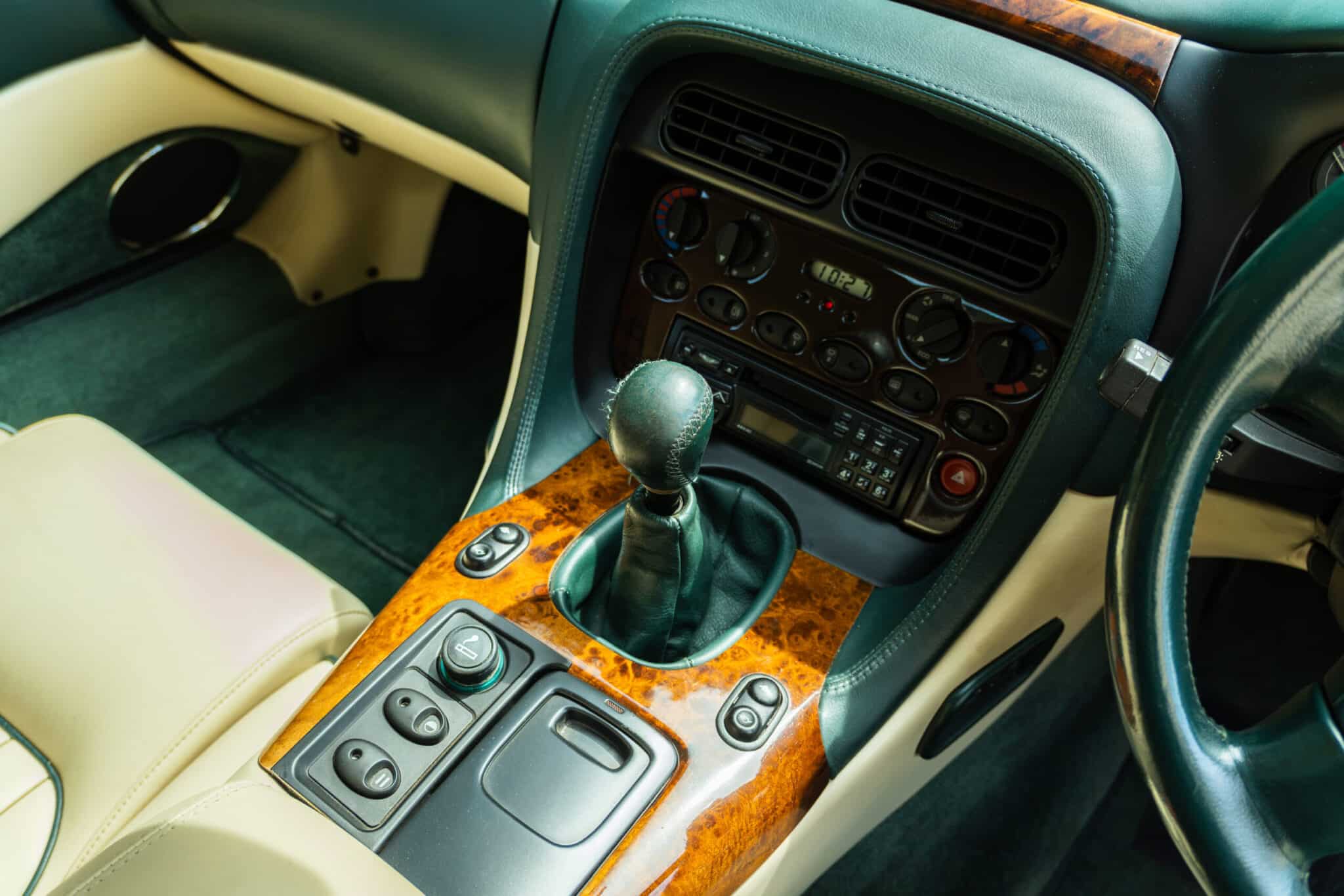
The manual gearbox is an important feature. Both manual and automatic gearboxes were offered, but the five-speed manual certainly suited the relatively simple specification of an early DB7, before later versions became more powerful, heavier and increasingly complex.
Chiltern Green
Chiltern Green is particularly appropriate for an early example like this, as this was one of the principal launch colours used for the DB7 model.
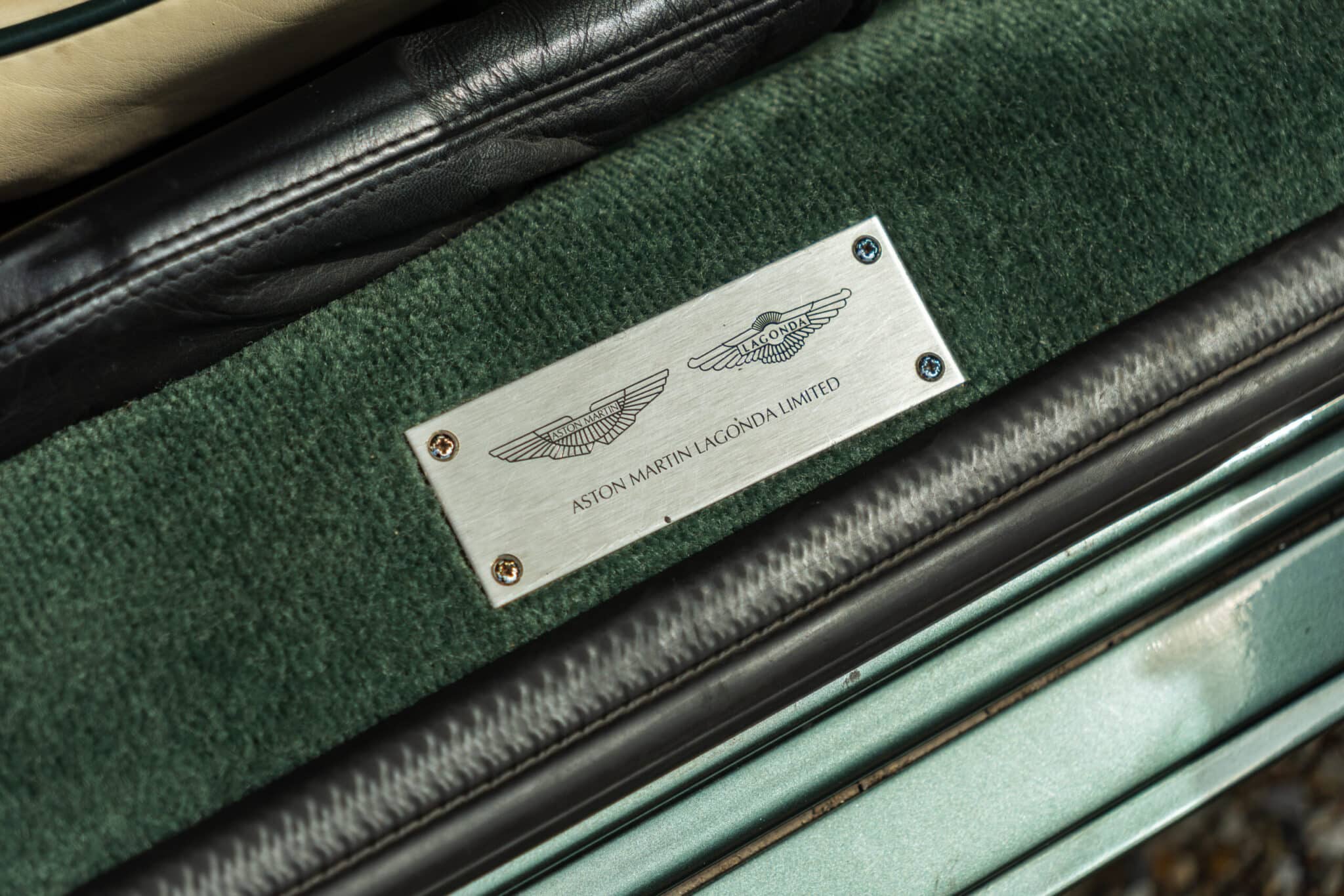
Inside, the cream leather is contrasted by a dark-green dashboard, steering wheel, piping and carpets, with walnut veneer across the fascia and centre console. Interestingly, the original Aston Martin-branded radio-cassette is still fitted, as is the factory steering wheel, switchgear, gear lever and multi-spoke alloy wheels.
One Family’s Car
Our DB7 was supplied new under a leasing arrangement to the person who would continue using it for almost its entire life. At the end of the lease, he purchased the car outright. The registration record shows three keepers – the leasing company, the husband and his wife. Effectively, this is a single-owner car because it remained within the same household for its whole life before us.
What Makes Our DB7 Special?
This is an early example of one of the most significant models in Aston Martin’s modern history. It has the supercharged straight-six and manual gearbox that define the original DB7 concept, rather than the later V12 configuration. It still has its launch-era Chiltern Green colour, original wheels, period radio-cassette and much of its factory interior.
It’s covered just over 61,000 miles, has had localised corrosion treated and has had attention to its brakes, gearbox mounting, cooling controls and ancillary systems. It is a very original example, and that is obviously getting harder and harder to find.
You can win our 1995 Aston Martin DB7.
Leave a Reply
You must be logged in to post a comment.