


The Dakar Rally is one of the toughest and most challenging races in the world.
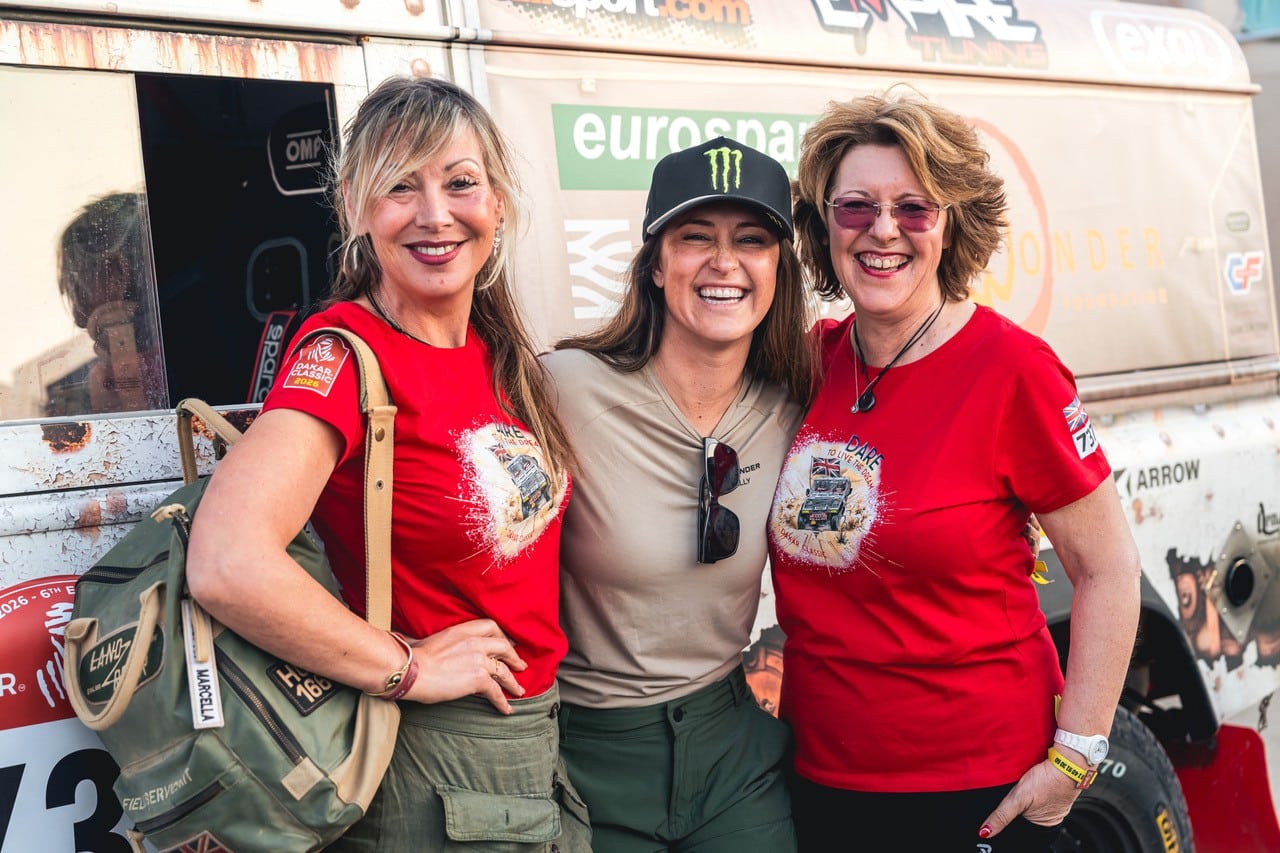
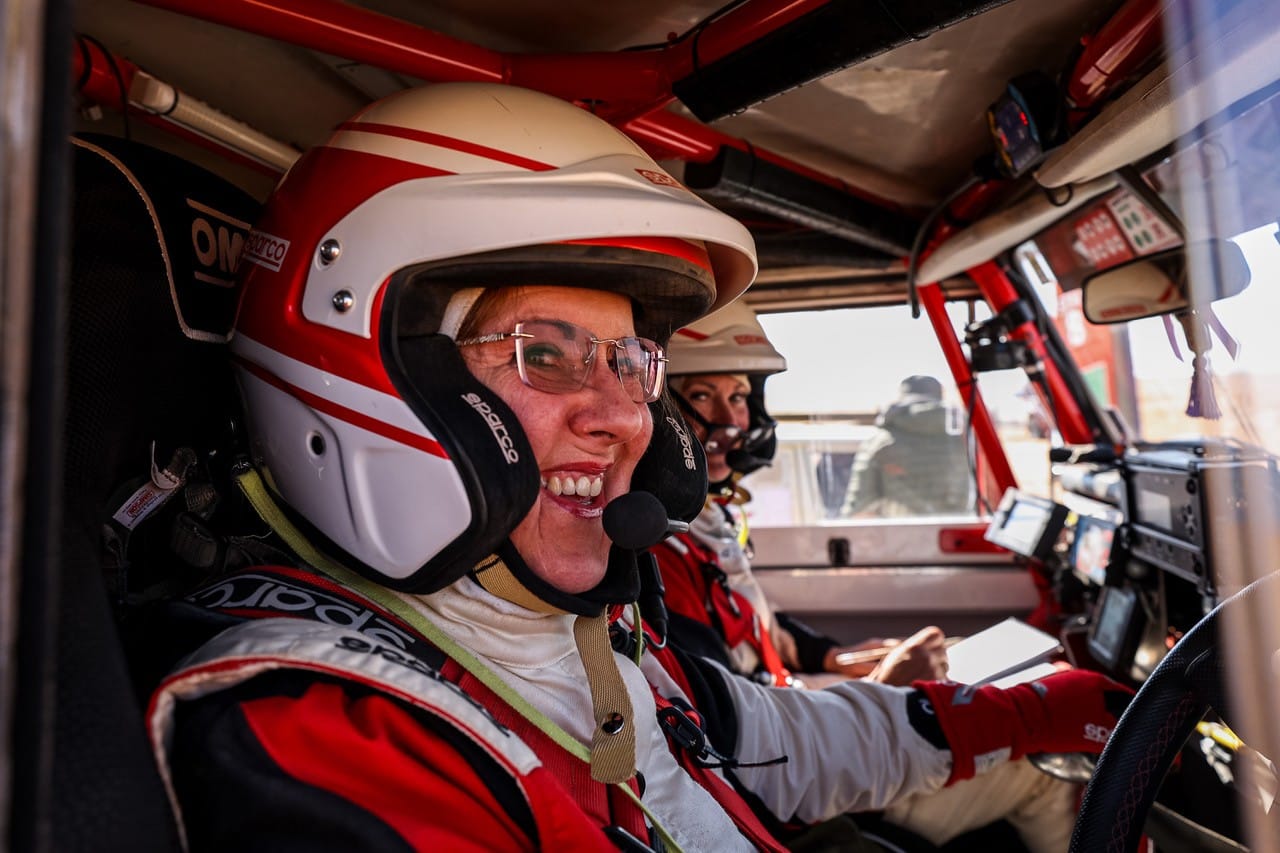
Recently, Helen Tait Wright was part of the first all-female British team to complete the almost 5000-mile race in Saudi Arabia. Along with her navigator, Marcella Kirk, Helen completed the journey in a 1988 Land Rover 110.
I recently had a conversation with Helen about her incredible achievement, and this is how our conversation went:
You’ve been in the news recently for completing the Dakar Rally. However, your love of cars seems to go back much further than that, to very early in your life. Where did that love come from?
I don’t honestly know. I’ve loved cars since I was little. I guess my Dad likes cars, and I grew up on a farm surrounded by machinery, but more than that, I don’t have any explanation for why cars are my thing, they just are!
When I was little, in the marketplace in Saxmundham, there used to be a shop which had a Matchbox display unit in the window, and I would pick the next car that I wanted to add to my collection and save my pocket money for it. Both I and the cars are just bigger now!
Your friendship with your teammate, Marcella Kirk, started from a near miss on a road in France. Did you ever imagine it would eventually lead to competing in Dakar together?
Not at all!
Our 21-year bond is more than friendship, it is forged from facing huge life challenges together and working out how to survive them, and come out smiling. We have literally faced everything together, from births to deaths and everything in between.
Marcella’s son Sam used to share some of my motoring adventures with me back then, but motorsport wasn’t on mine and Marcella’s collective radar. But we are a great team, and we love a challenge or adventure, so although I started competing without her, I suppose it was inevitable that sooner or later we would compete together.
Marcella is no stranger to competition, but on horseback, so she is great under pressure, and we complement each other perfectly.
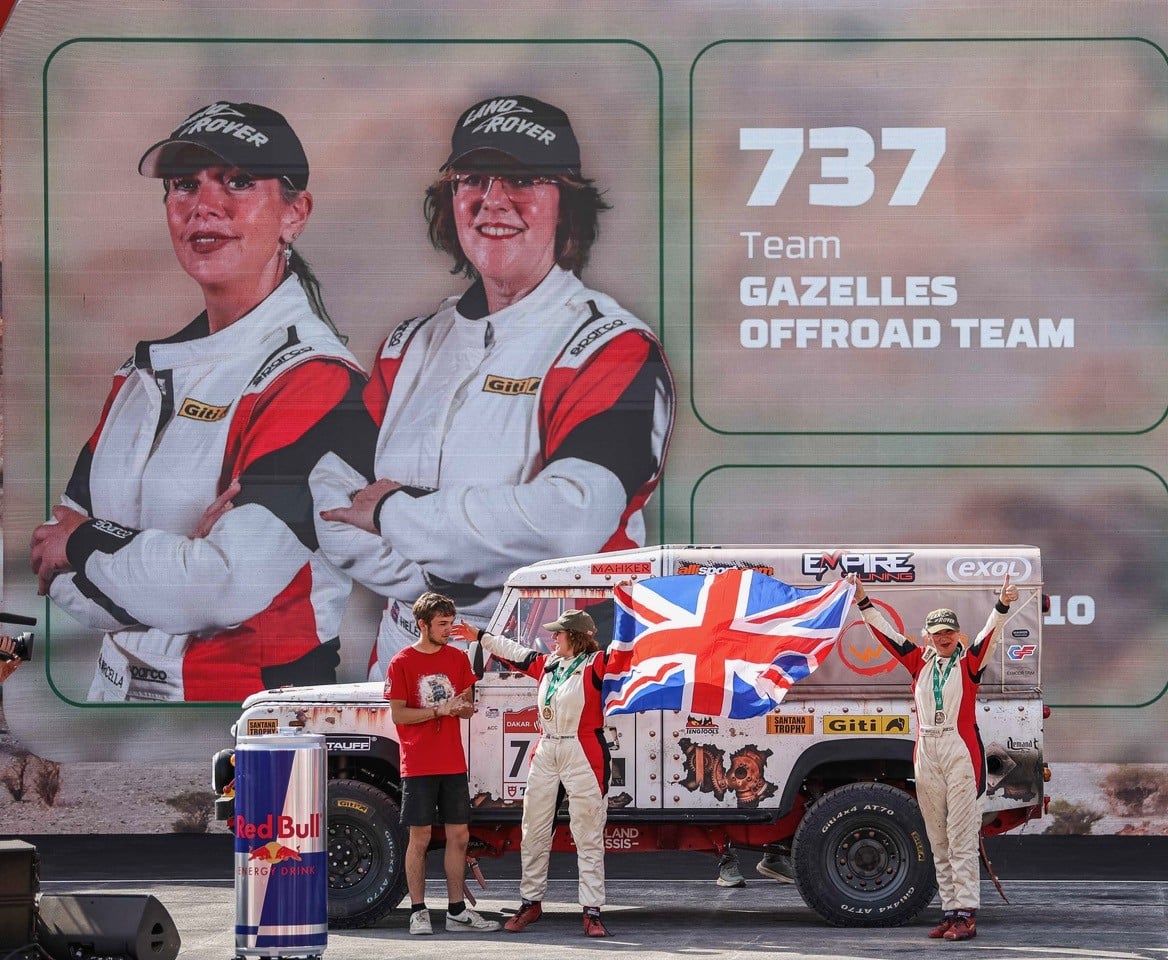
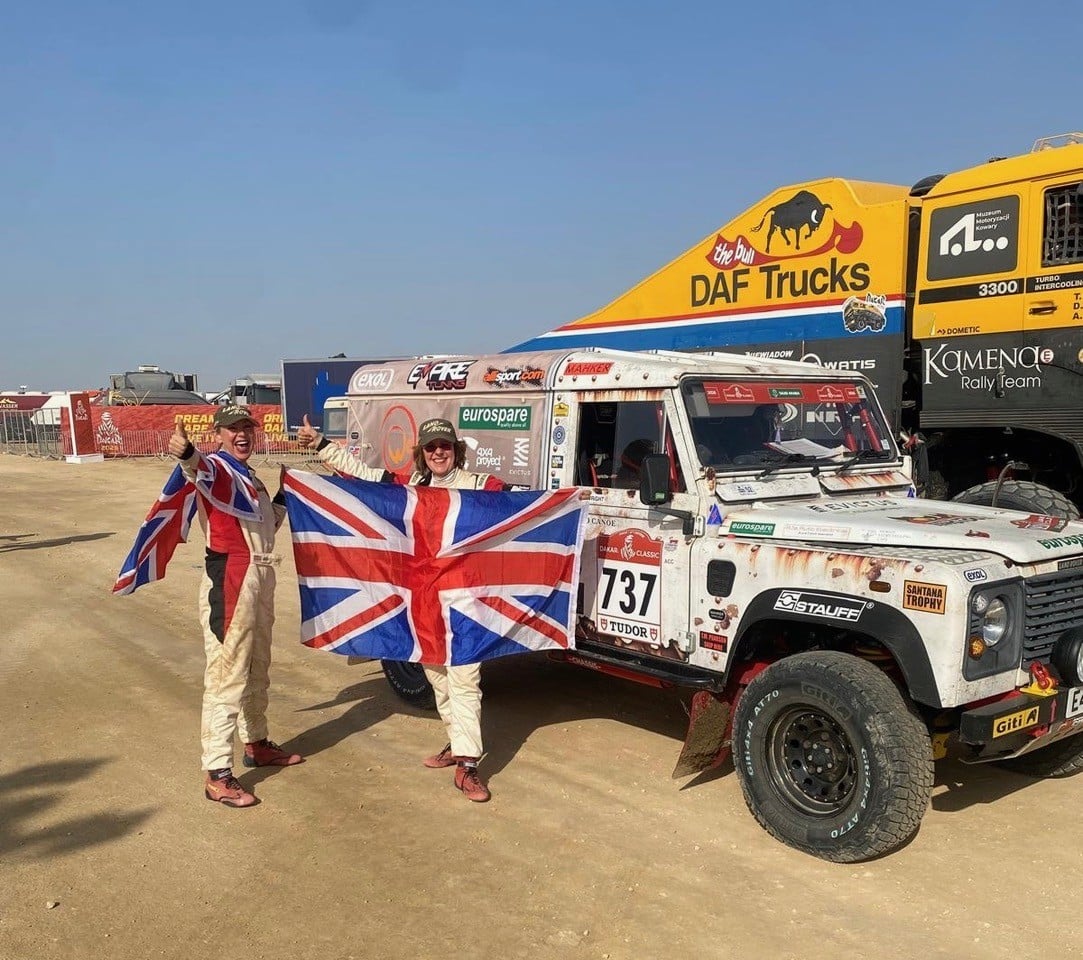
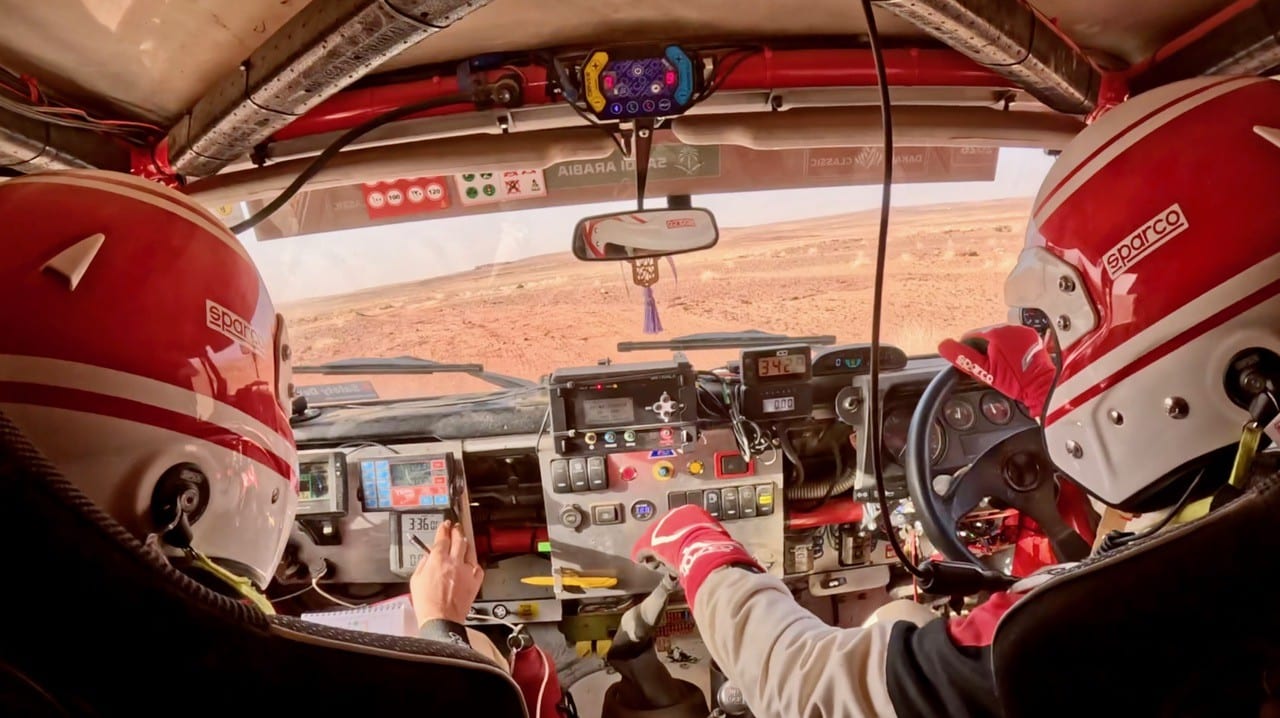
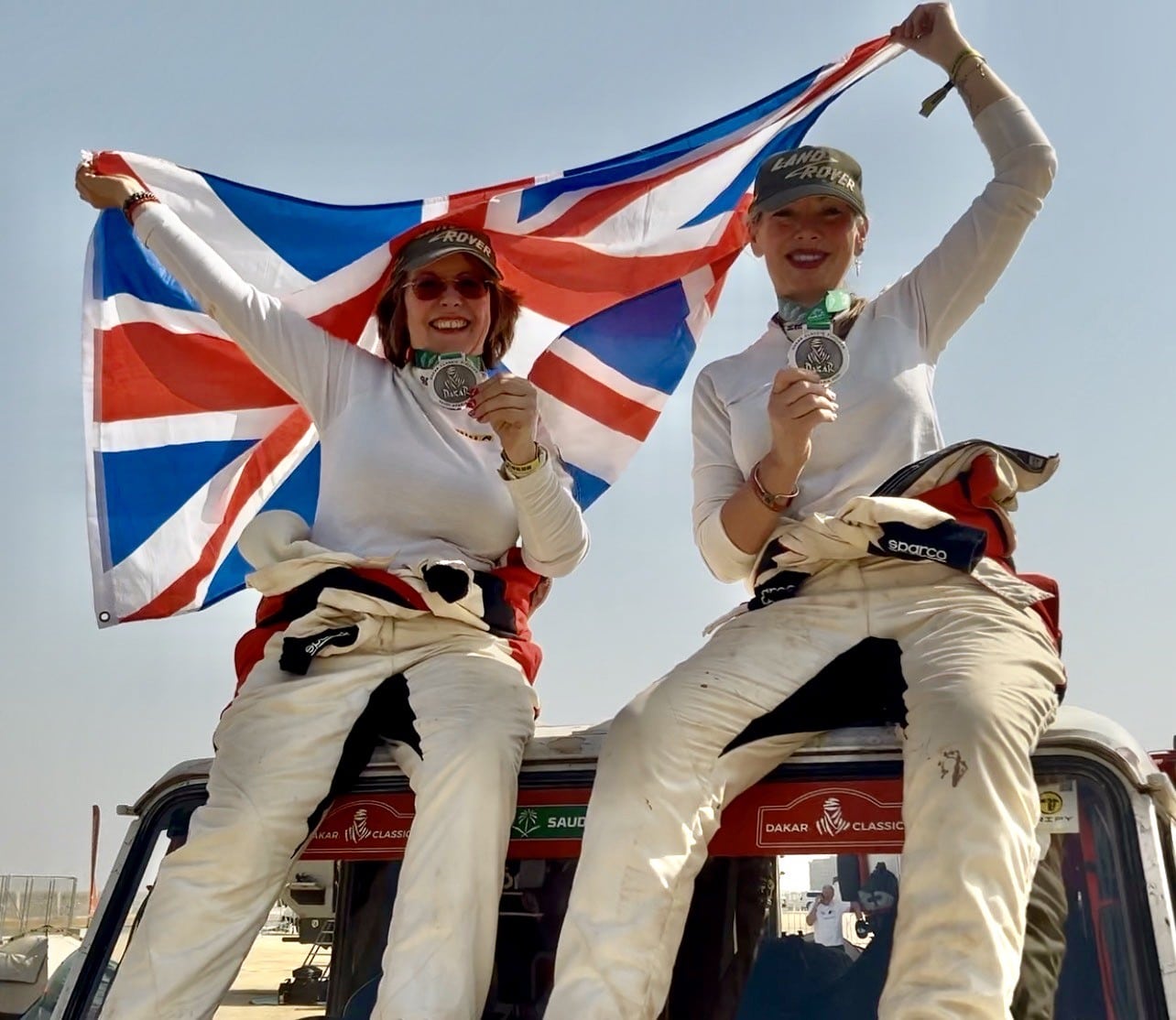
Obviously, the Dakar Rally is known for being one of the toughest endurance races out there. How would you describe what it’s like to actually be in it, competing?
That’s a really difficult thing to describe actually.
Firstly, there is the bivouac, which is like nothing else. It is essentially a mobile town which sustaines the Dakar circus for the 3 weeks. It has “streets” and a main square, catering, showers, toilets, medical and media facilities, everything really, and it becomes your world.
It never sleeps. Whatever time of the day or night you are there, there is always something going on. And everyone there is there for one thing. Dakar.
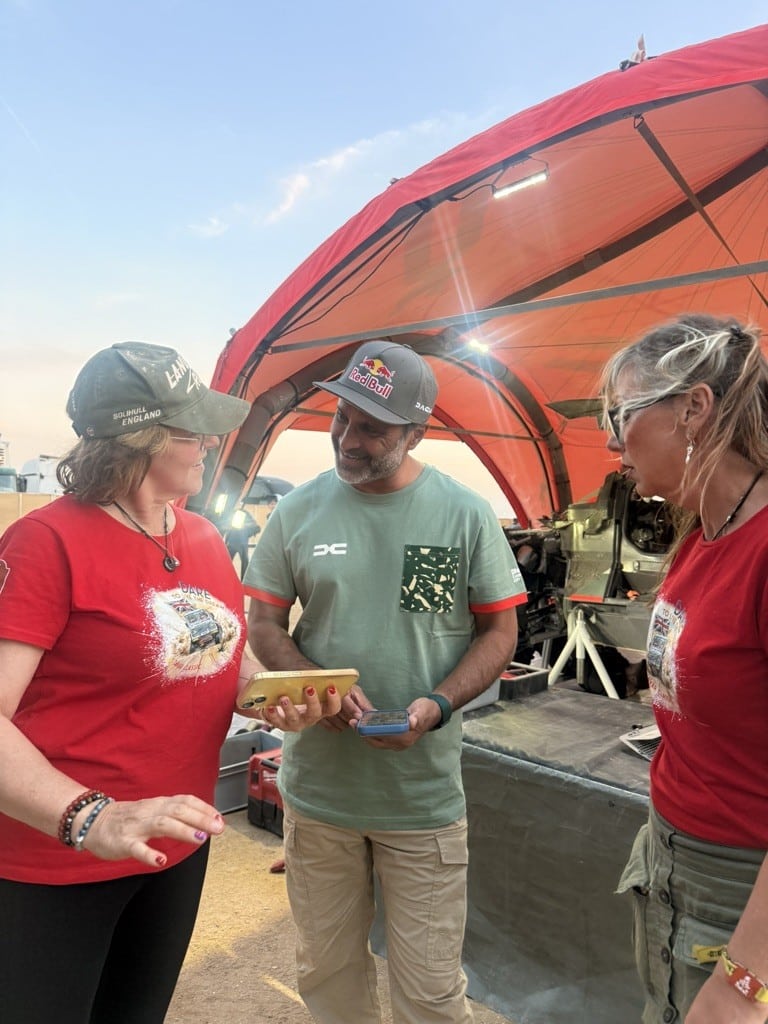
As Marcella said, we found our tribe there. It doesn’t matter if you are Nasser Al Attiyah or little old us, we have the same goal, and everyone supports each other. The atmosphere is incredible, there are no egos, we are facing the greatest rally challenge on earth together. We share the ups and downs, we laugh and cry together.
Once we leave the bivouac and head out to the stages, we are essentially by ourselves. Just us, our car and the stunning and surreal desert landscapes.
Our route and our fate is governed by the road book that guides us through the day. We have to work together to survive the heat, the dust, the extreme fatigue, the challenging terrain, navigation, regularity, the sand, the rocks, punctures, the physical punishment, and so much more, and then we eat, sleep and do it all over again.
There is some solidarity out on the stage; if someone is in trouble, competitors help each other out if they can, but for large parts of the day, you are by yourself.
Dakar is relentless. You get used to the noise, the rhythm, the lack of sleep, you lose track of what day it is, you are in the bubble, and the outside world doesn’t exist.
The desert makes you confront yourself in a way nothing else can. There is nowhere to hide. You become very aware of your insignificance, but you also find your strength.
The biggest Dakar challenge is with yourself.
It was the hardest thing I’ve ever done, but also the best.
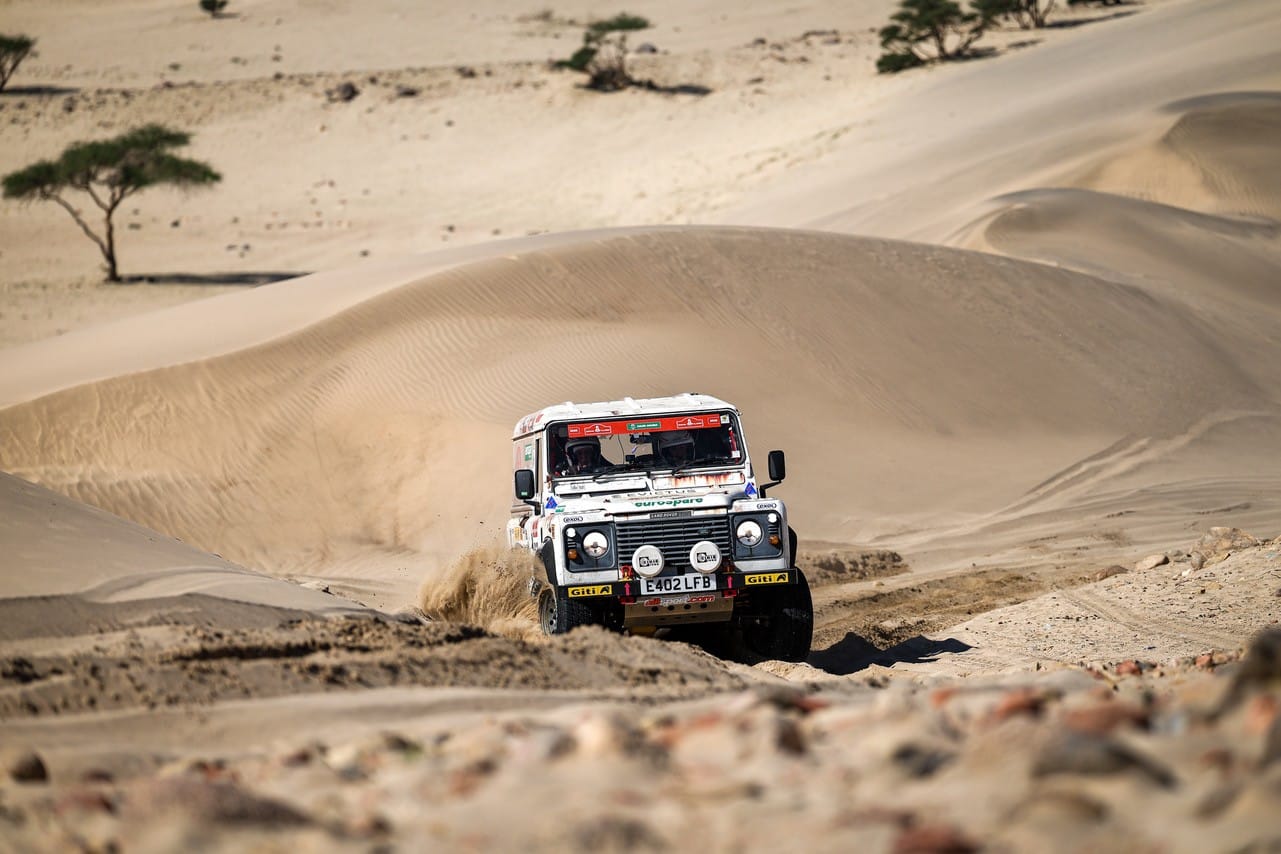
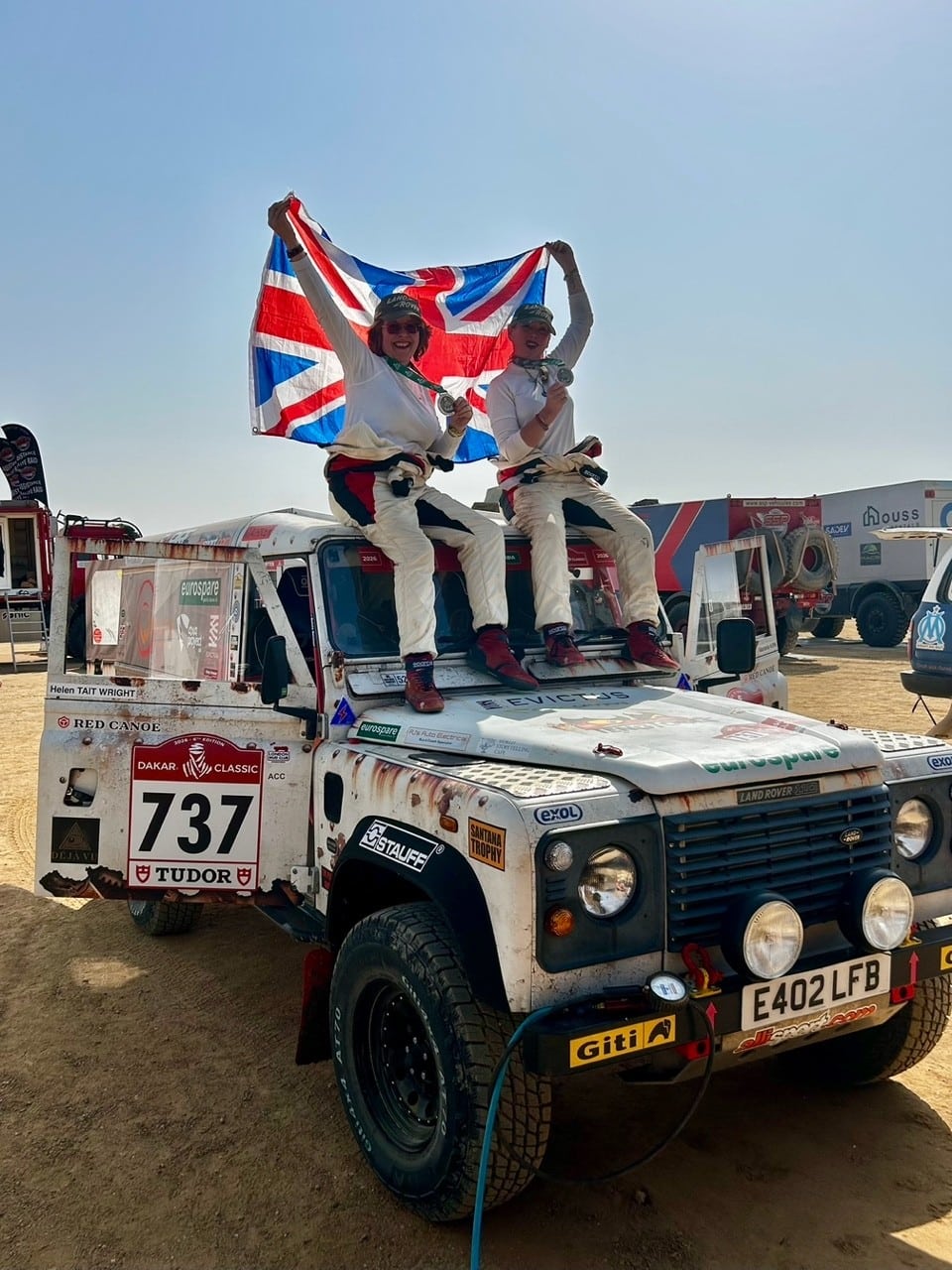
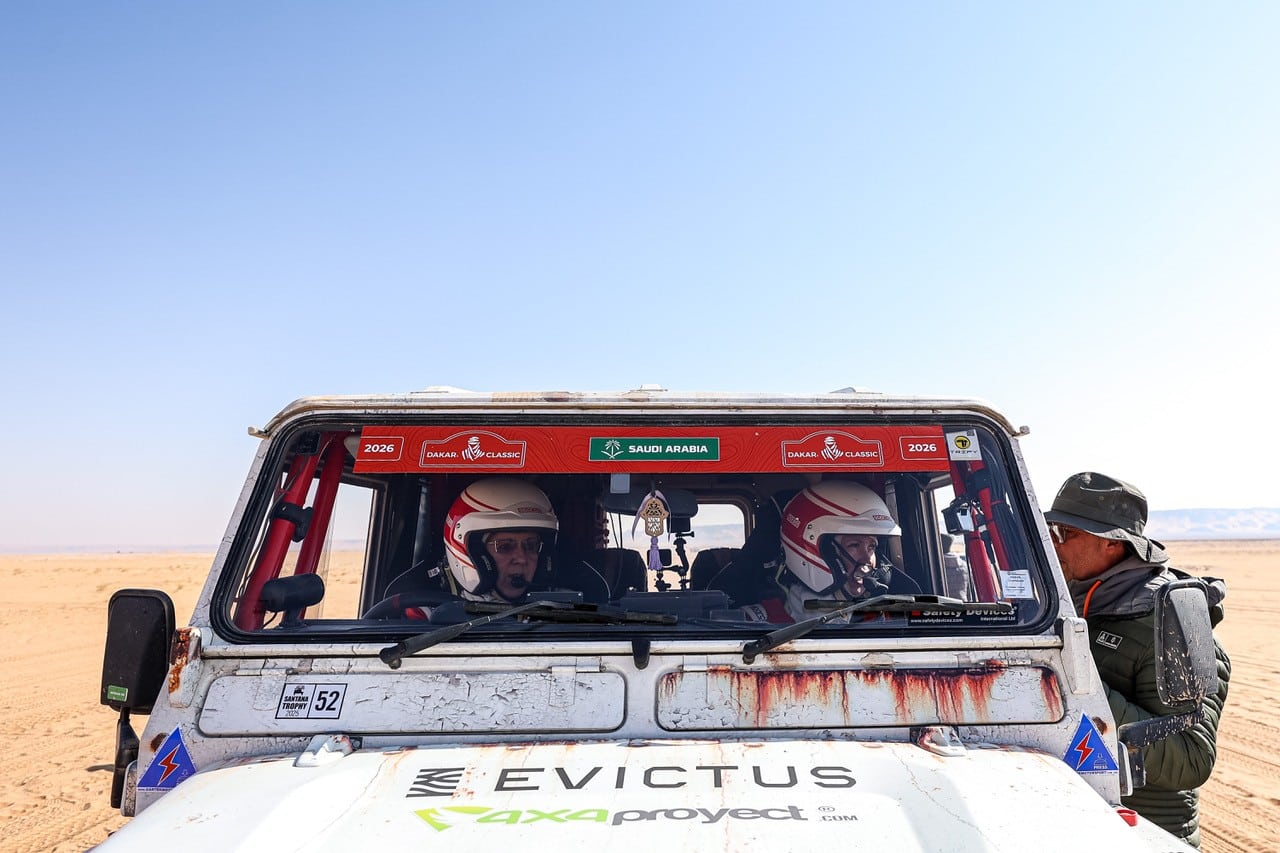
You drove a 1988 Land Rover 110. What were the biggest challenges in transforming a classic Land Rover into something capable of completing the Dakar Rally?
The event is governed by FIA rules, so we decided that the easiest (and I don’t mean that it actually was easy) way to do it was to start from scratch and build the car to the rules.
So we bought a donor car on eBay to give us some essential age-related components, and then got a new chassis to start the Dakar build on. We sourced as much as we could second-hand and worked methodically, referring all the time to the rule book.
A classic Defender is effectively just a big Meccano kit, so not too difficult to put together, but specialist items like the roll cage needed help from the professionals.
Safety Devices in Mildenhall agreed to join the project and created a totally bespoke cage built around us. The electrical side of making the car run was probably our biggest single challenge from the build, and to be honest, we still haven’t got that right.
The other challenges came from our inexperience and the timescale.
Did anything surprise you about your Defender during the rally?
Firstly, technically, she isn’t a Defender as the Defender name didn’t arrive until 1990, so she is a Land Rover 110.
But I can’t think of anything specific that surprised us.
Our build ethos was very much that Land Rover built their products to withstand the harshest conditions in the world, so logically, standard components should be capable of doing the job, and we have proved that they are.
I suppose if anything was surprising to other people, it was that we had practically no mechanical failures with standard components and relatively little modification.
You had your double tyre blowout towards the end of the rally. Were there any moments when you thought you might not be able to finish?
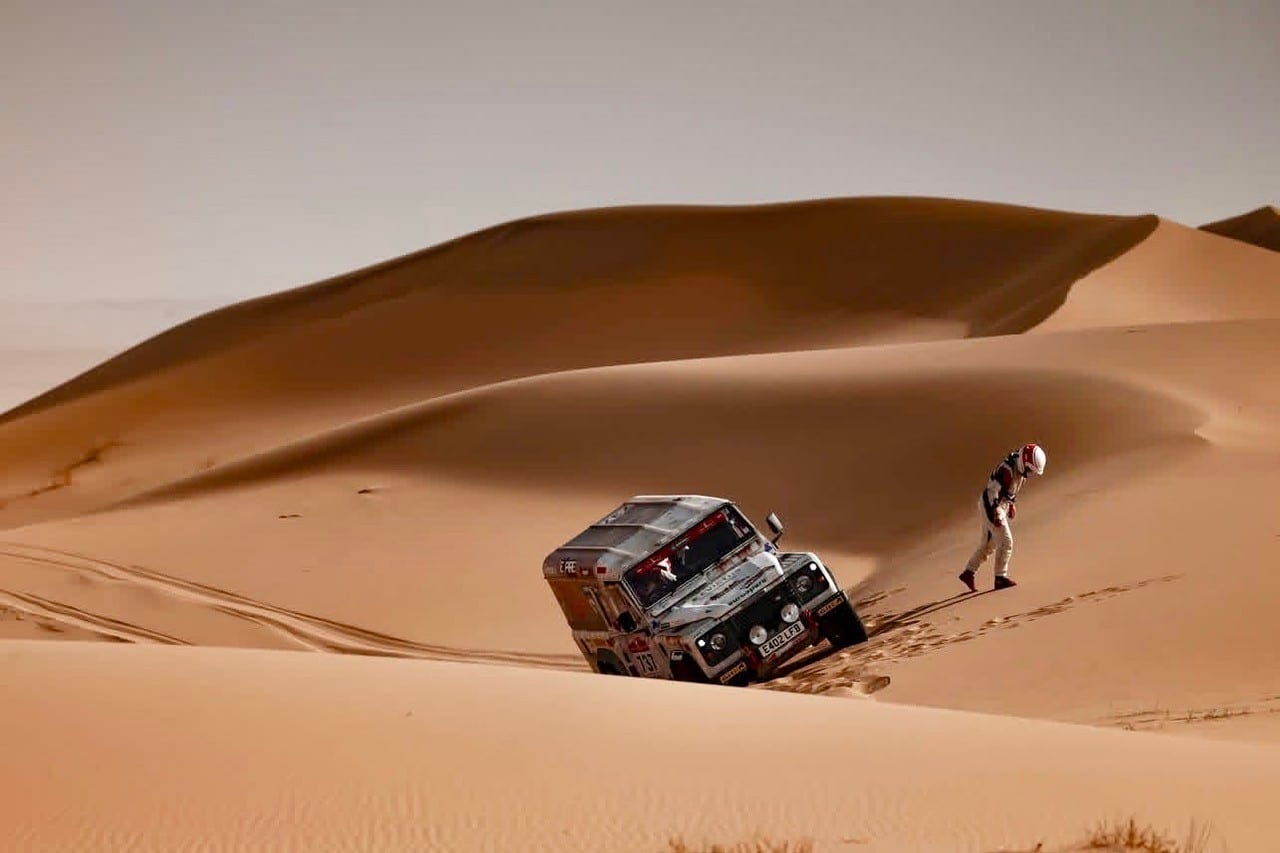
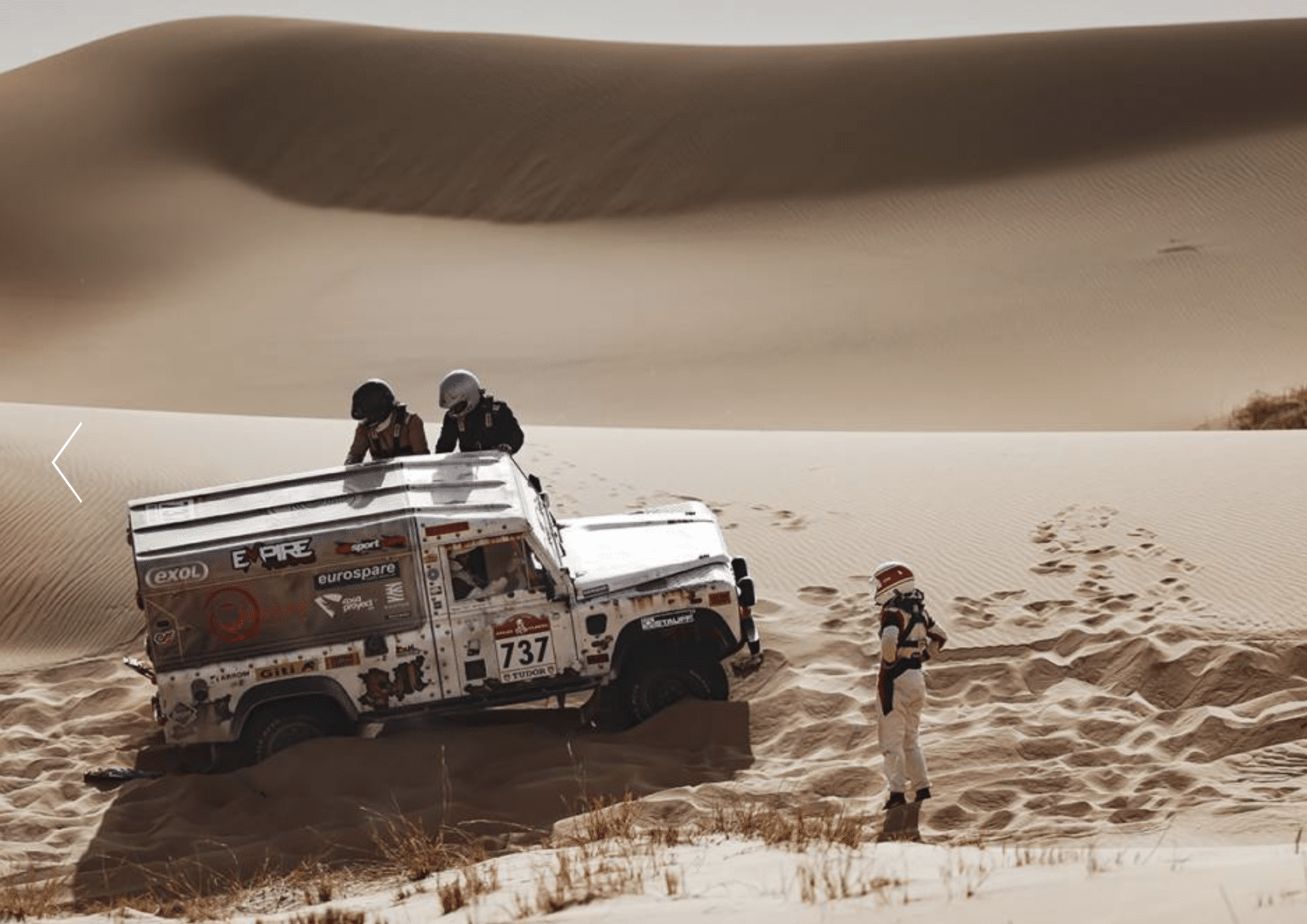
That was really the only moment we thought we might not get there. It wasn’t the double puncture as such, it was the fact that we couldn’t get the car jacked up to change the wheels, and then when eventually the new wheels were on, we realised we had knocked the tracking way way out, and we literally had to nurse the car through the rest of the stage.
We knew we had no more spare wheels, and we couldn’t afford any mistakes.
I think Marcella’s comment, “I’ve never clenched so much in all my life”, really sums it up.
We had battled infected spider bites, allergic reactions, gastro, colds and all manner of physical discomfort to get to the last stage, irrespective of the car issues, and there was definitely a moment by the side of that course on the final stage when we questioned if we could make it to the finish line.
But really, if we had had to push the car to the finish, we would have got there.
If someone wants to do the Dakar Rally, what would you say to them?
If it is your dream, go for it and make it happen, but be very honest with yourself about how much you are prepared to give up to get there, because it won’t be easy. It is expensive. Finding funding (unless you have loads of money and can just write a cheque for everything) will be hard.
It is physically, mentally and emotionally tiring but also the most rewarding thing you will have ever done.
There is no way you can fully prepare for a desert endurance rally because there is no script. No one can tell you what will happen because literally anything can happen, so you have to be willing to deal with it as it comes.
Leave your ego at home.
Probably the most important thing is that you have the right teammate because you will be spending a lot of time together in an extremely stressful situation, and cracks will show very quickly if you are not rock solid together.
How did you feel when you crossed the finish line? Did it sink in straight away what you had achieved, or did that come later?
Very emotional, but also a bit numb. It was very surreal. The whole thing was surreal. Very proud of us, though, because not only did we get there, but we did it in a car that Chris, my husband, and I very literally built in our shed. (You can watch the entire build on YouTube @ProjectPurdey110 )
The fact that we are the first British Female team to finish Dakar in any category still seems crazy. For us, it was Helen and Marcella’s big adventure.
But before we actually got up on the finish podium, we were already wondering how we could get back!
What’s next? Is there another challenge like this on the cards?
We are now working towards going to compete at Rallye du Maroc Classic at the end of September.
This is another round of the WRRC, and for the first time in 2026, they are adding a Classic category, which will be run under exactly the same rules as Dakar Classic.
We have changes to make and new ideas to test, but our ultimate goal is to be back at Dakar in 2028, which will be the 50th edition.
After that, who knows? We’ve talked about other crazy stuff, notably Peking – Paris, but that’s a conversation for another day!
Enjoyed Talking Classics With Helen Tait Wright?
Take a look at the entire Talking Classics series for more interviews with other influential people.
Leave a Reply
You must be logged in to post a comment.