


We run our classic cars on sustainable fuel...
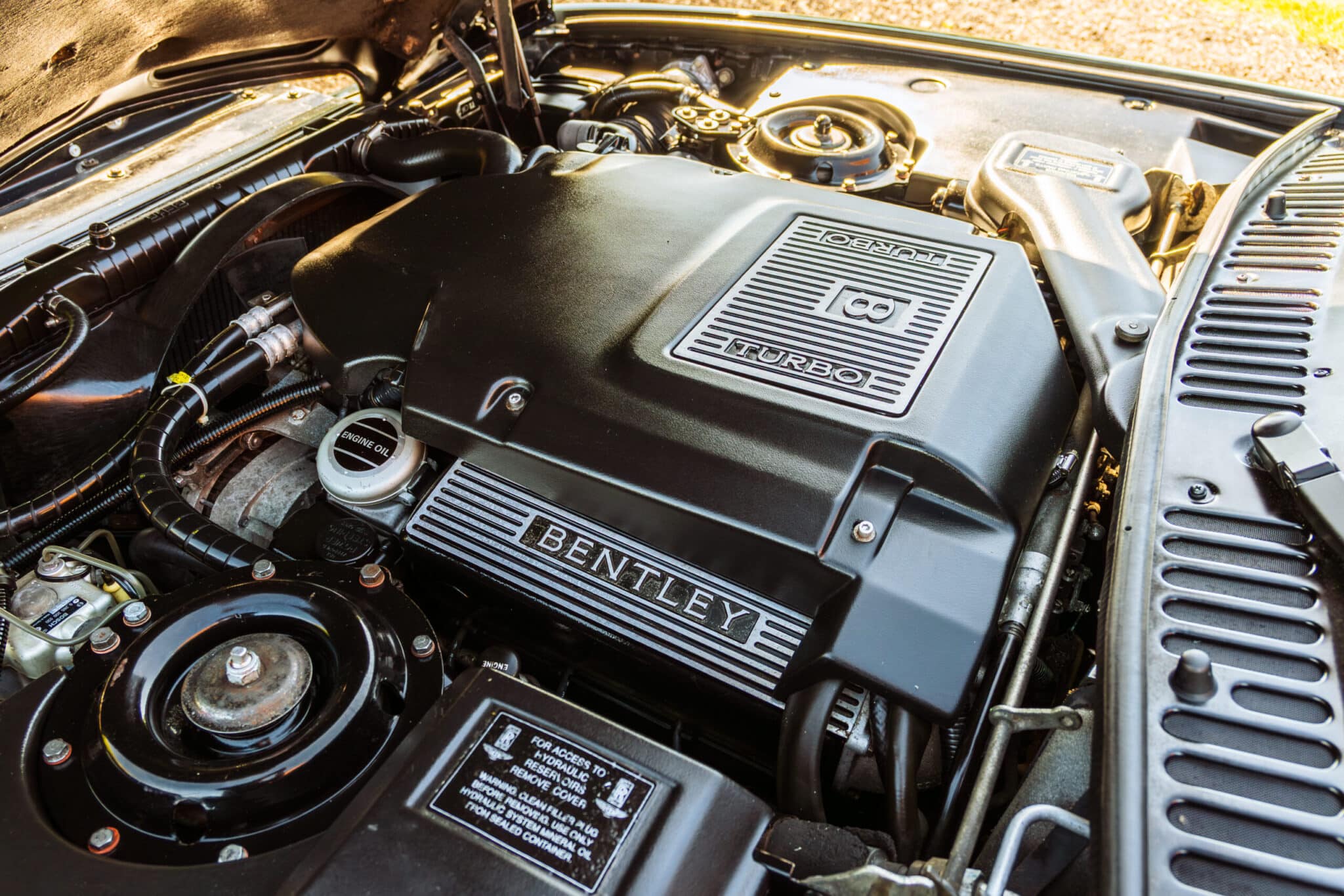
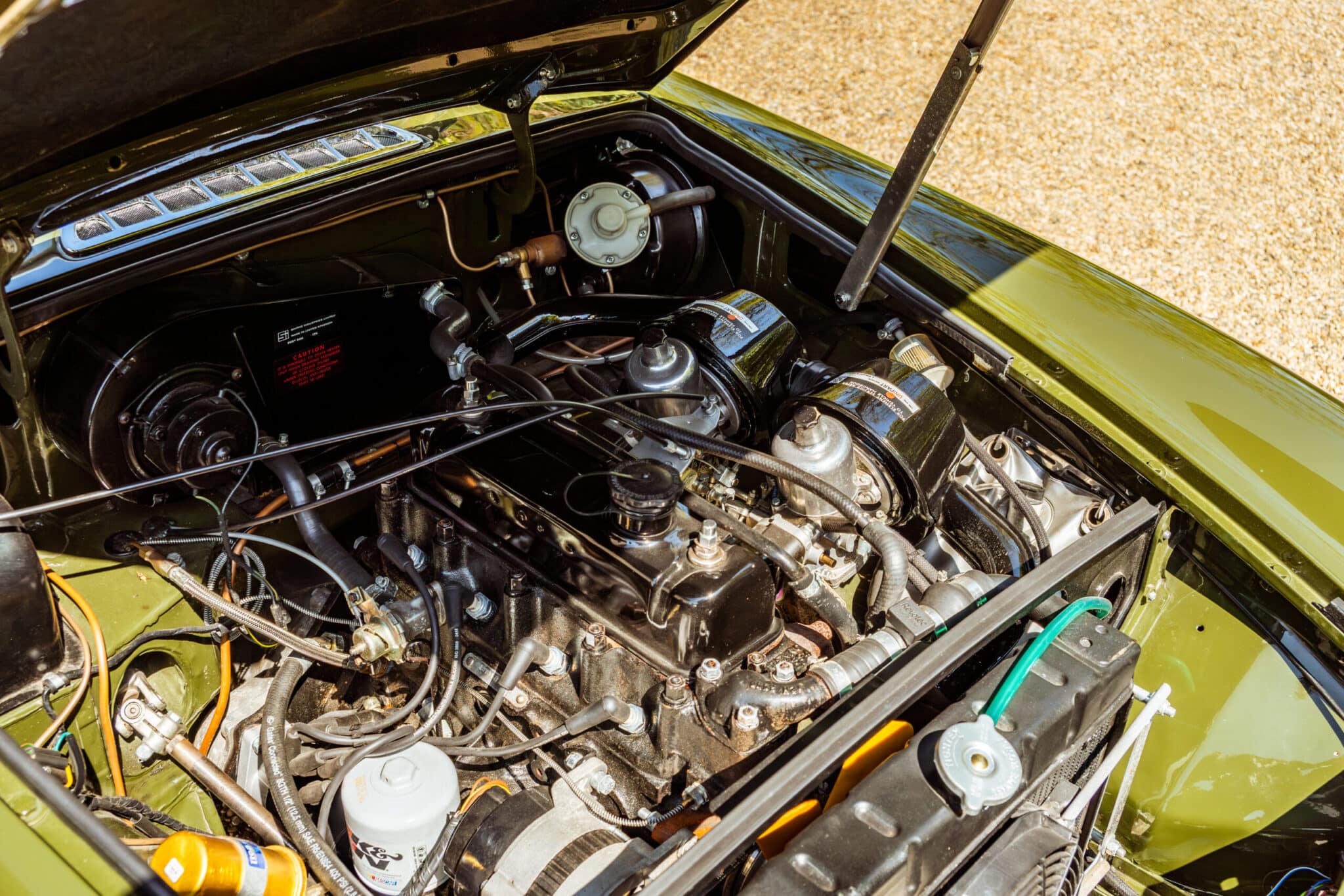
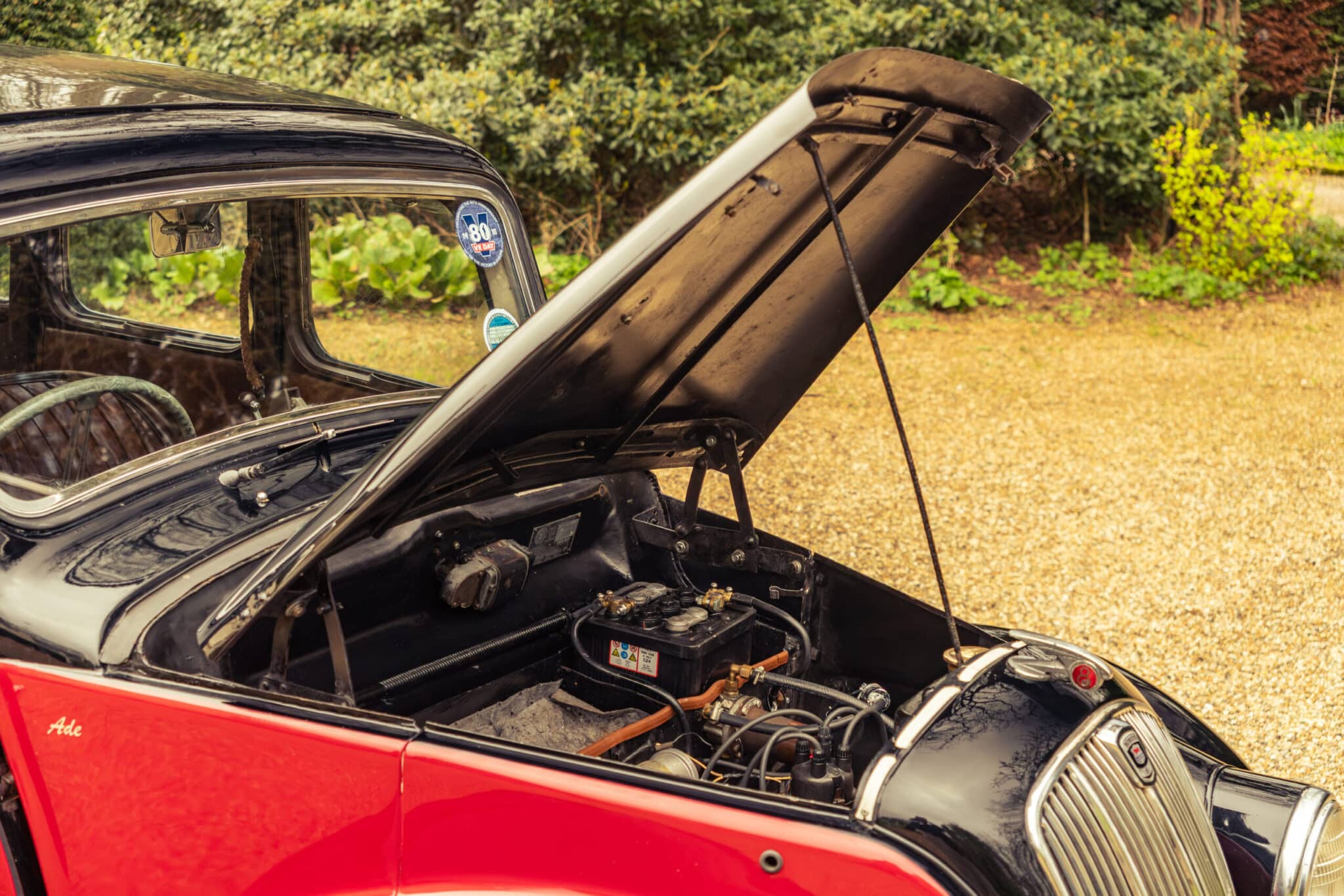
Every day, I see vehicles in the Bridge Classic Cars workshop that are anywhere between 20 and 120 years old. Each one has survived world events, personal experiences, worries, joy, generations growing up, and huge changes in the automotive industry. They come with their own story that would be devastating if it were lost forever, but, for the sake of sustainability, this could very well be what happens.
These cars are in danger of being pushed to one side, scrapped, and left in the past. Not because they’re unreliable or because nobody loves them anymore, but simply because they have an internal combustion engine.
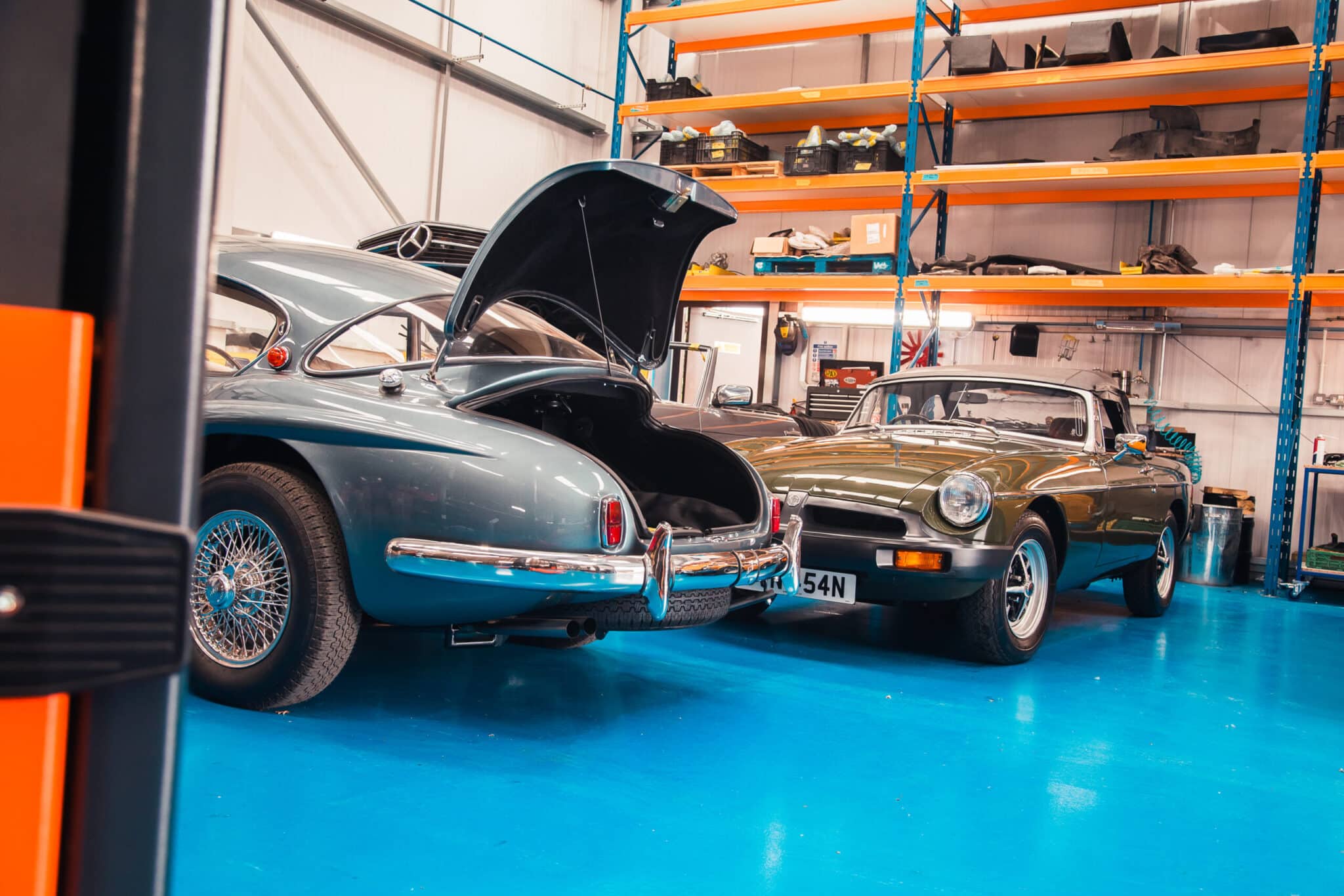
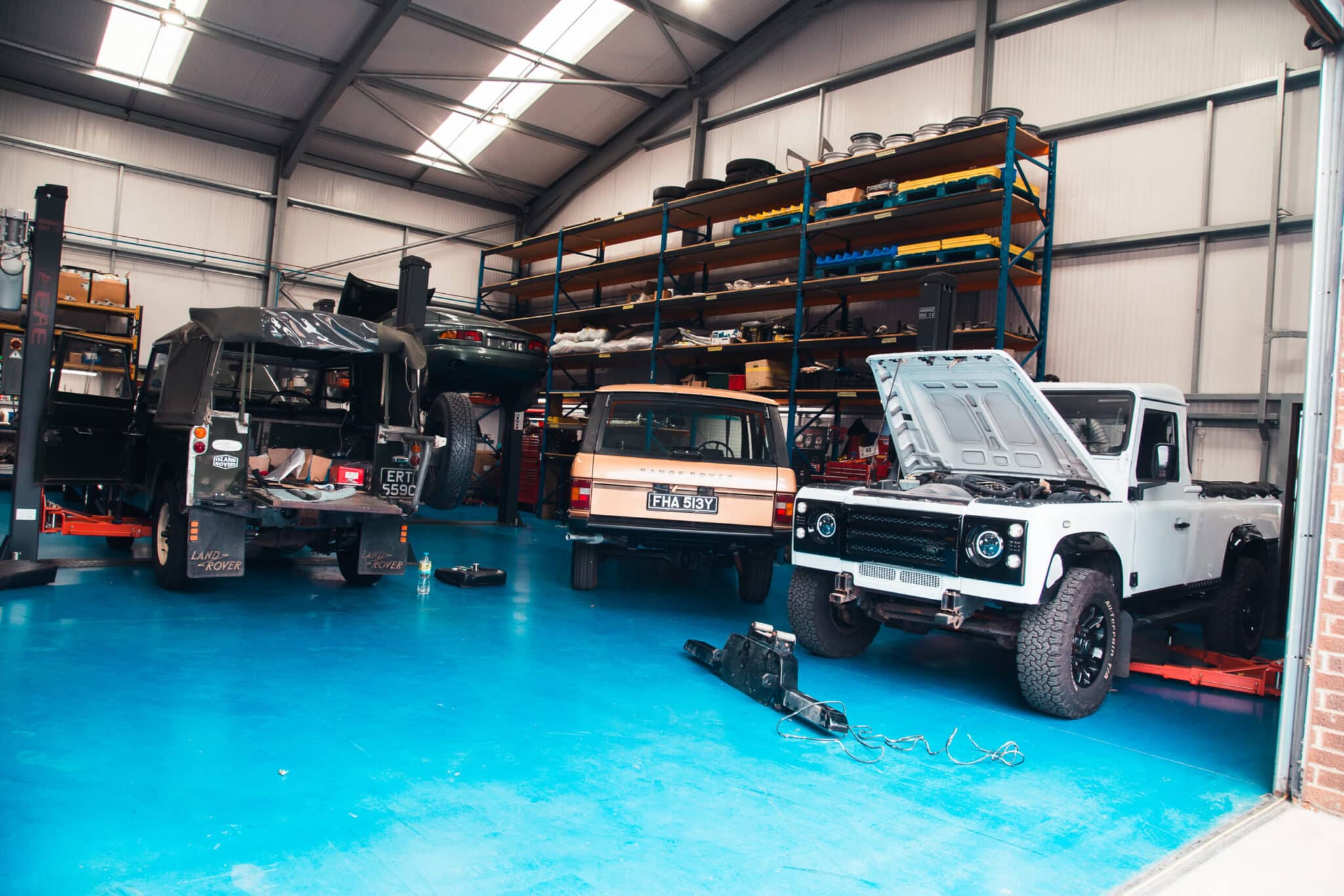
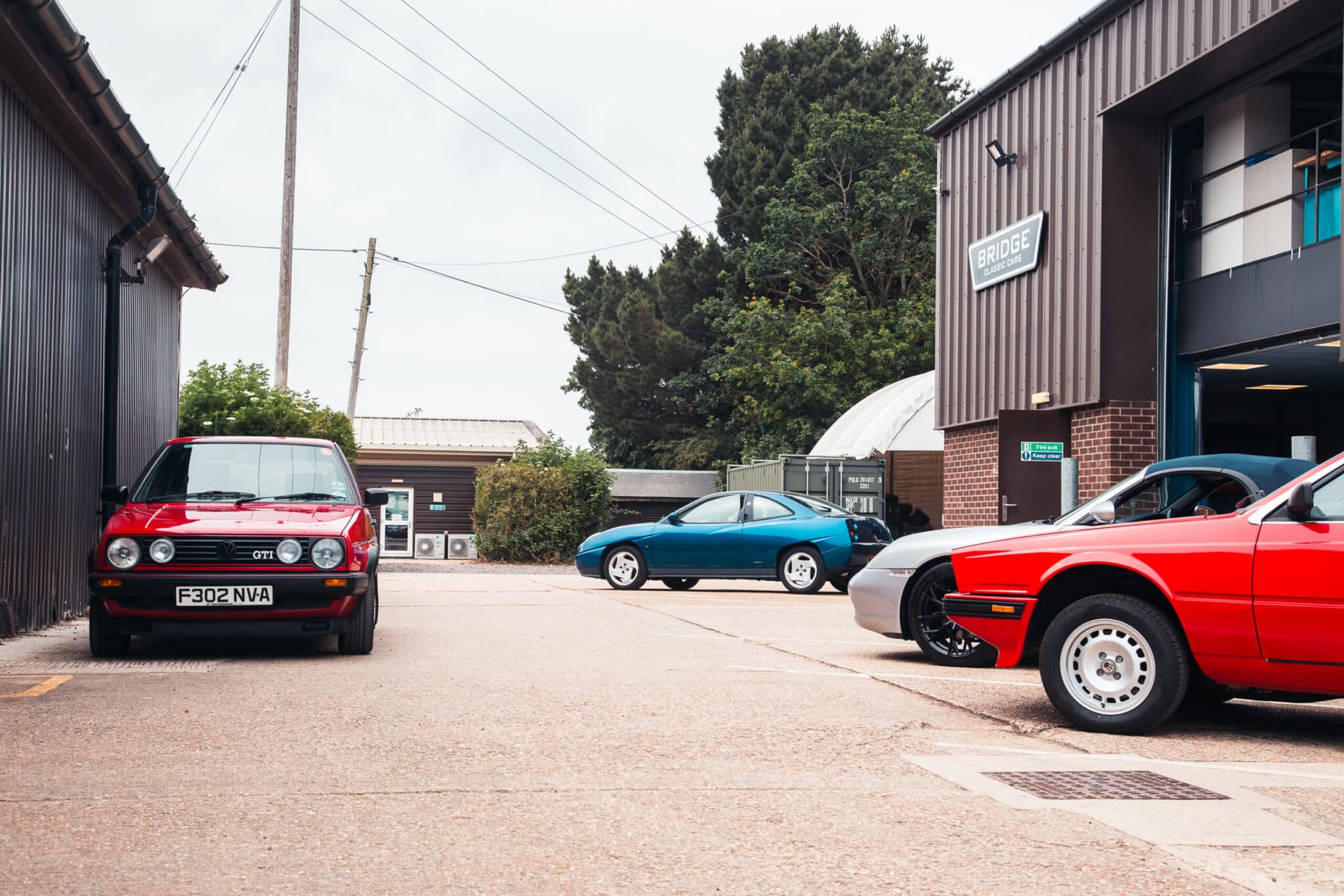

I fully understand the need for sustainability, but I think some of the conversations the industry is having about it are missing an important point. Everyone seems obsessed with “what comes next?” and “what new technology is going to be the game-changing one?” However, I think that a more important question is “what do we do with everything that is already here?”
Internal Combustion Engines
There are estimated to be around 1.4 billion ICE vehicles on the road worldwide. That doesn’t include unregistered vehicles, boats, aircraft, etc, so the true number is likely to be much higher! To show the extent of how important internal combustion engines are, a 2020 paper from researchers at Oxford University said that 99.8% of global transport is powered by internal combustion engines and 95% of transport energy comes from liquid fuels made from petroleum. Internal combustion engines quite literally keep almost the entire world moving every single day.
Even if every new vehicle sold from now on was powered by an alternative source such as electricity or hydrogen, there would still be millions of combustion engines in operation for decades.
Going back to my question of, “what do we do with everything that is already here?”…what if we don’t replace these vehicles, what if we don’t make new ones, what if we simply change the fuel we run them on? What if we switched from fossil fuel to sustainable fuel?
Sustainable Fuel vs Fossil Fuel
At its most basic level, traditional petrol comes from oil that’s been locked underground for millions of years. We extract it, refine it, and then burn it. However, by doing this, carbon that has been trapped beneath the Earth’s surface for a long time gets released into the atmosphere.
Sustainable fuels do things differently.
Rather than relying solely on fossil resources, sustainable fuels, like those developed by FU3L, are made using waste materials from agriculture and forestry. Things that would otherwise have little or no value. Instead of digging carbon out of the ground, they’re working with carbon that’s already moving through the natural cycle.




One very important point is that cars running on sustainable fuel do not become emission-free. Carbon dioxide still comes out of the exhaust, but the journey the carbon in those emissions has taken is different. That’s why we should be looking at “well-to-wheel” emissions rather than just what comes out of the car while it’s running.
When you look at the whole picture, from production through to use, sustainable fuels can dramatically reduce greenhouse gas emissions compared to traditional fossil fuels. I think more people should think about sustainability like this. It’s too easy to write potential solutions off as they aren’t “perfect” and reduce emissions to zero. However, if we can significantly reduce the emissions of 1.4 billion vehicles with little or no change required to the vehicles themselves or the infrastructure needed to deliver the fuel…that’s a HUGE reduction in emissions. In fact, it’s arguably a greater reduction than a small percentage of drivers having an alternative fuel car!
Sustainable Fuel Is Only Part Of The Solution
I’ve said many times before, and I’ll say it again now, sustainable fuel won’t be the “one-size-fits-all” solution that lots of people seem to be looking for. There is absolutely a place for EVs, hydrogen-powered cars, and other fuels that will likely be developed in the future. My point is that sustainable fuel also has a very clear place in a greener automotive future.
I believe that the future is almost certainly going to involve a mixture of solutions rather than a single solution. I think that’s probably the main way the sustainability conversation needs to change; let’s stop arguing about which alternative fuel is best, and let’s start talking about how the current vehicles and fuels we already have can work together better.
The opinion of one person probably won’t make much of a difference in things of this scale, but if it was me leading the discussion, I’d be more concerned about making what we currently have better than trying to come up with something completely new.
In my opinion, sustainable fuel makes so much sense. For many vehicles, sustainable fuels can be used with little or no modification and can be distributed through much of the existing fuel infrastructure. I appreciate that price and production bring challenges, but surely it makes more sense to resolve these issues than build something completely new and encourage the billions of people on the road to make a change they don’t necessarily fully understand…
Sources: Leach, F., Kalghatgi, G., Stone, R. and Miles, P. (2020). The Scope for Improving the Efficiency and Environmental Impact of Internal Combustion Engines. Transportation Engineering, Volume 1.
Read more automotive industry news
Leave a Reply
You must be logged in to post a comment.