


The Conservative Party has promised to scrap the UK’s planned ban on the sale of new petrol and diesel cars, if it wins the next general election. The petrol car ban has been an ongoing discussion for a while now so this looks to be the next chapter of that.
In a recent announcement, Conservative leader Kemi Badenoch said the party would reverse the 2030 ban on new petrol and diesel car sales, describing the current policy as “economic self-harm.”
Rather than sticking to a legally enforced cut-off date, the Tories want to let manufacturers still be free to sell petrol and diesel models beyond 2030, if there’s demand for them.
Badenoch said that scrapping the ban would protect British industry from inflexible rules that might benefit overseas EV makers, support consumer choice, particularly for drivers not ready or able to switch to electric, and align the UK with a more flexible global approach, as countries across Europe and beyond reassess similar bans.


What the Current Ban On Petrol Vehicles Says
The current UK government policy says that from 2030, car manufacturers will no longer be allowed to sell brand new petrol or diesel cars. Some hybrid cars, that can drive a decent distance in zero-emission mode, could still be available.
The current policy also says that, by 2035, all new cars and vans sold must be zero-emissions. Zero-emission vehicles could be electric, hydrogen fuel cell, or other clean fuel.
The current rules are part of the UK’s commitment to reach Net Zero carbon emissions by 2050, and the 2030 deadline is designed to push both industry and consumers towards cleaner vehicles well ahead of that.
The Ban Doesn’t Mean Petrol Cars Are Being Banned From the Road
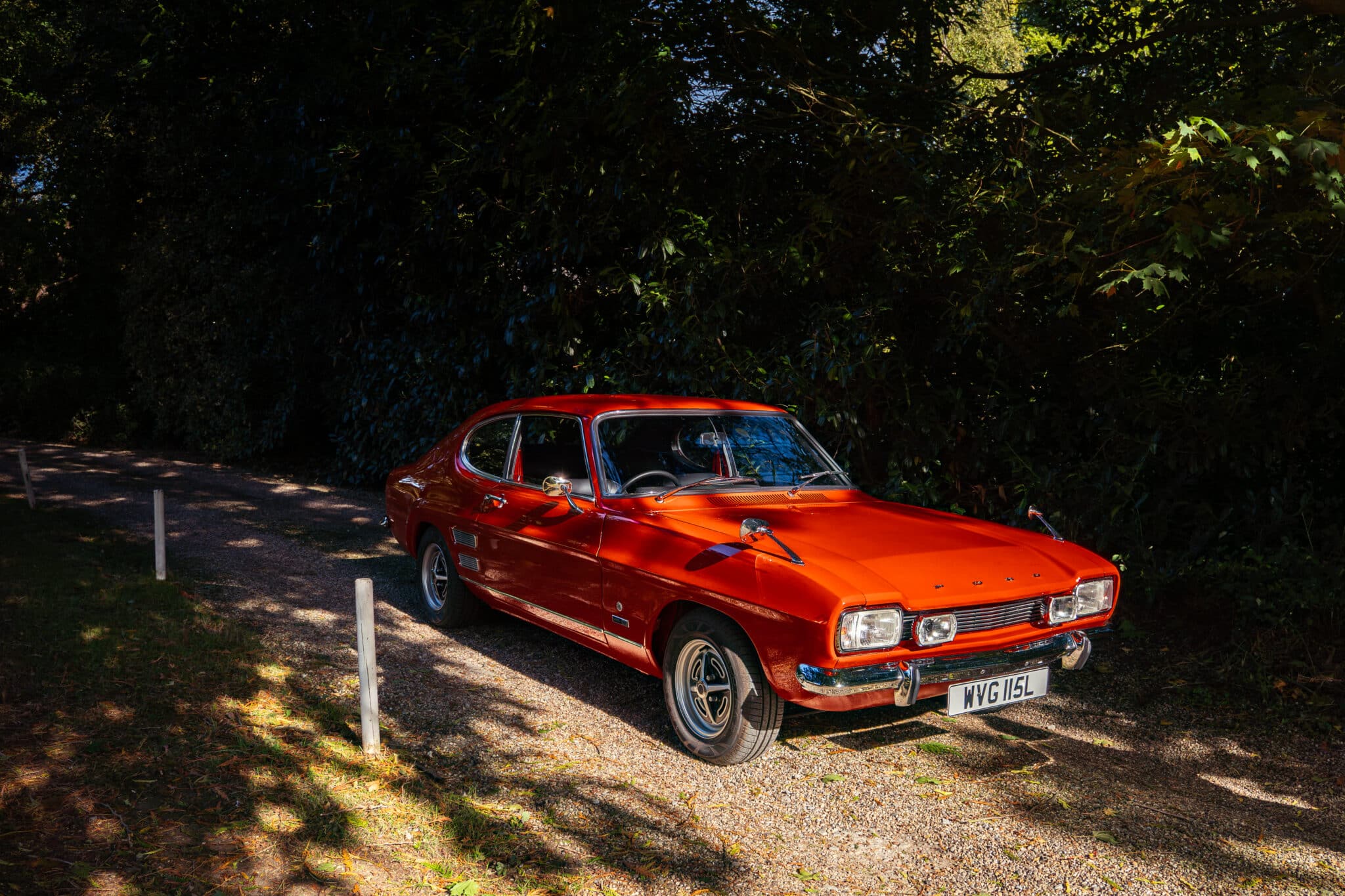
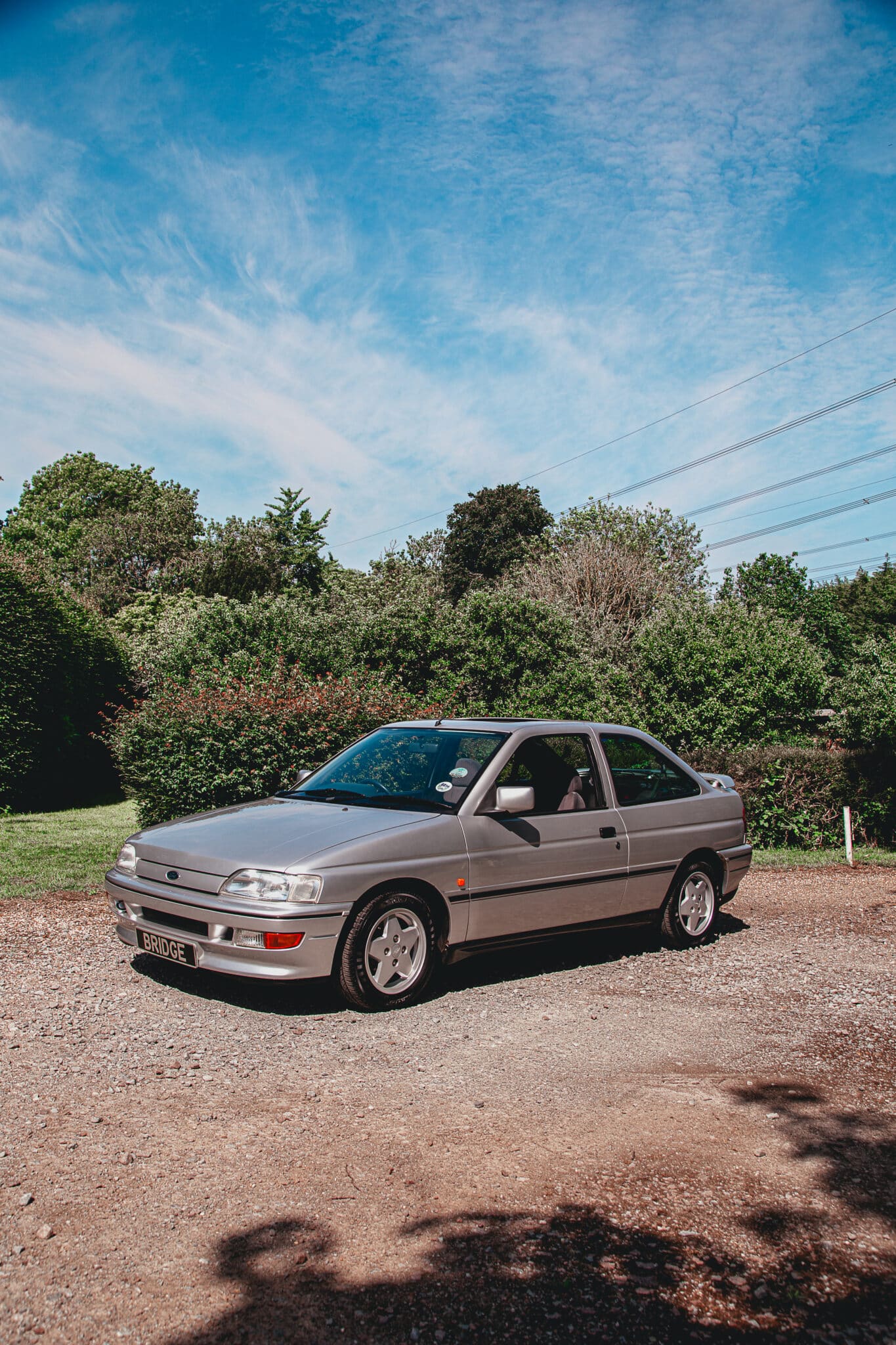
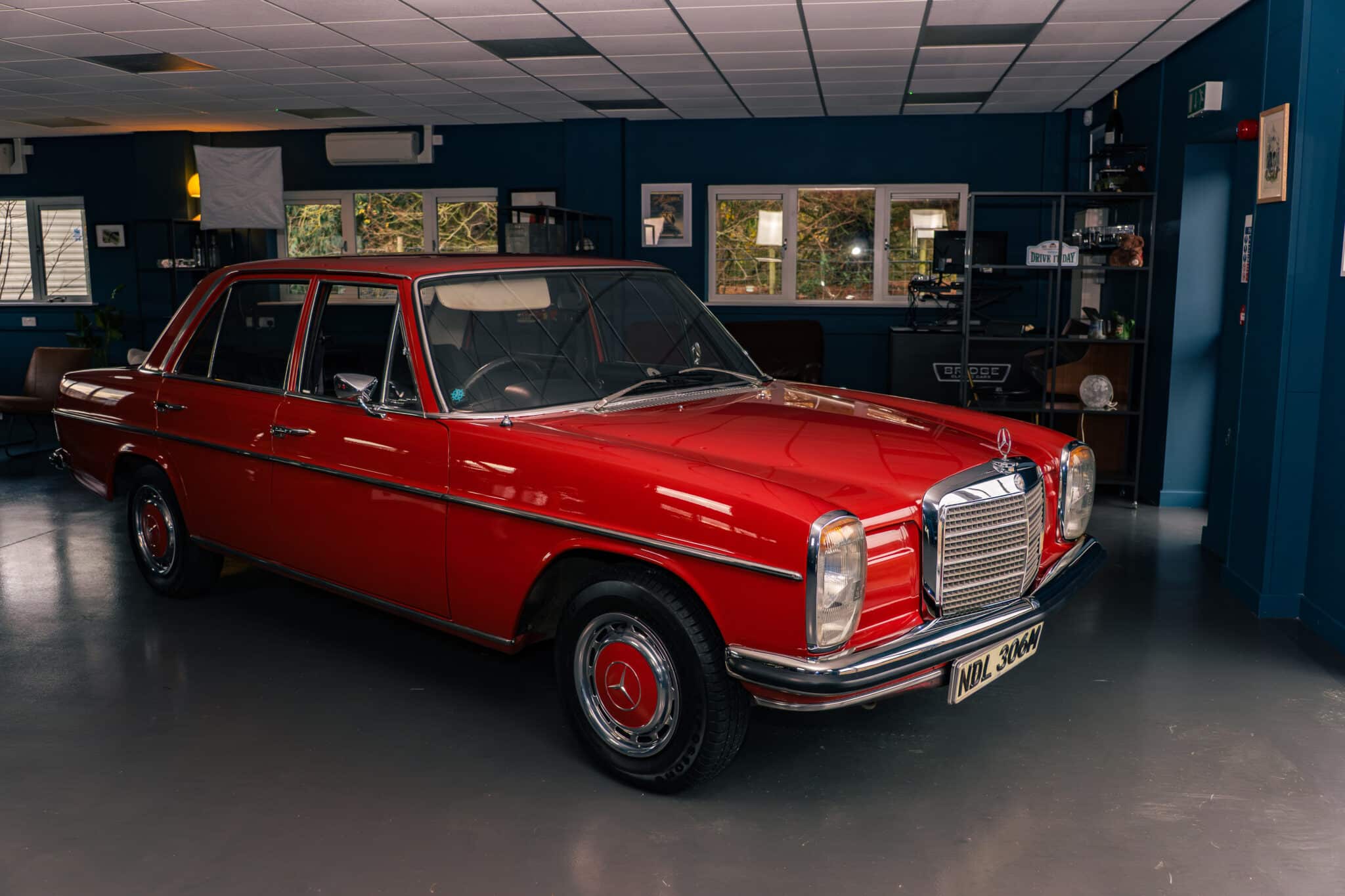
There’s a lot of confusion about this point but you’ll still be able to drive your petrol or diesel car after 2030. You will also still be able to buy and sell used petrol/diesel cars, both privately and through dealers, and there are currently no plans to remove fossil-fuel cars from the road. As it stands now, the petrol car ban only affects the sale of new models.

Why the Petrol Car Ban Exists
The original aim of the 2030 petrol car ban was to provide a clear signal to manufacturers and consumers, speeding up the transition to electric vehicles and reducing emissions from transport, which is one of the UK’s biggest polluting sectors.
As things currently stand (and if the politicians involved stick to their word), there are two possible outcomes after the next general election.
If the Conservatives win the election:
- You could keep buying new petrol and diesel cars beyond 2030.
- EVs would still be available but the market would decide the pace of change, not government deadlines.
- Car companies might choose to keep offering a wider range of options, from efficient hybrids to full combustion models, especially in rural areas or where EV charging remains a challenge.
If Labour wins the election and the current policy stays in place:
- New petrol and diesel sales would end in 2030, with hybrids following by 2035.
- EV adoption would likely continue to accelerate, backed by government targets and incentives.
- The used petrol/diesel market would remain strong well into the 2040s, but with no new supply, prices could eventually rise for the most desirable models.
The UK Petrol And Diesel Ban
The Conservatives’ promise to scrap the petrol car sales ban seems to point to a potential change in the UK’s approach to the EV transition.
Ultimately, we will have to wait until the next general election before we have a better idea of timeframes and outcomes.
Read more automotive industry news
Leave a Reply
You must be logged in to post a comment.