


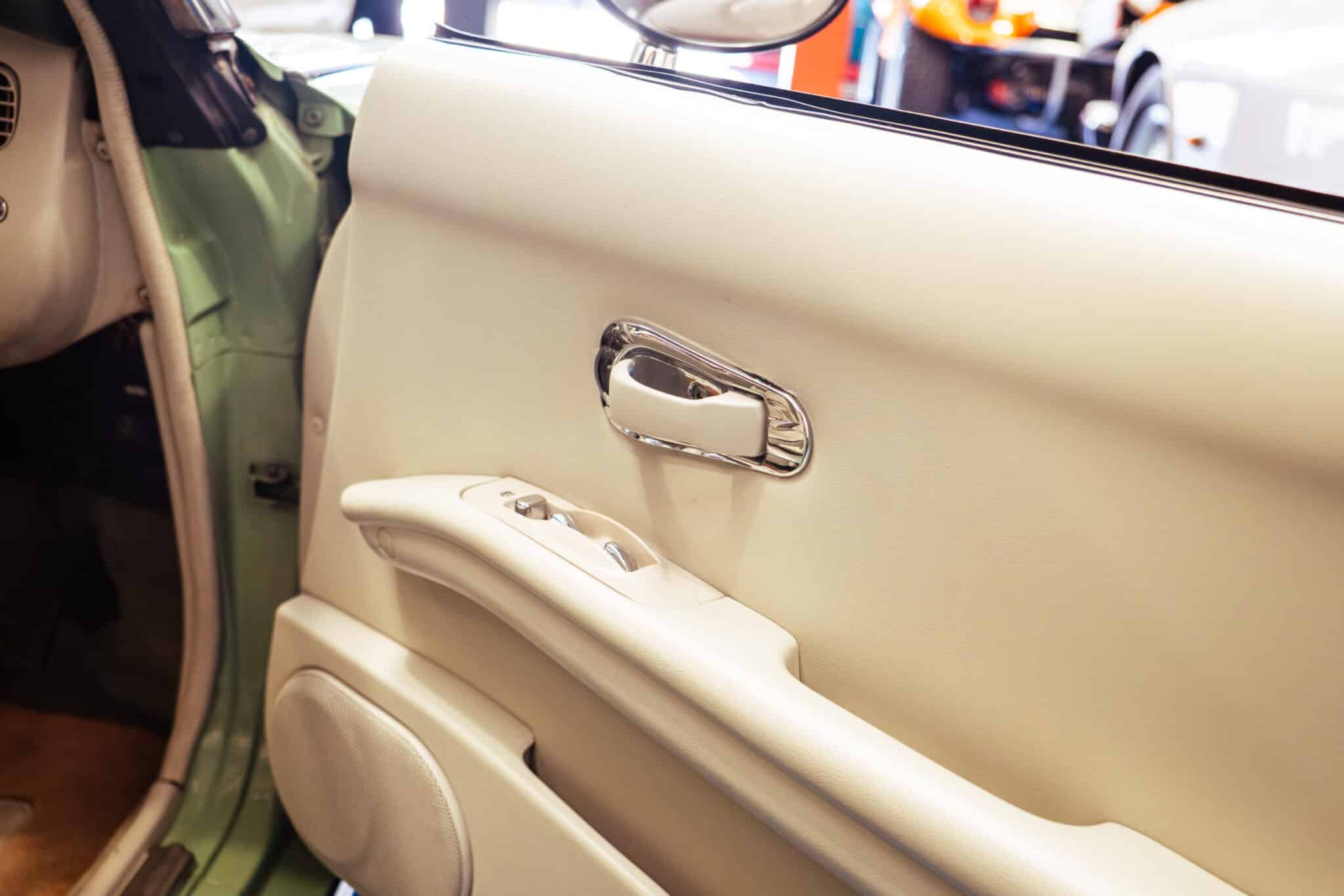
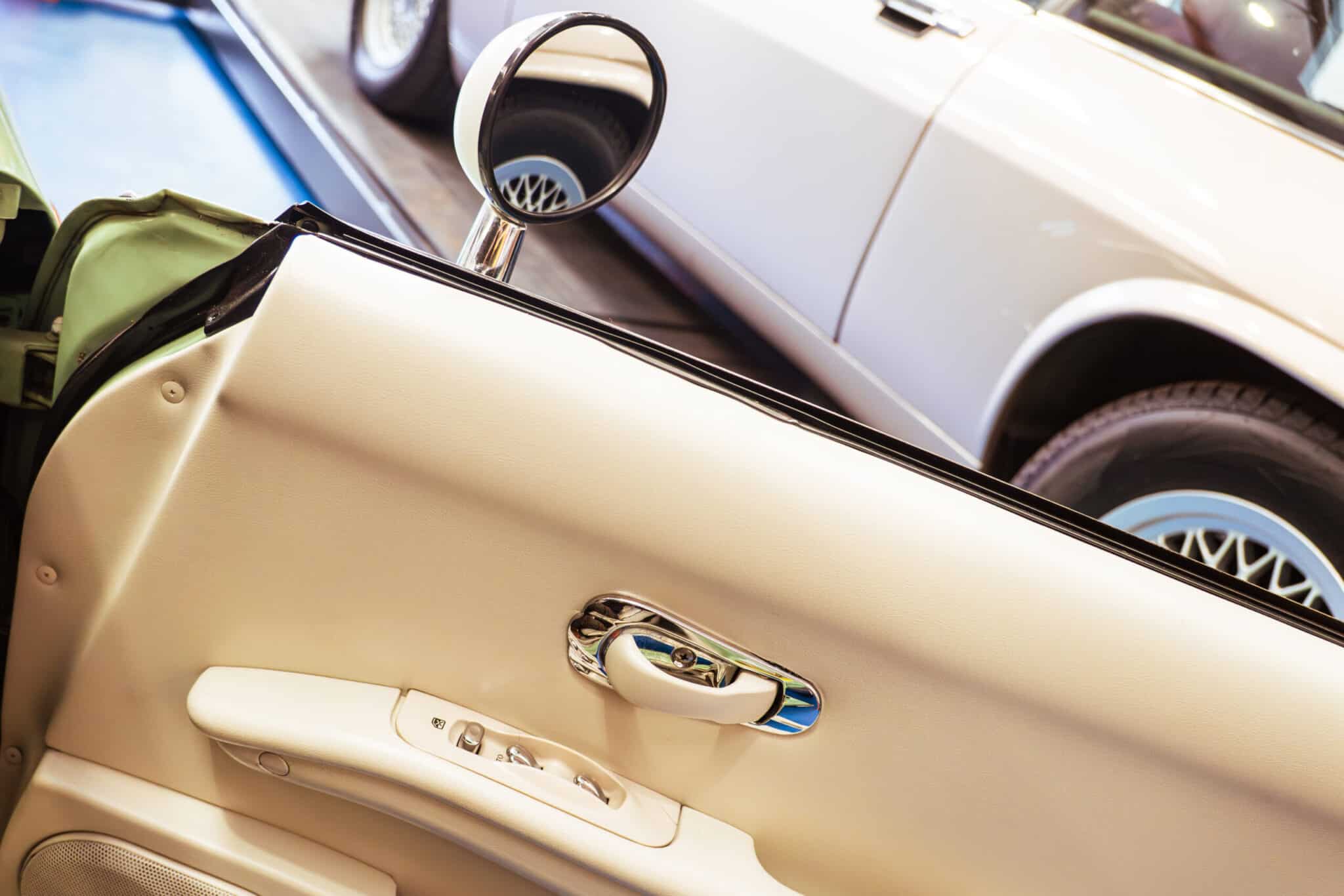
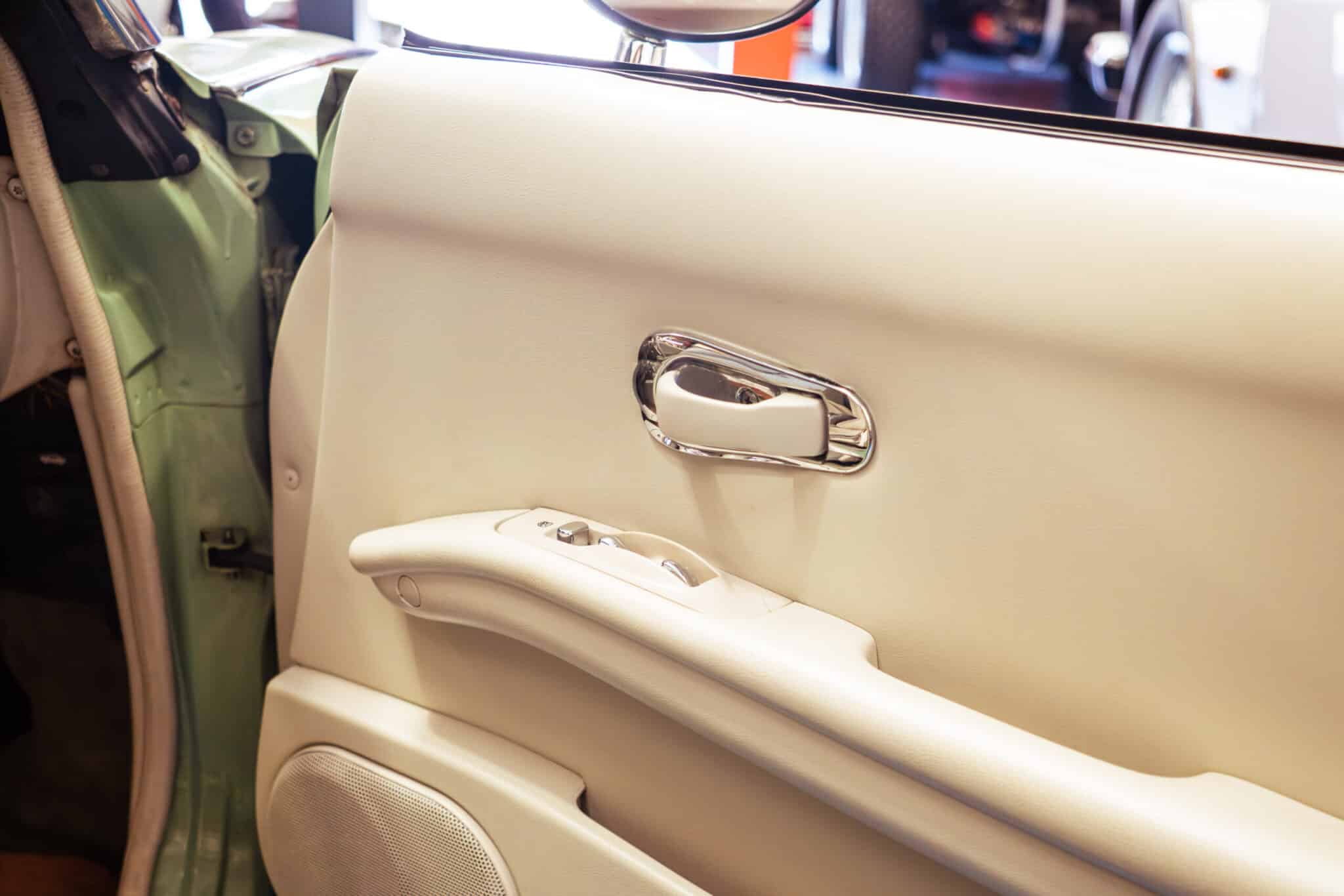
I was recently chatting to our paint shop manager, Chris, about the door cards of a Nissan Figaro. He mentioned that he had just finished painting some, which I found interesting, as painting the interior trim components of a car was something that was a relatively new idea to me.
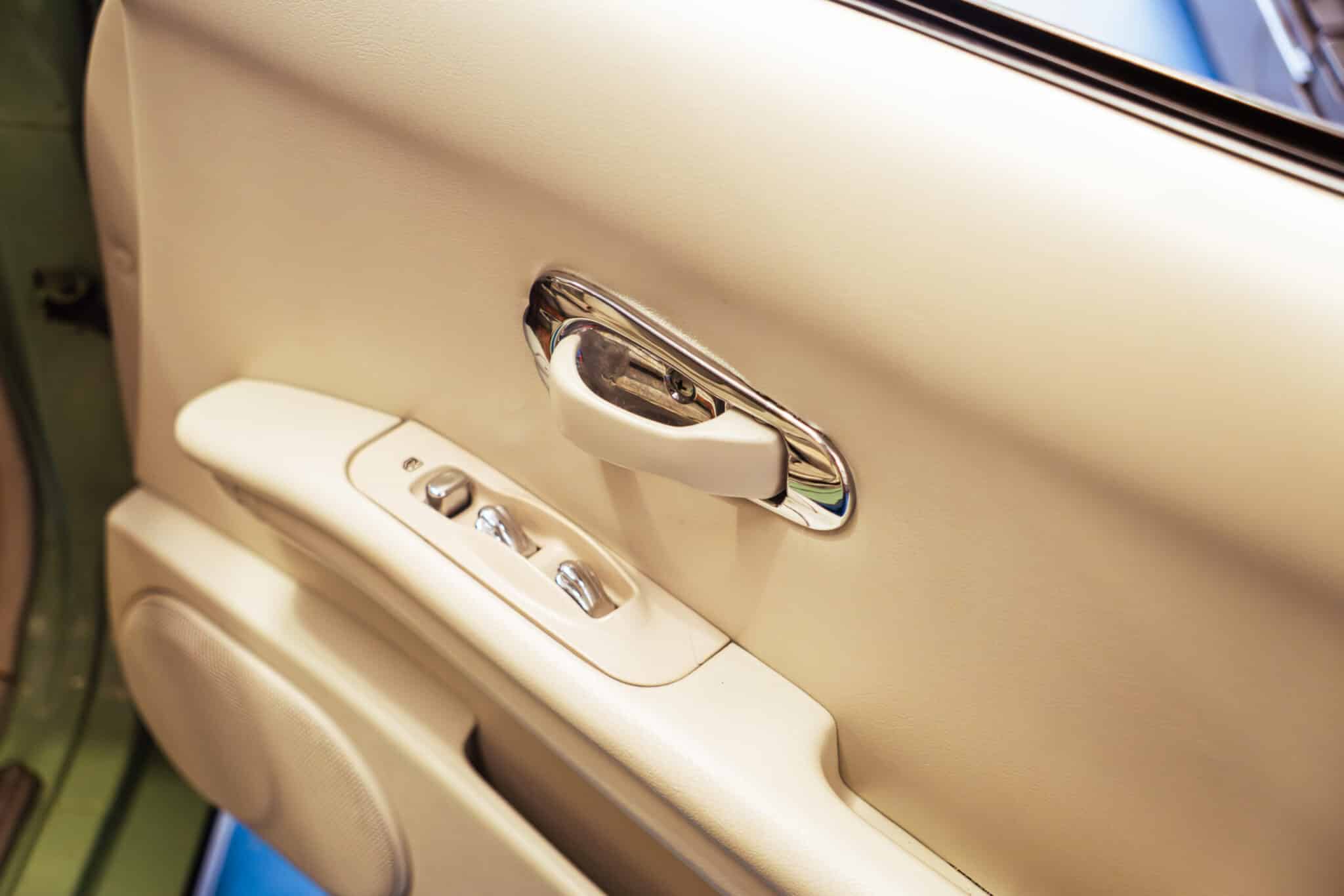
Nissan Figaro Door Cards
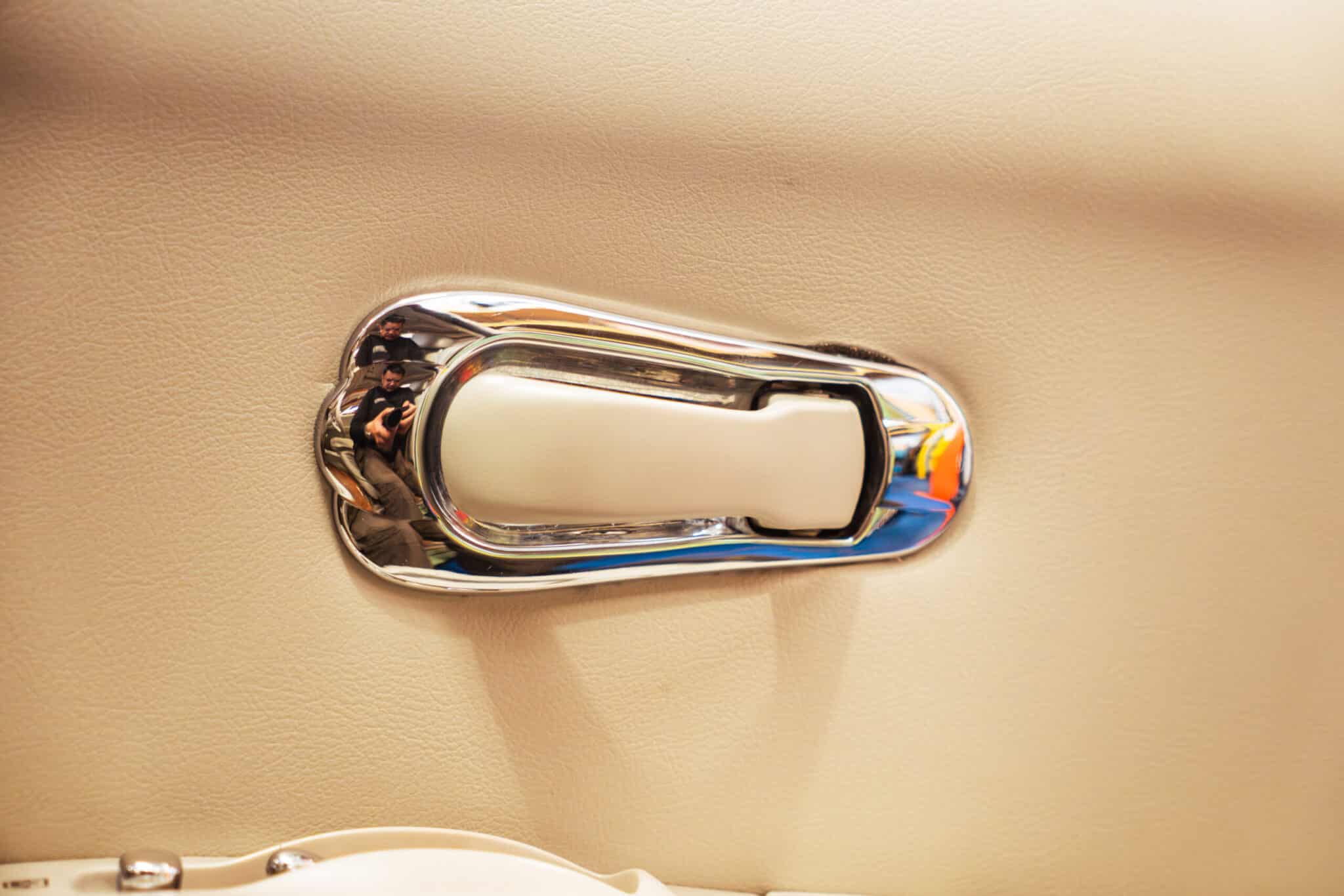
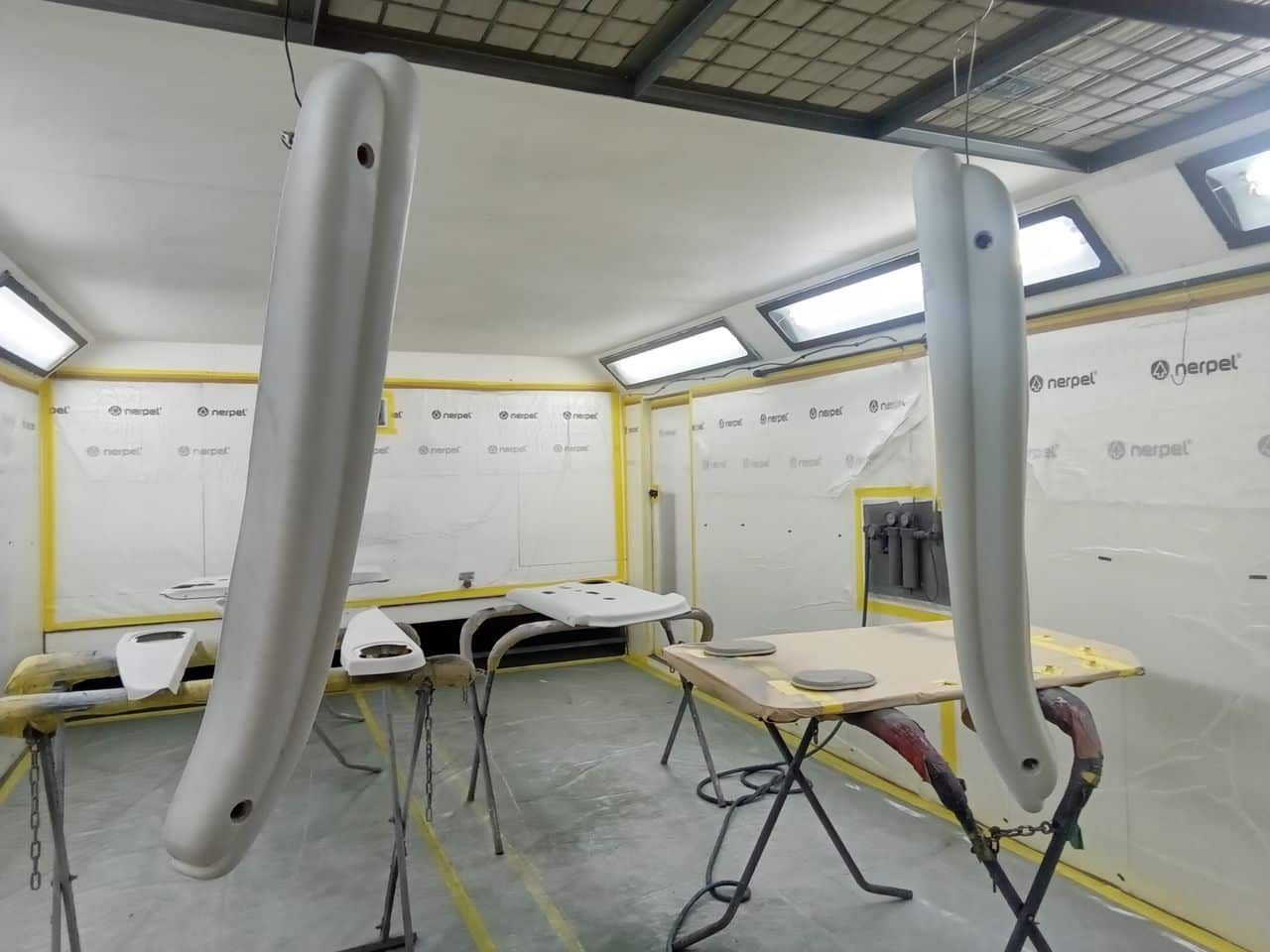
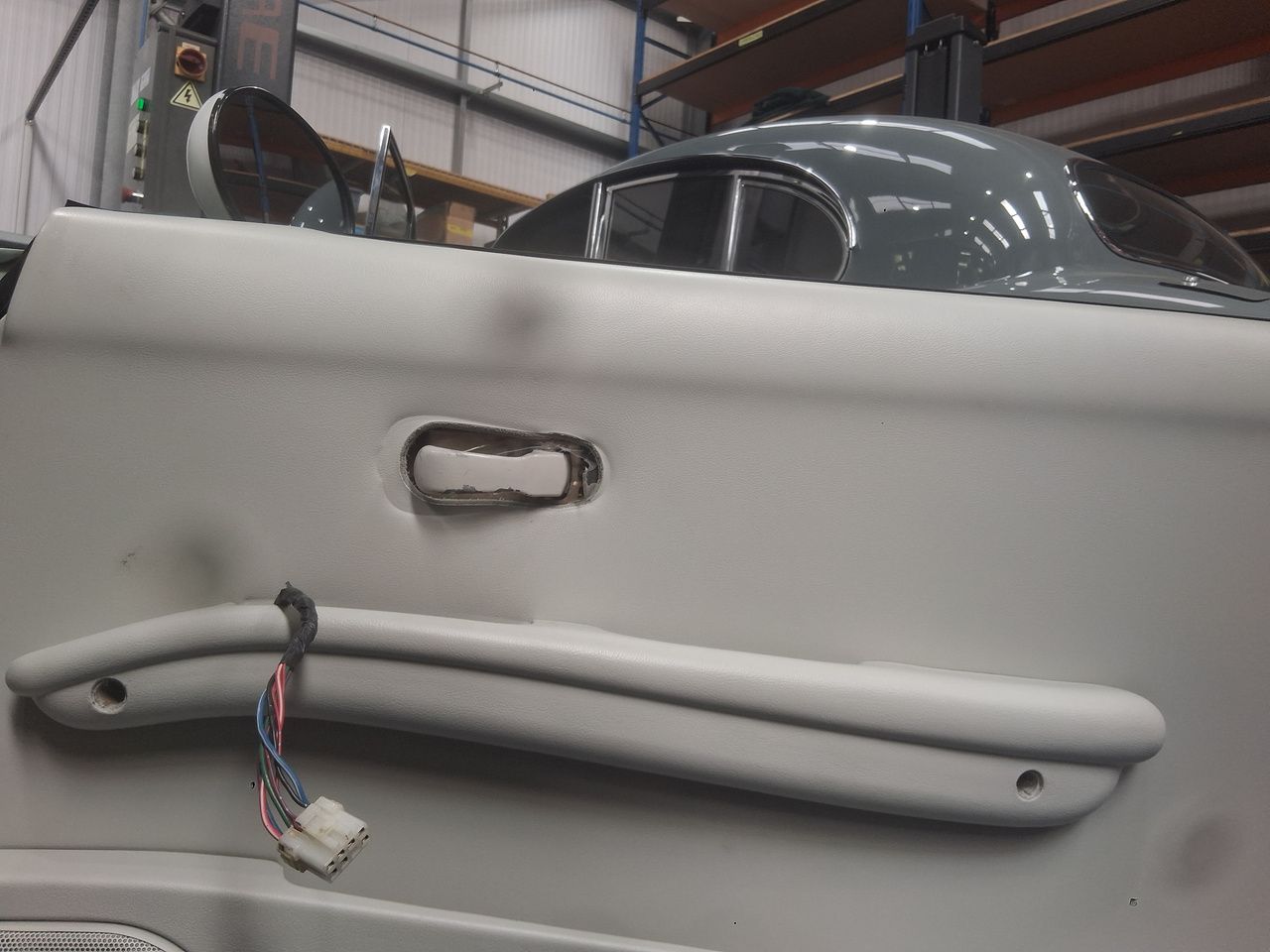
A refurbished set of door cards for the Figaro in question were not up to Chris’s standard and had several areas of discolour, dirt, grime, and were just generally not looking their best. Normally, this would mean getting them remade or retrimmed. However, Chris thought that a paint job would be a more effective solution in this instance.
Chris pointed out that a job like this isn’t about using standard paint in the wrong place. Interior coatings are specifically designed to bond to materials like vinyl and plastic, which behave very differently from exterior panels. They need to set properly, hold colour consistently, and remain durable under regular use.
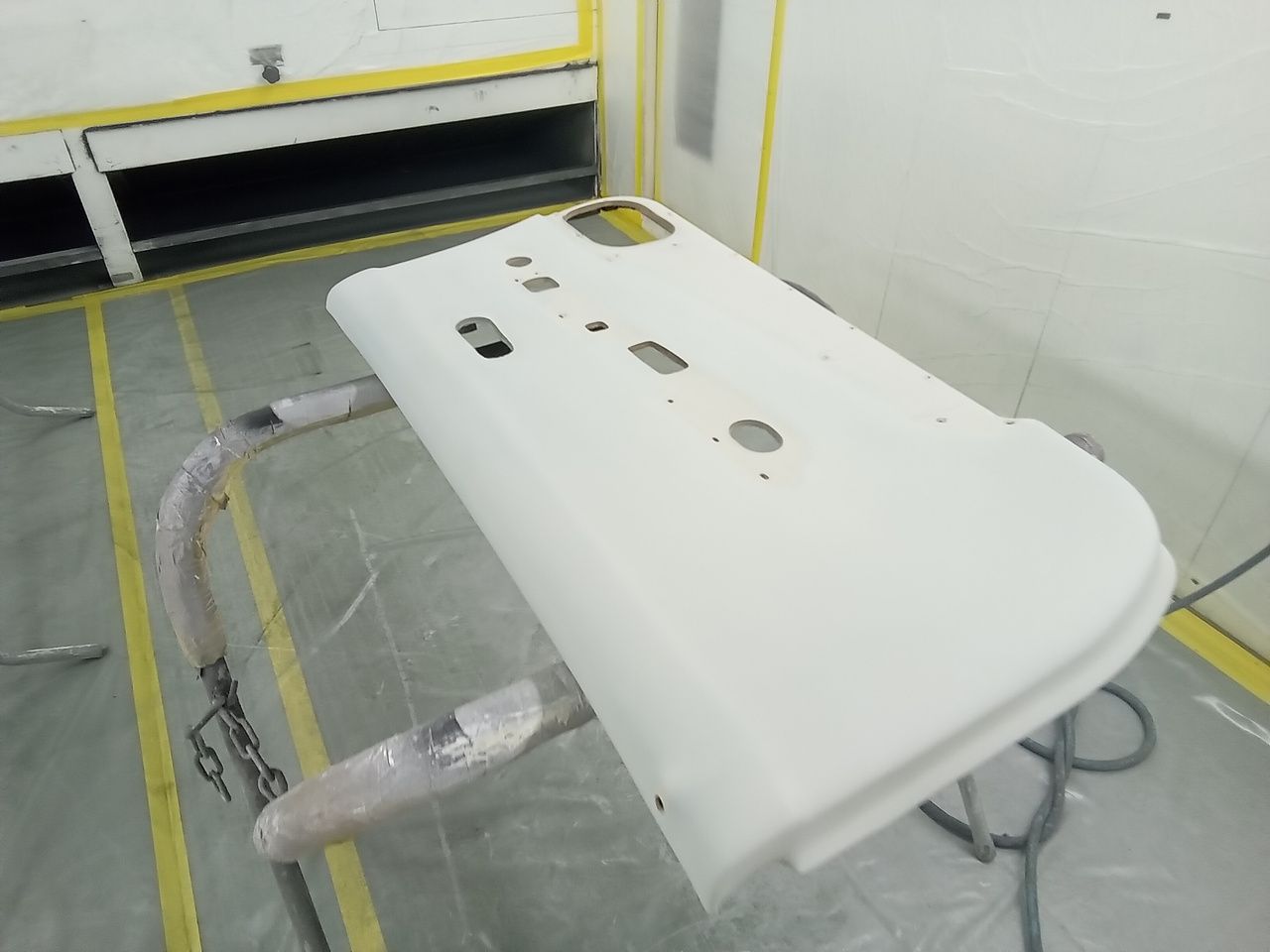
Preparation obviously plays a huge role. The door cards were fully prepped to create a clean, uniform surface for the paint to adhere to. Any contamination, unevenness, or previous wear needs to be dealt with properly, otherwise it will show through the final finish.
Interior Trim Paint
One of the interesting features of the interior paint is its use of a flexibility additive. Interior panels like door cards naturally flex slightly over time, whether that’s from temperature changes, pressure, or general use. Without that additive, there’s a risk the paint could become brittle and eventually crack. By building flexibility into the coating, the finish is able to move with the material rather than fight against it.
Colour matching is another big part of getting this right. In this case, the paint was matched to the original colour of the Figaro’s interior, meaning the finished result stays true to how the car should look rather than looking like a replacement or upgrade.
What Chris ended up with is a finish that looks factory-correct, feels right, and avoids the cost and complexity of a full retrim. Obviously, this won’t be the best solution for every car, but when the underlying panels are still solid, it’s a really effective option.
Leave a Reply
You must be logged in to post a comment.