


Lotus has revealed its new “Focus 2030” business strategy, outlining how the company plans to strengthen its position in the global performance car market while still maintaining the look and feel of the brand.
Announced in London earlier today, Tuesday 12th May 2026, the strategy is based on the four areas of reinforcing the Lotus brand, introducing a flexible multi-powertrain approach, working more closely with partners, and improving financial discipline.

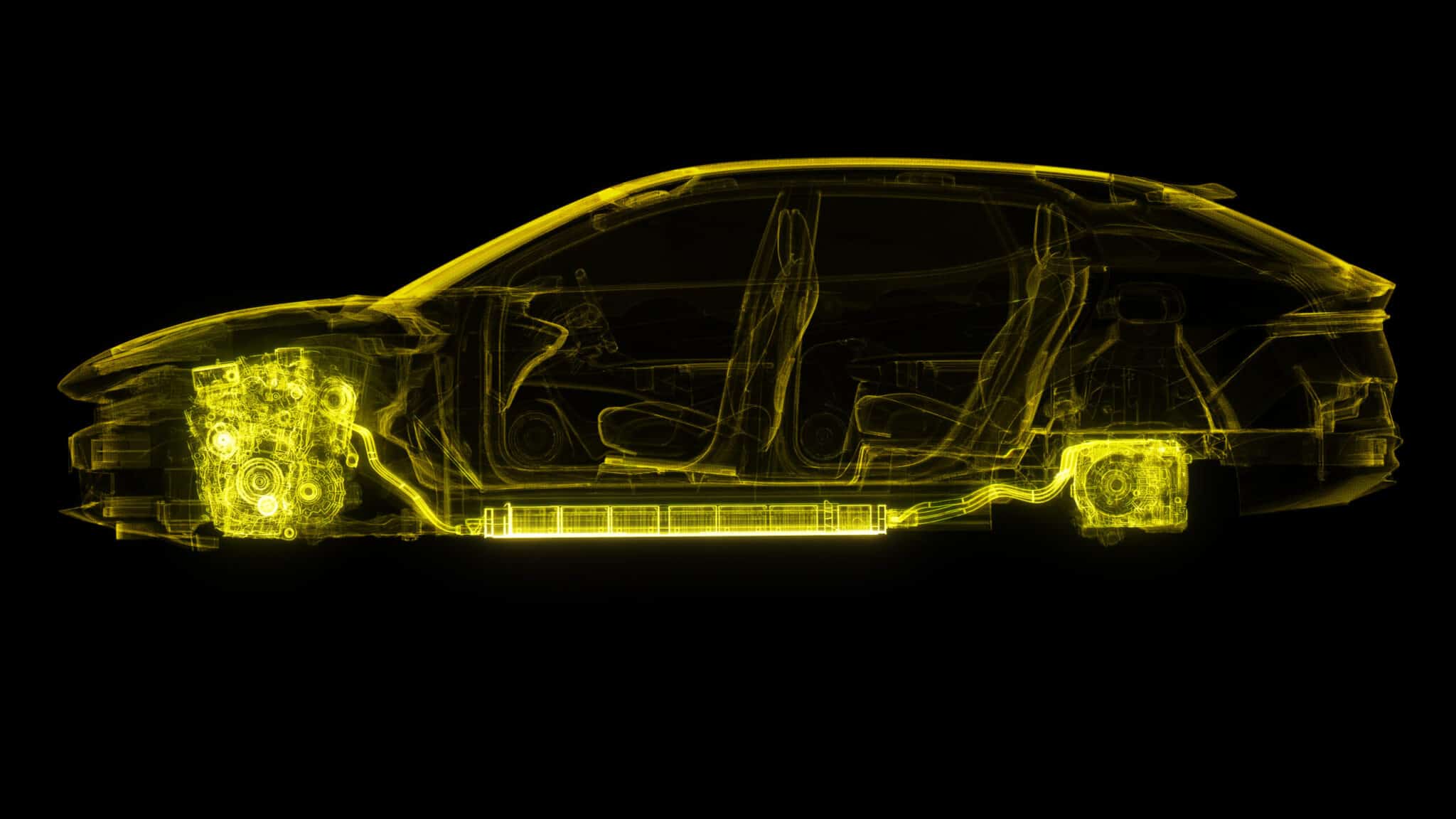

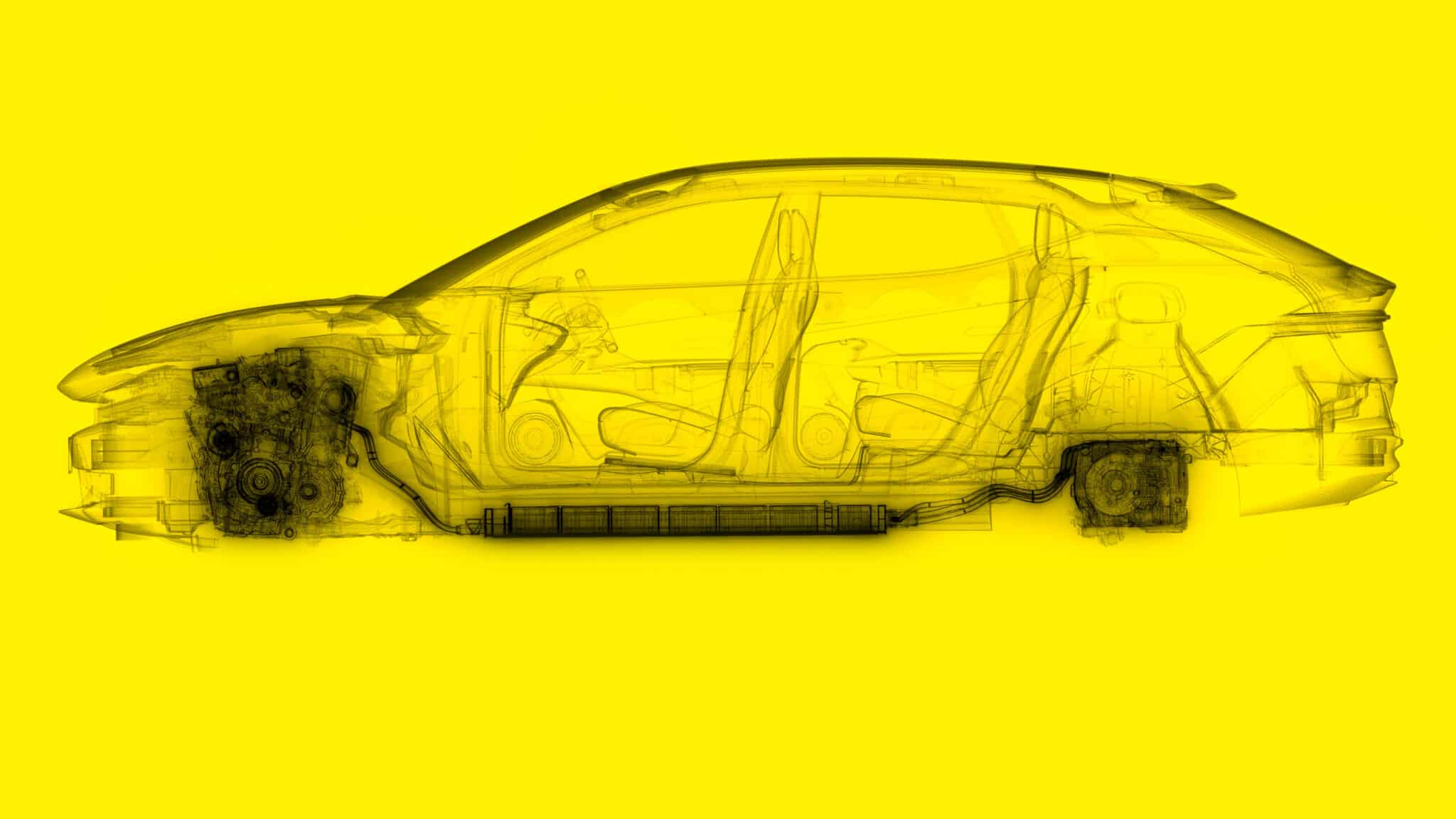
Lotus Focus 2030 suggests a stronger push towards what Lotus believes defines the marque, i.e. lightweight engineering, aerodynamic efficiency, driver engagement, and performance-focused development. These will be the focus of every future Lotus model, regardless of whether it is powered by combustion, hybrid, or fully electric.
Qingfeng Feng, CEO, Lotus Group
“Lotus was born from the rebellious spirit of Colin Chapman, and that is not lost today. Focus 2030 will reset both the brand and the business to keep us true to our DNA. We are obsessed with engineering, obsessed with performance and obsessed with building drivers’ cars, and that is what will grow this business.”
Lotus says its engineering and design operations will continue to be rooted in the UK, while research and development activity in China will support faster scale and global market reach. One of the biggest announcements within the strategy is Lotus’ commitment to a multi-powertrain future. Rather than moving entirely to electric vehicles immediately, the company plans to balance ICE, plug-in hybrid, and battery-electric models depending on customer demand and regional regulations.
Lotus Focus 2030 – Hybrid & More
Hybrid technology will play a big part in that plan through Lotus’ new X-Hybrid system. Designed to combine combustion and electric performance technologies, the system wants to deliver long-range capability alongside the performance and handling characteristics expected from Lotus.
The technology has already been launched in China on the Lotus Eletre as the Eletre X, where customer deliveries have begun, and more than 1,000 pre-orders were reportedly placed during the first month. European deliveries are expected to begin in the fourth quarter of 2026.
Lotus says the X-Hybrid setup uses a 900V architecture producing up to 952PS and 935Nm of torque. The company claims an EV-only range of up to 350km (approximately 217 miles) and a total driving range of more than 1,200km (approximately 746 miles). Charging from 20–80% will take nine minutes under optimal conditions.
Lotus Type 135
One of the most interesting parts of the announcement is the Type 135 supercar. Planned for launch in 2028, the new model will feature a hybrid V8 powertrain producing around 1000bhp and is expected to be manufactured in Europe.




Alongside that announcement, Lotus also confirmed continued production of the Lotus Emira. An updated version of the Emira is due to be revealed in the coming weeks, with Lotus describing it as the lightest and most powerful version built so far.
The battery-electric range will also continue unchanged for now. Models including the Lotus Emeya, Lotus Eletre, and Lotus Evija will still be a big part of Lotus’ long-term plans as the company continues developing EV technology.
Focus 2030 also highlights the importance of Lotus’ relationship with Geely Holding Group. The partnership is expected to support technology development, manufacturing efficiencies, and supply chain improvements while helping Lotus increase scale globally. As part of that collaboration, Lotus UK and Lotus Technology will merge into a single entity later this year. The company says the move will simplify governance, reduce costs, and improve engineering integration for future vehicles.
Daniel Li, Chairman of the Board of Directors at Lotus Technology, and Executive Vice Chairman of Geely Holding Group
“Geely has believed in Lotus from the beginning, and that belief has not wavered. We are committed to giving Lotus the resources it deserves to compete at the highest level. What Lotus brings is irreplaceable, and Focus 2030 is proof that we take that responsibility seriously. We are excited for the next chapter in the brand’s story.”
Financially, Lotus says the strategy is designed to create a more sustainable and profitable business model. The company is targeting annual sales of around 30,000 units once its product line-up is fully established, with increased focus on higher margins and vehicle personalisation.
The strategy also outlines how Lotus intends to approach key global markets. China is expected to remain its primary growth market, while Europe will continue to build on the brand’s motorsport and engineering heritage. North America will focus on sports cars alongside SUV opportunities in Canada, while APAC and Middle Eastern markets continue to expand.
With Focus 2030, Lotus appears to be positioning itself somewhere between its lightweight sports car heritage and the realities of the modern global automotive market, combining hybrid and electric technology with a continued focus on performance-oriented engineering.
Read more automotive industry news
Leave a Reply
You must be logged in to post a comment.