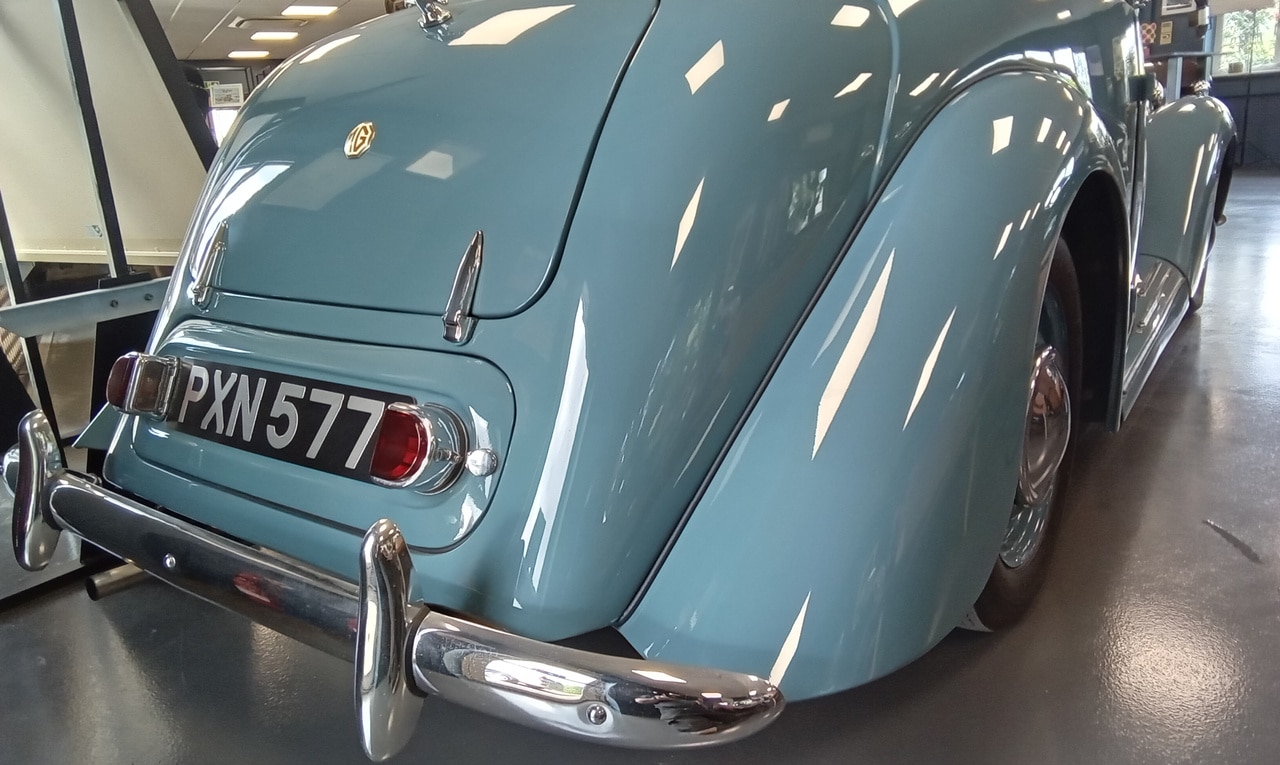
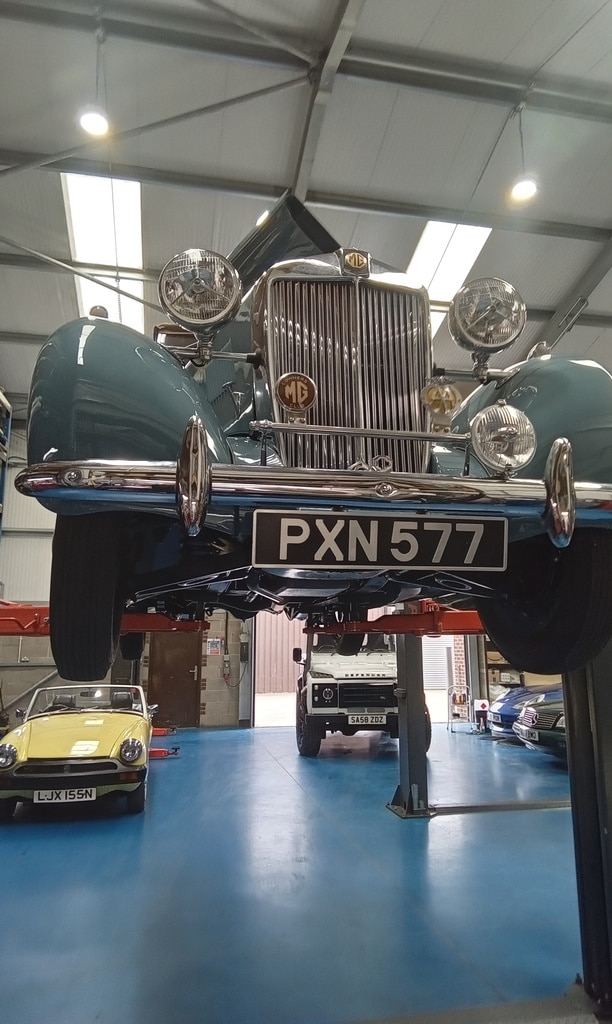
It’s been over 10 years since we first met this stunning 1949 MG YT. Over the past decade, the Bridge Classic Cars team have been looking after the car following its total restoration. Recently, the classic British sports cars owner has notived a fuel issues with the car which he has asked our classic car restoration team to get to the bottom of. Diagnostics on classic cars is very different than trouble shooting a modern car.
This particular skill relies on decades of experience and an intrinsic understanding of how the machine works as a whole but also how each system interacts with another. Part of the diagnostic sessions have been to look into a rotating noise reported by the customer. To begin with, our workshop manager John adjusted the axle slightly as this can sometimes bind slightly and allow for noises to be transferred to the cabin. After this, our restoration technician Jon began to dive into the post-war project to investigate this aswell as a wiring fault between the fuel tank and the dash mounted gauge.
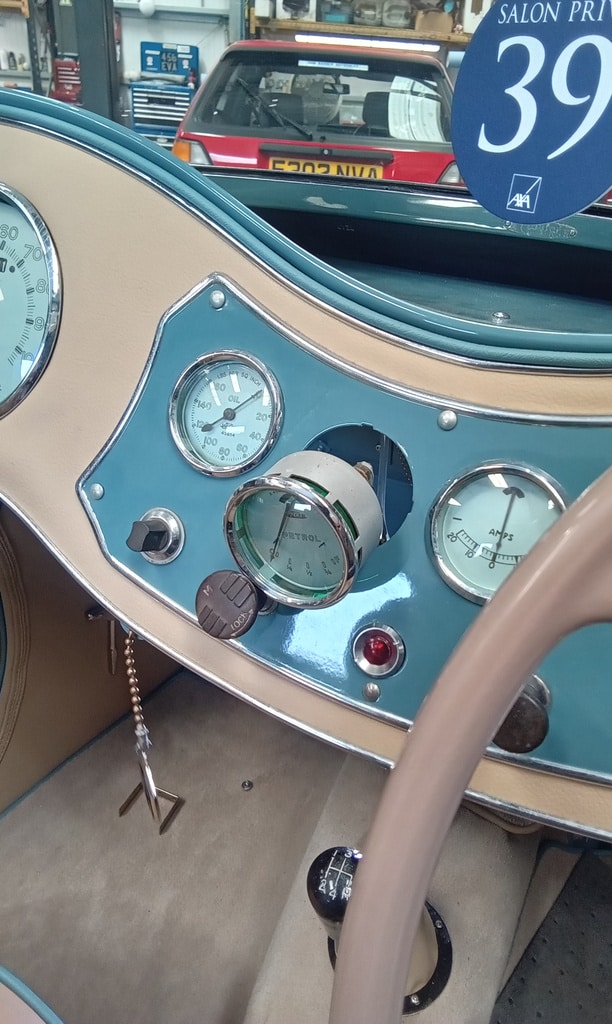
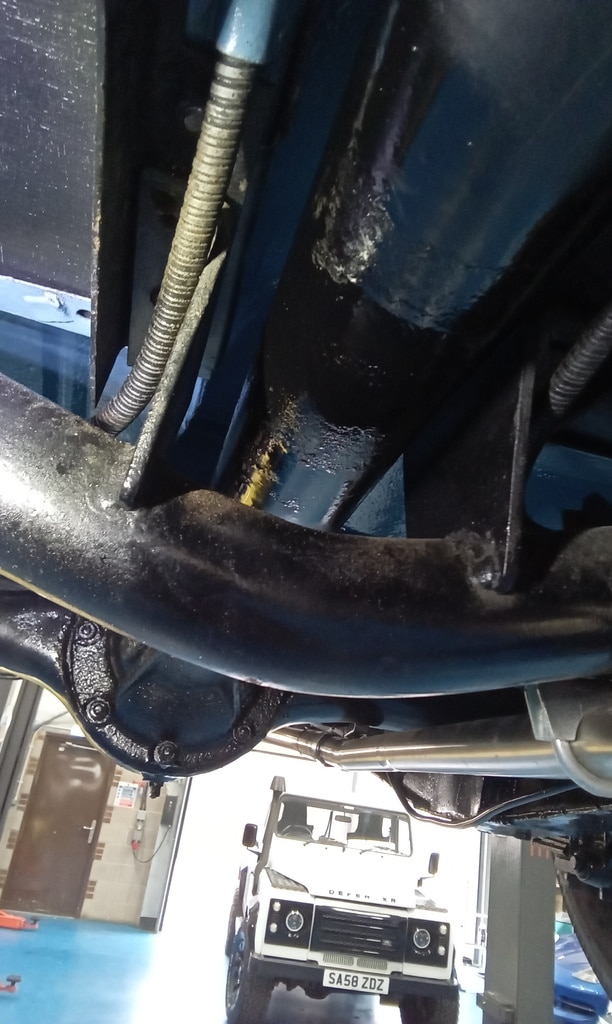
‘Road test and listen for noise. Raise in the air. Brakes tight so adjust slightly. Look for witness mark for rotational noise reported. No obvious mark found, but John has already adjusted axle. Top up coolant 2.5ltrs. Start up and sounds like minor exhaust blow. Reseal rear joints. Check fuel level. Gauge says 3/4 but tank sound empty. Dip tank and confirm level very low. Put in 5ltrs. Short out sender and guage reads full, so suspect sender seized. Get off ramp and road test again. Holding back and slightly rough idle. No rotational noise heard. Take outside and carry out road test with Anthony to listen for noise’
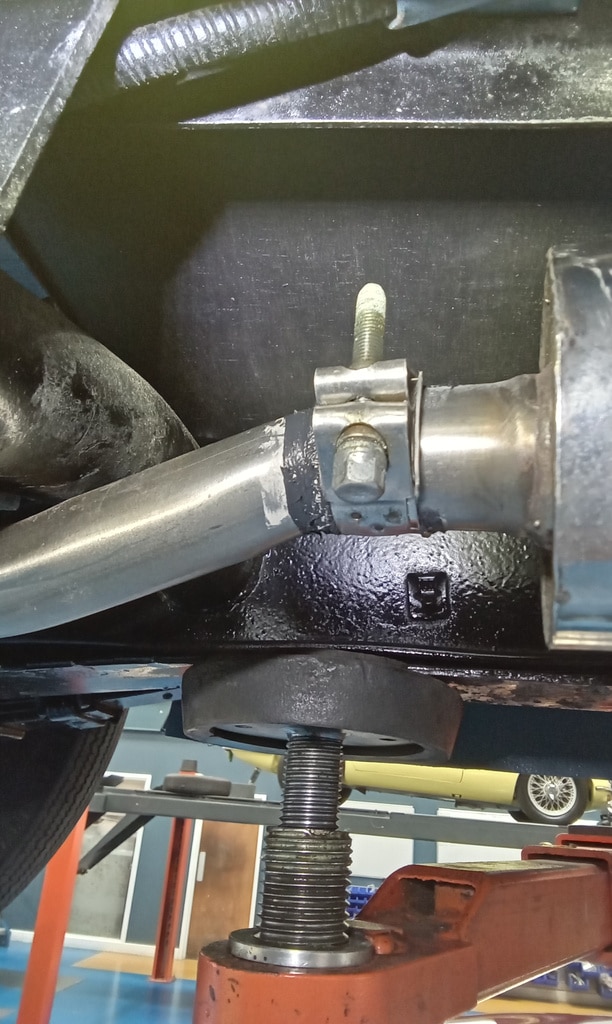
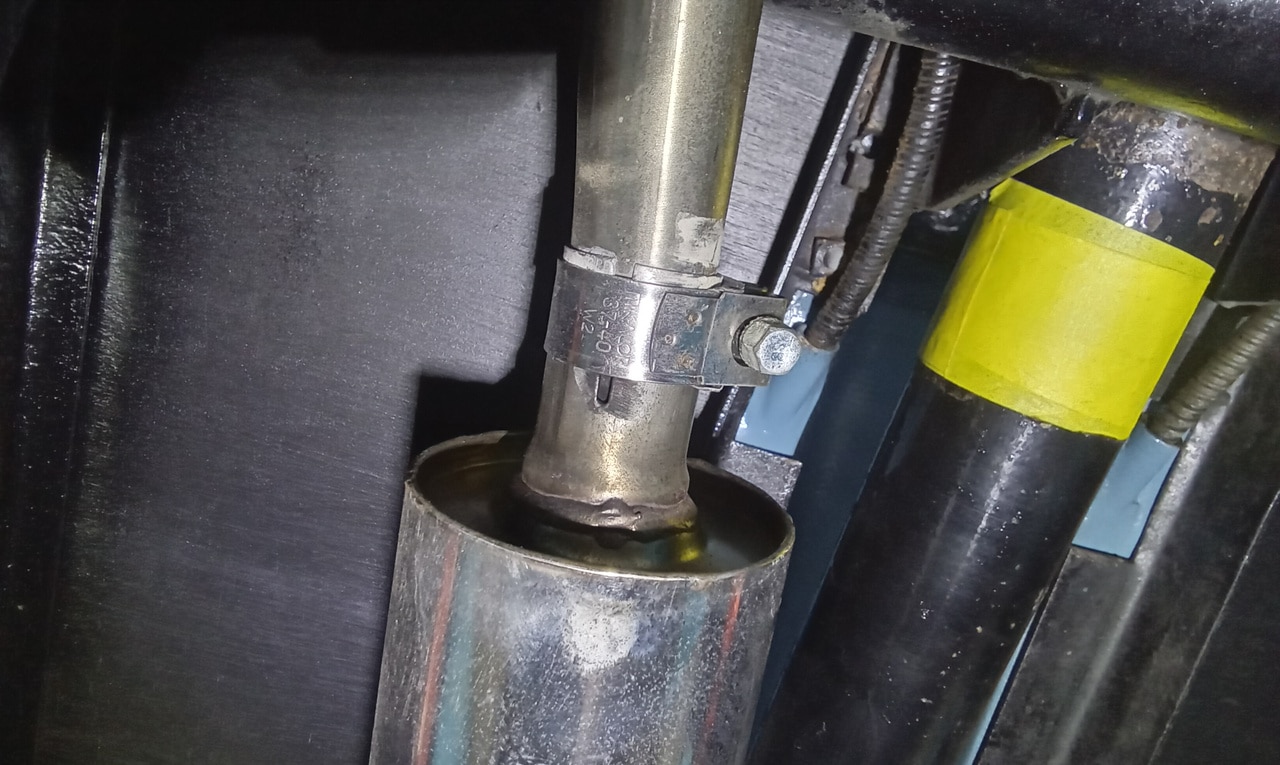
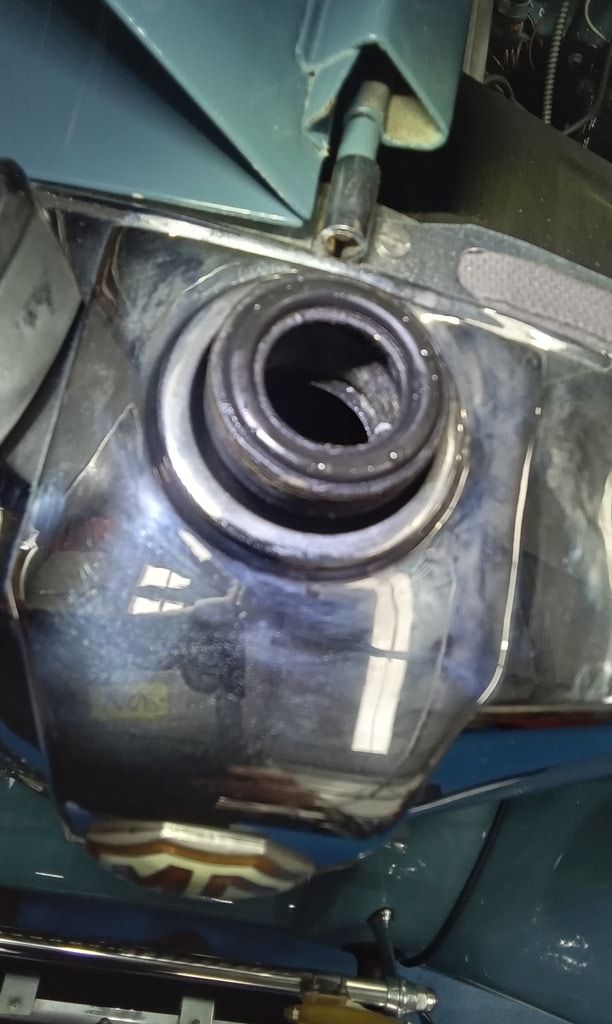
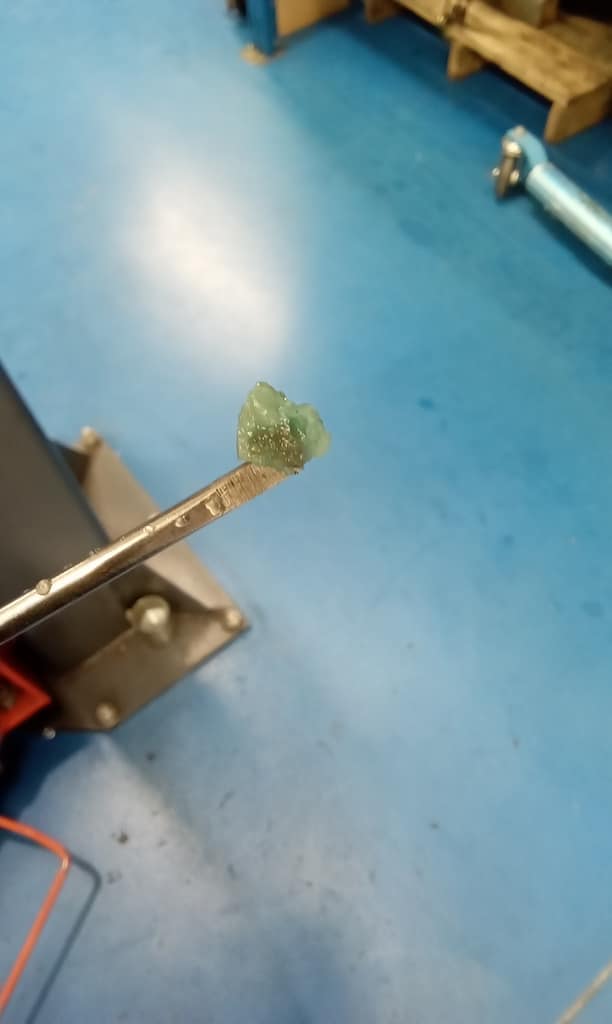
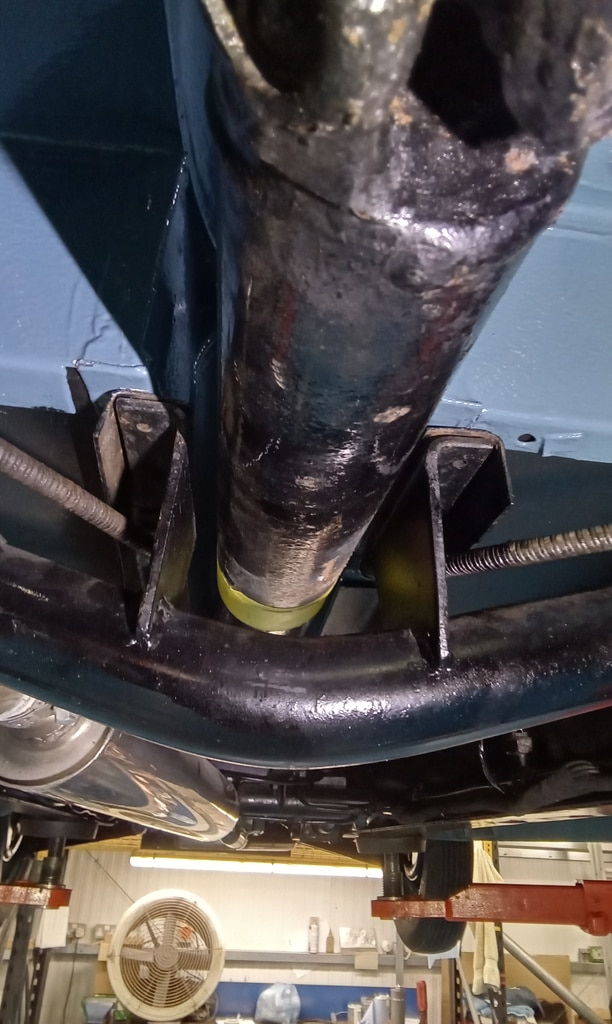
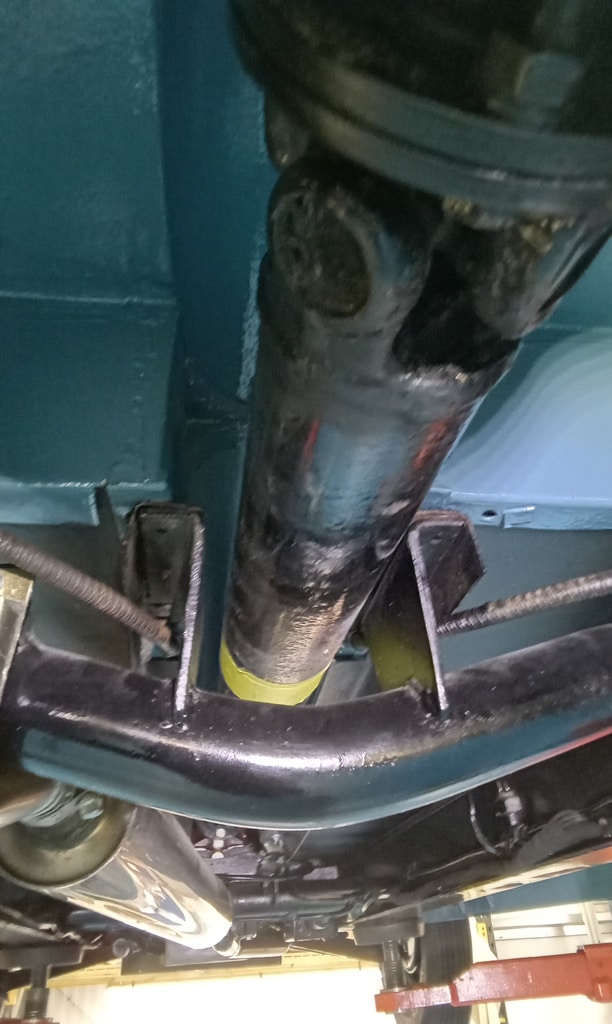
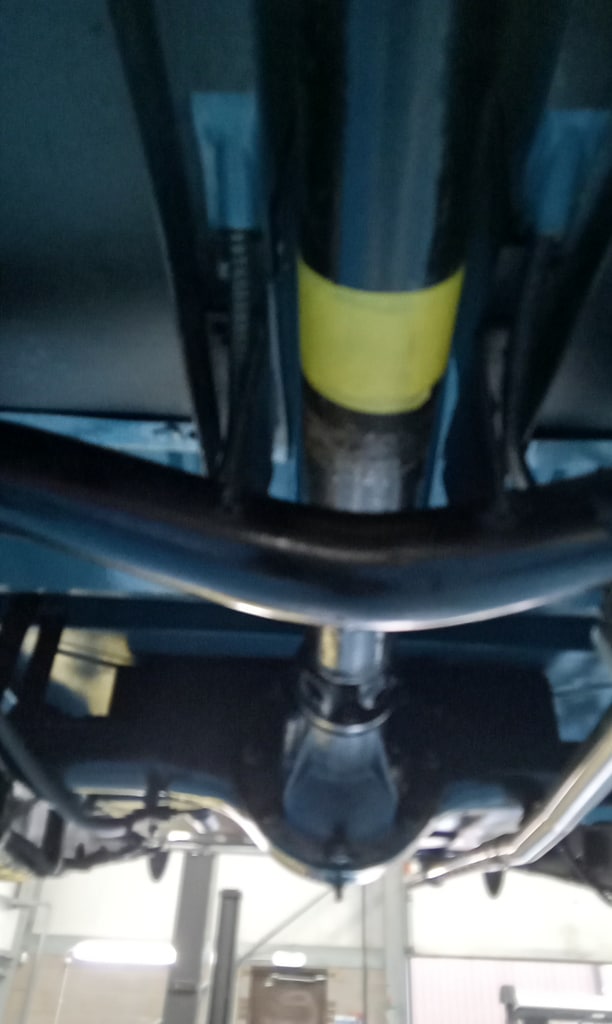
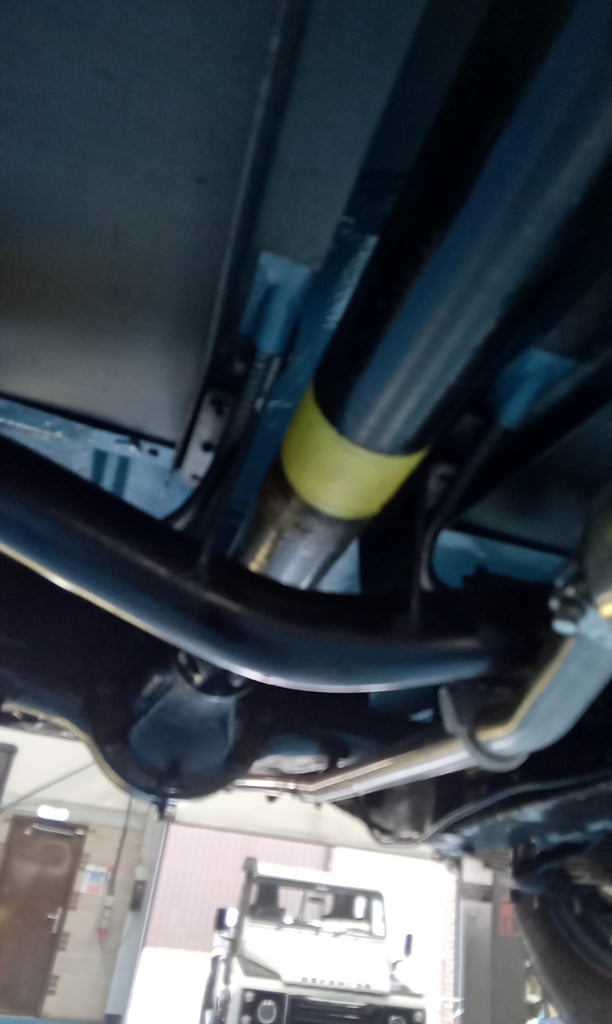
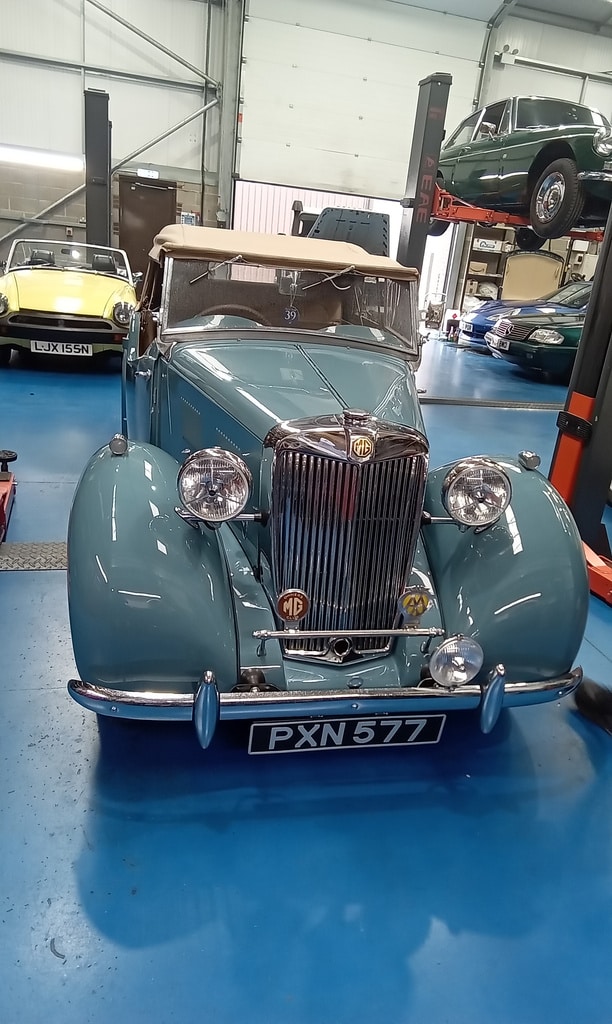
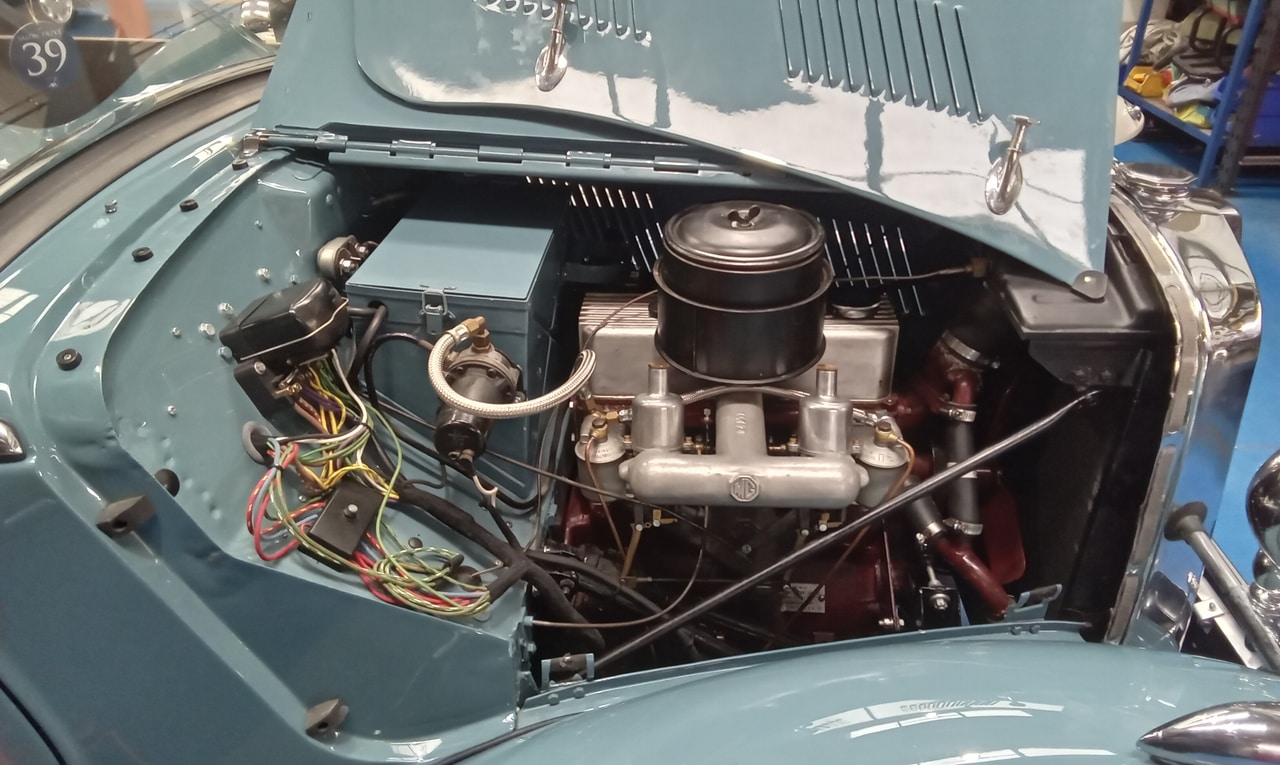
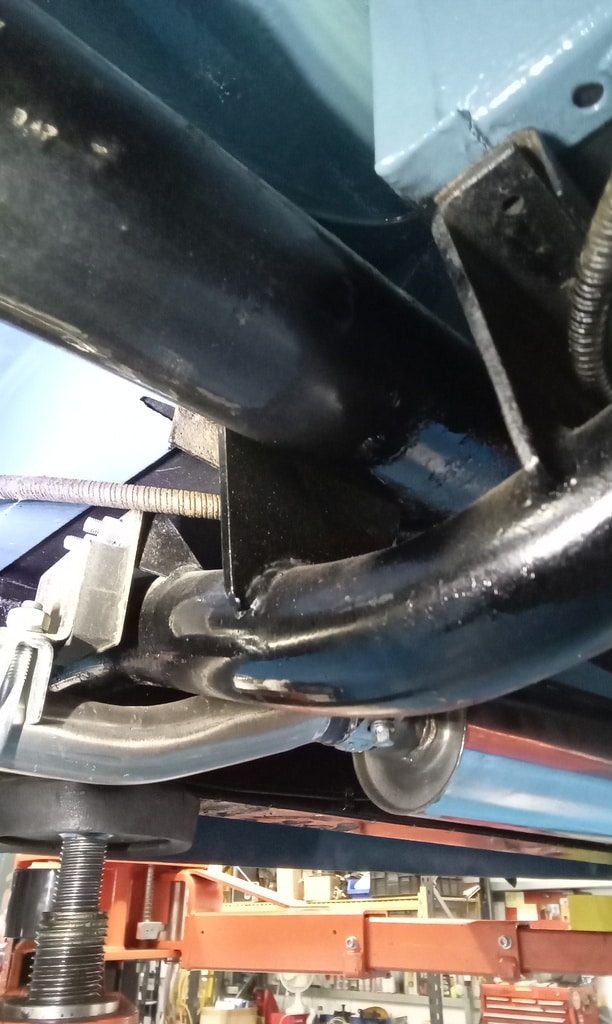
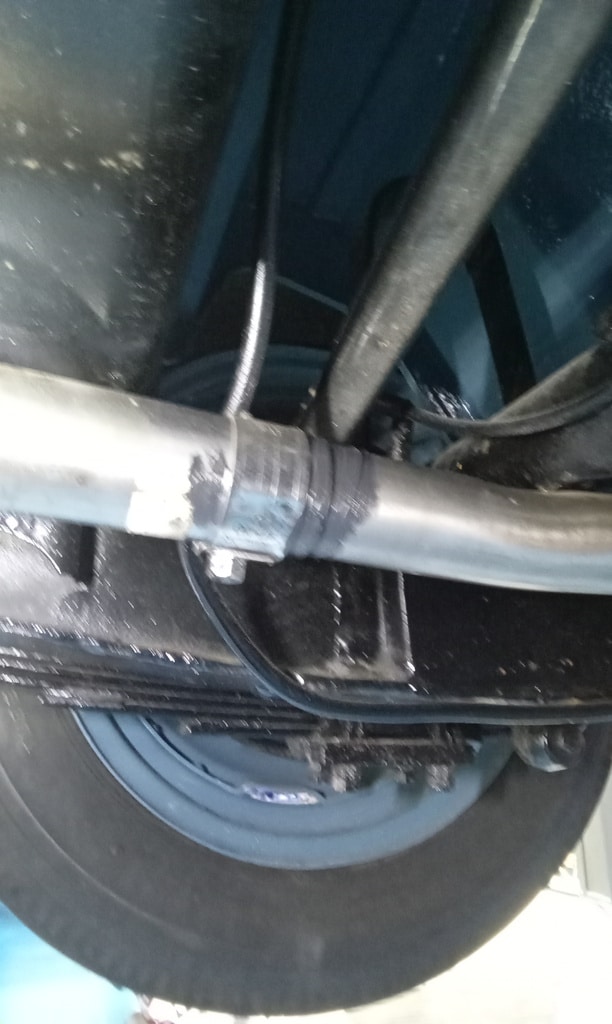
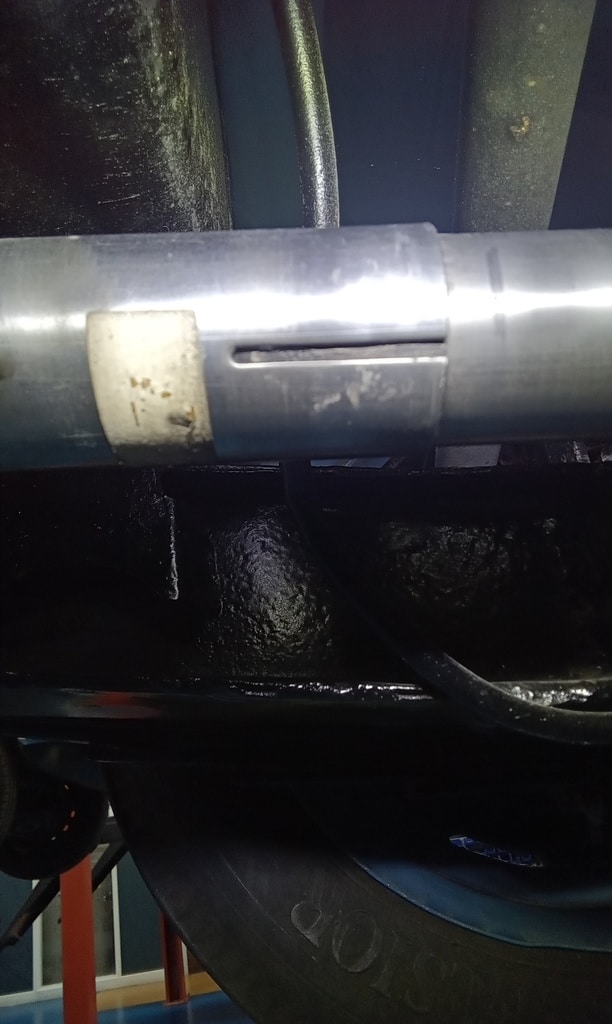
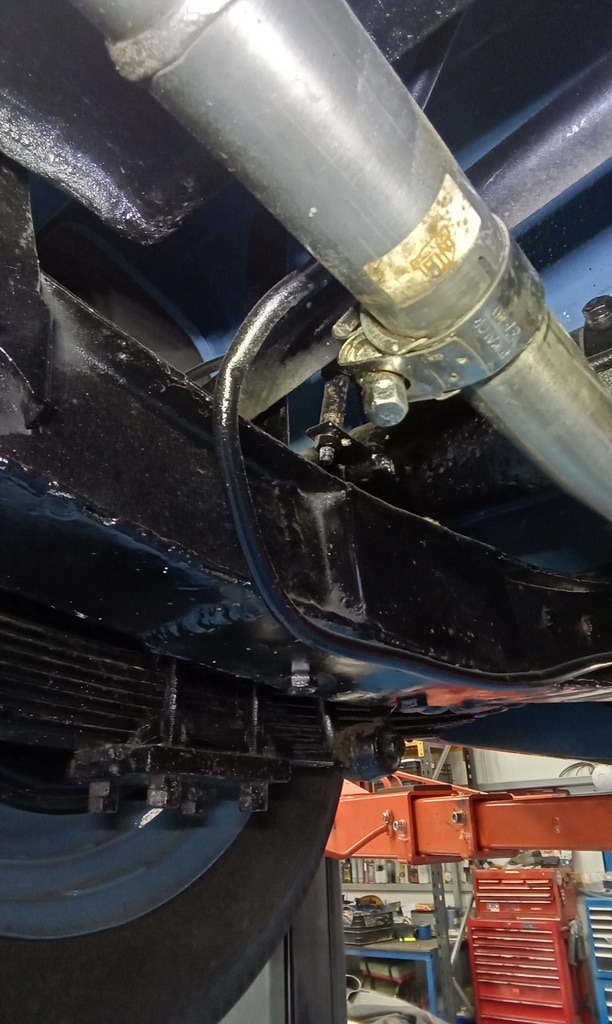
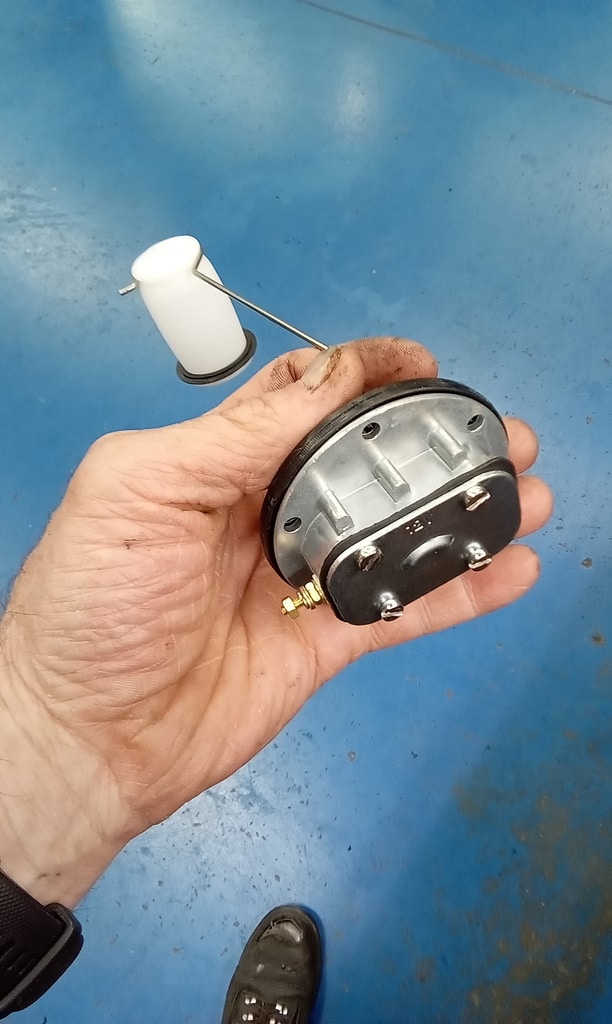
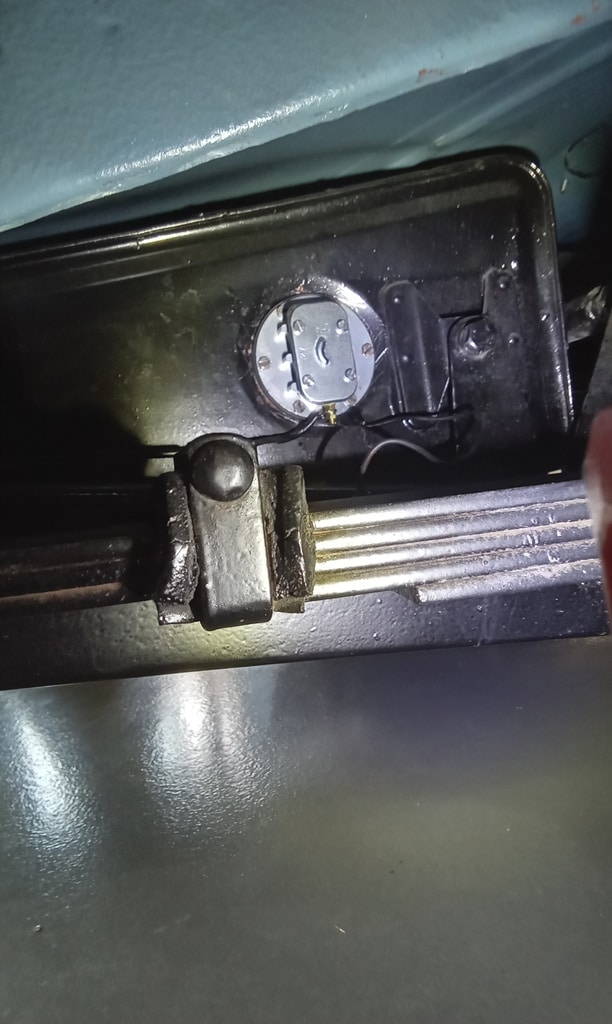
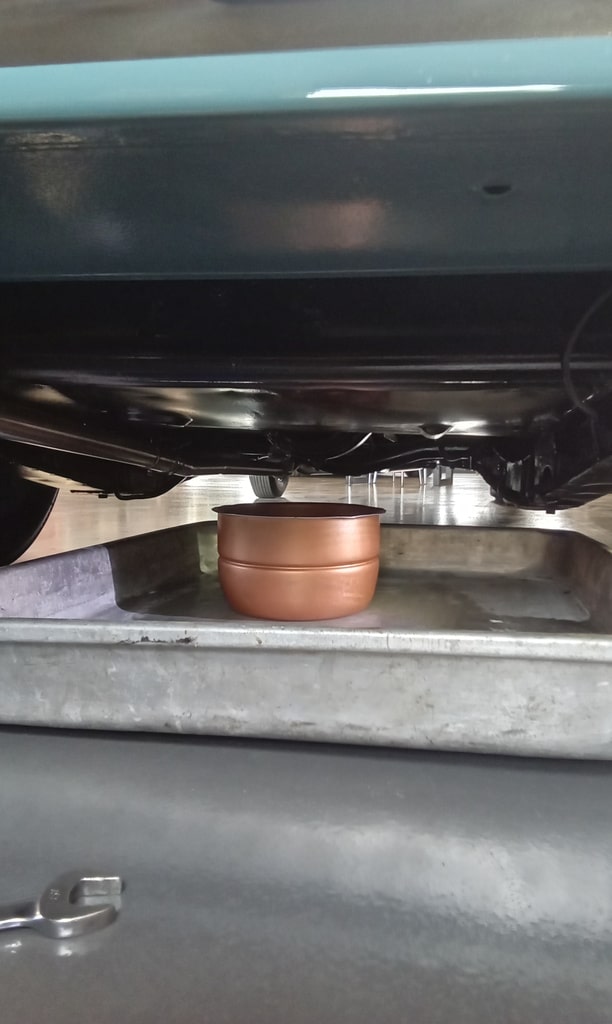
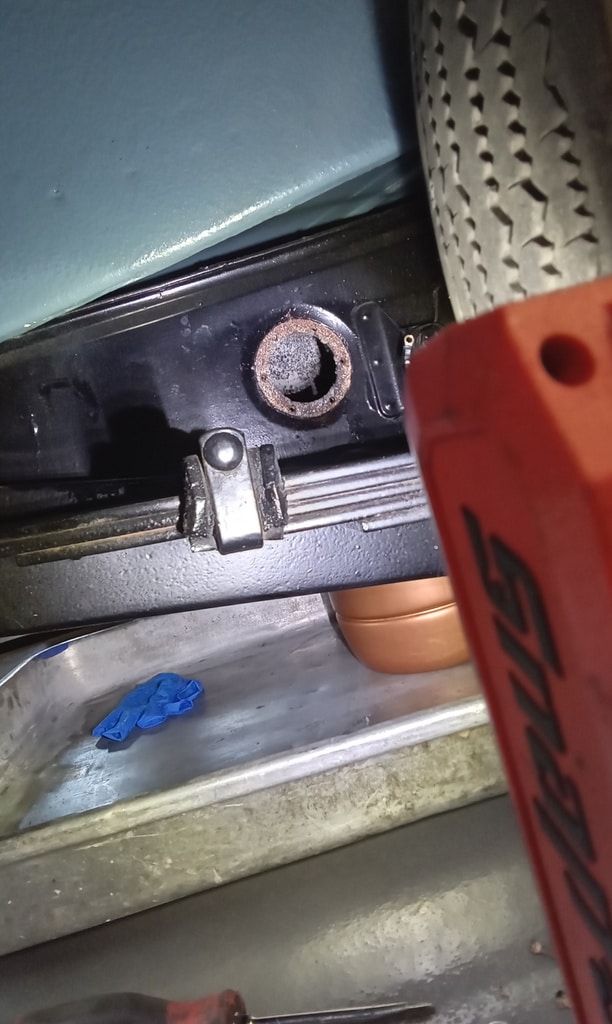
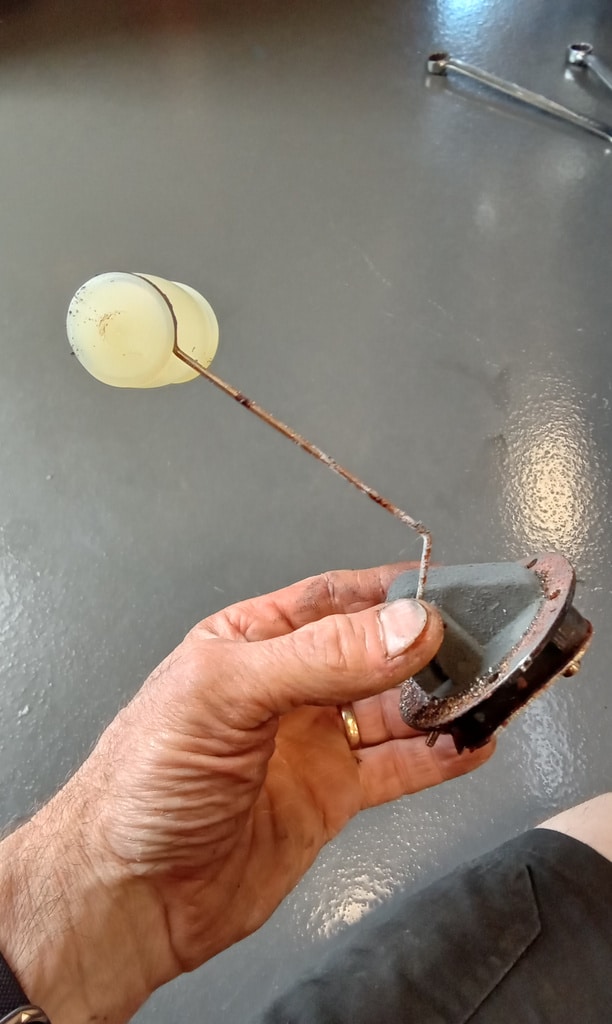
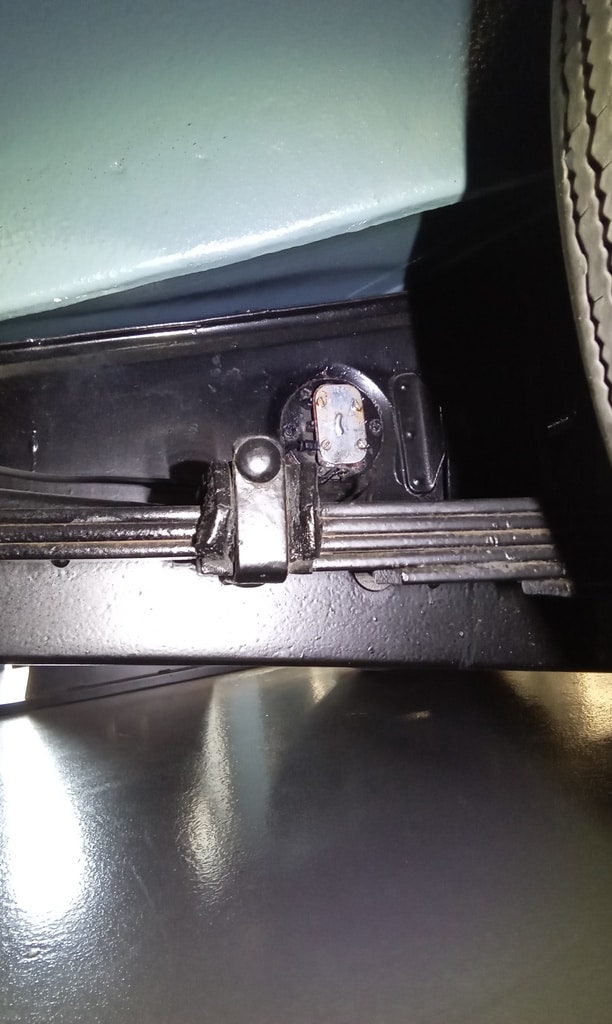
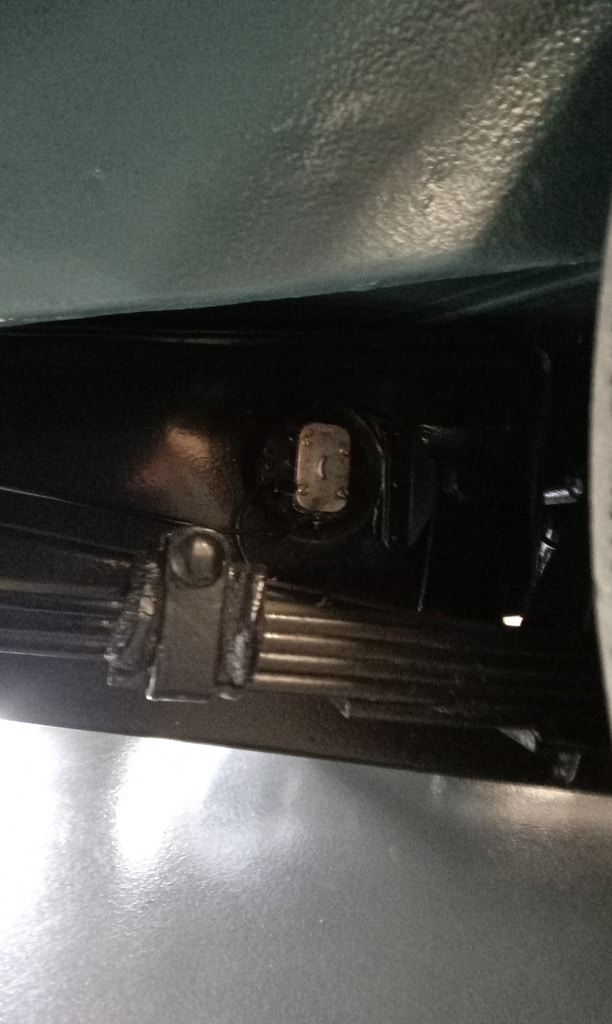
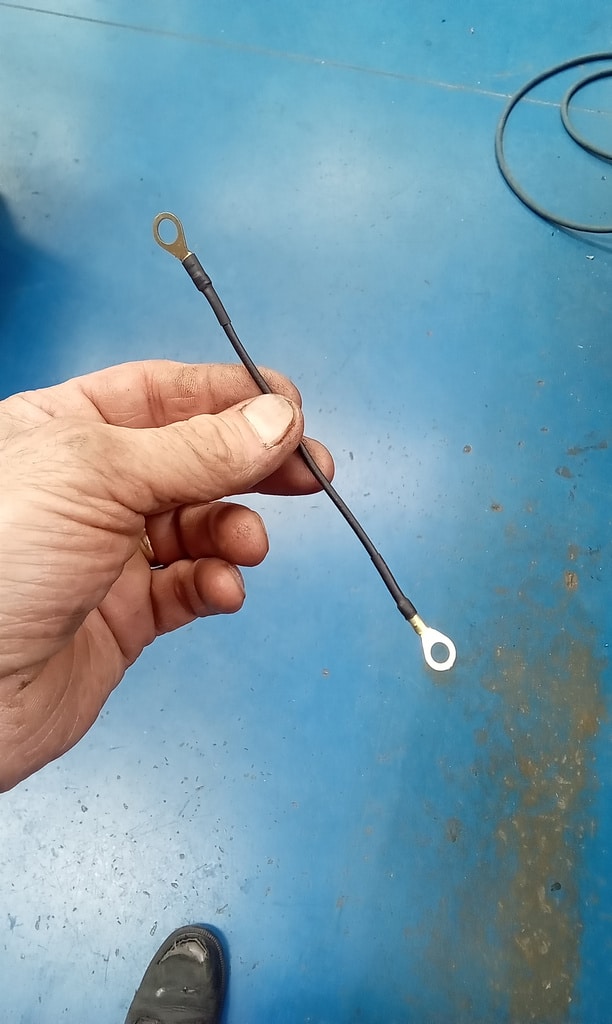
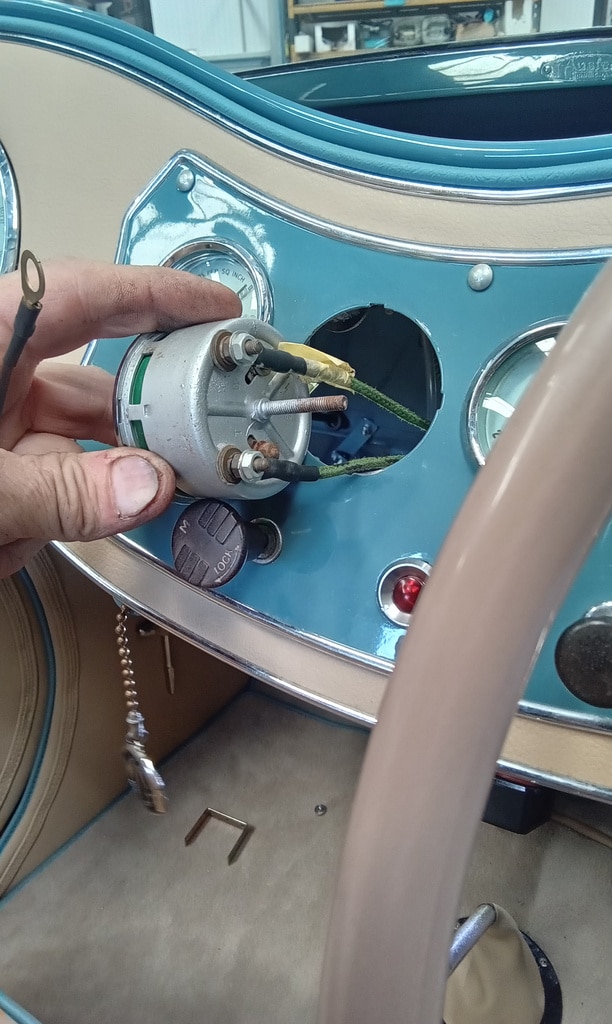
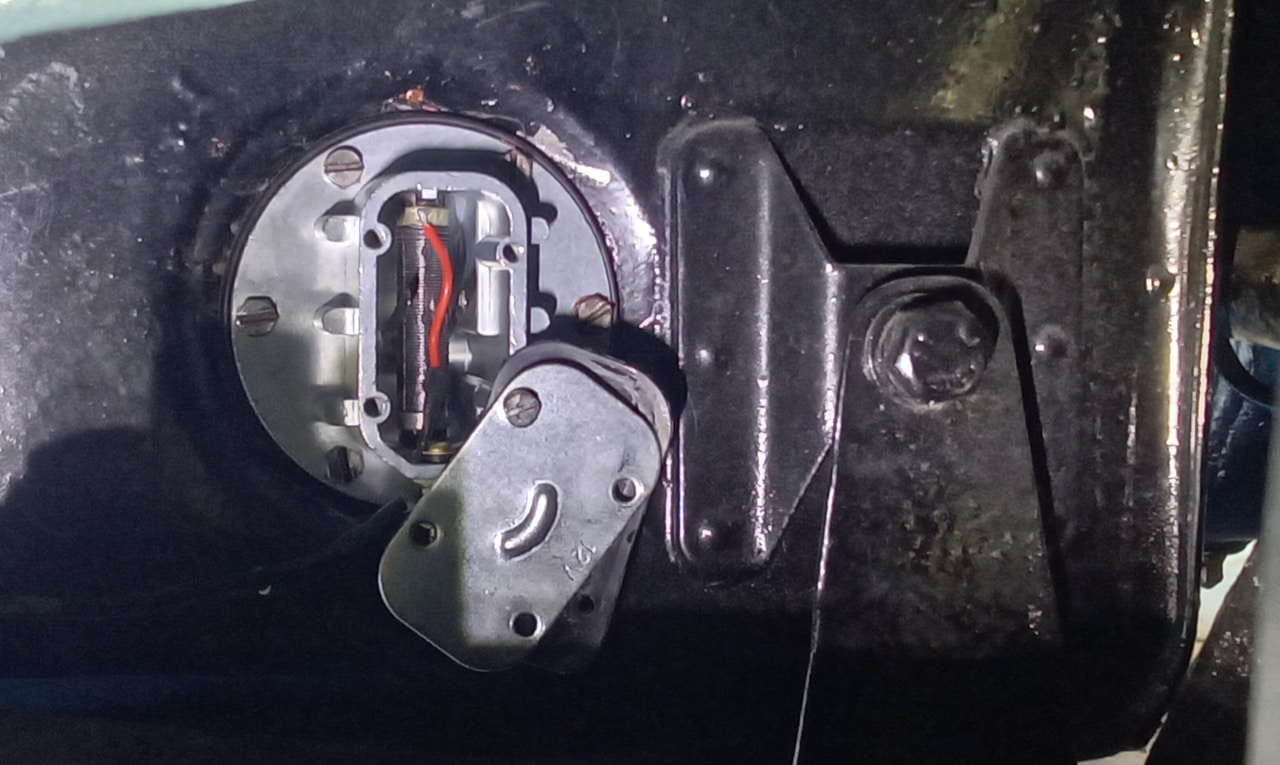
‘Fit new fuel tank sender. Drain a bit of fuel as weeping from bottom screw holes. Remove old unit. Confirm seized in3/4 position. Clean face and fit new sender. Apply sealer to screw threads. Conne t and test. Guage still reads 3/4 even though it’s nearly empty. Further investigation required. Investigate fuel guage reading erratically. Check wiring to sender. Pull earth wire off as not required. Check connections to guage. Remove guage and earth on dash and get different readings. Each time needle sticks andneeds tapping to return to zero. Make up earth wire for guage and secure wiring to guage. Wire in earth to guage. Refit guage and secure I dash. Test again. Still getting inaccurate and erratic reading. Remove sender top and get Nick to watch guage as I sweep sender through full operation. Guage reads full when full then sticks. Suspect guage. Needs further testing.’