


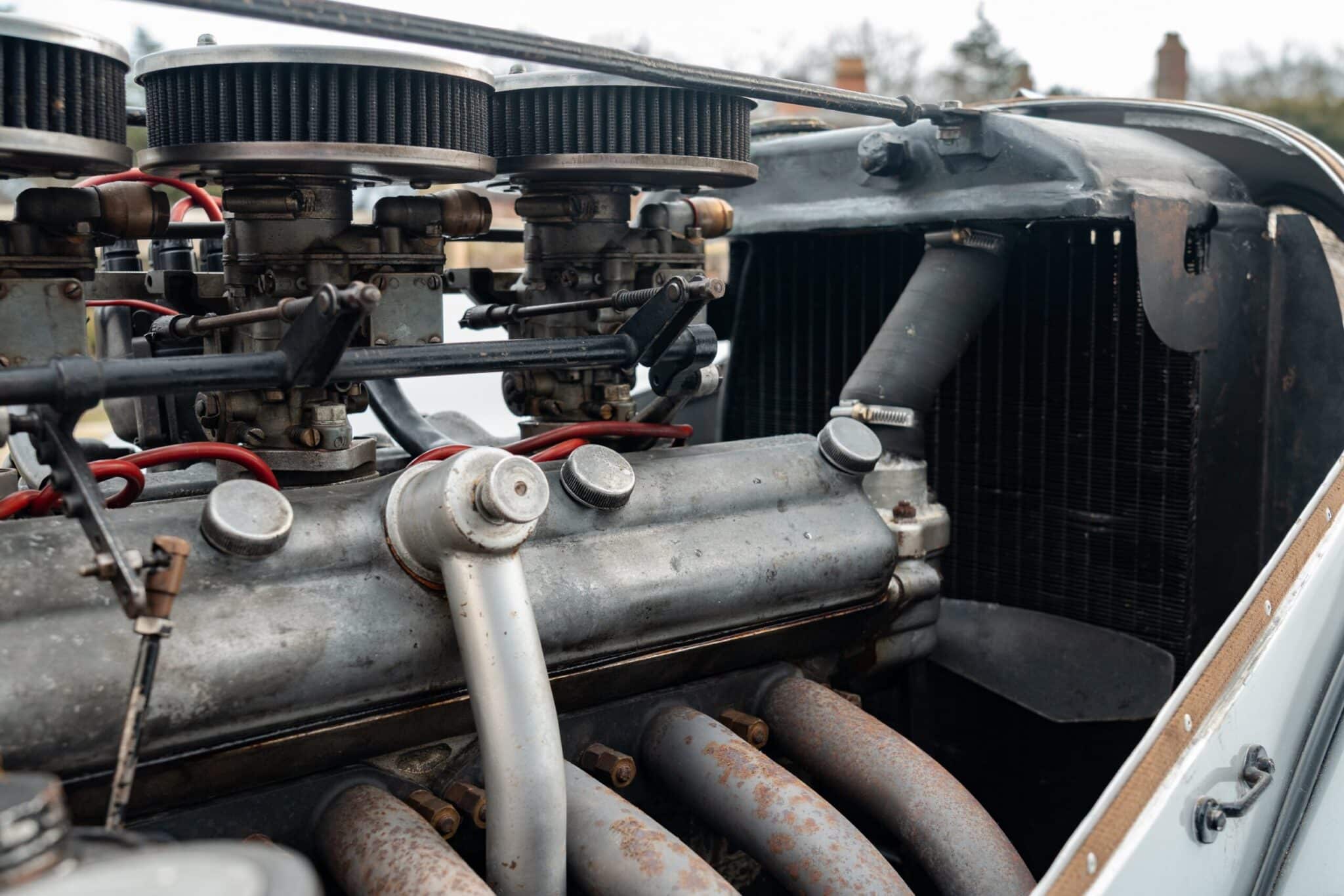
Built between 1936 and 1940, the BMW 328 became one of the most well-known performance cars of its time. With its 1,971cc straight-six engine, lightweight construction and great handling, the 328 dominated sports car racing across Europe and helped cement BMW’s reputation for engineering excellence.
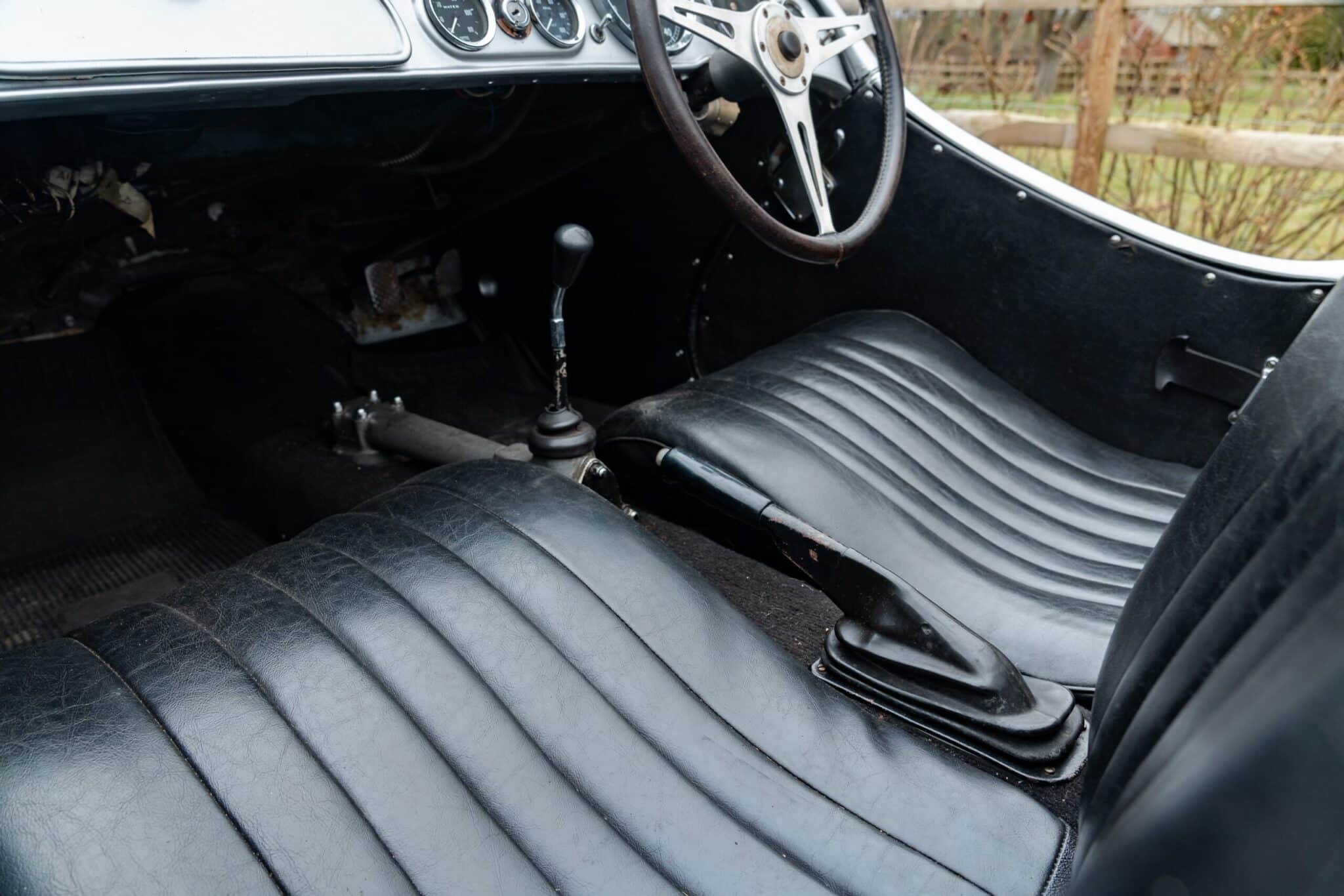
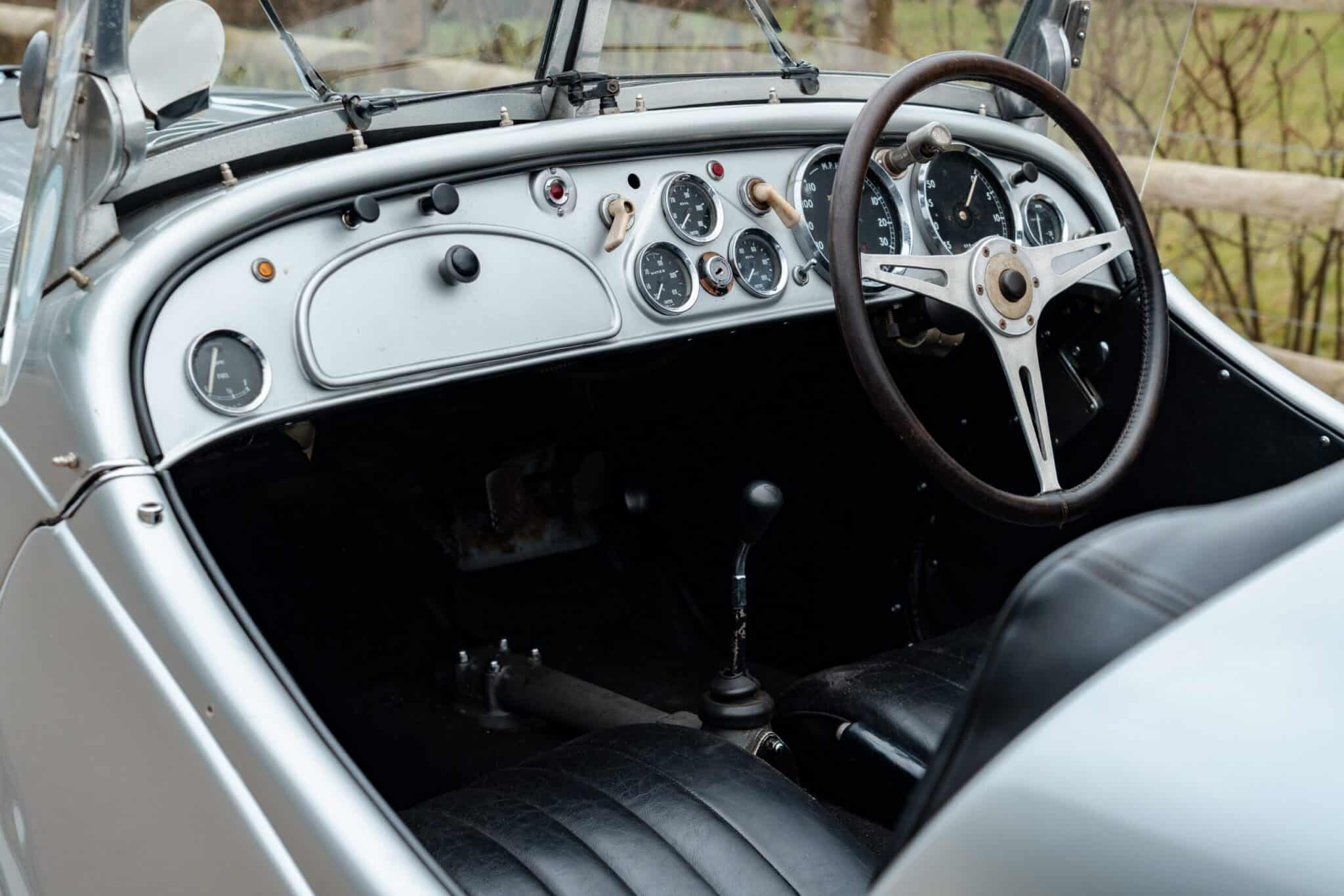
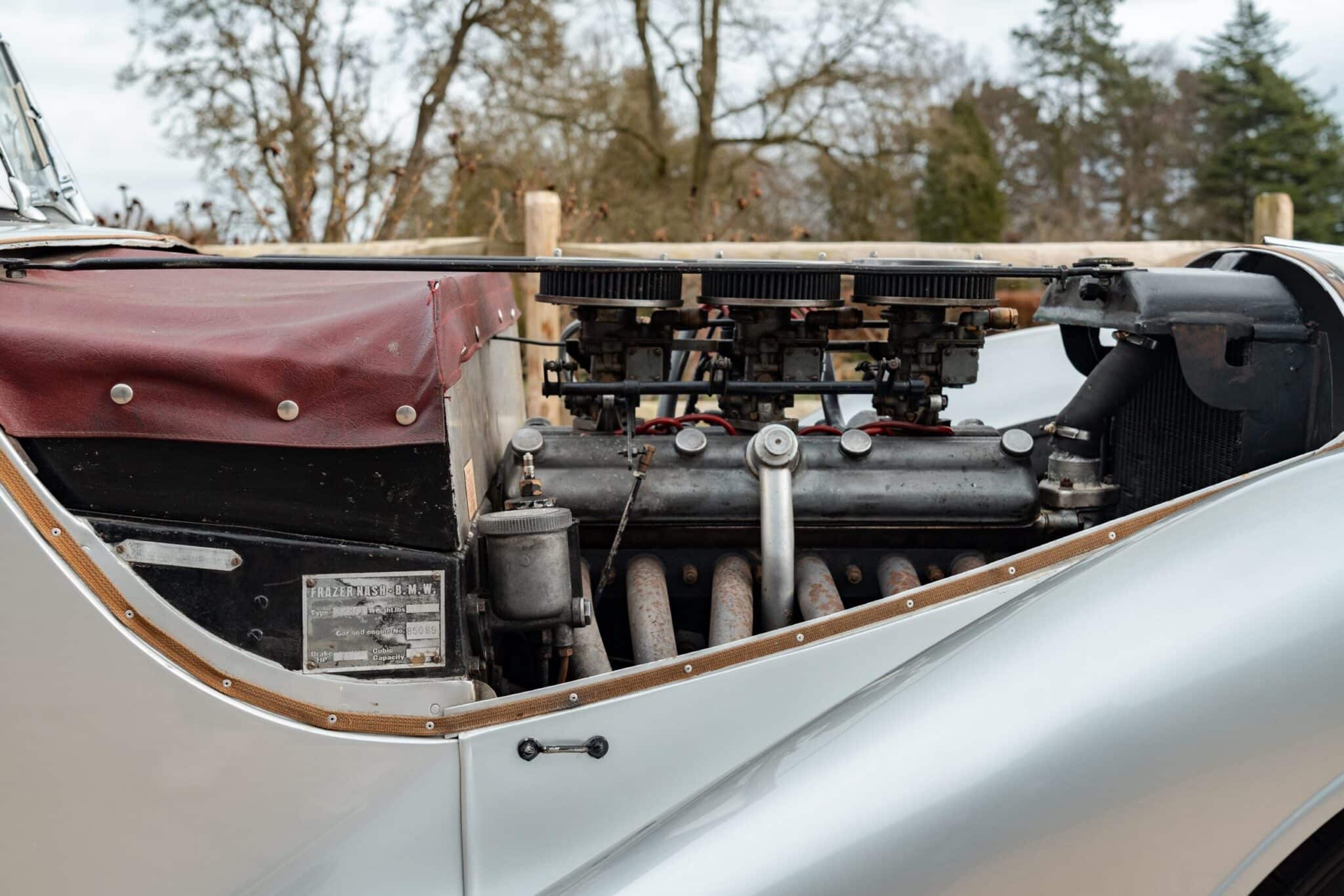
As much as the model, in general, is celebrated for its success, there are individual cars within its production that have special stories of their own. One such car is DYX 612, a 1937 Frazer Nash-BMW 328 Roadster, with chassis number 85089.
It’s had a mixed life and now finds itself in an upcoming H&H Classics auction, where it looks to find a new home.
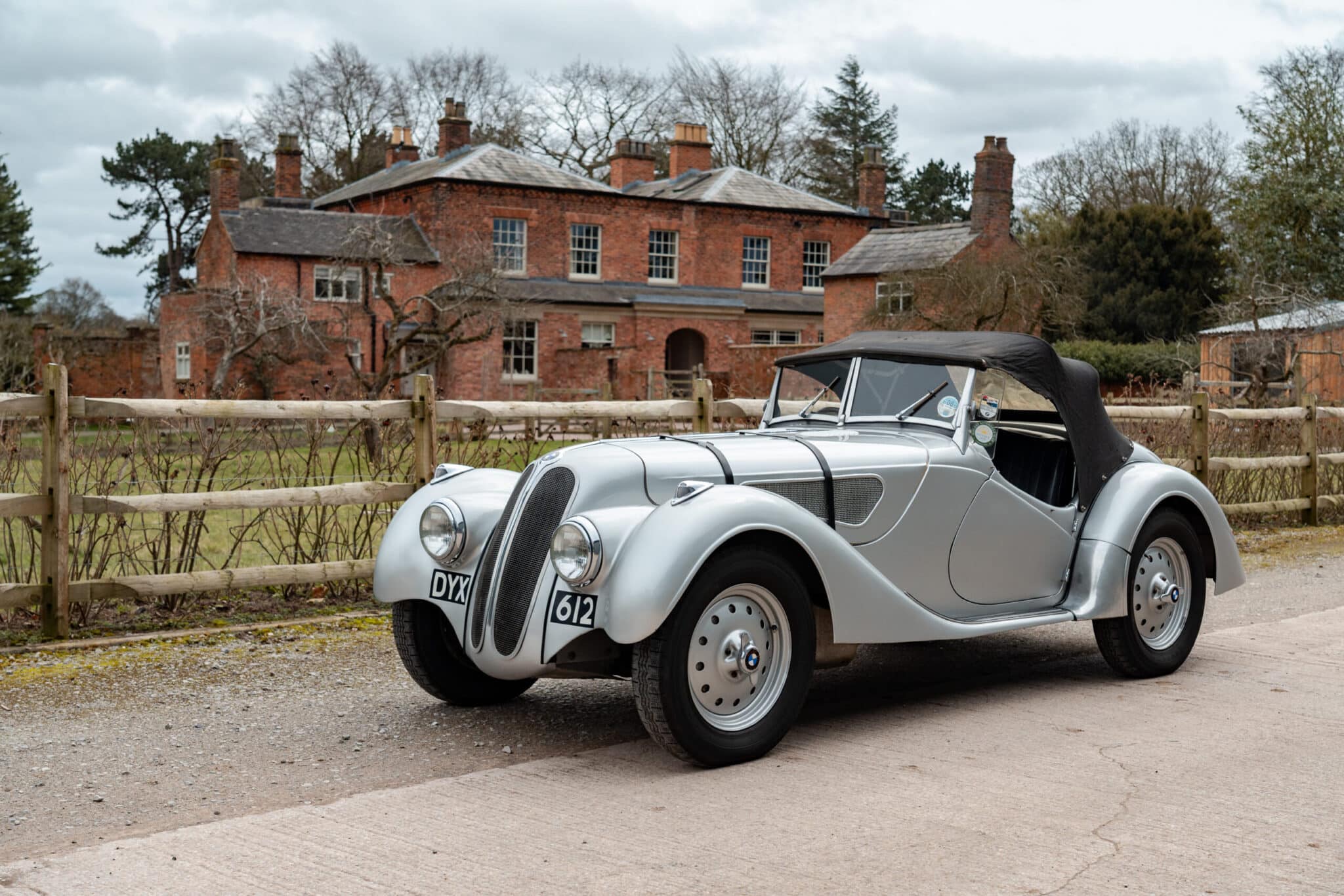
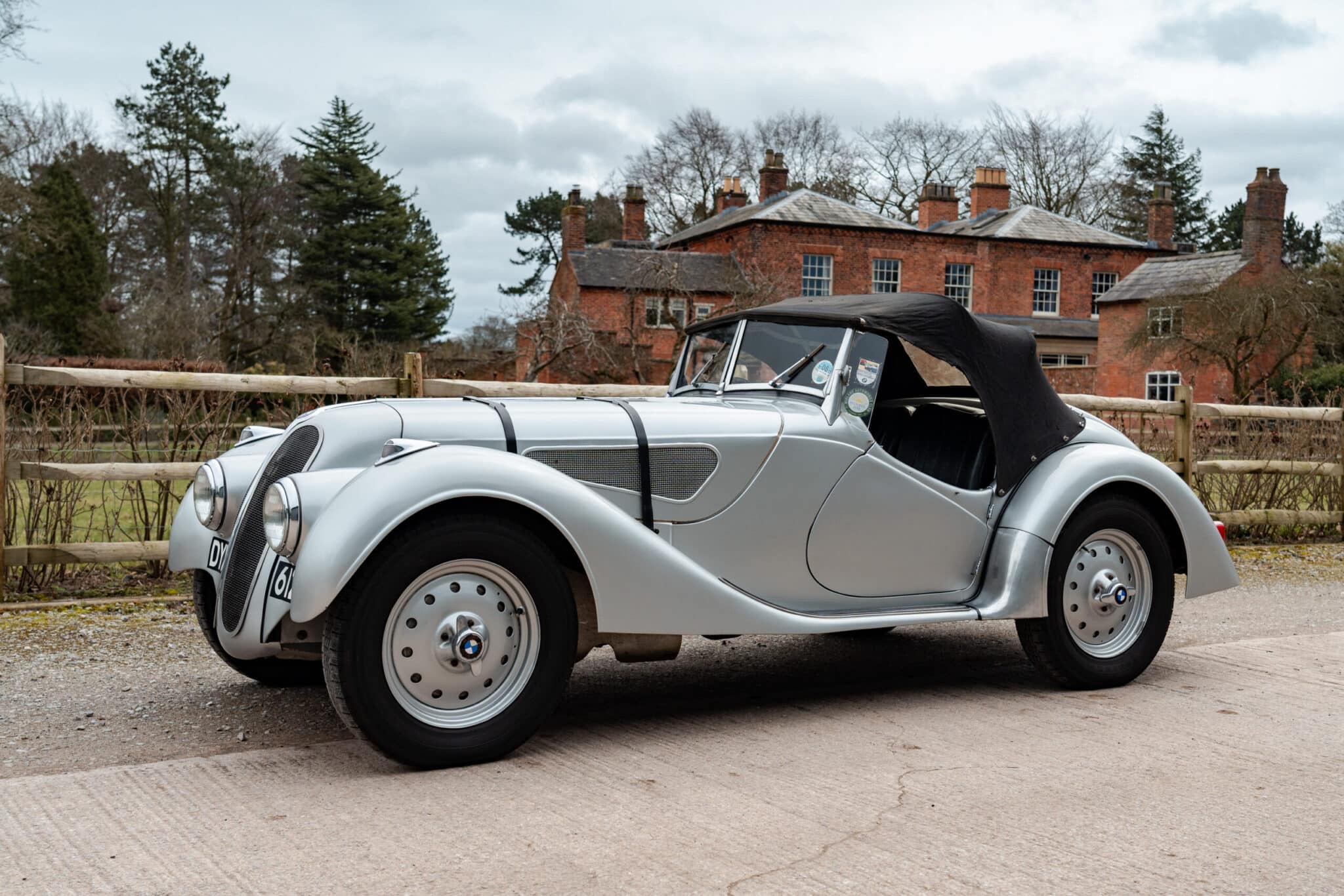
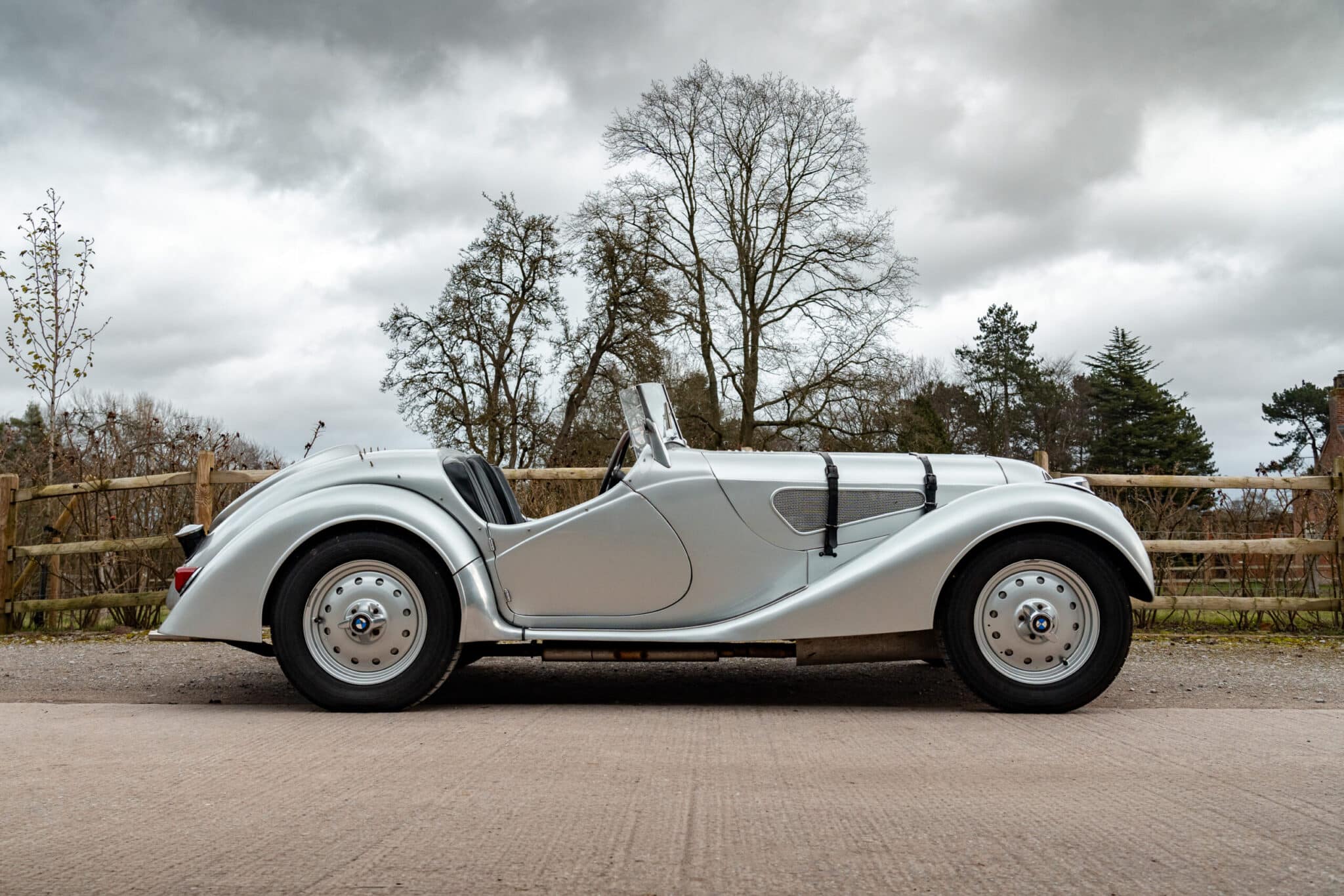
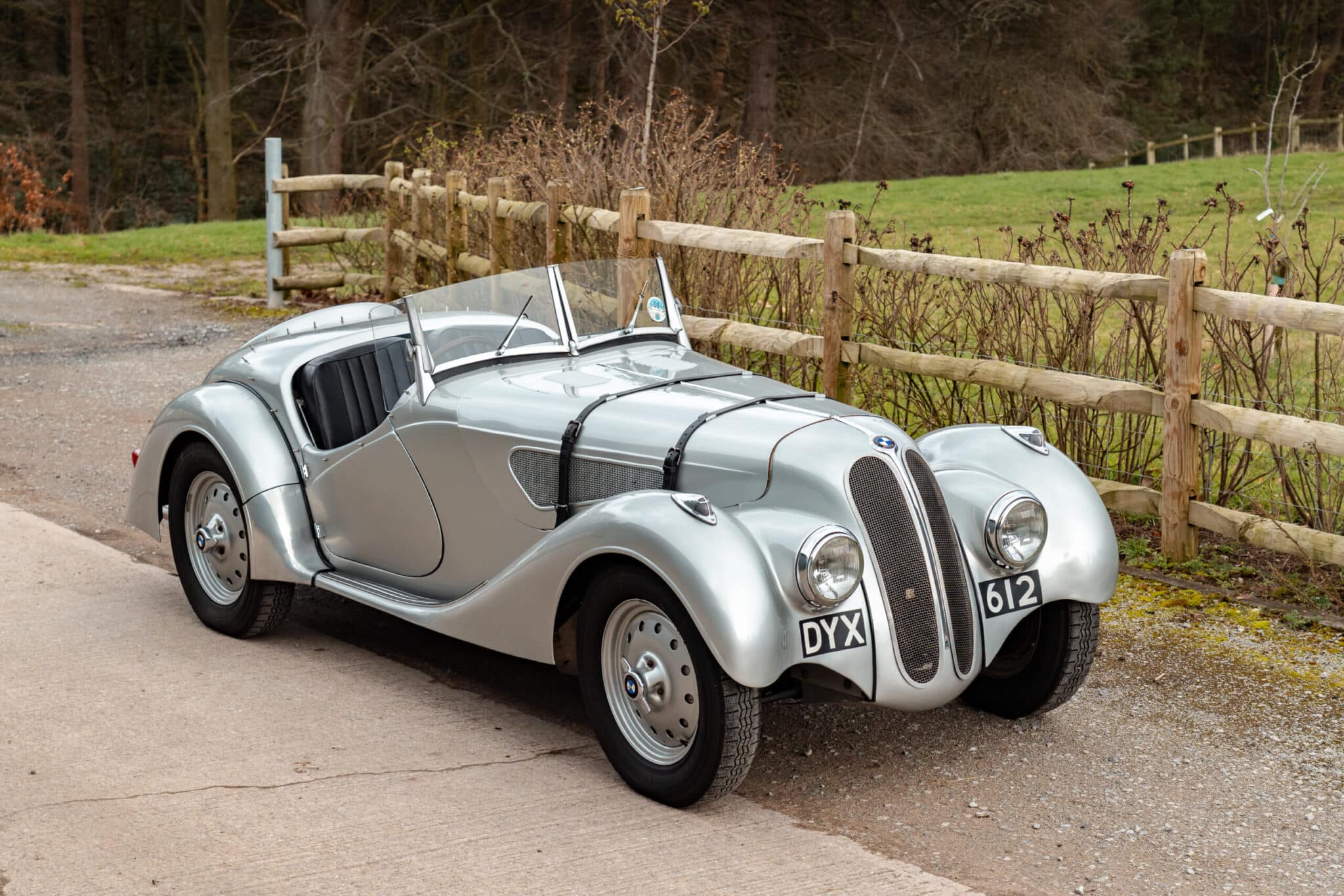
A Scottish Beginning
Chassis 85089 was delivered on 16th July 1937 through London BMW importer Eustace Watkins Ltd. Its first owner was Captain A. Grant of Carron in Strathspey.
At this time, BMW did not sell cars directly in Britain. Instead, imports were handled by AFN Ltd., whose Frazer Nash brand gave rise to the name Frazer Nash–BMW. Right hand drive examples were relatively rare, and this car belonged to a small group built specifically for the British market.
AFN’s sales ledger shows that Captain Grant used the BMW extensively, with regular maintenance entries recorded during the late 1930s.
Competition
Like many BMW 328s of the period, DYX 612 ended up in the motorsport world.
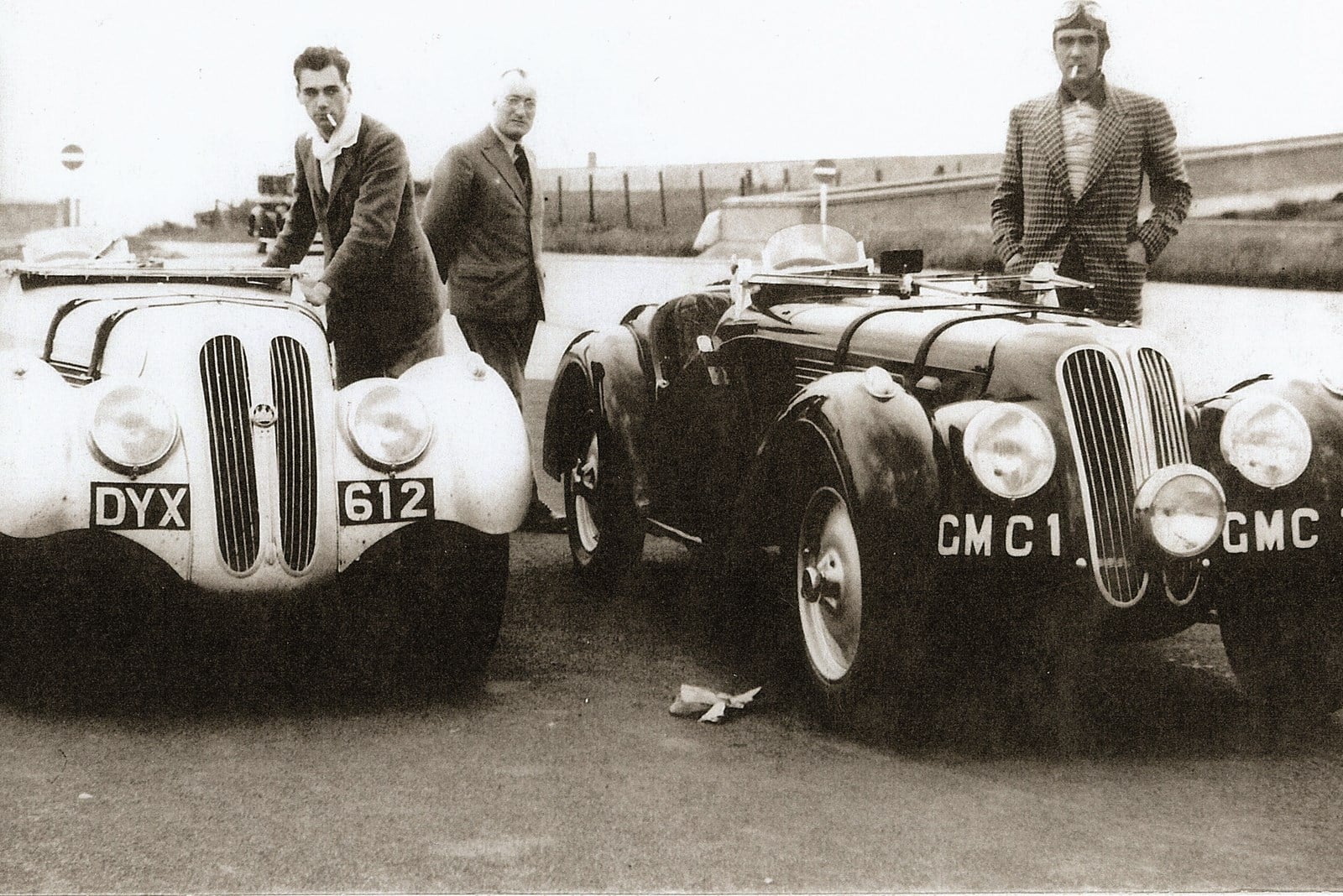
A surviving photograph actually shows the car parked alongside another BMW 328 registered GMC 1, a well-known competition car owned by A.F.P. Fane, who was one of the leading British BMW drivers of the time.
By the summer of 1939, the car had passed to K.N. Smith, a rally driver who had already taken part in several major British events during the late 1930s.
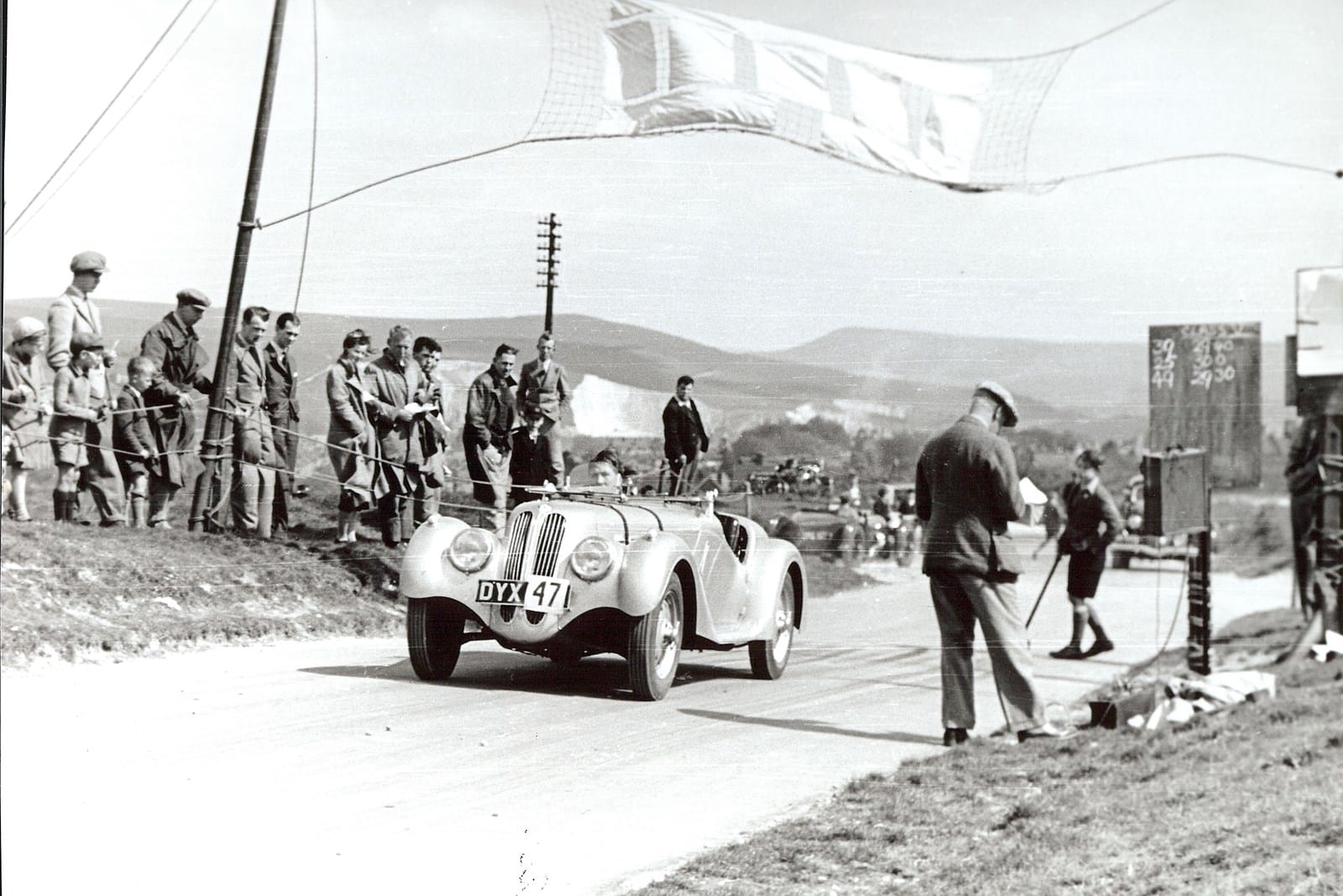
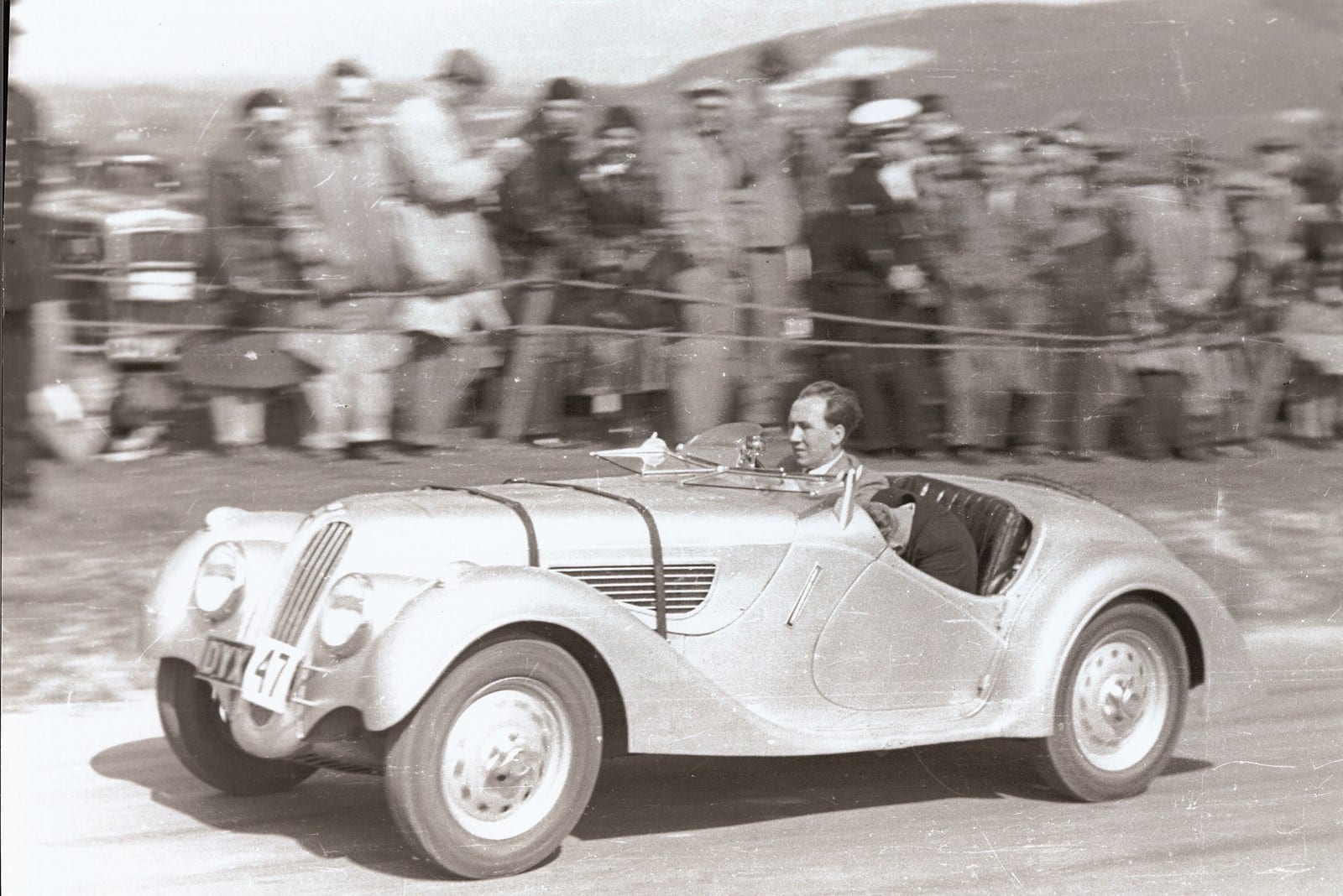
Smith entered the BMW in the 1939 Welsh Rally, and period records suggest the car may also have appeared in other events of the time. It was also photographed by motorsport photographer Louis Klemantaski at the Lewes Speed Trials in 1939.
Post-War Life
The Second World War brought most motorsports to a halt, and like many performance cars, this car entered a quieter phase of life.
By 1946, the car belonged to David H. Bloomer of Grimsby and, over the following years, it passed through several owners:
- J. Blake & Co. Ltd., Liverpool (1947)
- E.M. “Mark” Reaston, owner of the Eclipse Copper Company in York (1950)
- Alan Mountain, also based in York (1958)
During this period, the car remained active in competition. An interesting story is told that during a race at Croft circuit, the bonnet detached and was run over by a following car. Mountain reportedly spent the following Sunday fabricating a replacement bonnet in the Eclipse workshop.
Forgotten and then Found Again
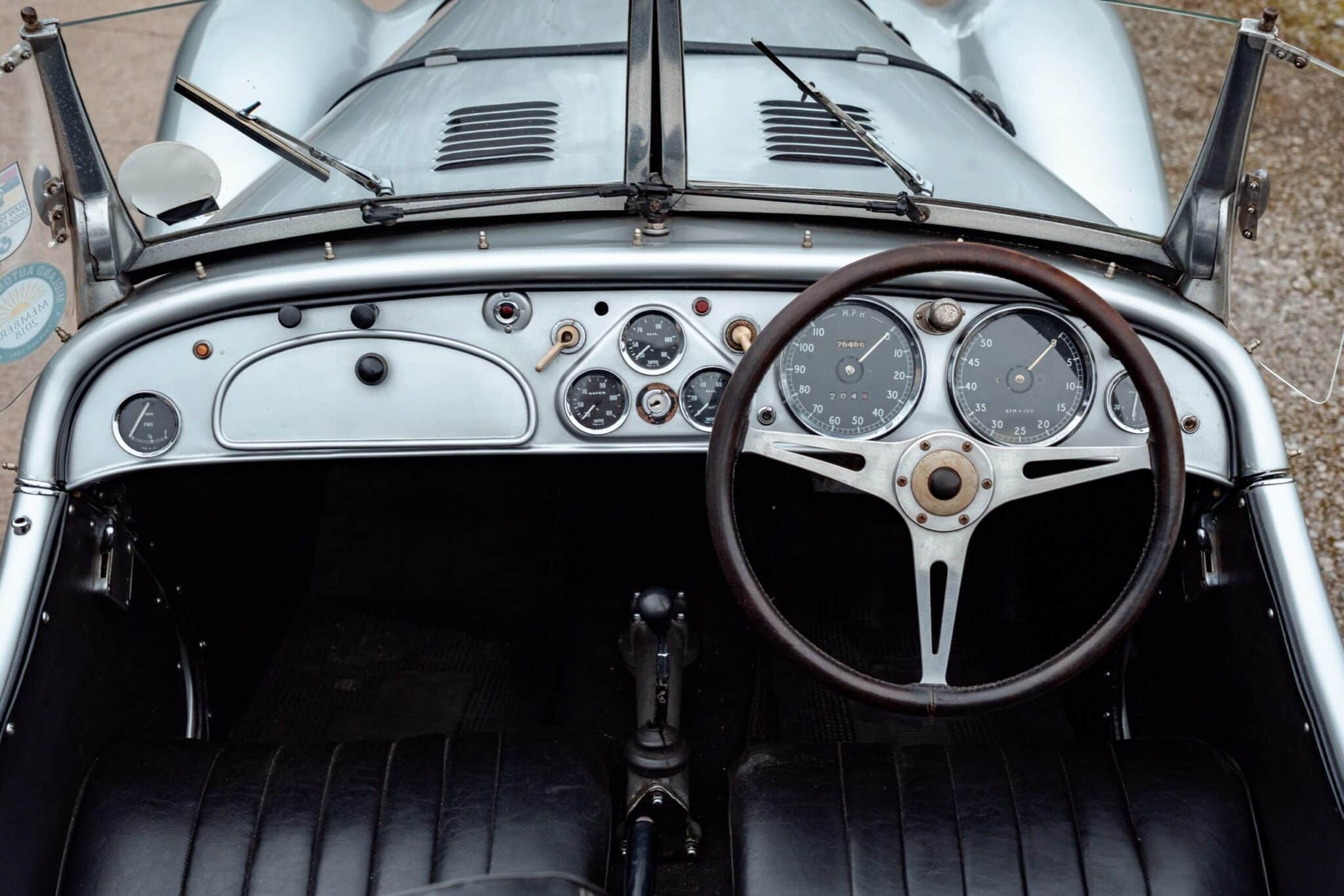
After passing through the hands of David Harrison and his mechanic, “Harrogate Jack” Laing, the BMW was ultimately put away and forgotten about. When enthusiast Guy Smith eventually discovered the car, it was in a bad way! Gravel had built up around the wheels to axle height, the instruments had been damaged by local children, and the car had clearly been left outside for some time.
Despite this, Smith saw its potential and, in the winter of 1967, the BMW was purchased by Smith’s wife for £212 and 10 shillings.
Back on the Road
The restoration that followed returned the 328 to working order, and by 1970, the car was back on the road.
Unlike many historic cars that are restored only to become static exhibits, this one was used exactly as intended. The Smith family drove it widely across Europe, touring Italy and Germany and using it regularly for long-distance journeys.
The car also returned to motorsport when, in 1972, it took part in the second running of the historic Mille Miglia. Two years later, it won its class at the Harewood Hillclimb.
Preserving the Car
A second body restoration began in 1996, while the original matching BMW engine was overhauled between 1999 and 2007 by specialists Brian Taylor and Stuart Baxter. During its active life, the car also ran with Bristol-derived mechanical components, a common modification that allowed many historic 328s to remain usable without risking their original engines.
A Life Well Lived
Many pre-war sports cars survive because they were carefully preserved. However, DYX 612 has survived because it was cared for and used for what it was built to do: be driven and raced.
Now, on 18th March 2026, it will hopefully find a new owner through H&H Classics.
Read more automotive industry news


Leave a Reply
You must be logged in to post a comment.