


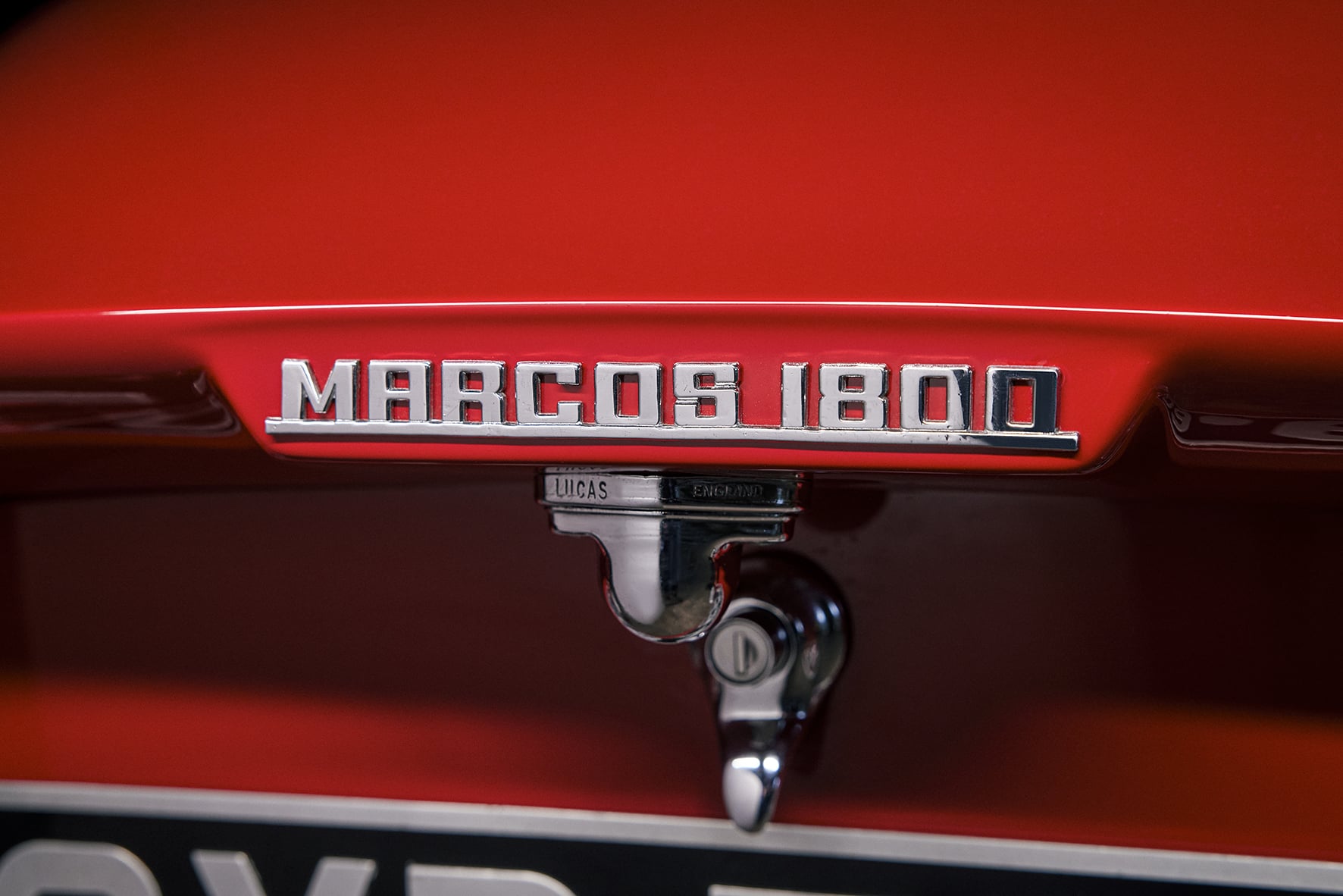
In 2022, Marcos Motor Company Ltd acquired the original assets of the Marcos brand and has recently announced that it will return to car building for the first time in almost 20 years.
To find out more about what’s to come, I asked Mark Carbery, from Marcos Motor Company, some questions, and this is how our conversation went:
Tell me about the return of Marcos
An old colleague of mine, Howard Nash, who had always loved the brand, bought the business in 2022.
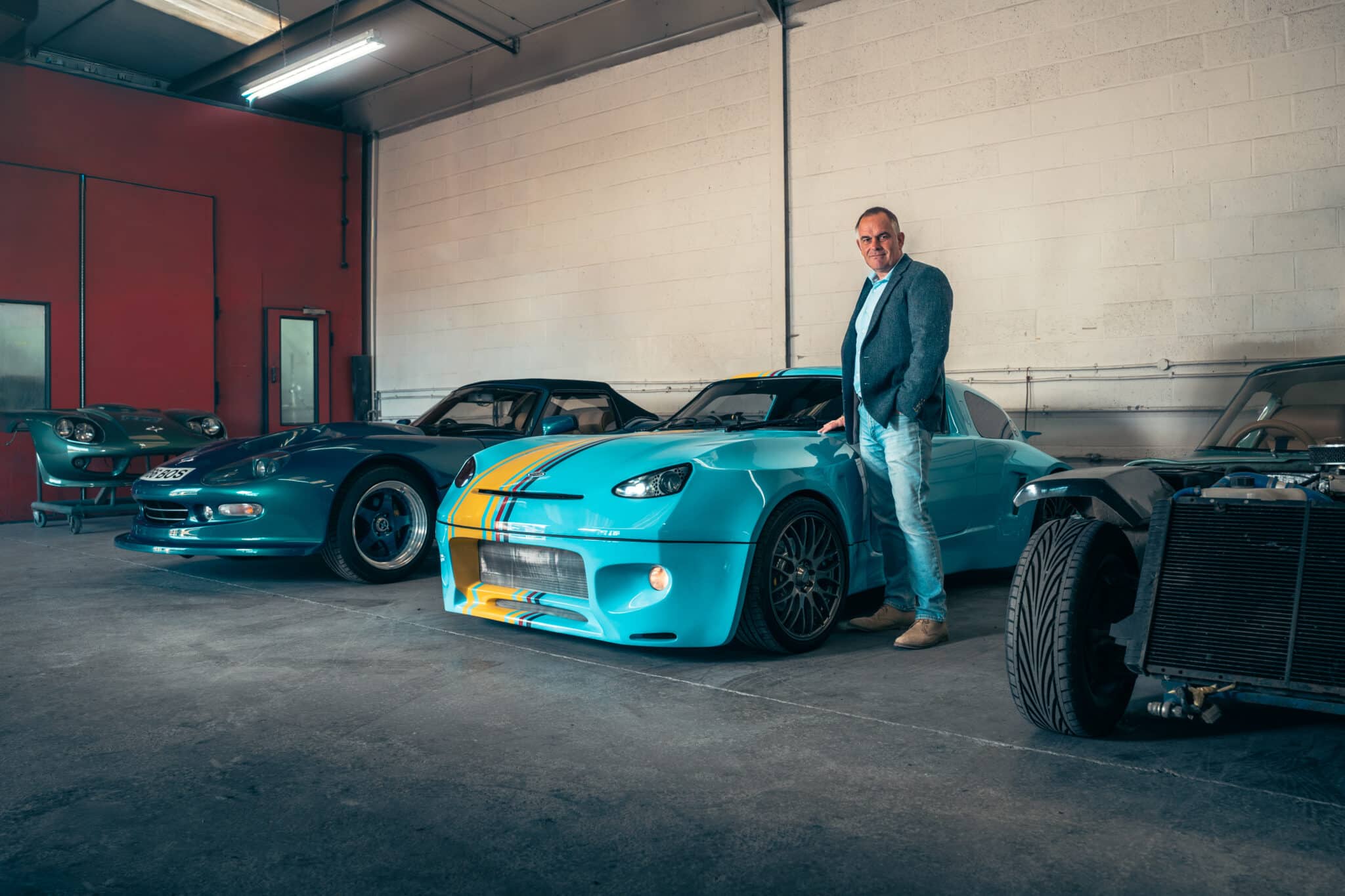
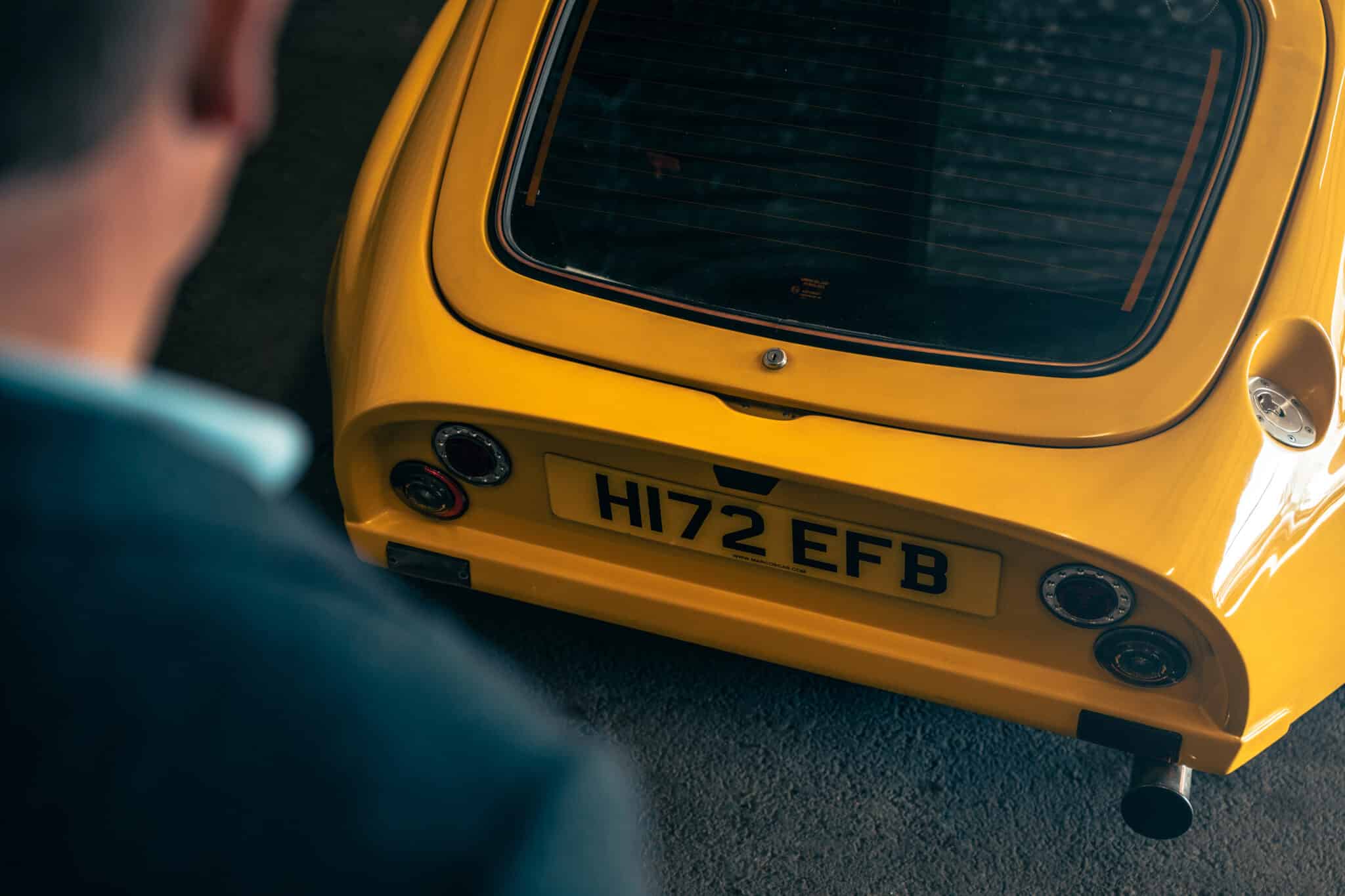
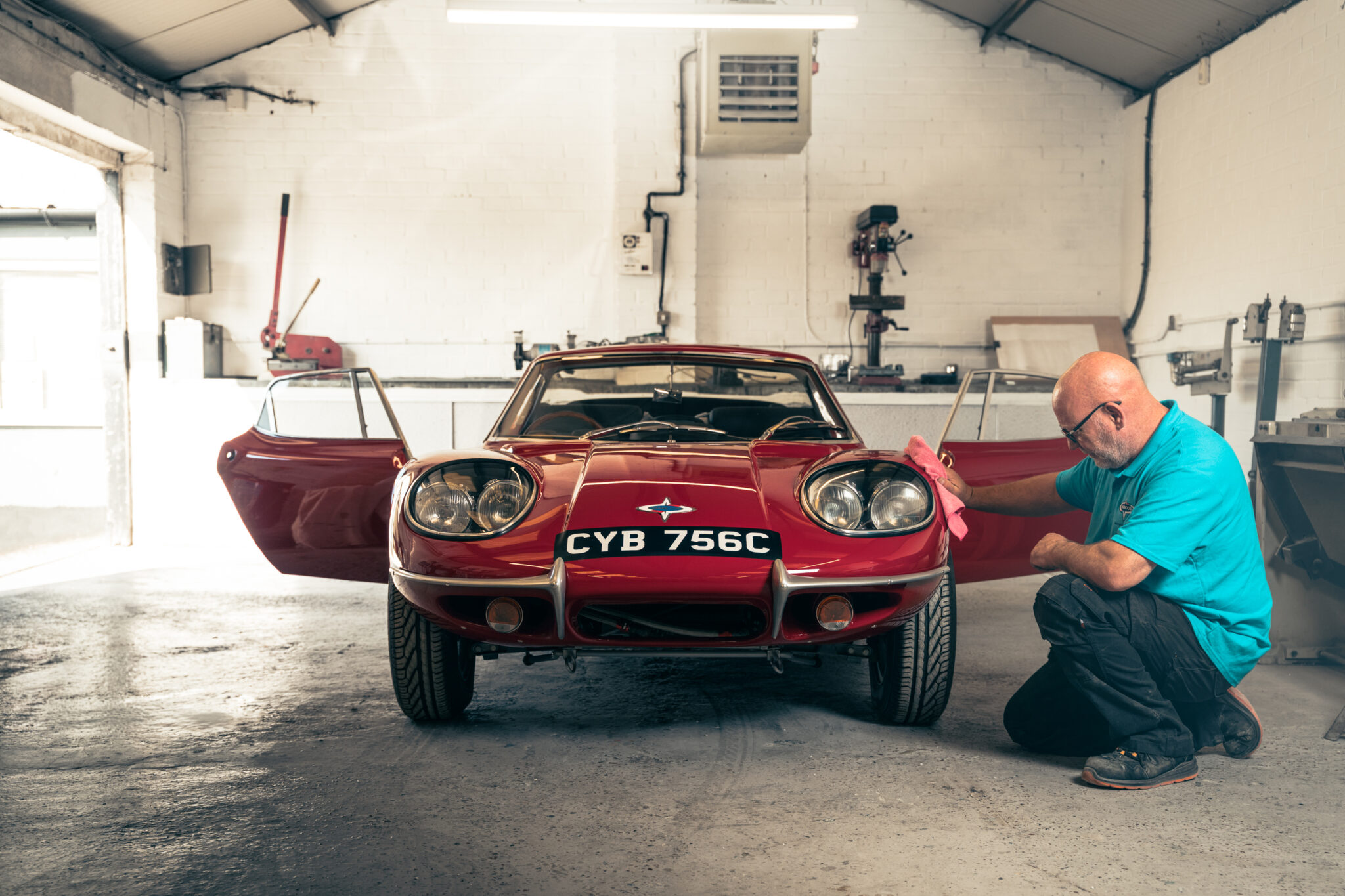
At that stage, it was fundamentally Marcos Heritage Spares Ltd, which has served as the brand’s home for over 25 years, servicing, maintaining and restoring cars. But it was also home to the assets. As a result, we have body moulds for almost all Marcos models ever produced, plus the tooling, jigs, etc. for manufacture, all going back to car 1 in 1959. There’s a vast archive with build files, hand and CAD drawings, and documents relating to almost every individual car made, including correspondence with owners – Jackie Stewart bought and raced car 3.
So it’s been a case of how to use these assets and how to develop a new offering. Howard asked me to help create a Marcos 2.0 business. Since then, we’ve been planning how best to do this.
The business has been expanded with the acquisition of a specialist engineering company, Formhalls Vintage & Racing. This has led to a contractual relationship with the National Motor Museum as its engineering partner.
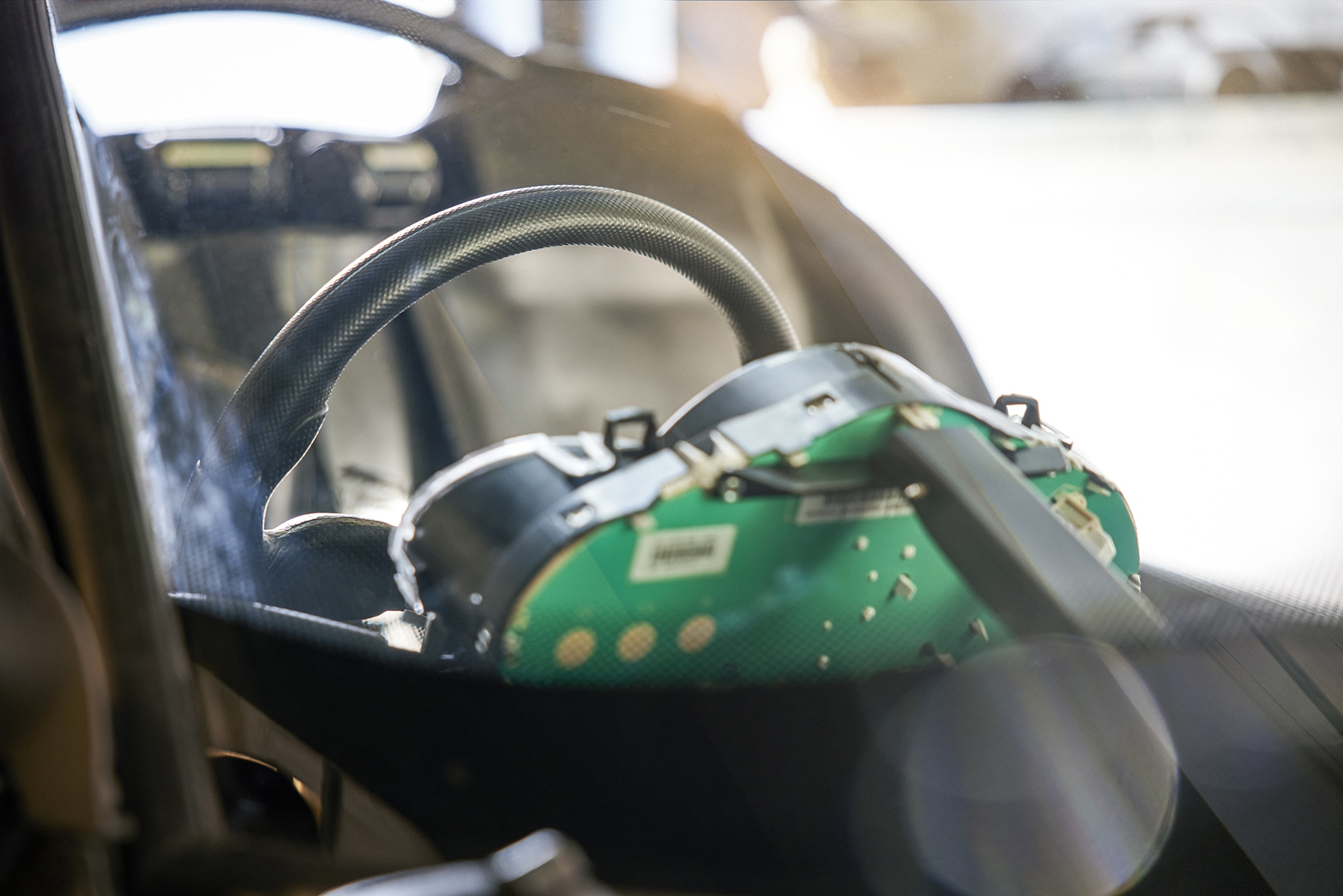
We’ve also invested in in-house design software and manufacturing, and used that to produce a fully working evaluation vehicle, the Marcos Mosquito. That’s now being engineered to MSA standards for track use. And we have a homologated rolling chassis, which is now going into an engineering evaluation phase to verify its potential as a road and track car.
We expect to be able to release information about that, the addition of new team members, and a design partner, in the coming weeks. And at the same time, we’re scoping out routes for a third vehicle project specifically for road use. So plenty going on.
What was it about Marcos that made you want to be part of bringing it back?
Those assets are part of the reason. I love developing brands, and Marcos has a real brand history and story. Utilising the brand assets while evolving them for an offering which is relevant today but still authentic is a challenge, but lots of fun.
Marcos may be a micro player, but I’ve worked for major OEM brands with fewer highlights. Frank Costin, who co-founded the company, had engineered the timber-framed DeHavilland Mosquito, transformed the 1957 Vanwall into a world championship-winning GP car and designed the Lotus Series 8-11.
He brought all that to Marcos, so when it started life as a race car manufacturer, the cars flew. Derek Bell and Jackie Oliver, as well as Jackie Stewart, raced the early cars, which had the world’s first monocoque chassis.
The Mini Marcos went to Le Mans in 1966, and when the GT got a 3.0-litre V6 in 1969, it attracted celebrities including Rod Stewart. Other pop stars got them, and Roger Moore drove one in The Saint. Jonathan Palmer later began his career in a GT, and variants of it became the UK’s first 500bhp road car, won British GT championships and took Marcos back to Le Mans. And don’t forget the Mantis XP…
There’s so much to reference in the brand narrative.
Bringing a historic marque back to life is never simple, especially in the modern automotive world. What have been the biggest challenges in restarting Marcos Motor Company?
There can be baked-in expectations of a historic brand to overcome – positive and negative –, but overall it’s an advantage to have a heritage as it is such a rich one. And we want to honour the heritage – we’re not going to be making heavyweight hypercars and sticking a Marcos badge on them.
The biggest challenge in developing road cars as a boutique manufacturer is, of course, cost. Even where specialist manufacturers are basing products on donor platforms, there are significant hurdles to get over with regard to homologation. That’s partly why restomods and continuation vehicles have become popular. If you can keep the donor VIN, you can avoid some of the costs of compliance with emissions and safety regulations, which could cripple a project.
Alternatively, if you’re producing cars in extremely small numbers, you can go down the route of IVA, but the lower the volumes, the higher the cost per unit and break-even, so there’s a careful calculation to be made.
Marcos has spoken about 3 initial projects. What can you tell me about these projects?
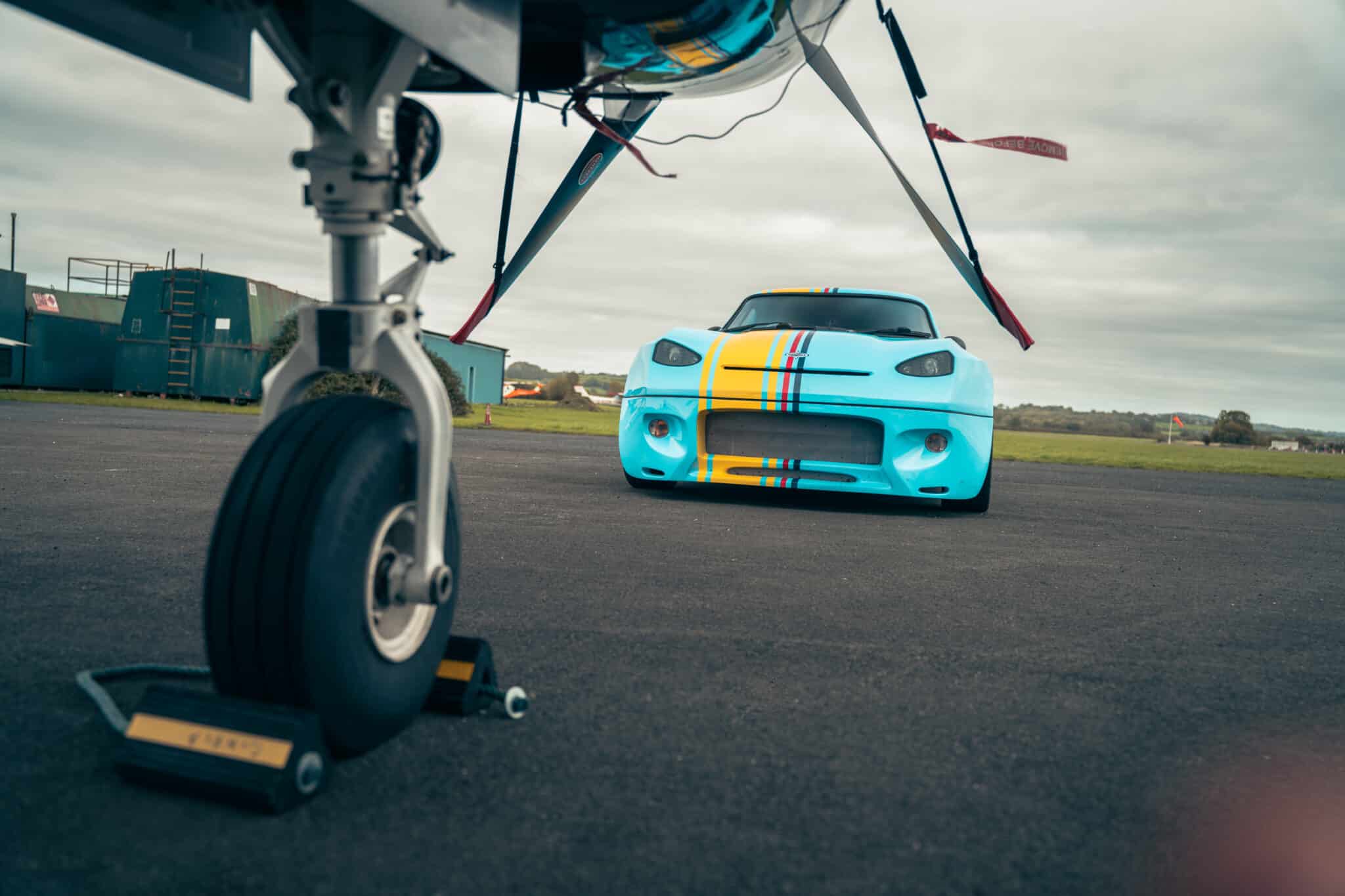
The first is the Mosquito, which we showed at a National Motor Museum event last September and tested at an airfield to prove the car a few weeks later. It was a project to test our in-house capabilities, not intended to be a road car, but done with an eye on possible track use. It’s now being re-engineered for MSA certification, and we should be able to demonstrate that by Q3 this year before offering it commercially as a track car. It’s remaining an in-house project, with engine work done by Formhalls.
The car was conceived as, effectively, a Mini Marcos for today. We’ve used a contemporary MINI drivetrain and systems, built a spaceframe, lightweighted the whole vehicle and tuned the engine. Last year was the 60th anniversary of the Mini Marcos, so we decided to reflect that in the Mosquito design, and this year is the 60th since it raced at Le Mans against the Fords and Ferraris, so we’ll be using the Mosquito to mark that.
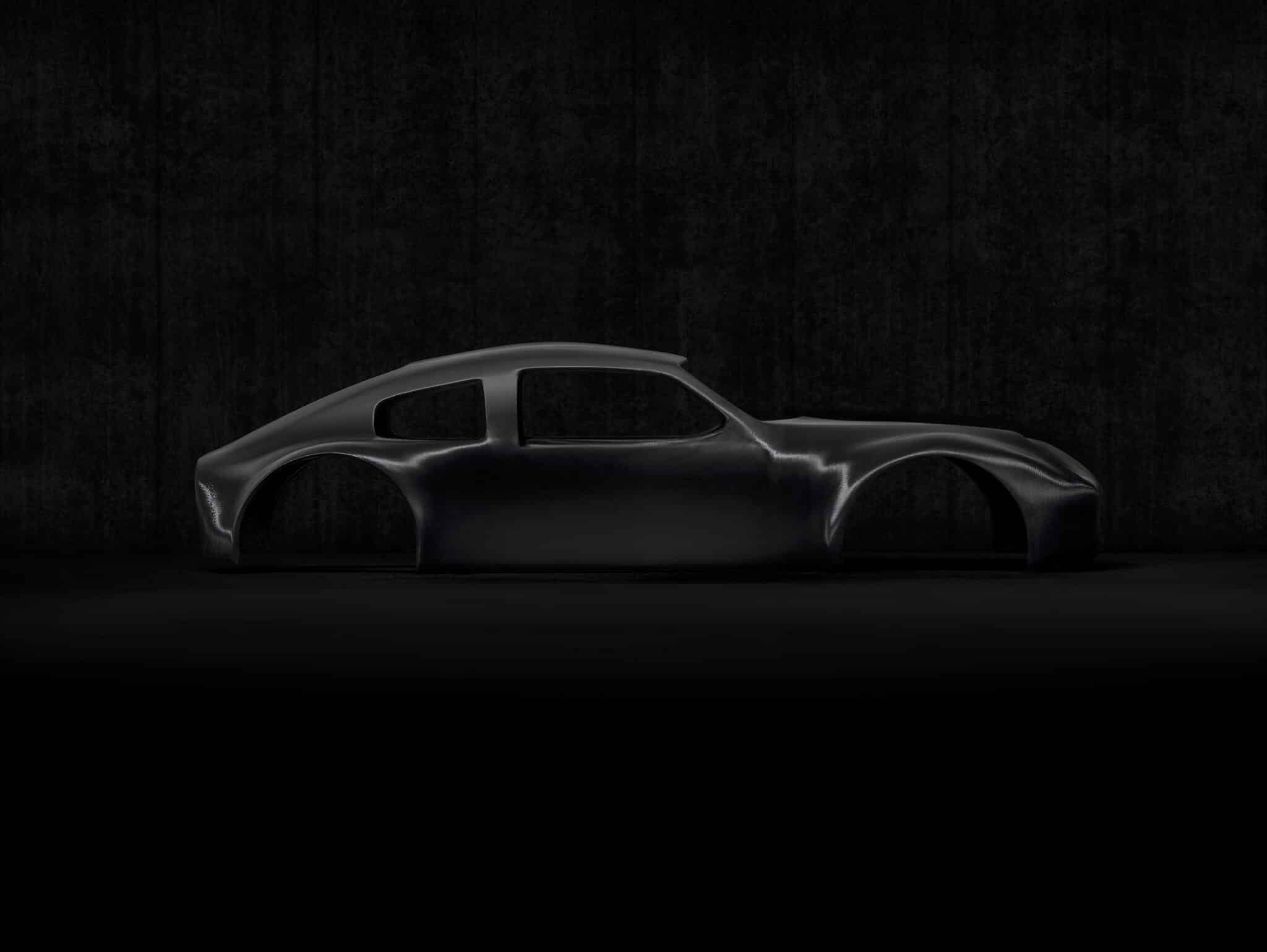
Project 2 is the first Marcos road car for over 20 years. We already have a rolling chassis, which we’ve been evaluating. It will shortly go into a homologation and engineering study with an engineering partner to help ensure a smooth path to production. We’re targeting having a tech demonstrator by around the end of the year. The car will express our mission to provide analogue, lightweight, affordable cars. It’ll be very simple and lots of fun. It’ll also be the first car to show a new design language, which is being developed with top design resources.
Ultimately, we’d like to honour some of the great Marcos designs, and we’re evaluating those options while we focus on Mosquito and Project 2.
Lightweight design and a strong connection between car and driver have always been a big part of the Marcos ethos. How do those ideas translate into a modern car, where expectations around safety, refinement, and technology are very different from when the originals were built?
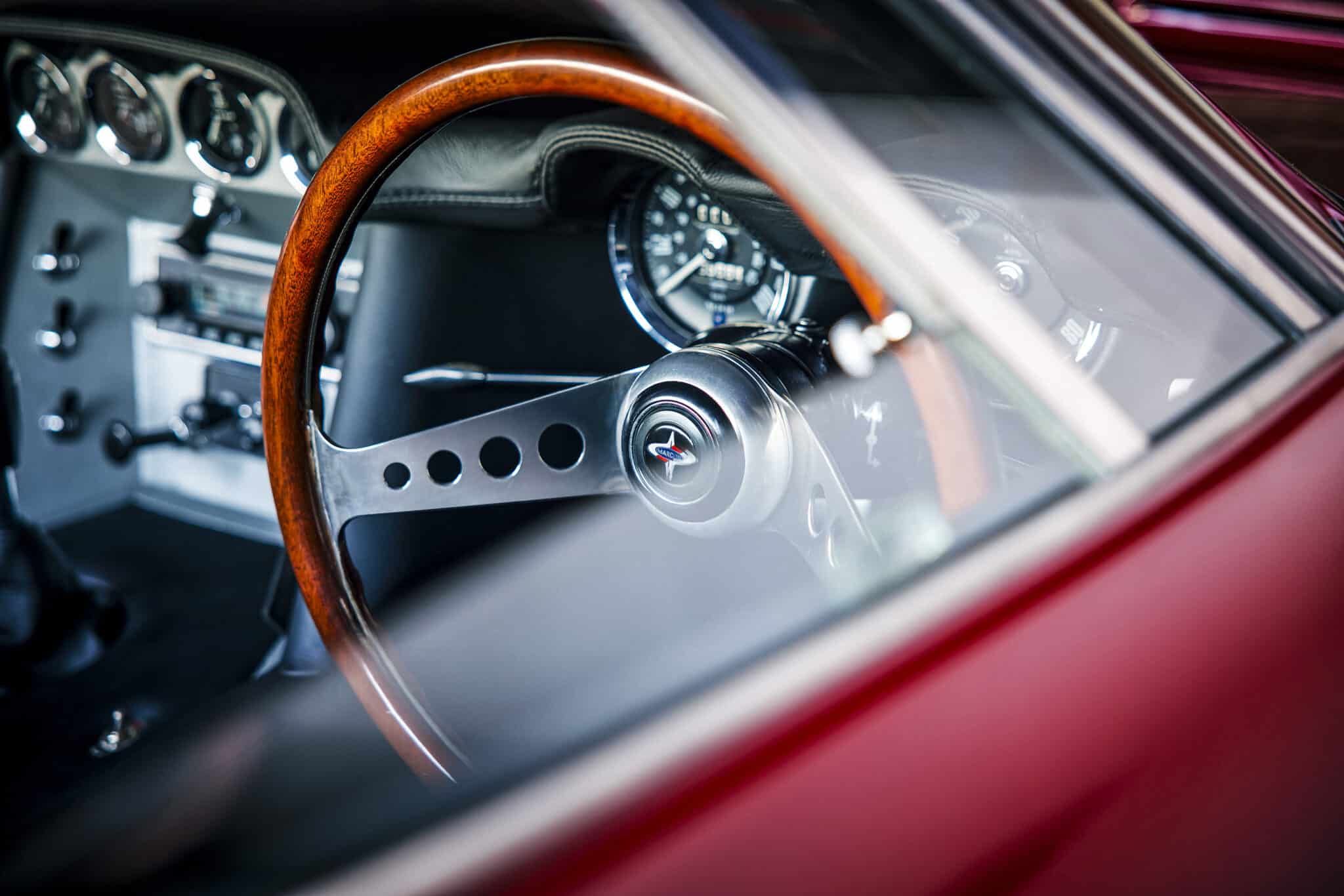
Weight is still key. The Mosquito should come in at not much more than 700kg, and we’re targeting around 750kg for Project 2. Refinement and technology are not important in these products. It’s been said that when you ran over a coin in a Marcos GT, you could tell if it was heads or tails. The same will probably be true of the first two cars.
Obviously, for a track car, it’s relatively easy to achieve a low weight, but much more difficult with a road car, especially without exotic materials, which would make it too expensive. That’s why for our first road car, we’re aiming for simplicity. The rolling chassis is not much more than 600kg, and our job is to add the minimum to that. The connection between car and driver will result from that low weight.
There’s always a fine balance with heritage brands; lean too far into nostalgia, and things can feel stuck in the past, but move too far away, and you risk losing what made the brand special. How do you approach that balance when making decisions about the future of Marcos?
We’re fortunate to have such a great heritage. We’re unashamed about pointing at the history, but we want to make Marcos relevant to now. There’s a real desire for simple, analogue cars which are there to be driven, and that allows us to make a connection to the heritage while being current. Put it this way – we have both the classic logo and a new one, which is instantly recognisable but forward-looking.
We won’t be fundamentally about restoration or resto-mods, although we can satisfy any demand for those, and our restoration division is very active. We want to develop a brand which is modern in its appeal. But that doesn’t mean electric hypercars and £1million price tags. It means doing things in the spirit of Marcos which are relevant today.
Who do you see as the Marcos customer today?
The customer base will be divided between those who know the brand already and those who are drawn to it as we build awareness of the brand story. The age demographic will therefore be varied, ranging from those who experienced Marcos when young – who either owned one or whose dad had one – to those encountering it afresh.
For the first two products, customers will range from those with a relatively modest budget who want a pure driving experience to those who have multi-car garages that don’t deliver engaging thrills. If you really like driving, a 2.5-tonne hypercar or SUV won’t do the job.
For future, more sophisticated products, customers are likely to be owners of multiple high-end current and collectable cars who want something different and which tells a story.
In both cases, a Marcos will offer an increasingly rare chance to buy a really British car.
Motorsport has always been part of the Marcos story. Does competition still play a role in Marcos’ future, or has that spirit evolved into something different today?
It’s the reason Marcos was started, so it’s fundamental. It anchors us to the core Marcos ethos.
It’s also a quick and comparatively inexpensive way to develop a fully functioning product. We can do this while we’re developing road car plans and products, so it will generate awareness and revenue too, as we establish a fully-formed business. That’s why we’re engineering the Mosquito to MSA-certified standards.
How can people find out more about what you’re doing?
We’re on all the major social platforms and post a couple of times a week. We’re currently creating a consolidated plan of projects, and when we can say more, in the spring, we’ll push that out on the socials and through the media.
We’ll also expand on product information on the website as projects develop, so people can register expressions of interest. Meantime the website tells the story of the brand, so it’s the place to start if you want to really understand the project and what’s motivating us.
Enjoyed Talking Classics With Mark Carbery?
Take a look at the entire Talking Classics series for more interviews with other influential people.
Leave a Reply
You must be logged in to post a comment.