


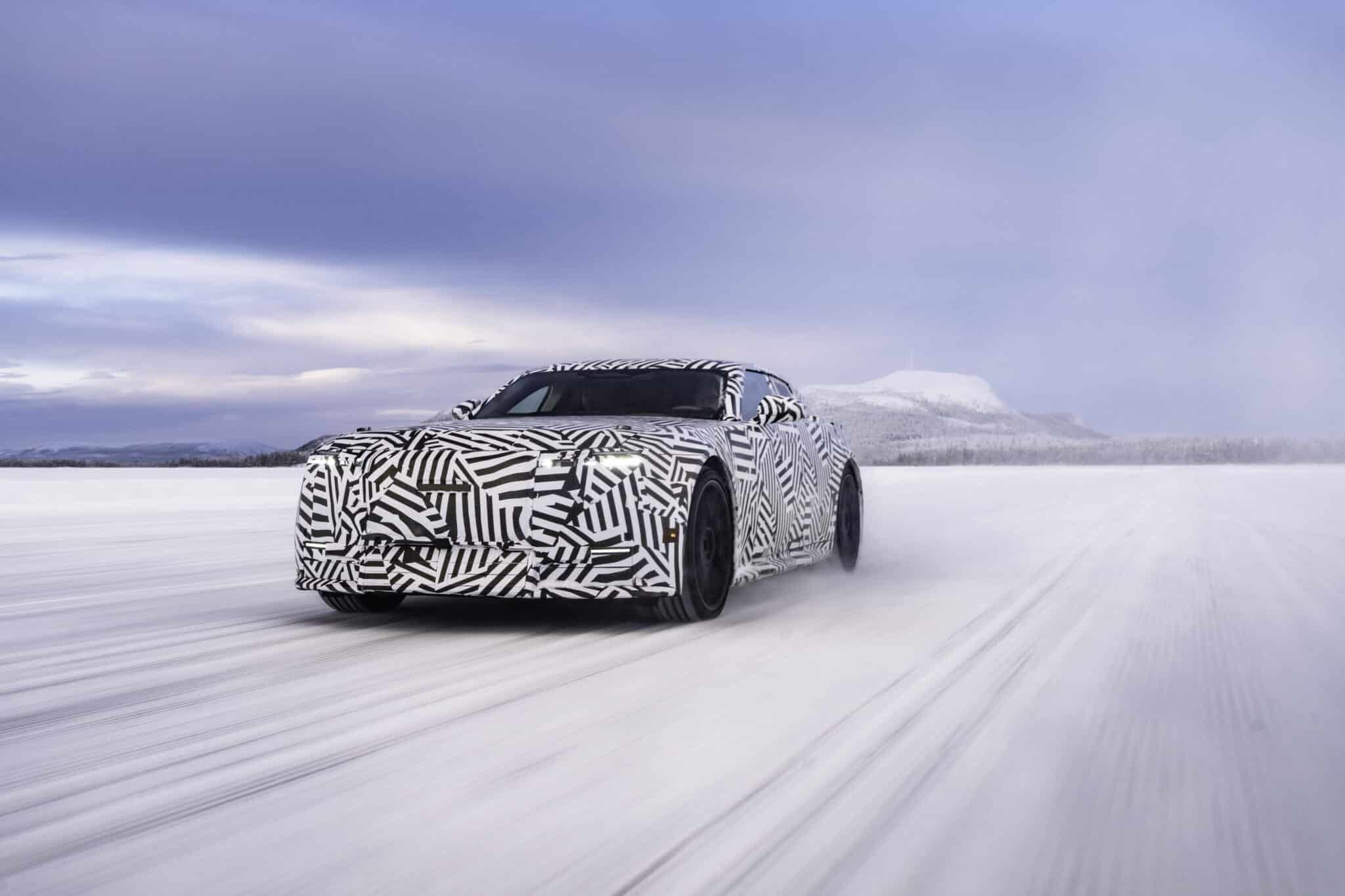
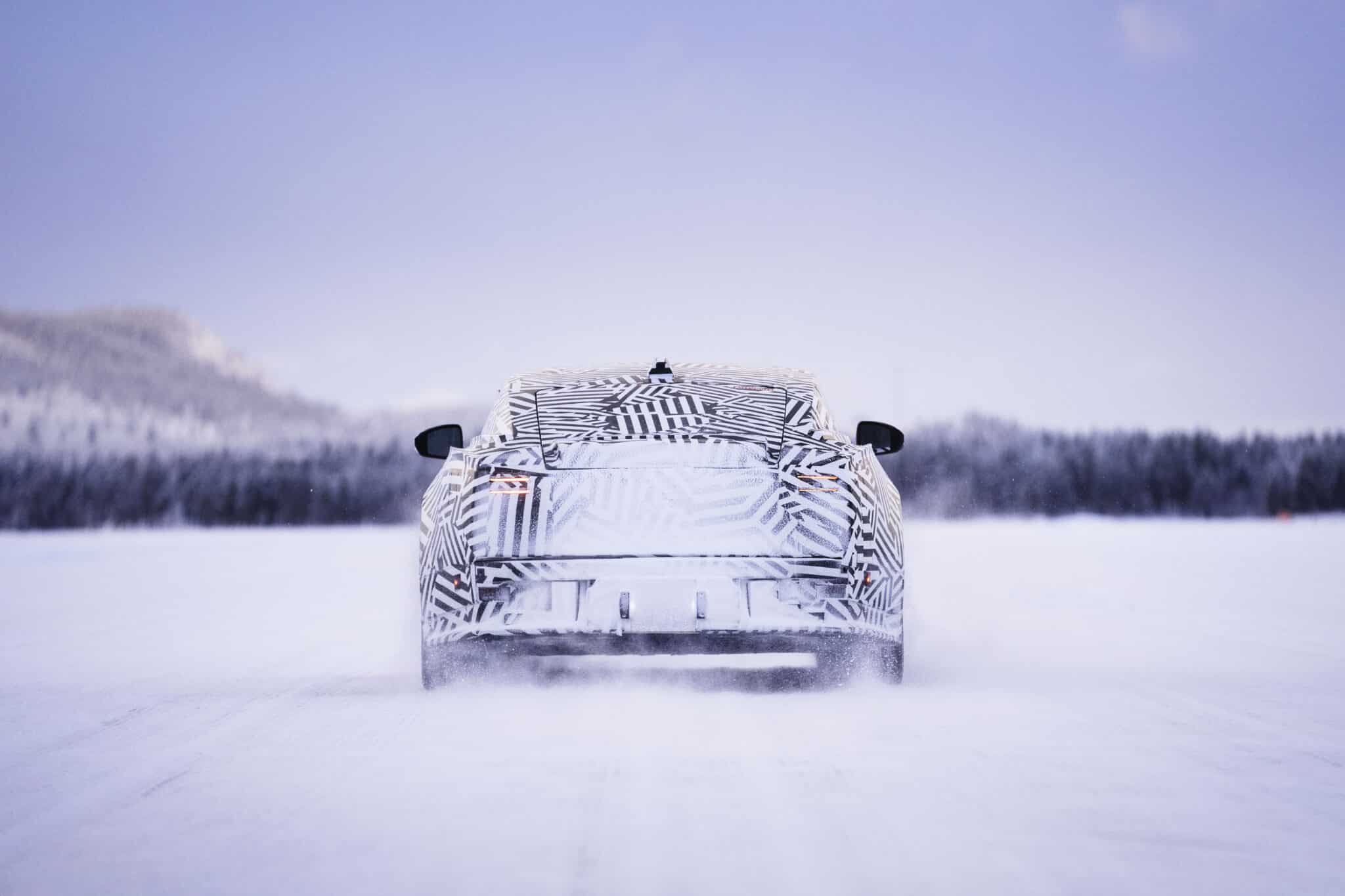
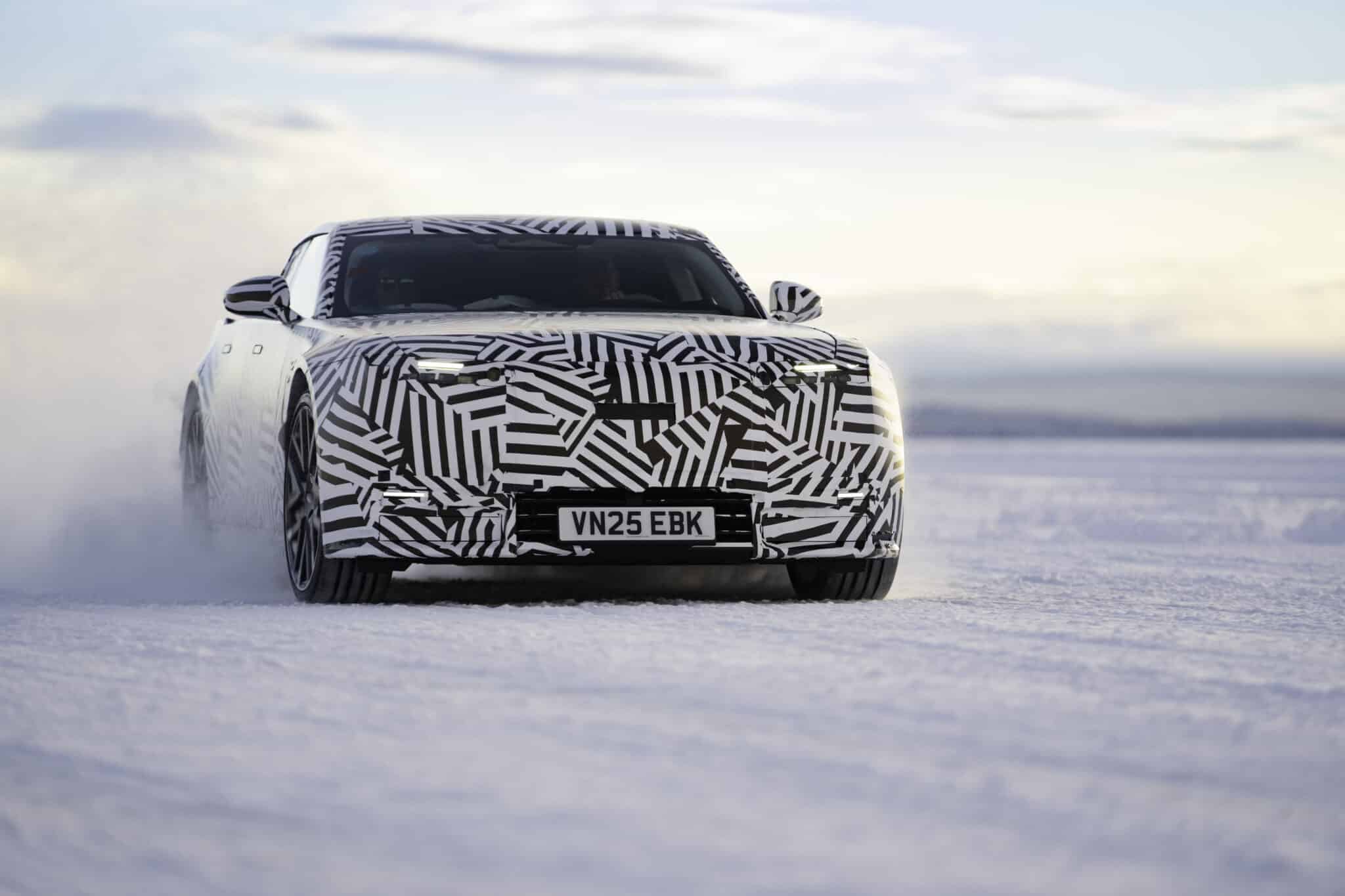
Jaguar has moved into the latest phase of development for its all‑electric four‑door GT by sending prototypes into the Arctic Circle to see how it handles some of the harshest conditions on Earth.
At temperatures that can drop as low as around -40 °C, Jaguar’s engineers are testing what will be the brand’s new flagship model through a winter testing programme on frozen lakes near Arjeplog, Sweden.

Testing
The frozen lakes are being used as an engineering proving ground. Jaguar’s development teams are fine‑tuning every element of the car’s dynamic behaviour, from drive‑mode responses and electric propulsion control to chassis calibration and traction systems.
To cope with the conditions, the GT test fleet includes bespoke 23‑inch winter tyres, dynamic air suspension and active twin‑valve dampers, all coordinated with advanced torque control. These elements work alongside a sophisticated all‑wheel‑drive system with tri‑motor architecture and Intelligent Torque Vectoring.



Power and Efficiency
The GT’s powertrain is expected to deliver more than 1,000 PS, making it the most powerful Jaguar road car ever built. Different from many EVs that prioritise range alone, Jaguar is emphasising character and engagement, looking to give drivers a true grand‑touring experience.
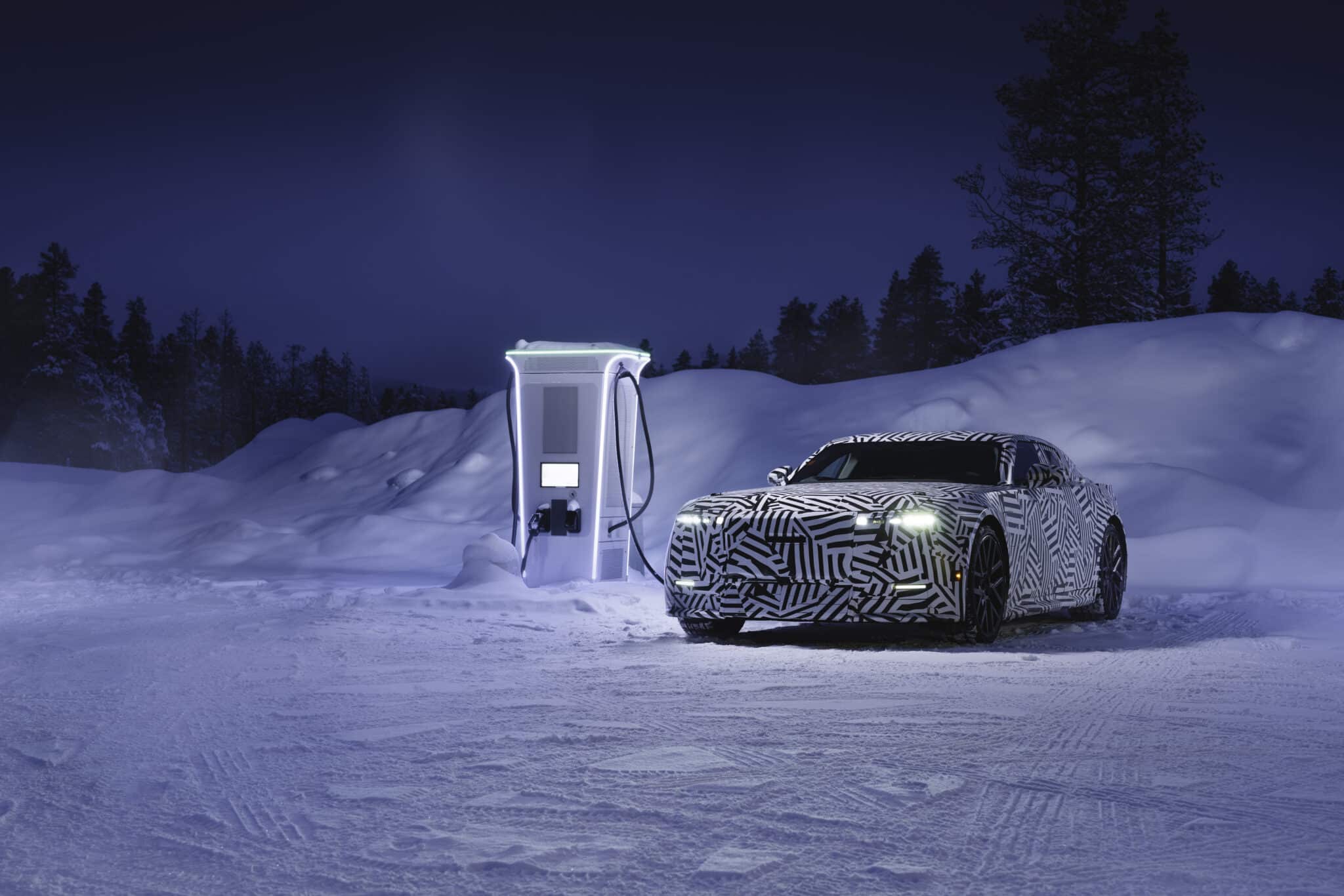
Cold temperatures also provide a chance to test Jaguar’s new ThermAssist™ thermal management system. This technology aims to cut heating‑related energy consumption by up to 40% and recapture heat to warm either the propulsion system or cabin.
Looking Ahead
With winter testing now underway, Jaguar is on track to unveil its new all‑electric GT later this year, and it looks like it is holding as much attention now as it did when the first prototypes were shown.
Read more automotive industry news
Leave a Reply
You must be logged in to post a comment.