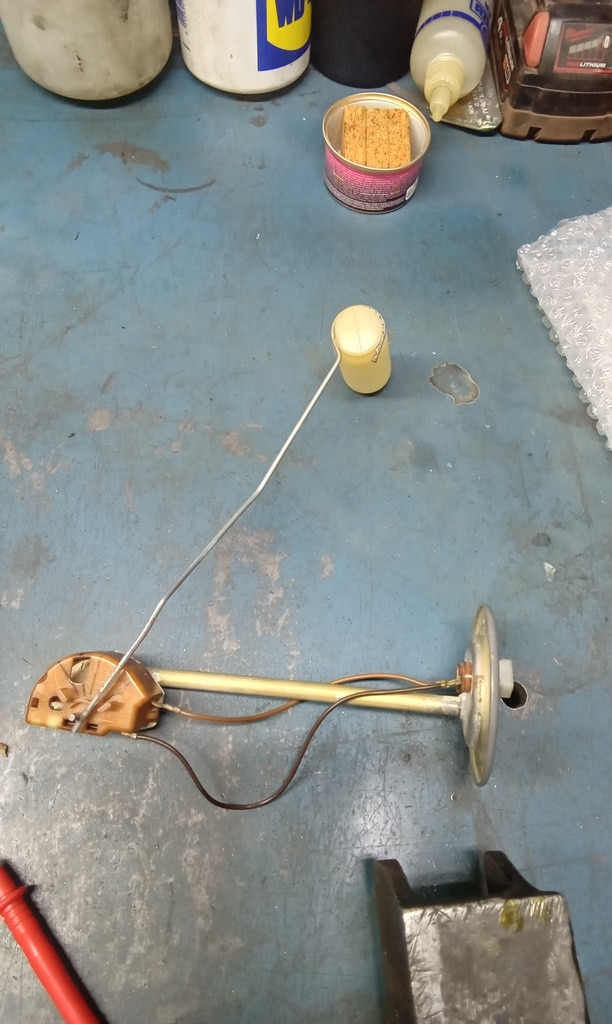
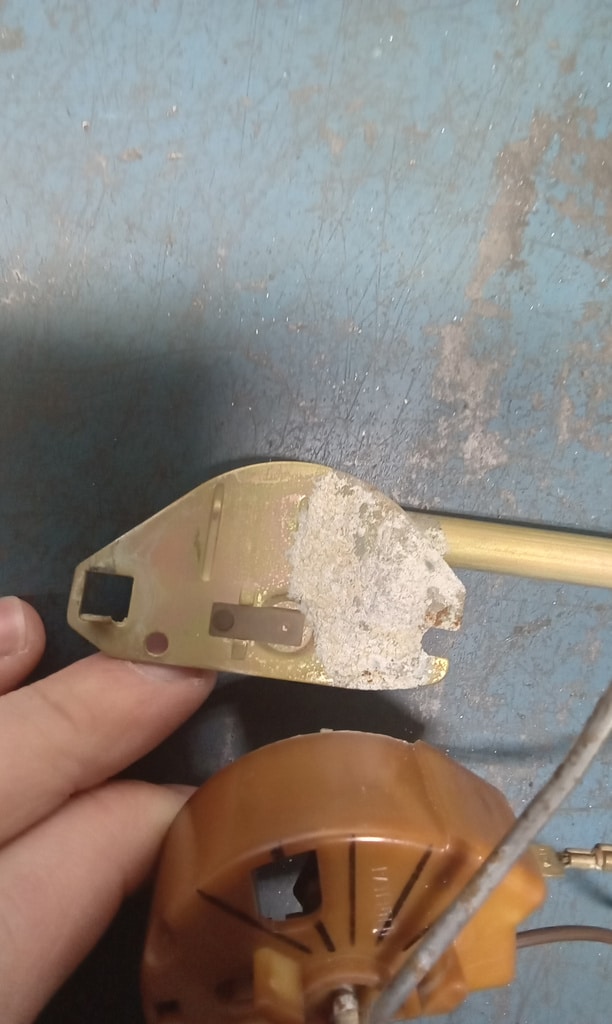
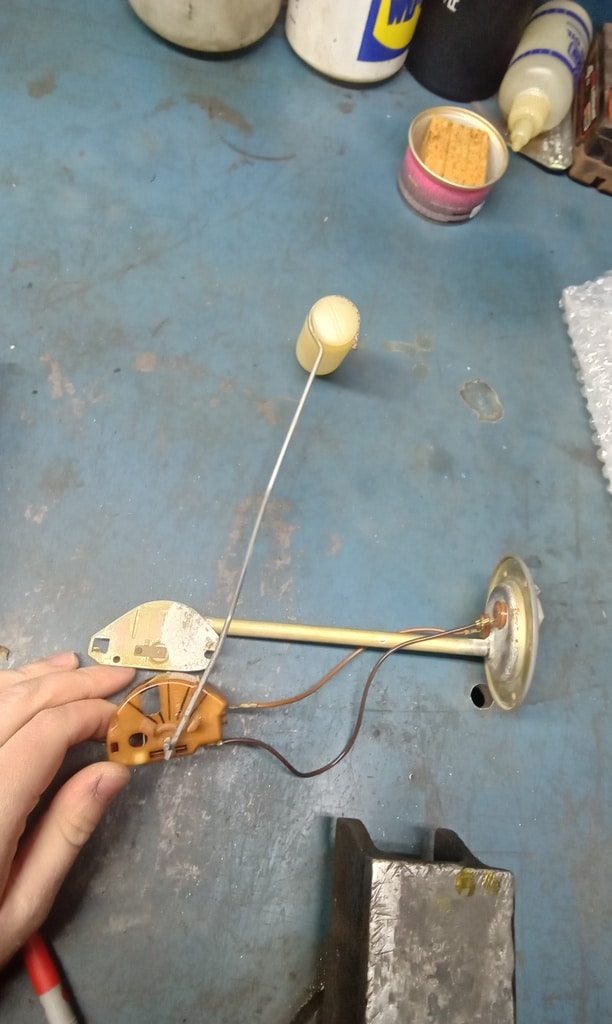
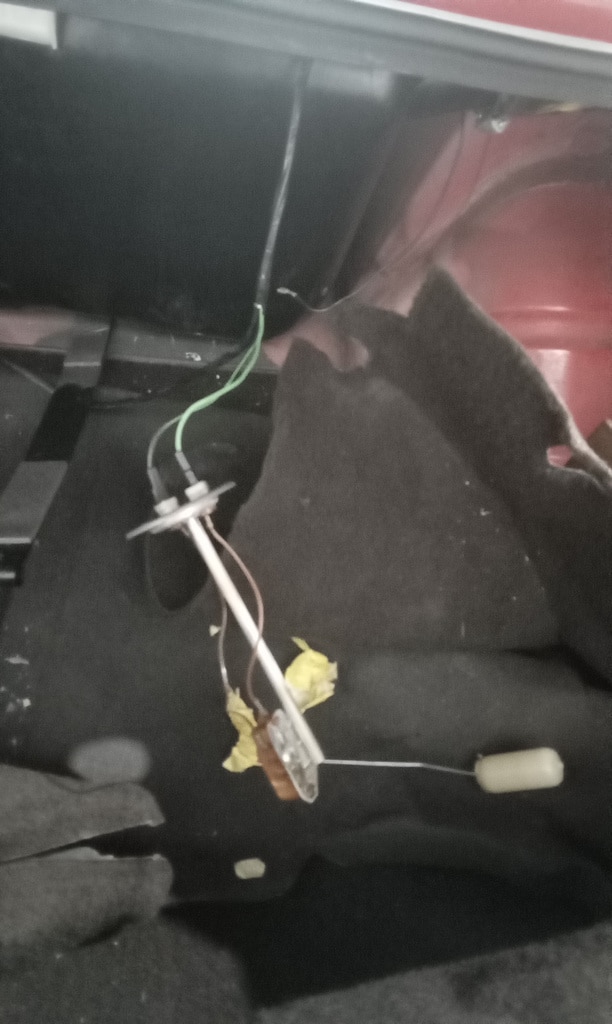
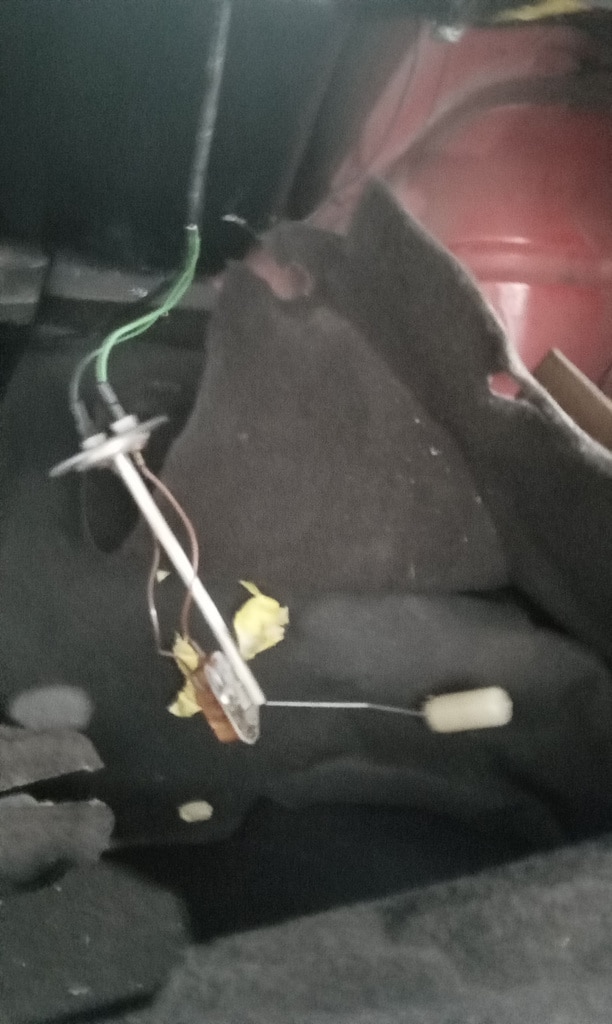
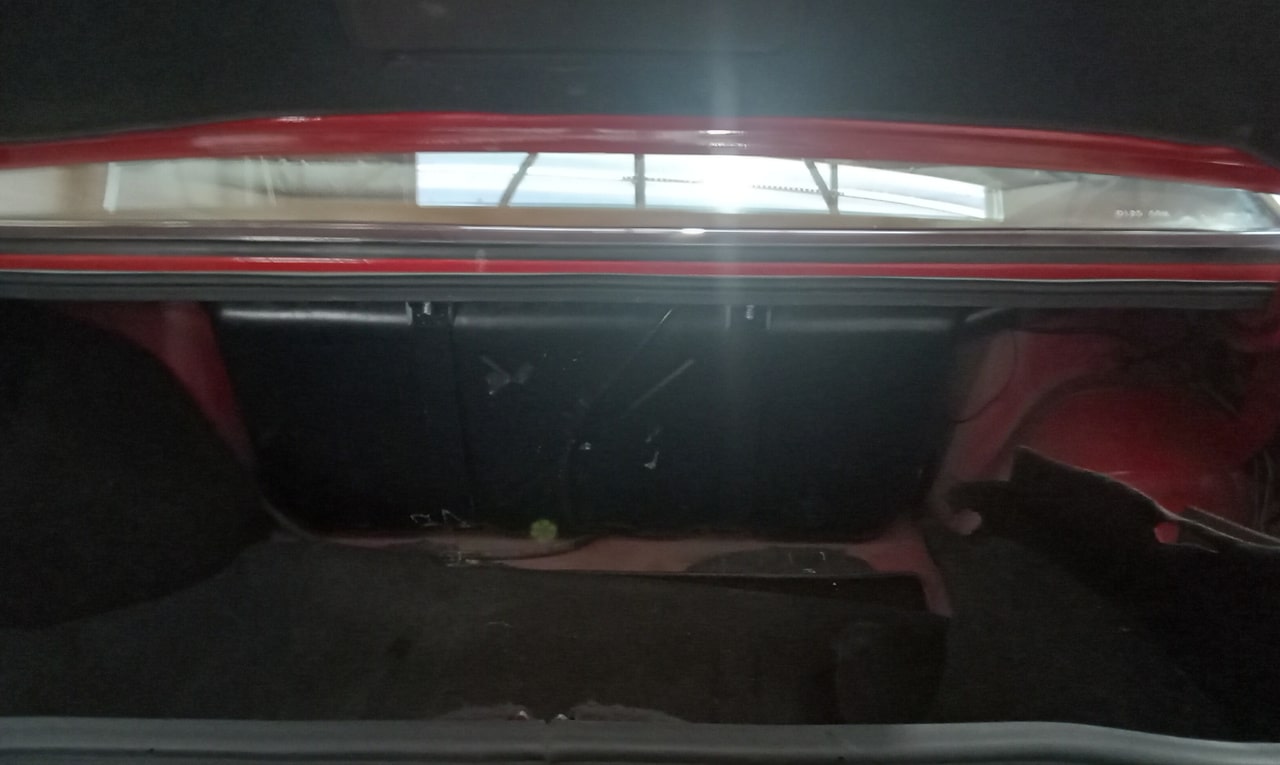
Picking up from the previous stages of work on our 1987 Maserati BiTurbo, Will began by fitting a new radiator cap before turning his attention to the fuel system. He carefully cleaned and inspected the replacement fuel sender unit, removing corrosion and debris from the terminals, then tested it on the car to confirm the gauge responded correctly. Once satisfied, Will installed the sender into the tank, refitted the tank along with the fuel filler hose, and refitted the boot carpets.
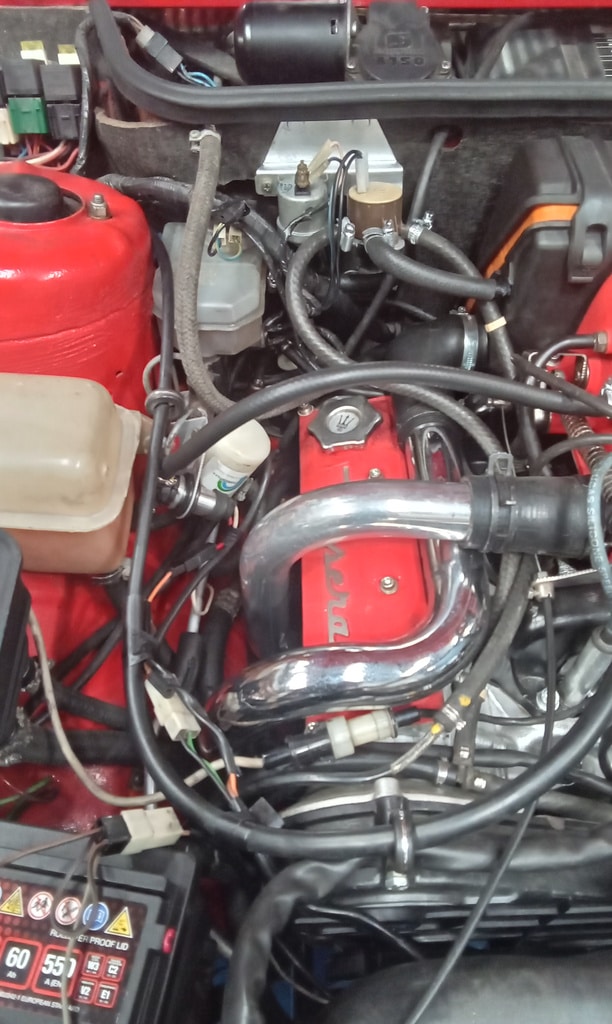
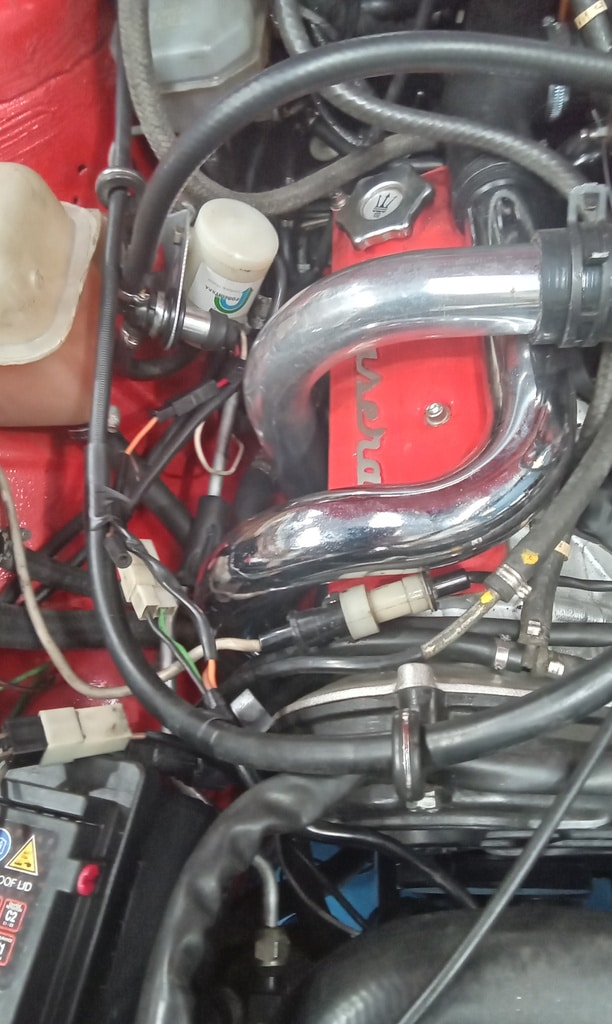
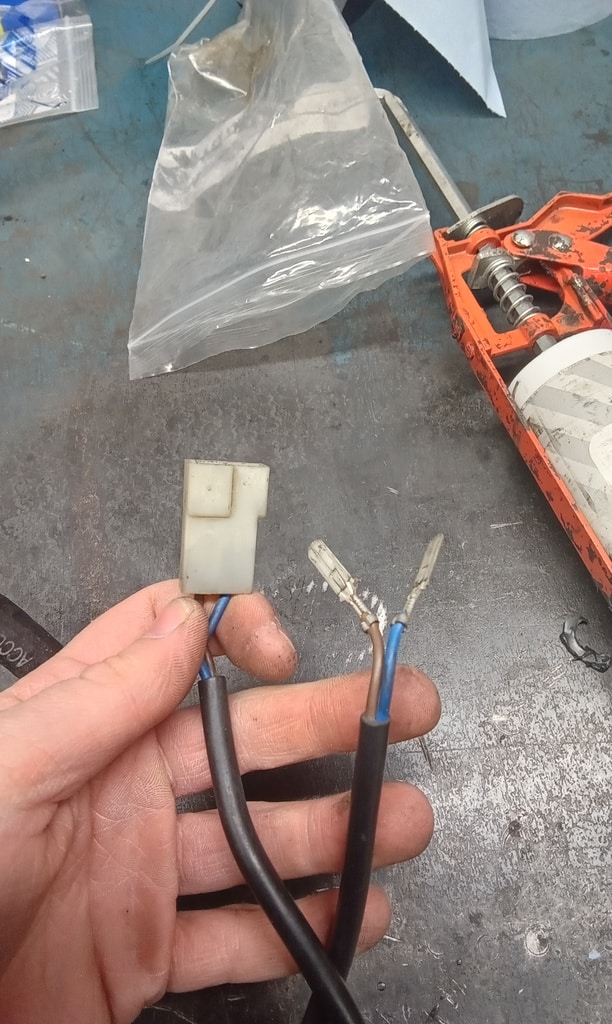
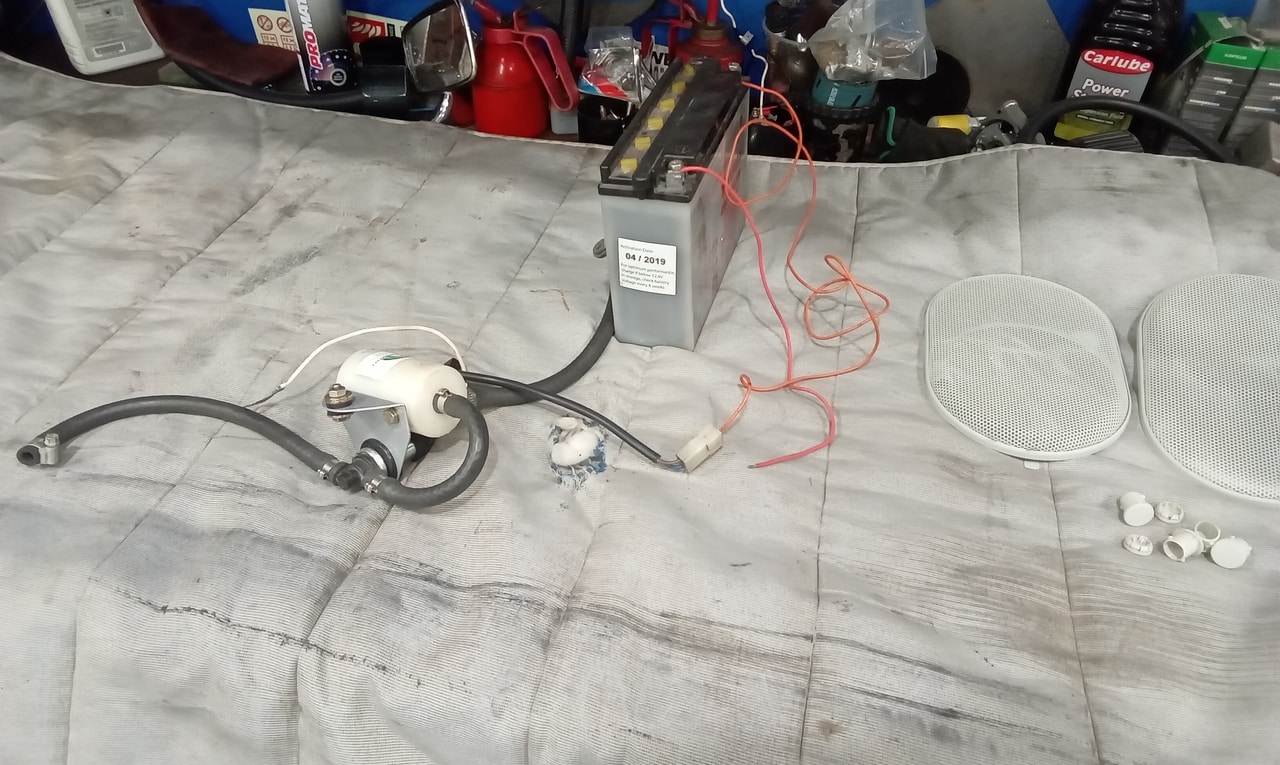
He then worked through the fuel vapour vacuum pump, bench testing the unit before transferring it to our 1987 Maserati BiTurbo. With the pump confirmed operational, Will mounted it to its brackets, worked out the wiring connections, fitted a fuse into the holder, and installed the relay. He continued by routing and fitting the hoses, including a new line to the plenum chamber, and set up a breather to atmosphere secured with a clamp.
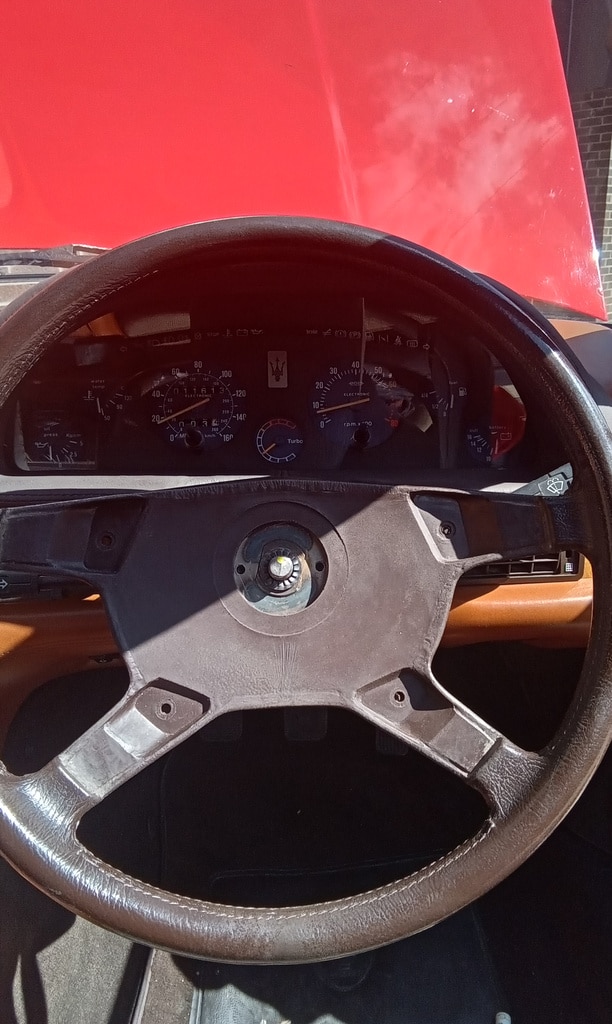
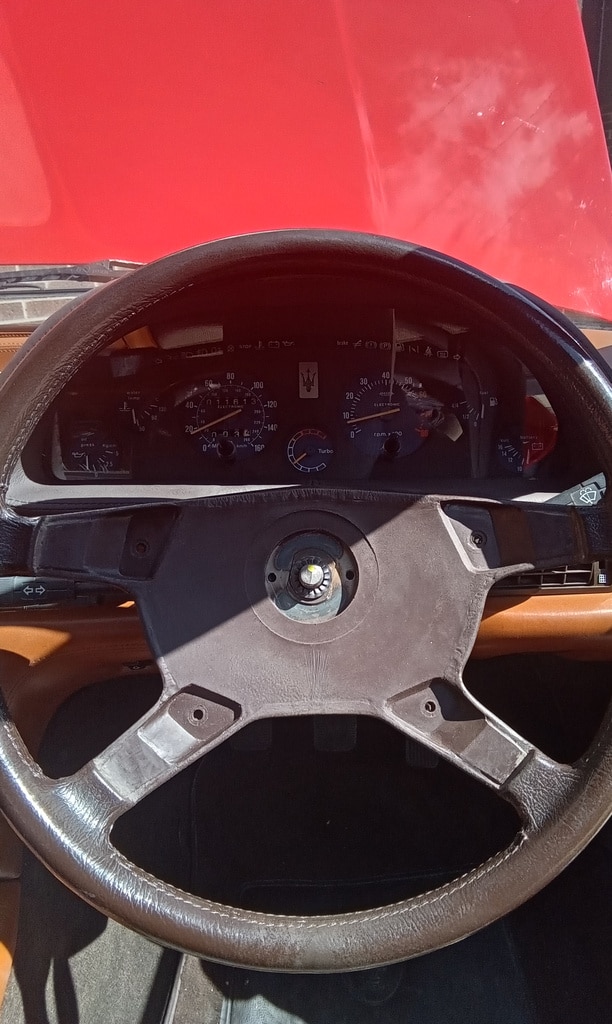
With the system in place, Will brought the car outside to warm up and joined John for a road test, noting down a list of remaining items to address. Back in the workshop, he secured the rear window seals that had lifted using silicone, then removed the steering wheel centre cover and adjusted the steering wheel position. After repeated short runs up and down the car park, he refined the alignment until it sat correctly. He also removed and corrected the passenger seat belt mounting, spacing it into the proper position before refitting it along with the upper cover.
Attention then shifted to an intermittent brake warning light on the dashboard. Will cleaned the terminals on the brake light switch and worked through the wiring, also cleaning the fluid level sensor and topping the system up to the maximum line. As the issue persisted, he referred to the parts diagram and identified a missing rubber stop. He removed the reservoir cap, cleaned it, and modified a rubber bung to act as the stop before refitting and testing, which resolved the fault. A further road test around the car park was conducted to assess vibration concerns, after which he inspected the rear bushes and raised the car for additional checks.
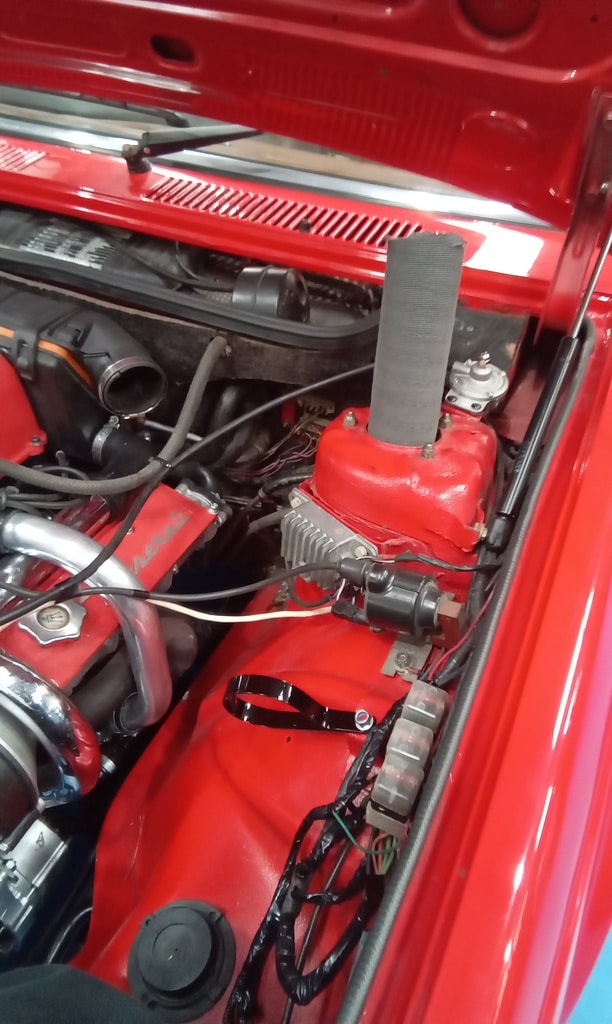
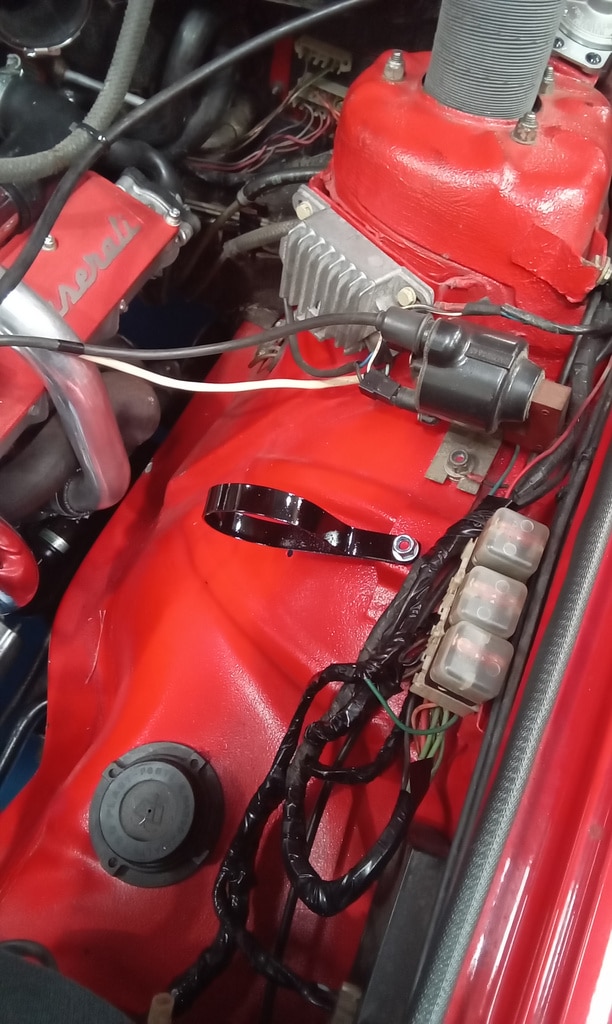
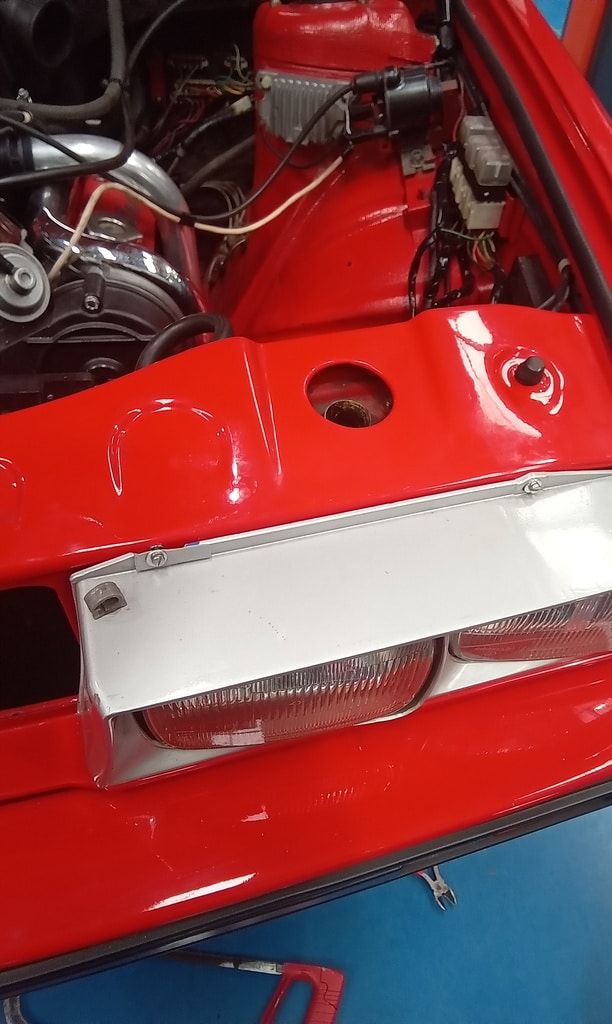
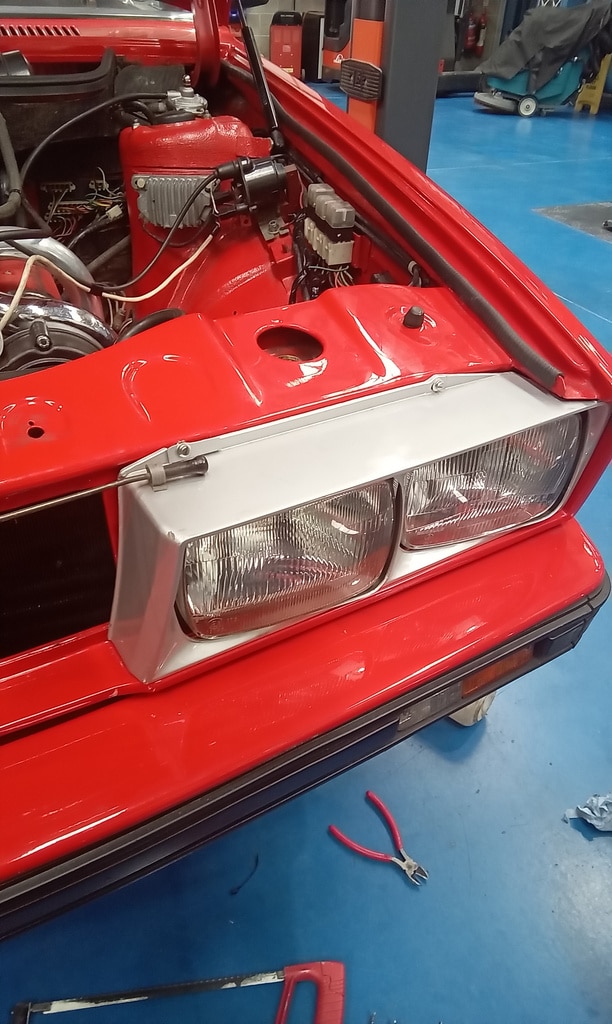
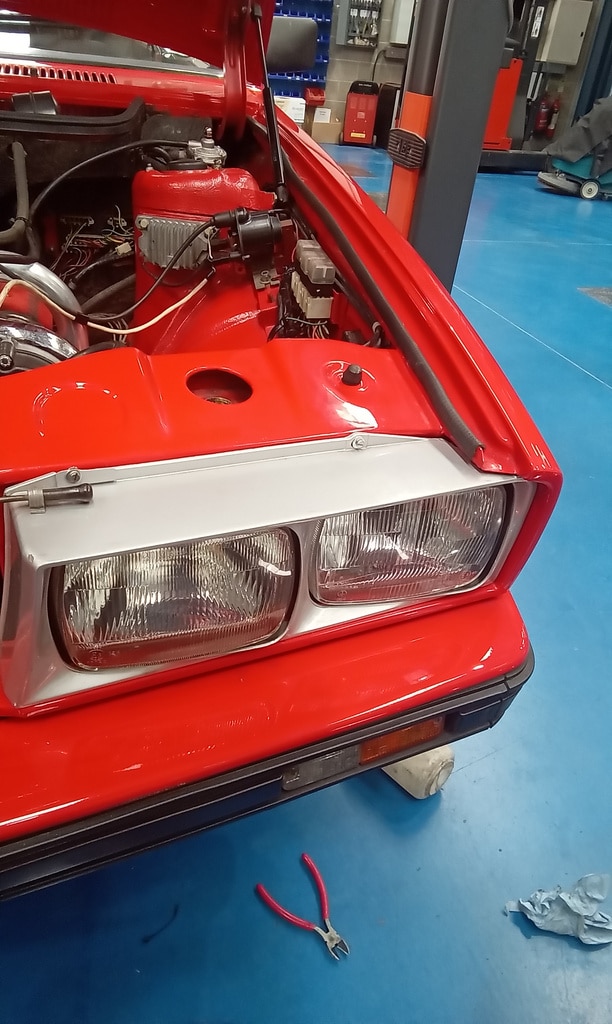
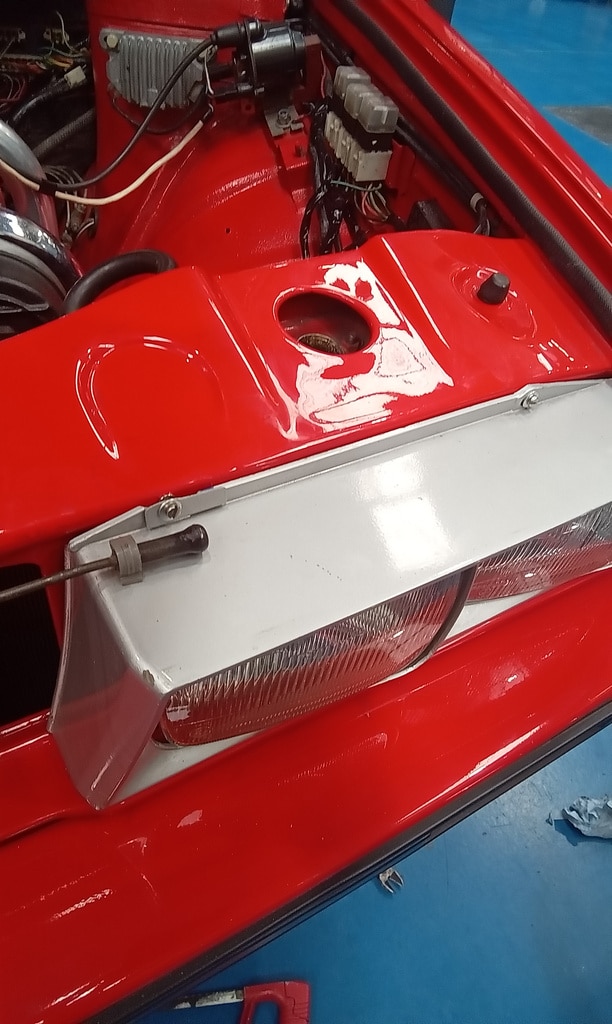
Continuing the following day, Will repositioned the steering wheel by one spline to refine its alignment and adjusted the bonnet catches so the panel sat correctly. He fabricated a new bracket from 1.5mm aluminium to secure the damaged left-hand light surround, carefully cutting, shaping, drilling, and finishing it in metallic silver to match. With the original mounting point missing, he installed a rivnut to provide a secure fixing. He also tidied the wiring, shortened hoses, and sourced a suitable intake pipe, fabricating a custom P-clip from aluminium to mount it securely in place.
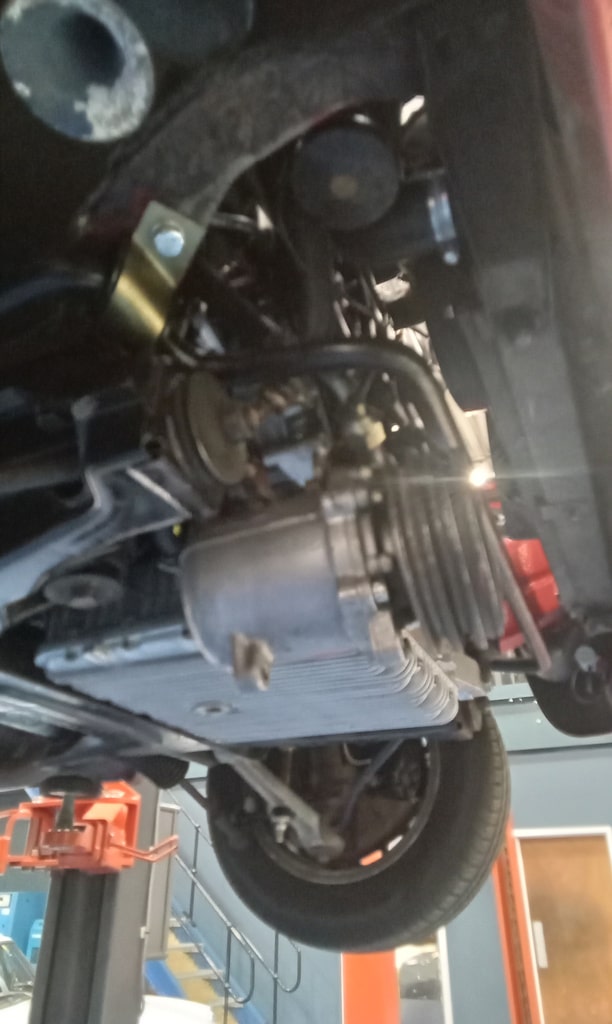
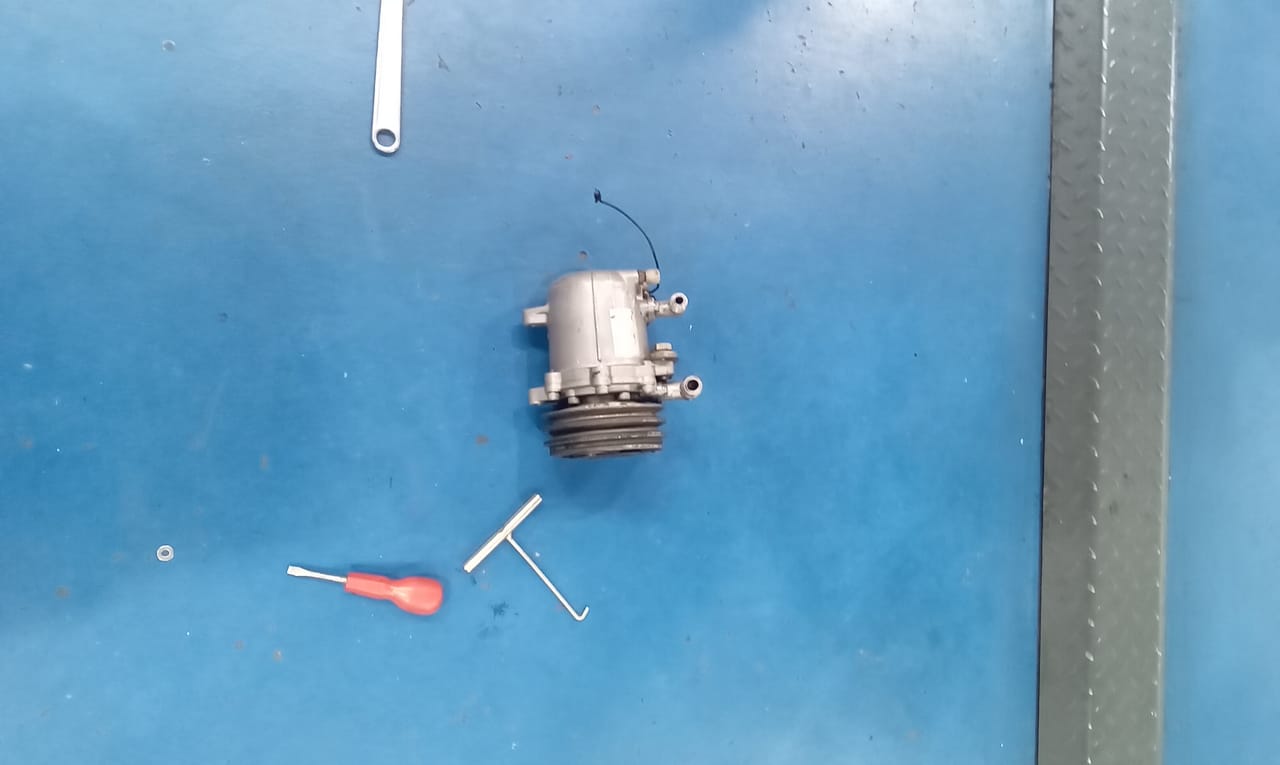
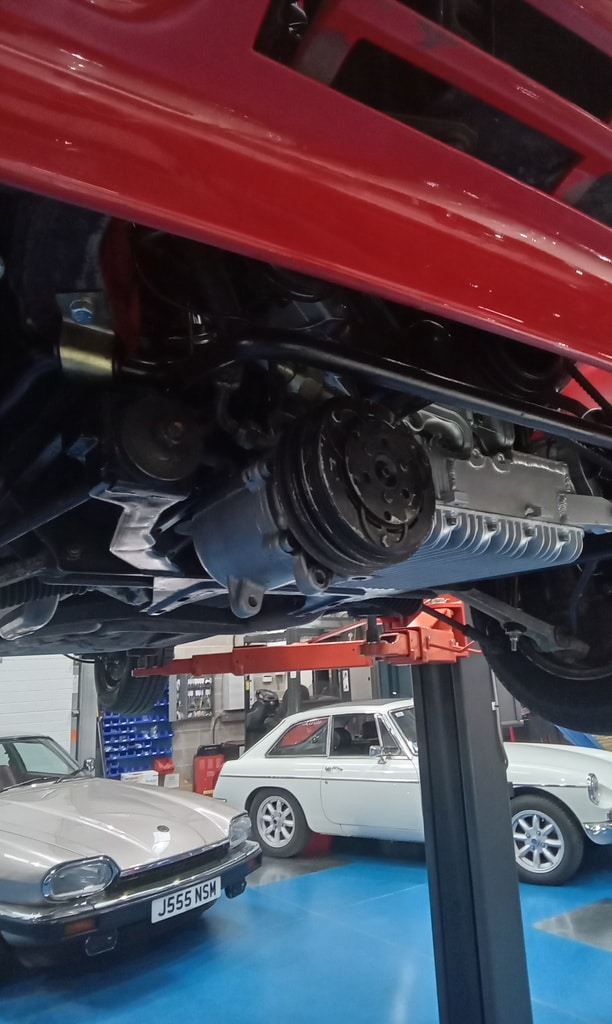
Further road testing with John highlighted a persistent vibration, leading Will to investigate the engine. He ruled out a misfire by checking each ignition lead in turn, then identified that the air conditioning compressor was misaligned. He removed the compressor, brackets, hoses, and belts before consulting with Coltec regarding the issue.
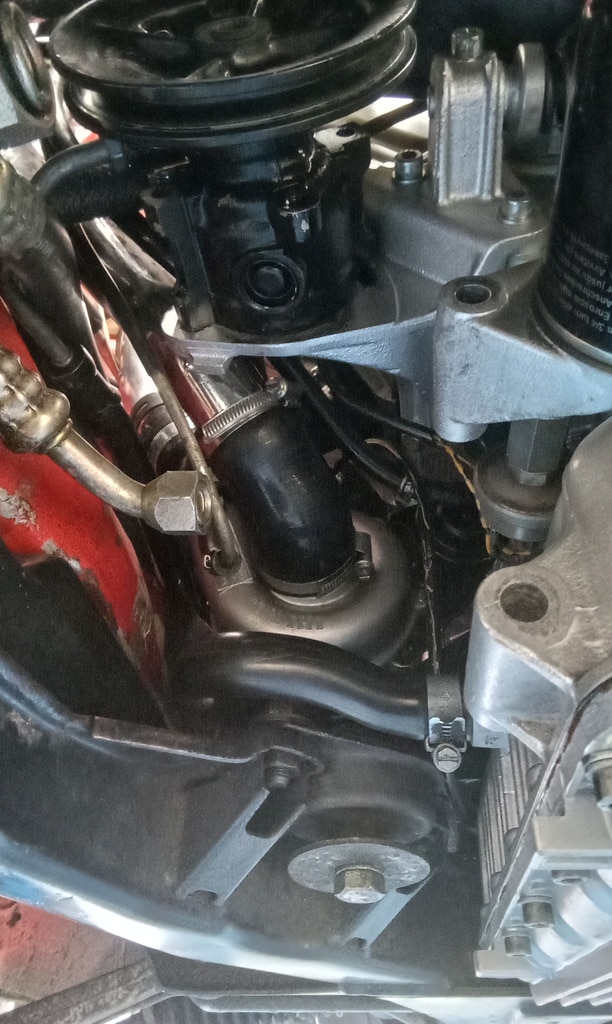
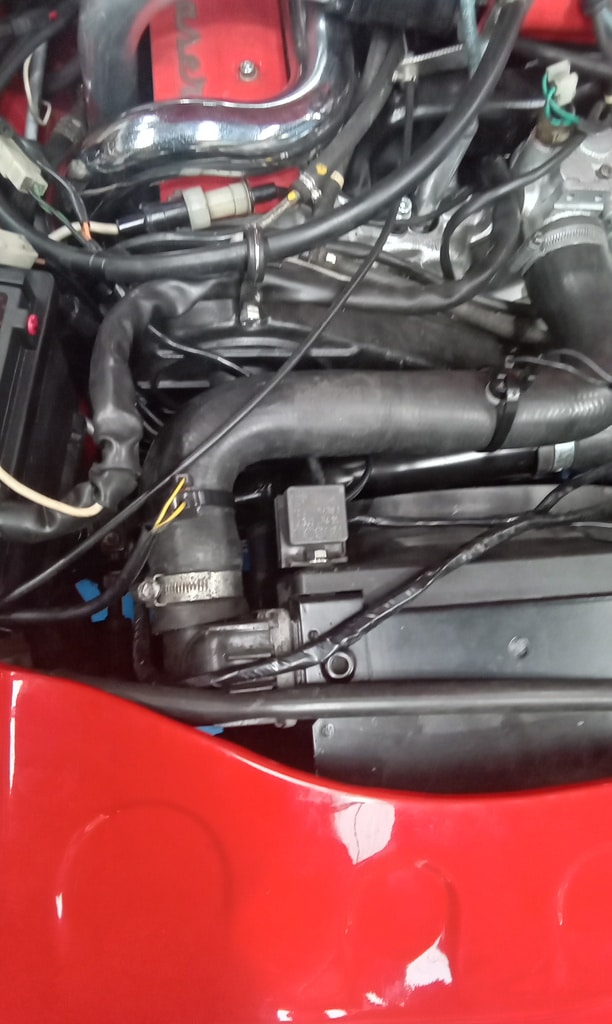
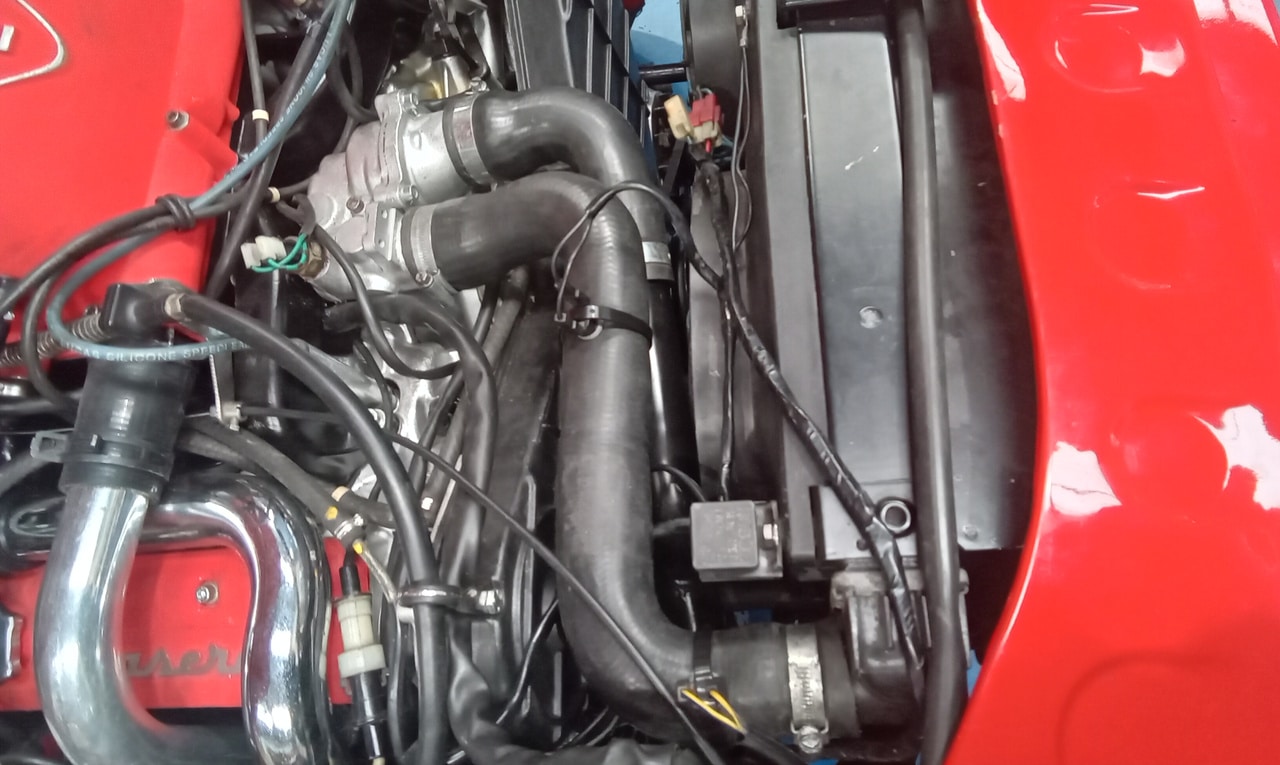
Will addressed the boost pipework, finding a section not seated correctly. He removed the jubilee clips and adjusted both the rubber and solid boost pipes, refitting them securely to the turbo. The air conditioning compressor was then reintroduced, and after identifying a crack in the bracket, he arranged for Clinton to weld it. Will then modified the compressor mounting points by carefully filing the bolt ears, repeatedly test-fitting until alignment was achieved. Once satisfied, he refitted the belts and AC lines, secured the bracket, and adjusted the strut top position to allow everything to sit correctly. All ancillary belts were then tensioned, and the compressor reconnected.
He removed the intake pipe bracket to prepare and repaint it, using heat to aid curing before applying a final black finish. Will also assessed what the original intake pipe specification would have been and recorded measurements for a replacement to be ordered. Finally, he investigated a window fault, finding the glass misaligned within its runner, and corrected its position.