Audi Celebrates 50 Years of the Five-Cylinder Engine
By Rob Harvey
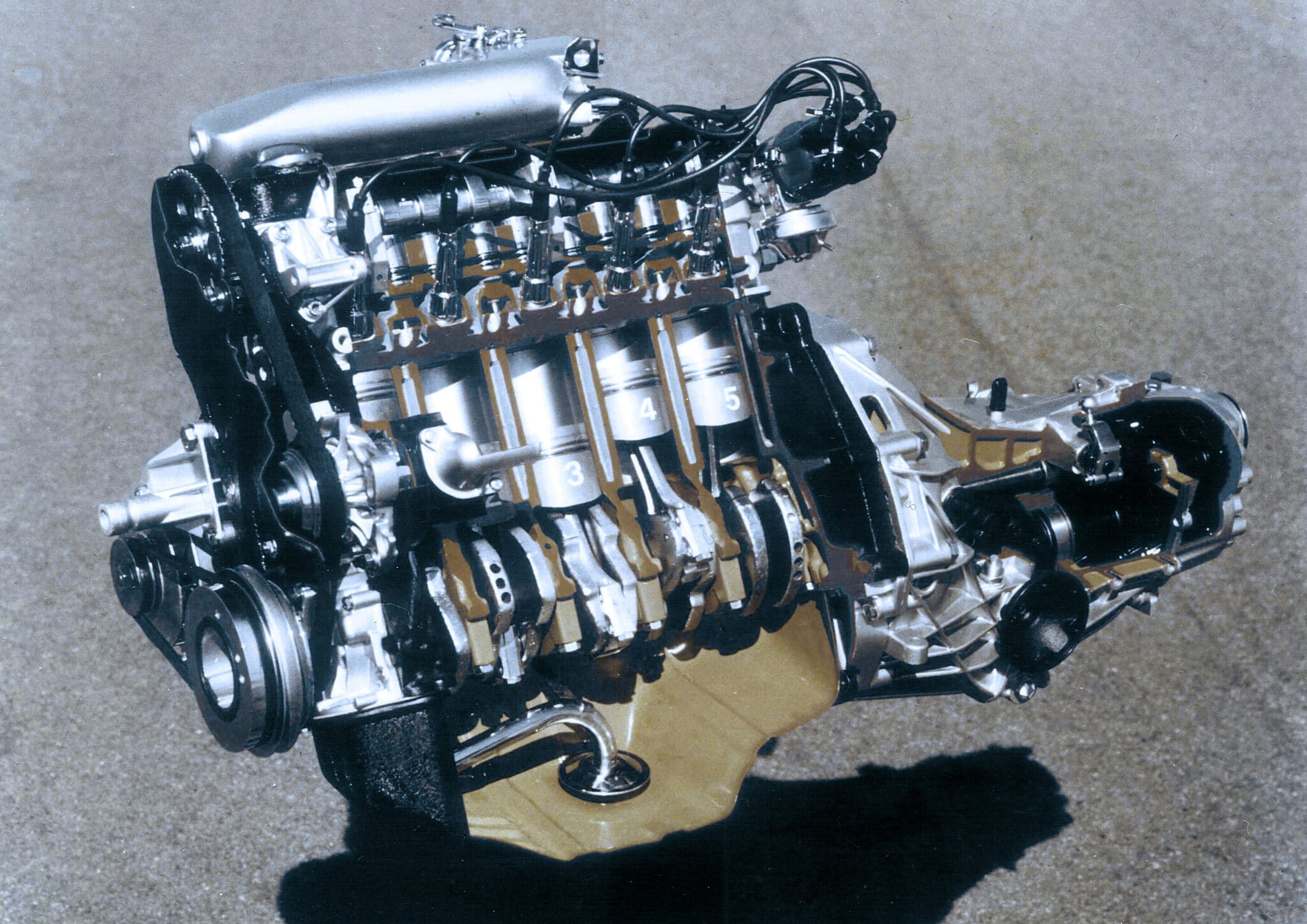
In 2026, Audi will be celebrating half a century since the launch of its five-cylinder engine. From its debut in the Audi 100 in 1976 to the high-performance RS 3 of today, the five-cylinder has become a recognisable part of Audi’s innovation, motorsport success, and incredible sound.
Image: AudiImage: AudiImage: AudiImage: Audi
Performance
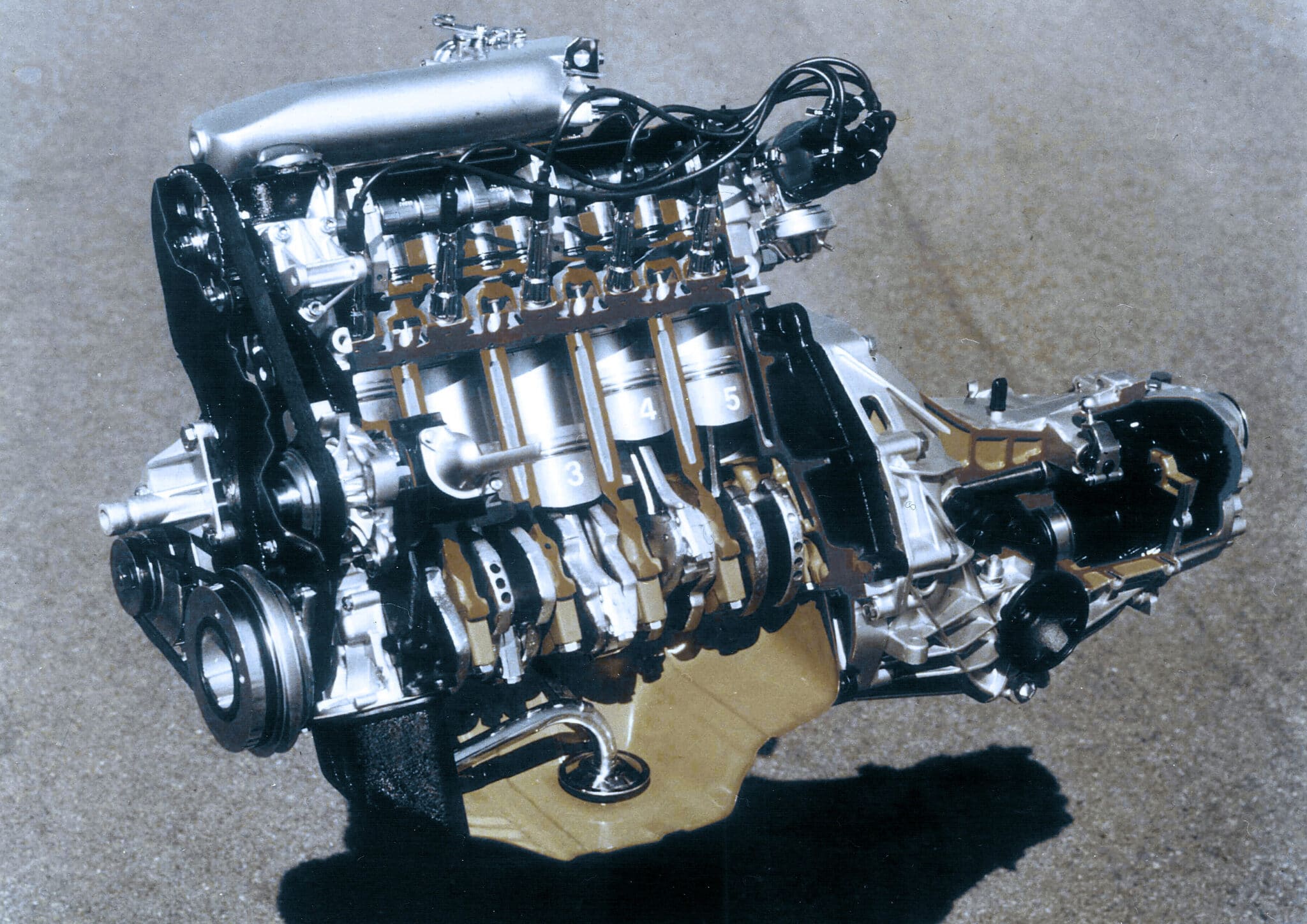
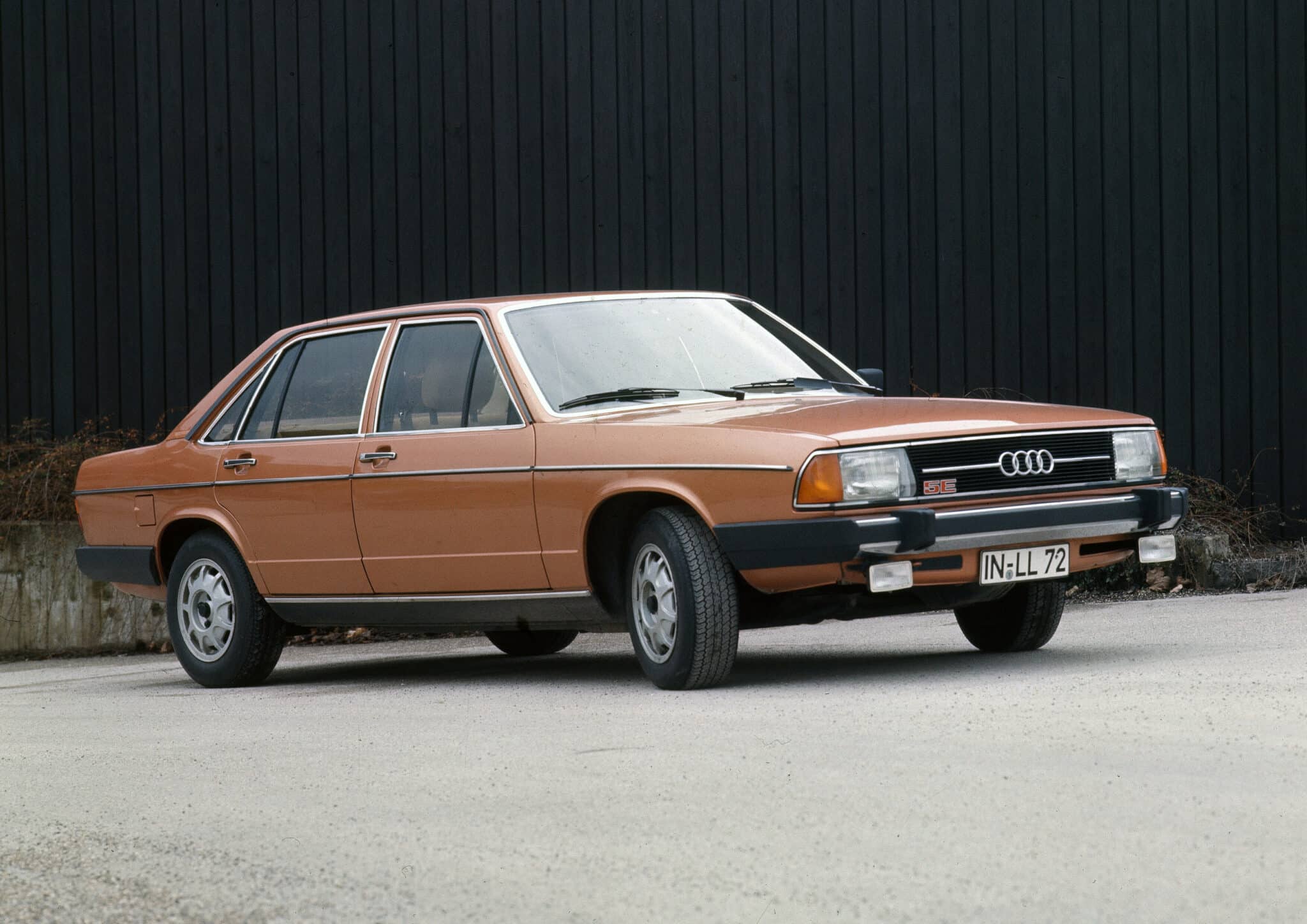
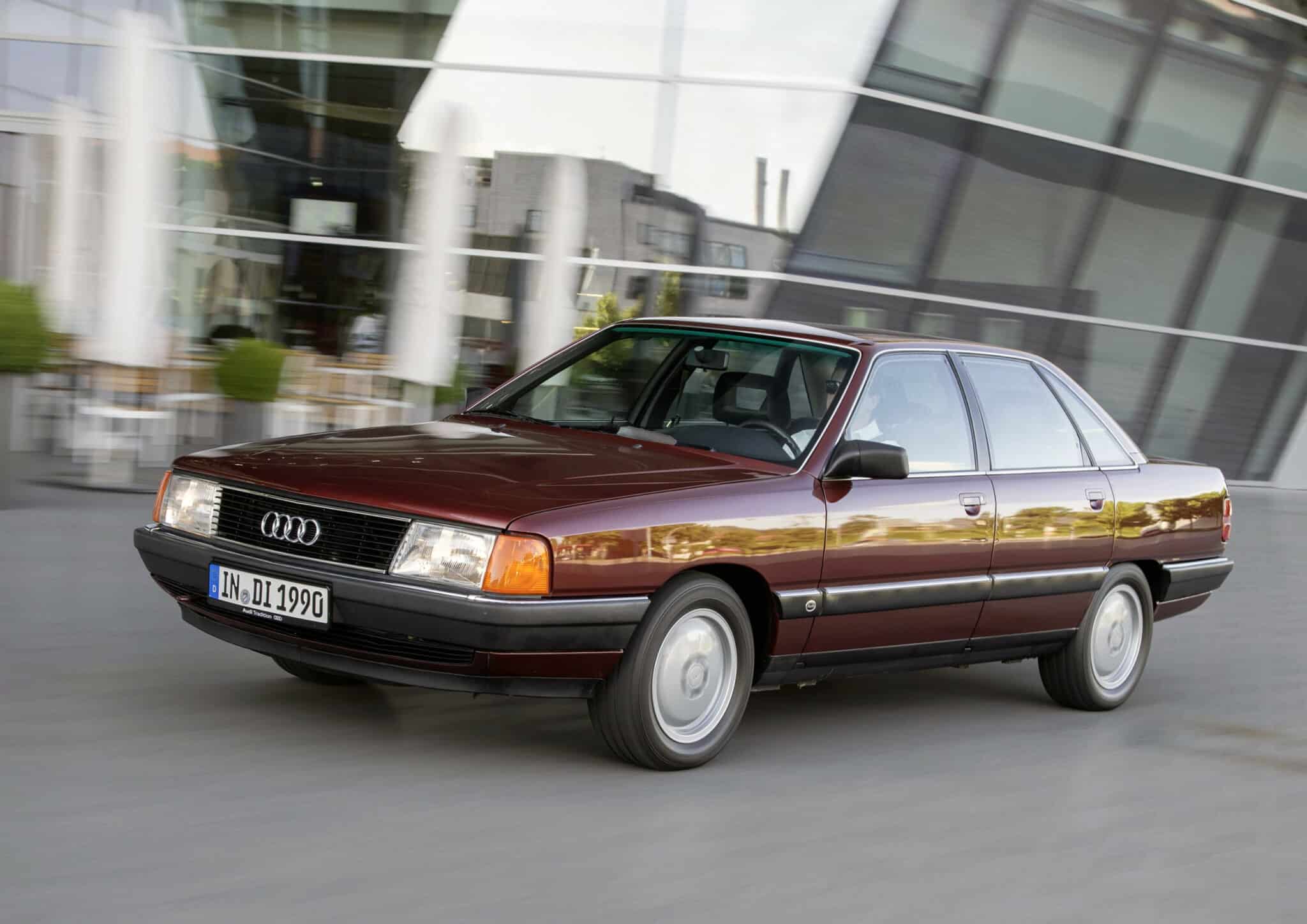
In 1976, the second-generation Audi 100 introduced a 2.1-litre five-cylinder engine producing 136 PS. Audi engineers needed something more refined and powerful than a four-cylinder, but more compact than a six. The result was a compromise that became a key part of Audi’s “Vorsprung durch Technik” ethos.
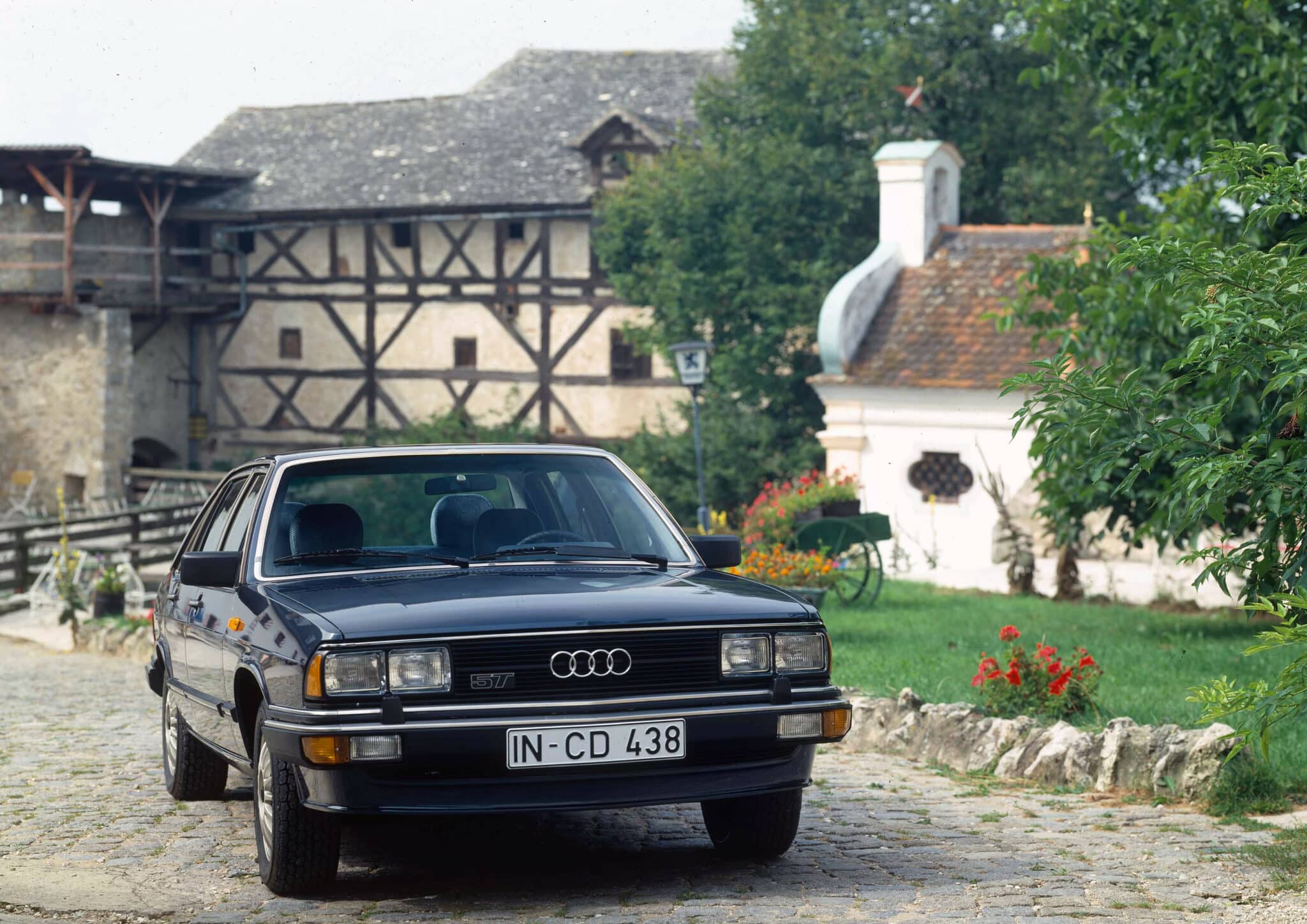
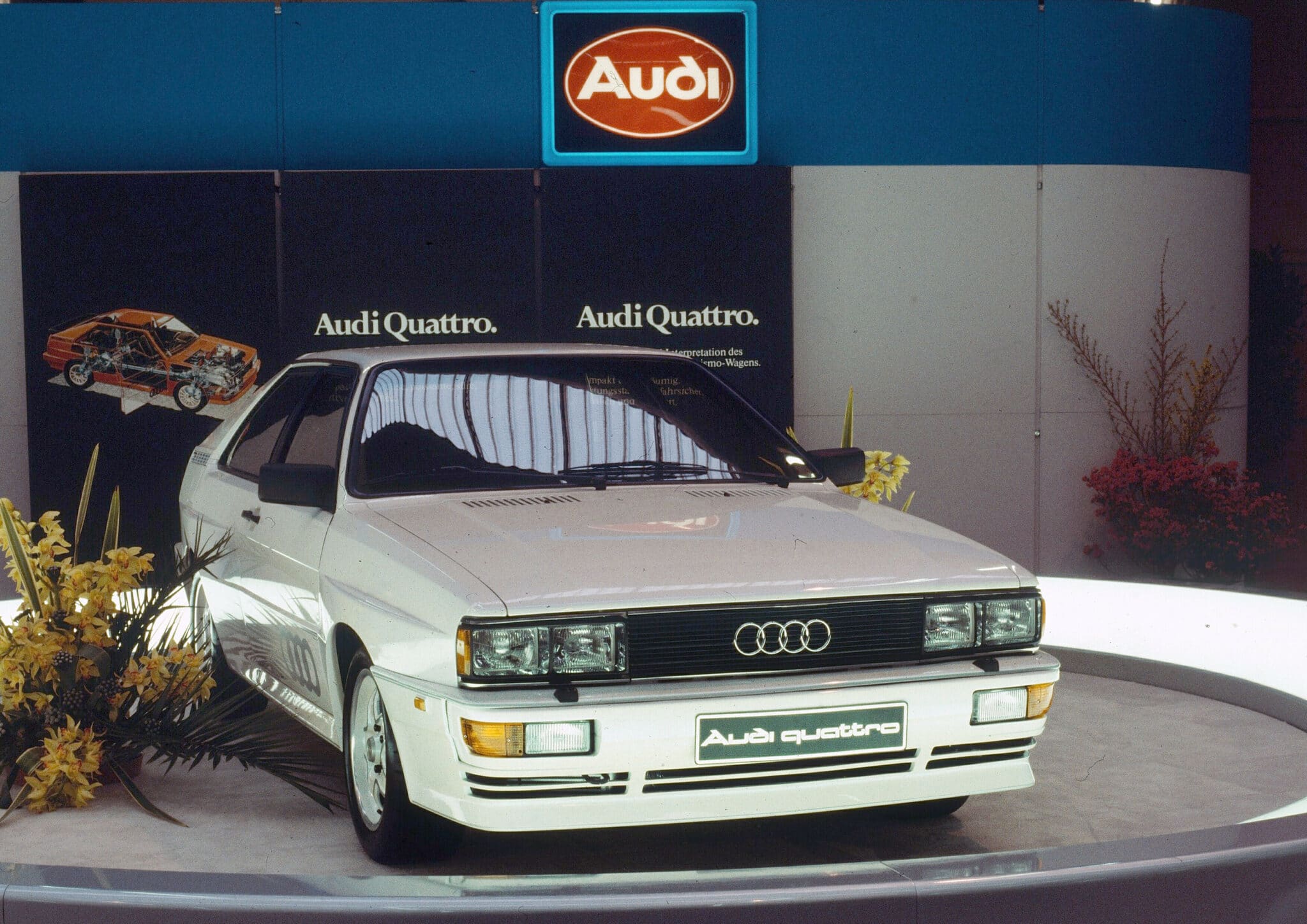
By the late 1970s, the five-cylinder had already evolved. Turbocharging arrived in 1979 with the Audi 200 5T. This gave 170 PS and 265 Nm of torque. One year later, the five-cylinder-powered Audi quattro brought rally technology to the road with permanent all-wheel drive and a sound that petrolheads very quickly fell in love with.
Motorsport
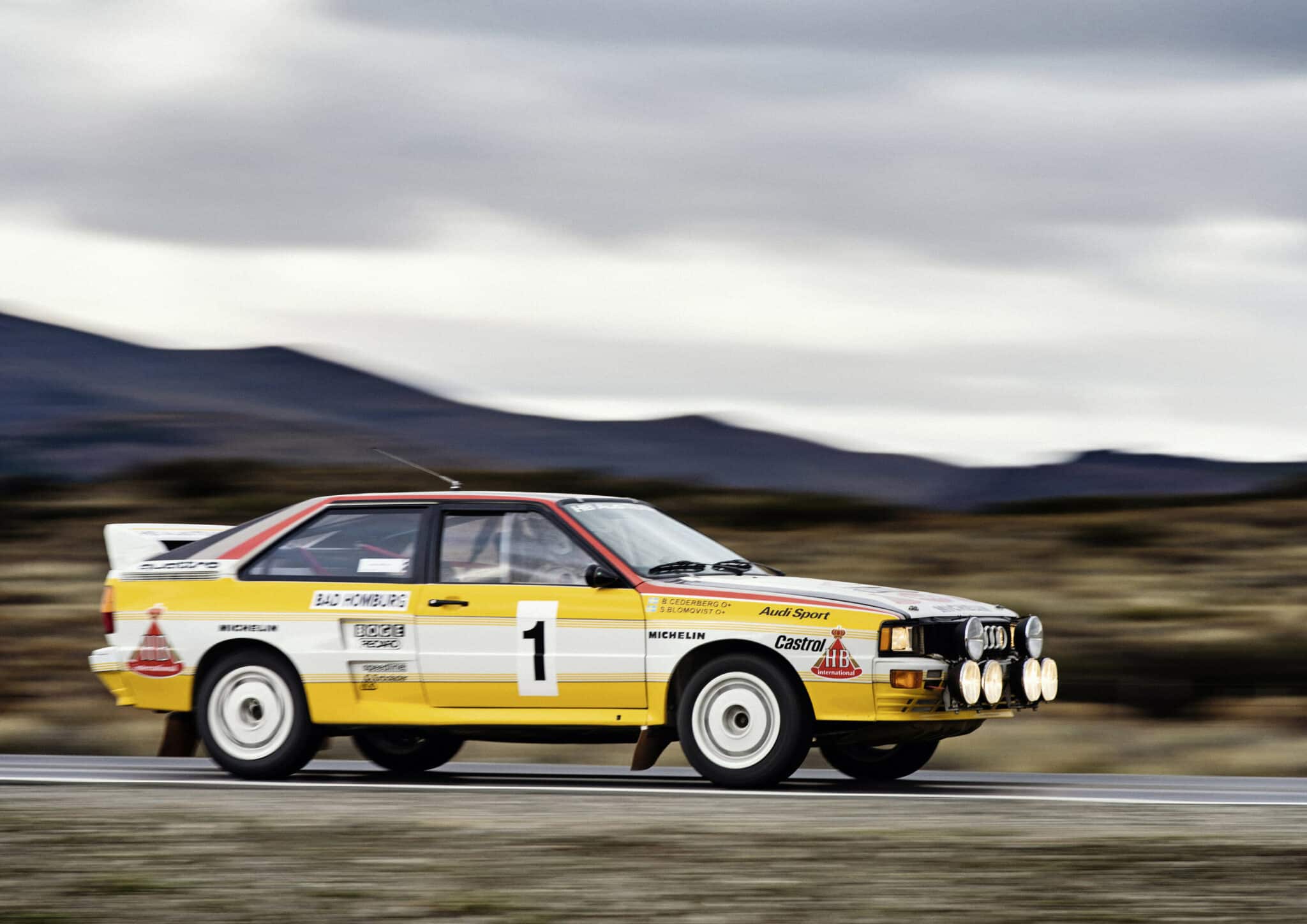
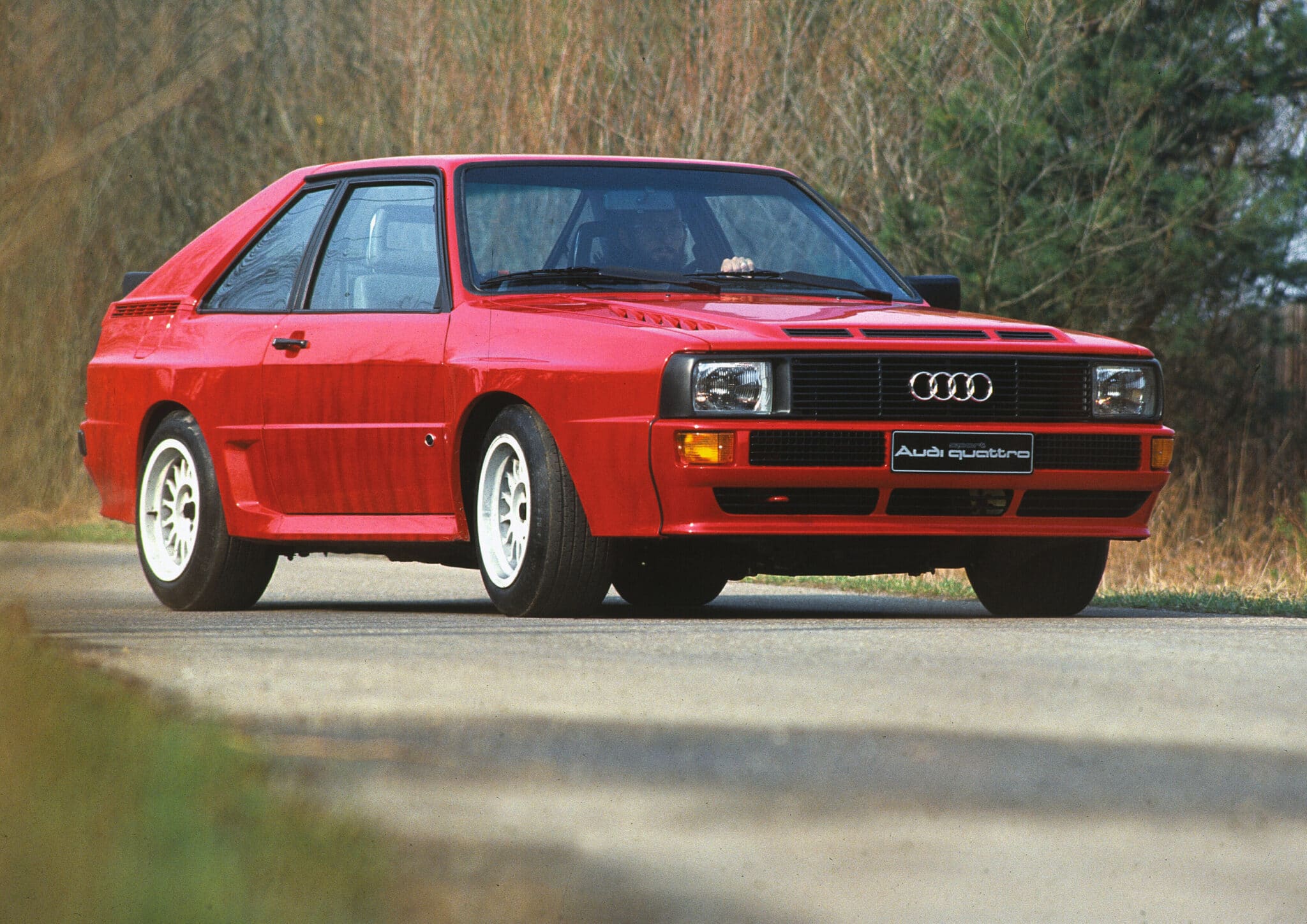
The 1980s were when Audi dominated rally stages worldwide, with legends like the Sport quattro and the Group B cars leading the way. In 1984, the road-going Sport quattro hit 306 PS, becoming the most powerful German production car of its time. Rally versions delivered up to 450 PS, helping Audi to win multiple world titles with drivers like Hannu Mikkola and Stig Blomqvist.
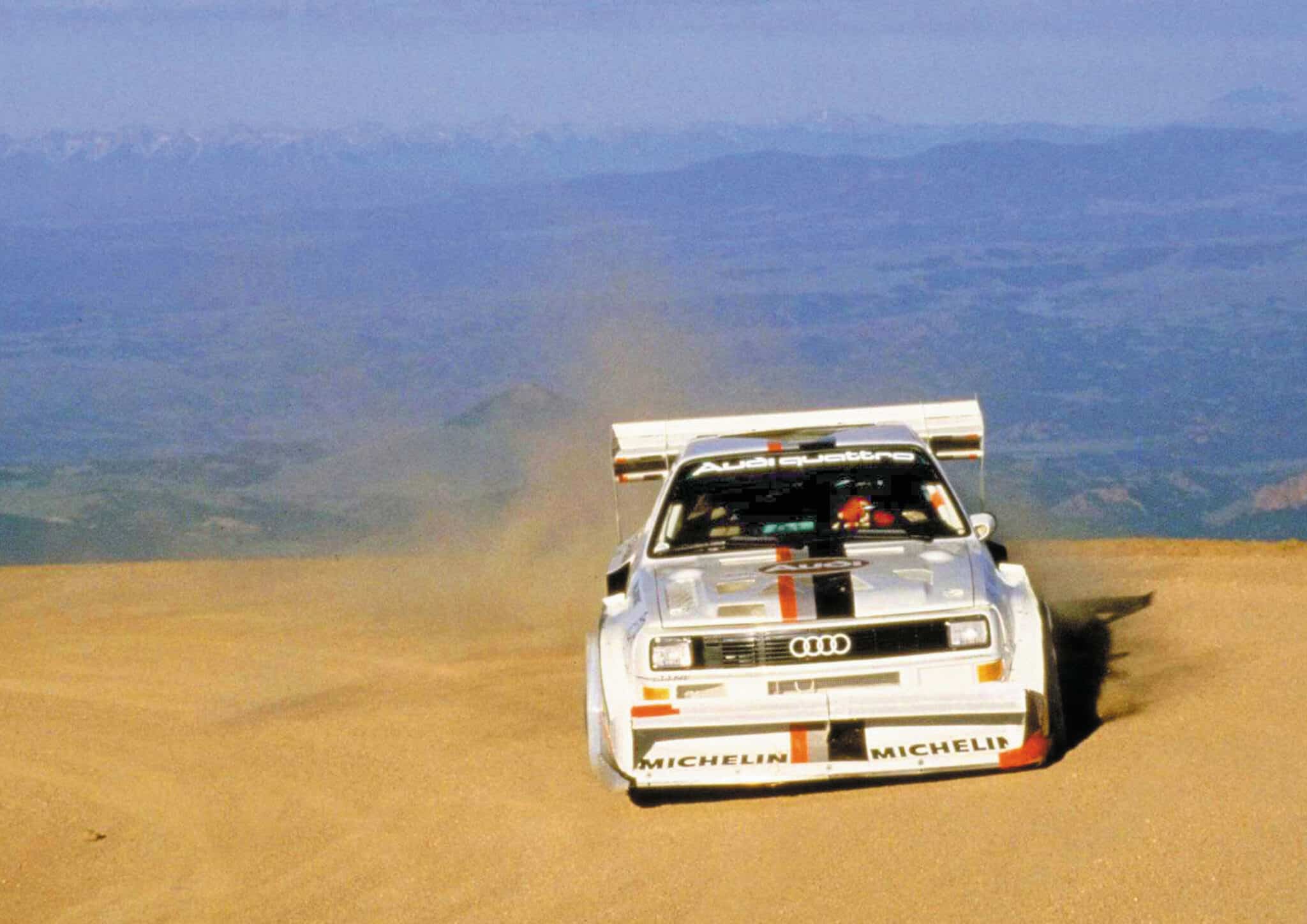
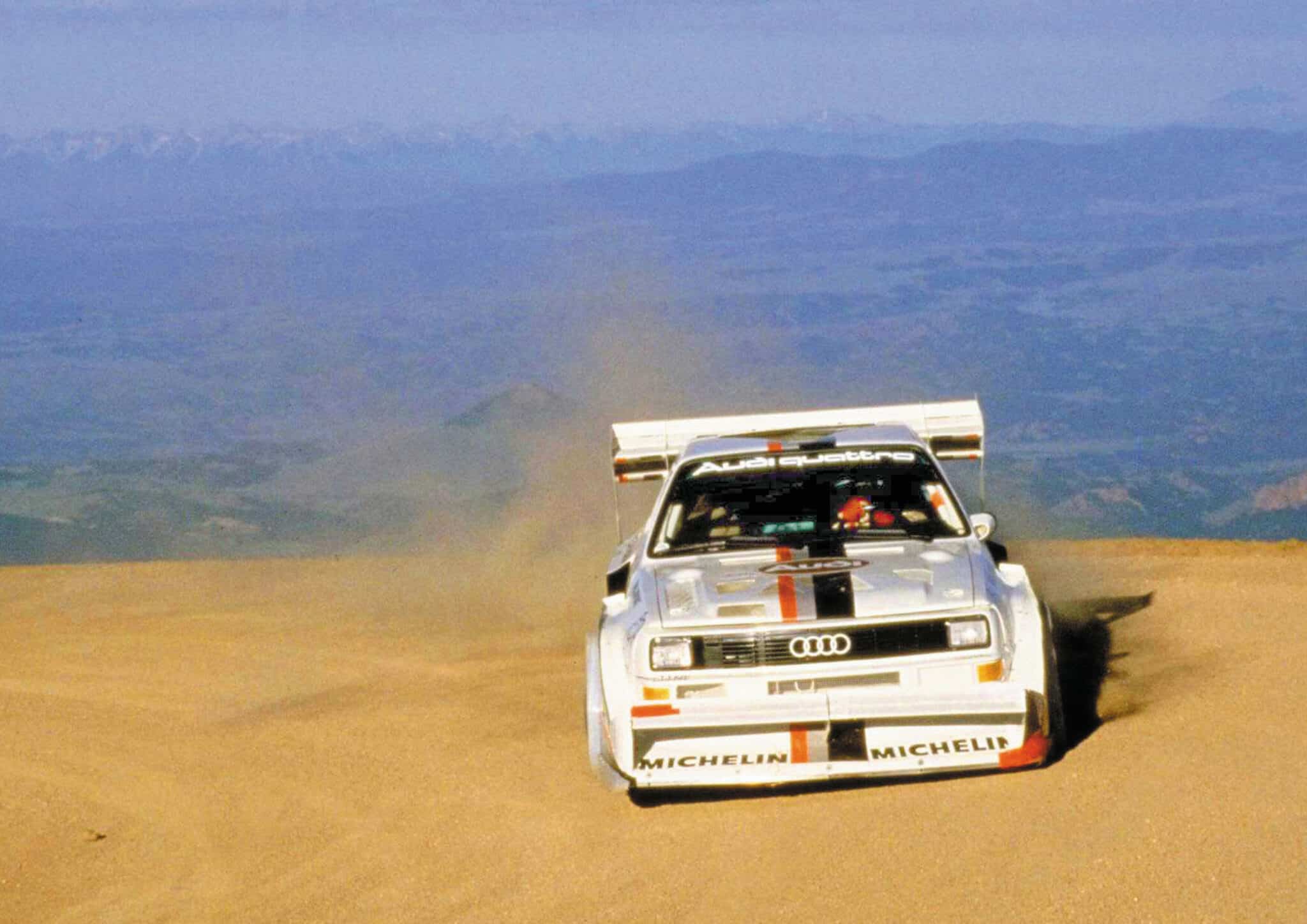
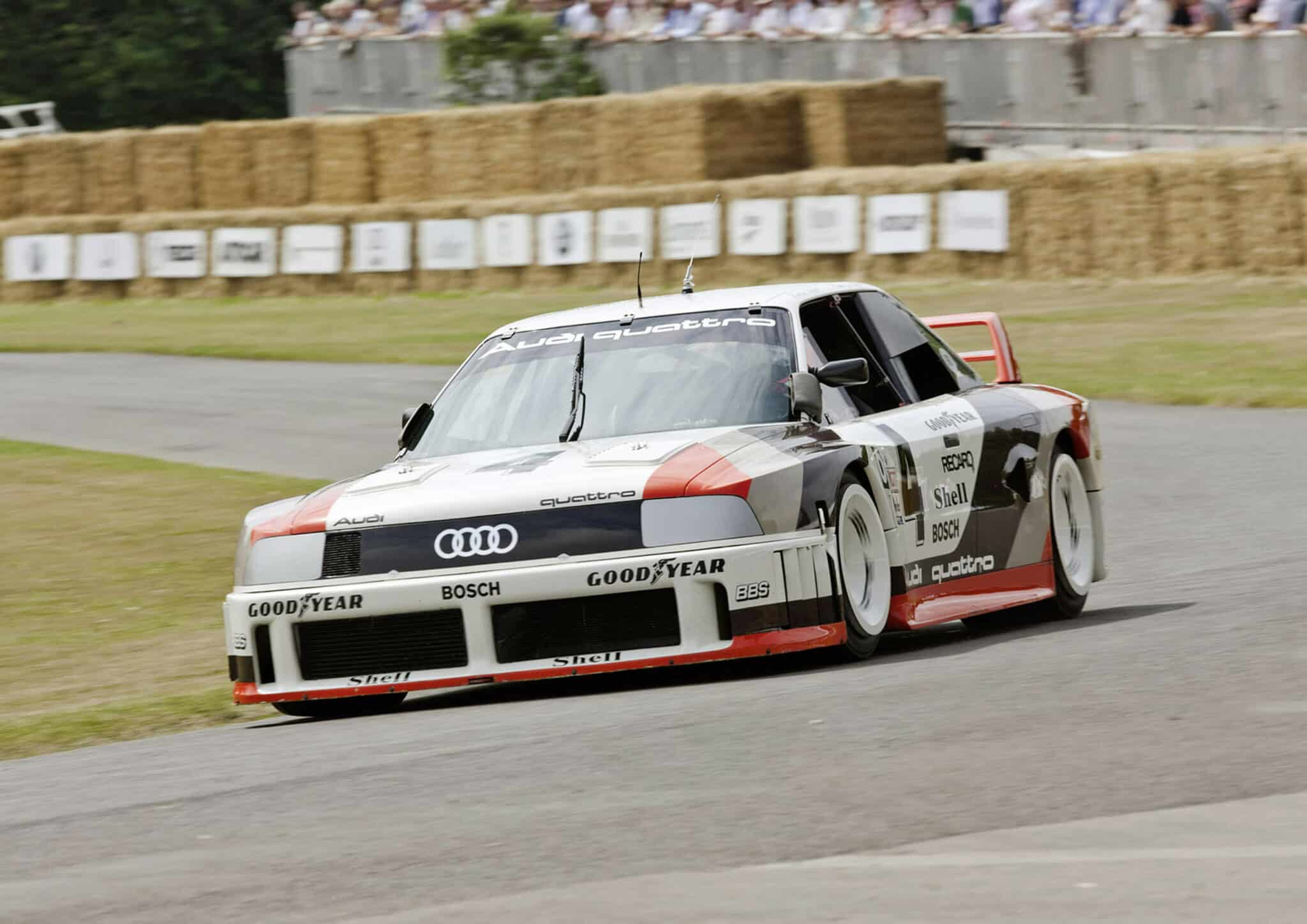
It wasn’t all about the rallying world, though. Audi’s five-cylinder also made an impact in U.S. motorsports. The Trans-Am Audi 200 and IMSA GTO were powered by turbocharged five-cylinder engines pushing beyond 500 PS. Around the same time, Walter Röhrl famously conquered Pikes Peak in 1987 in a 598 PS Sport quattro S1.
Image: AudiImage: AudiImage: AudiImage: Audi
Evolution and Return
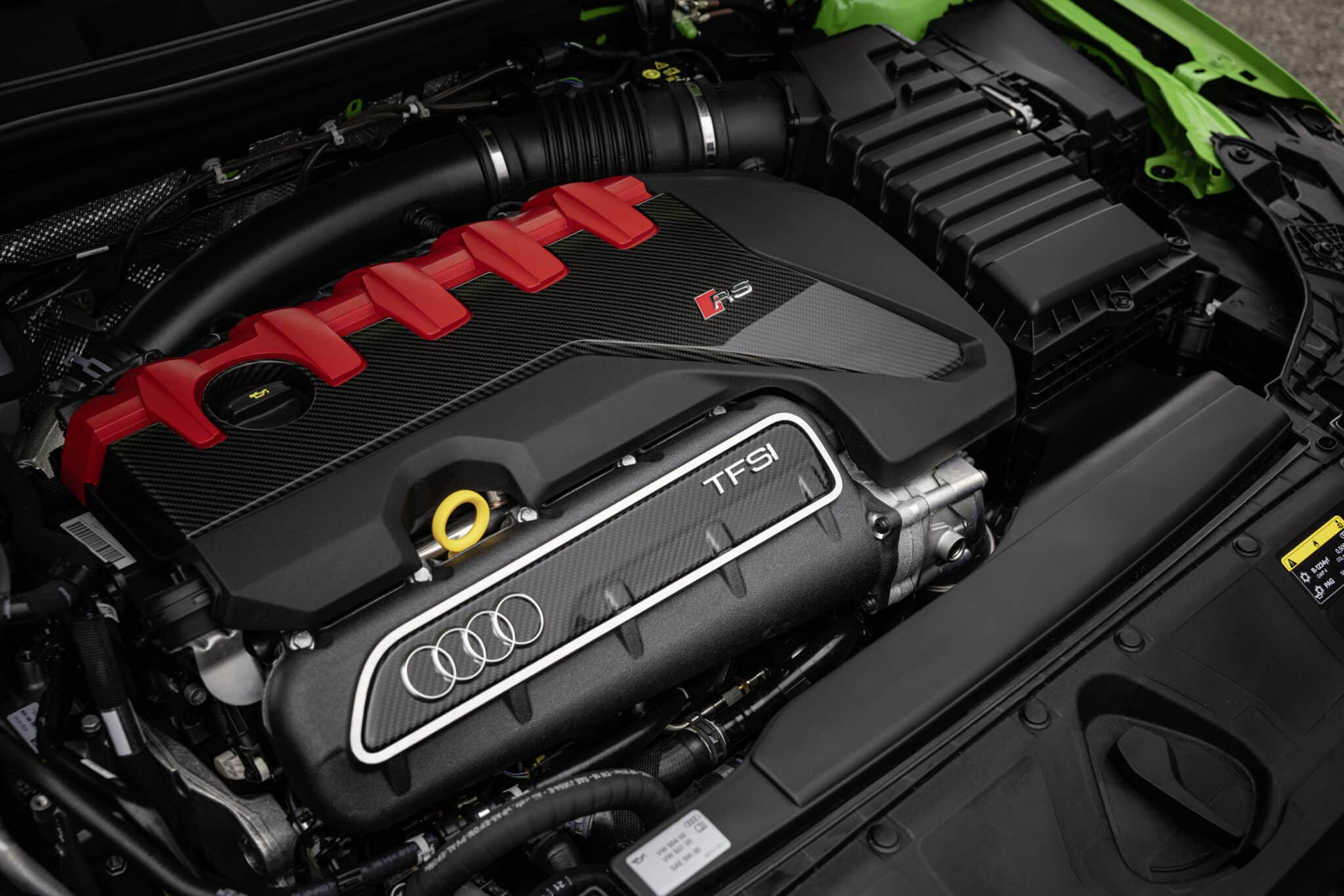
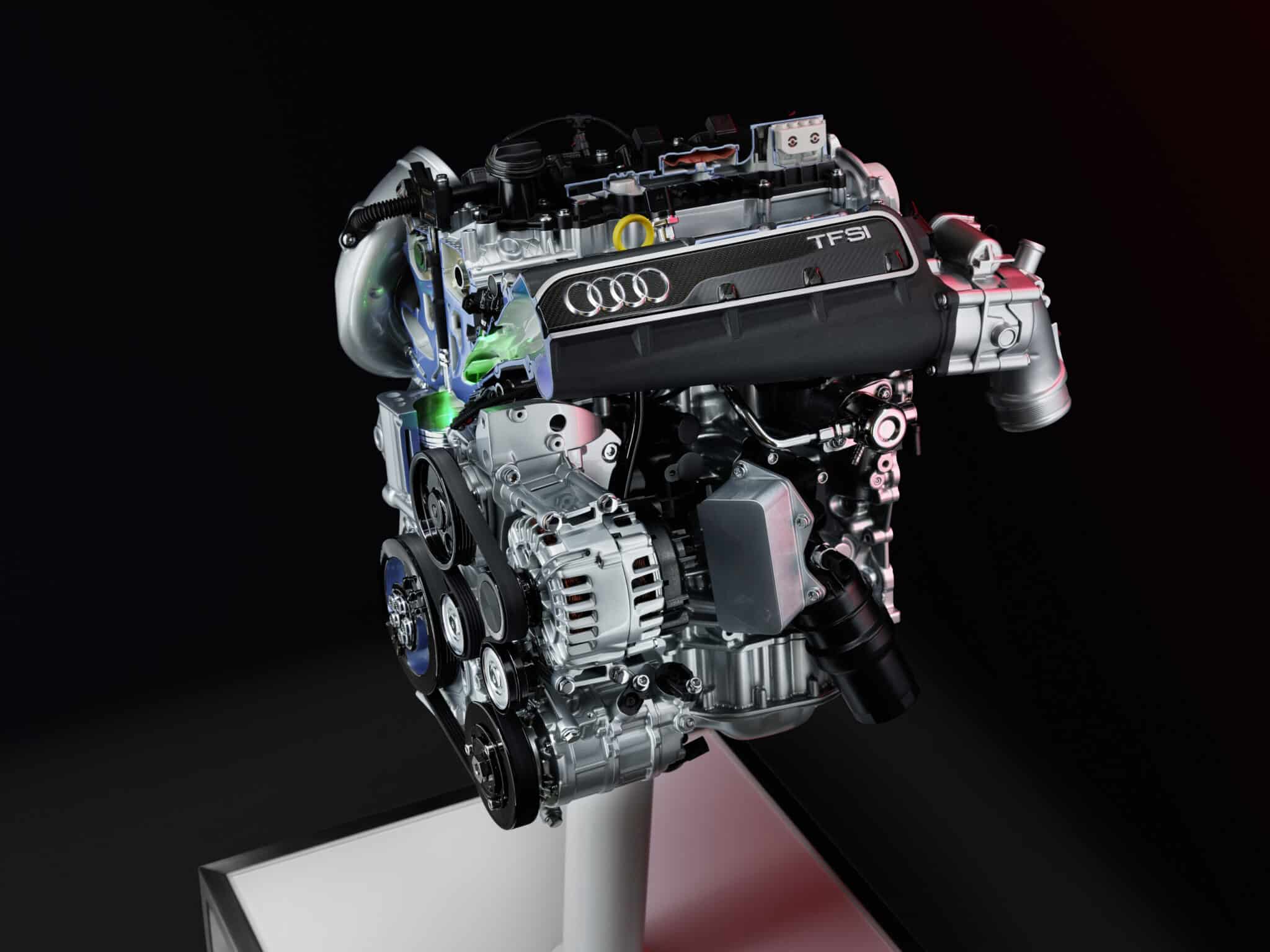
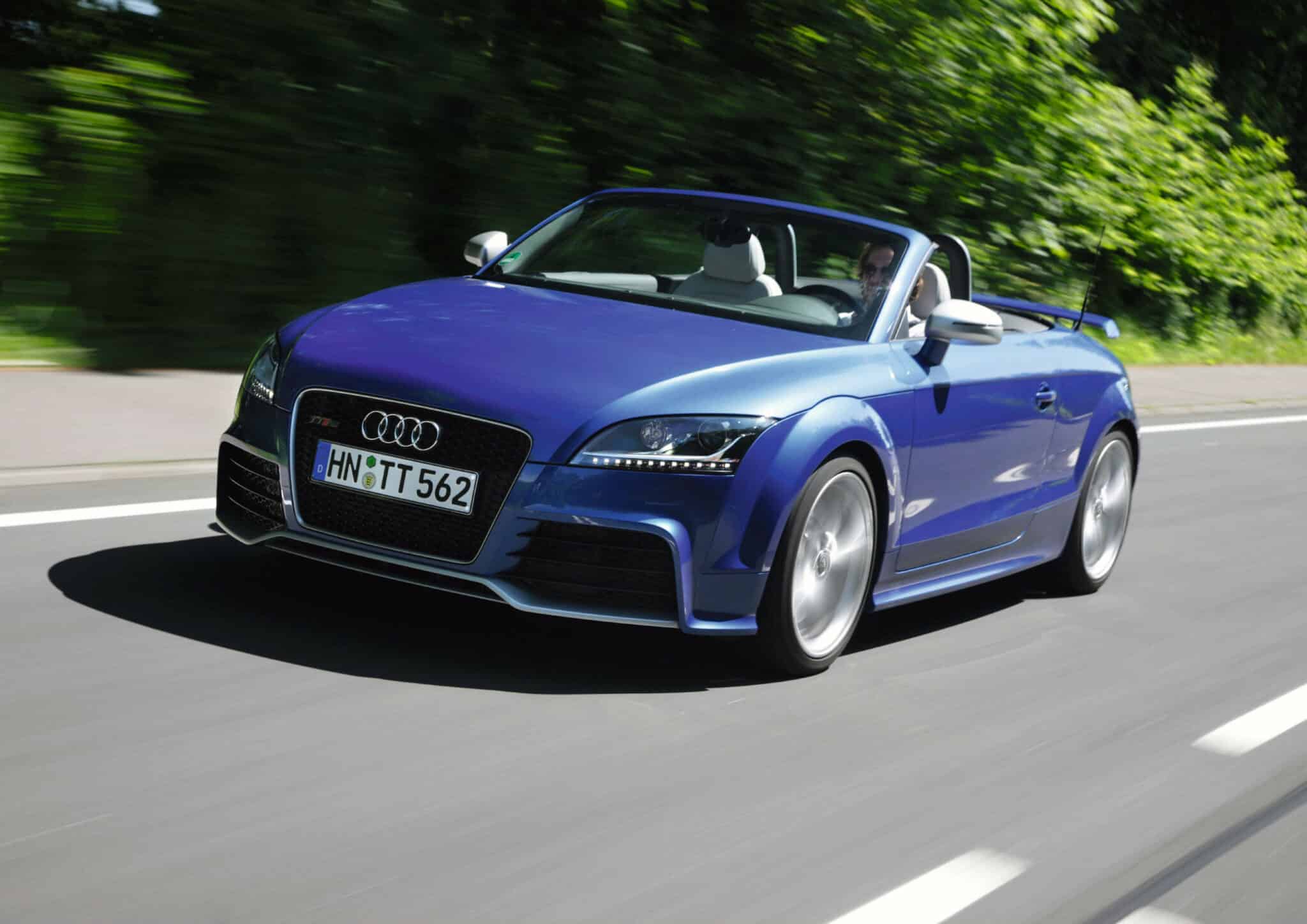
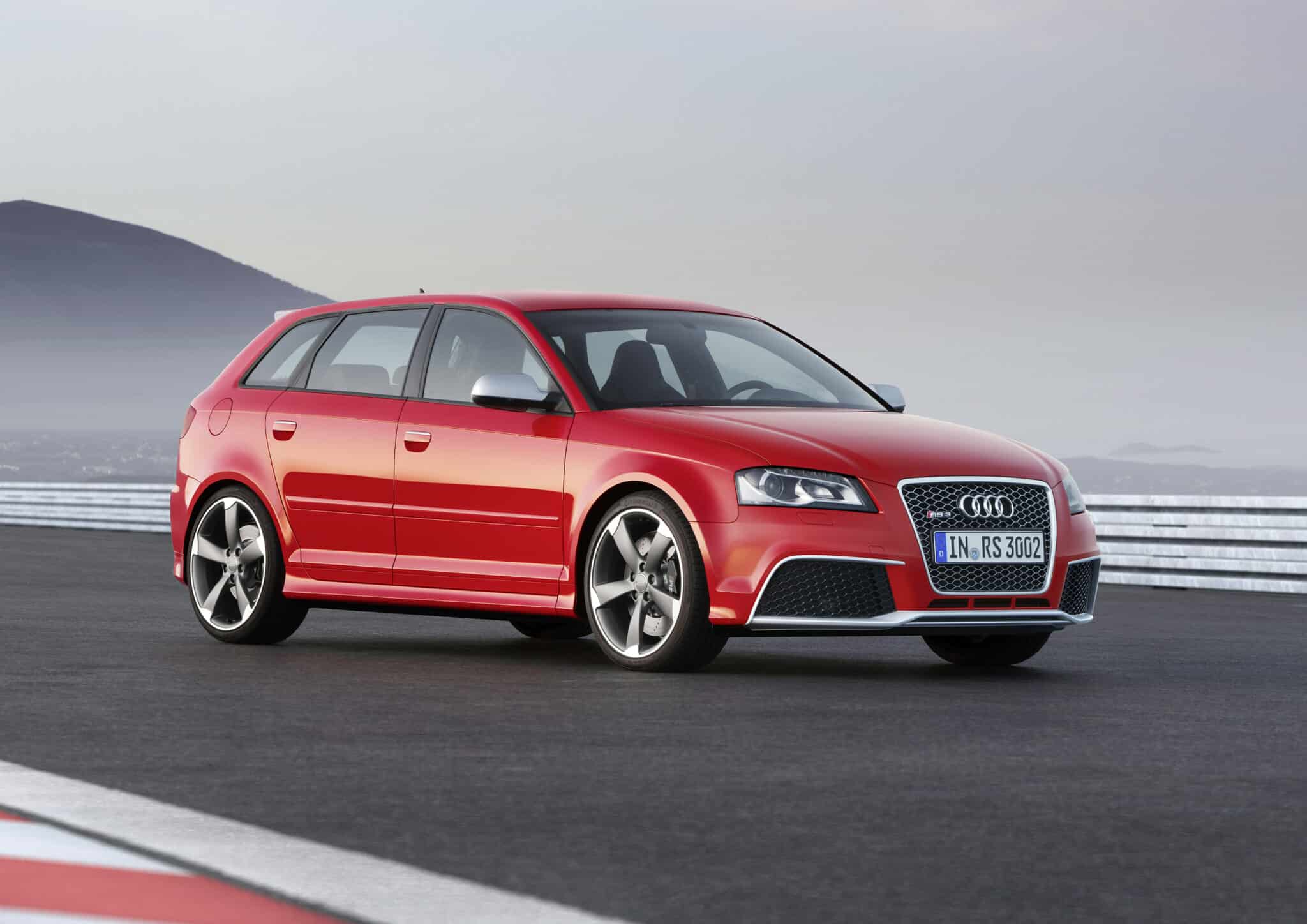
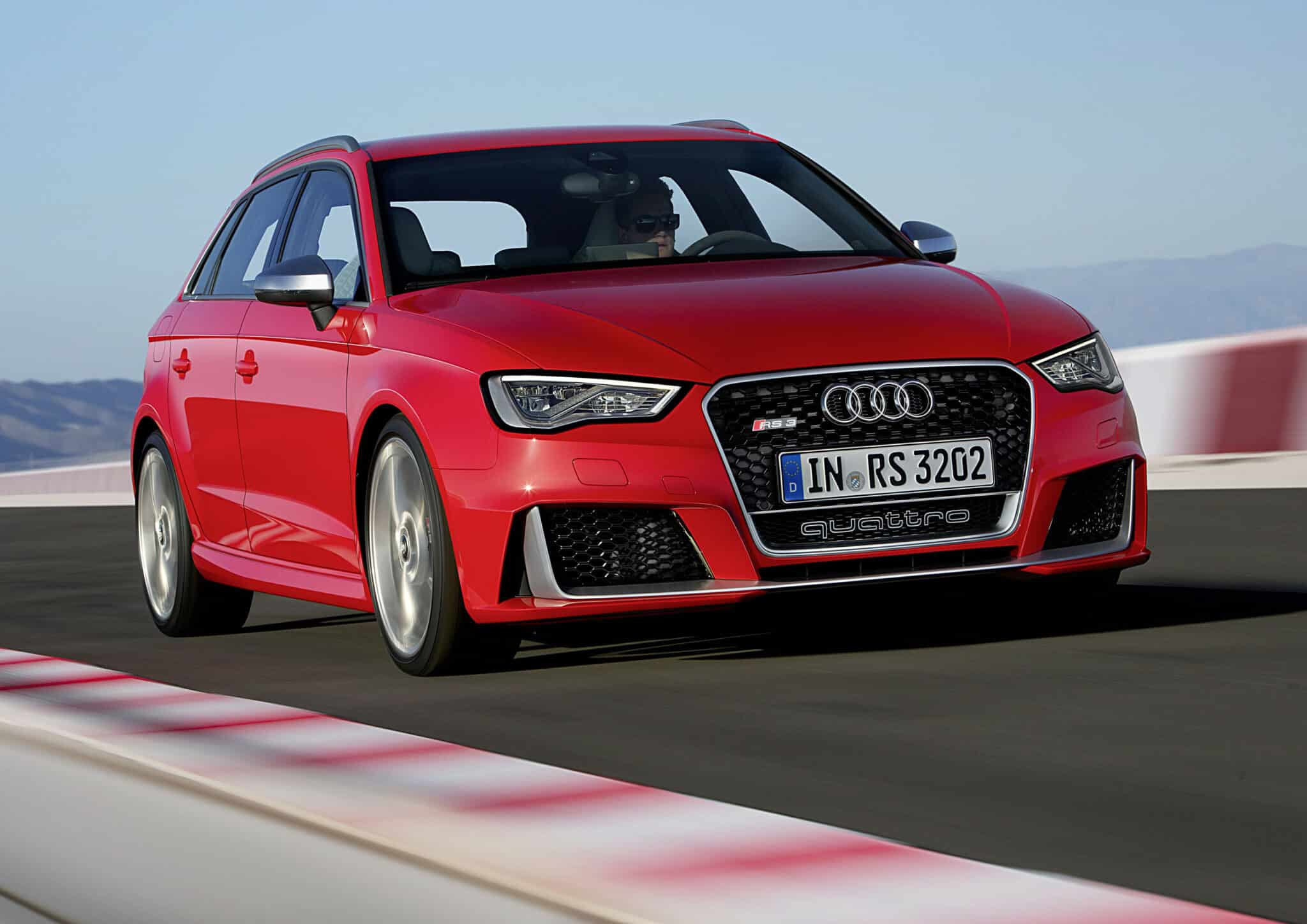
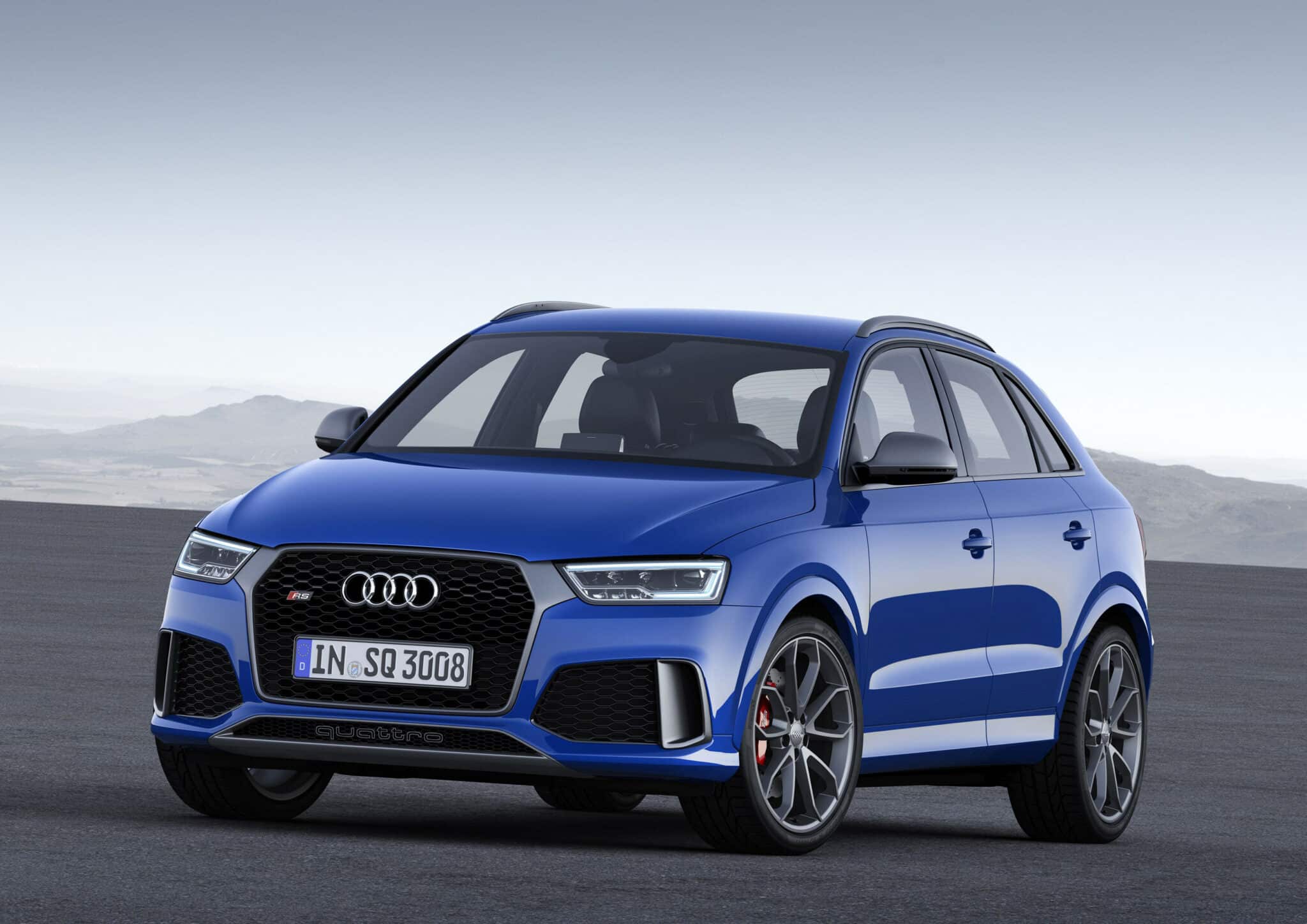
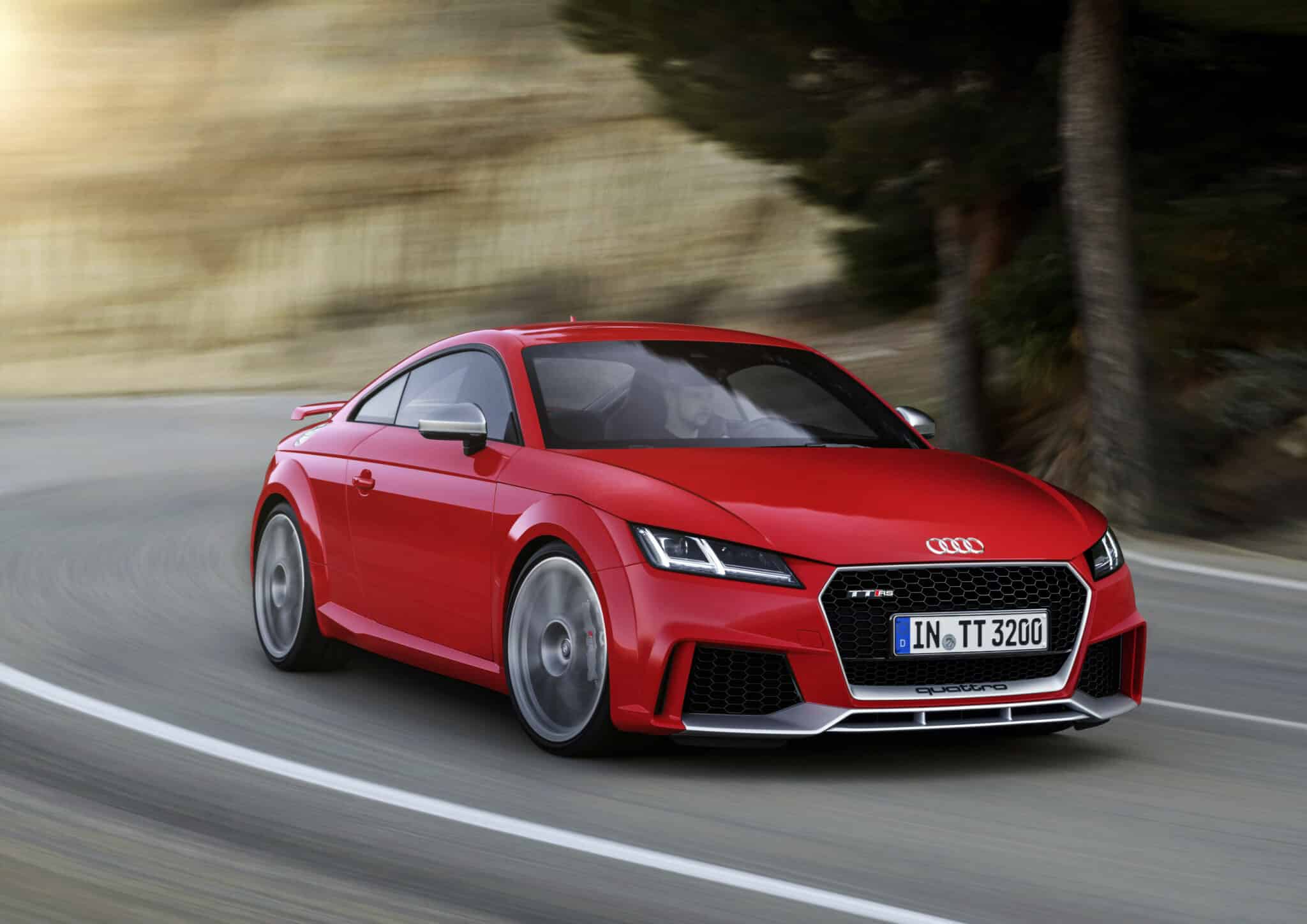
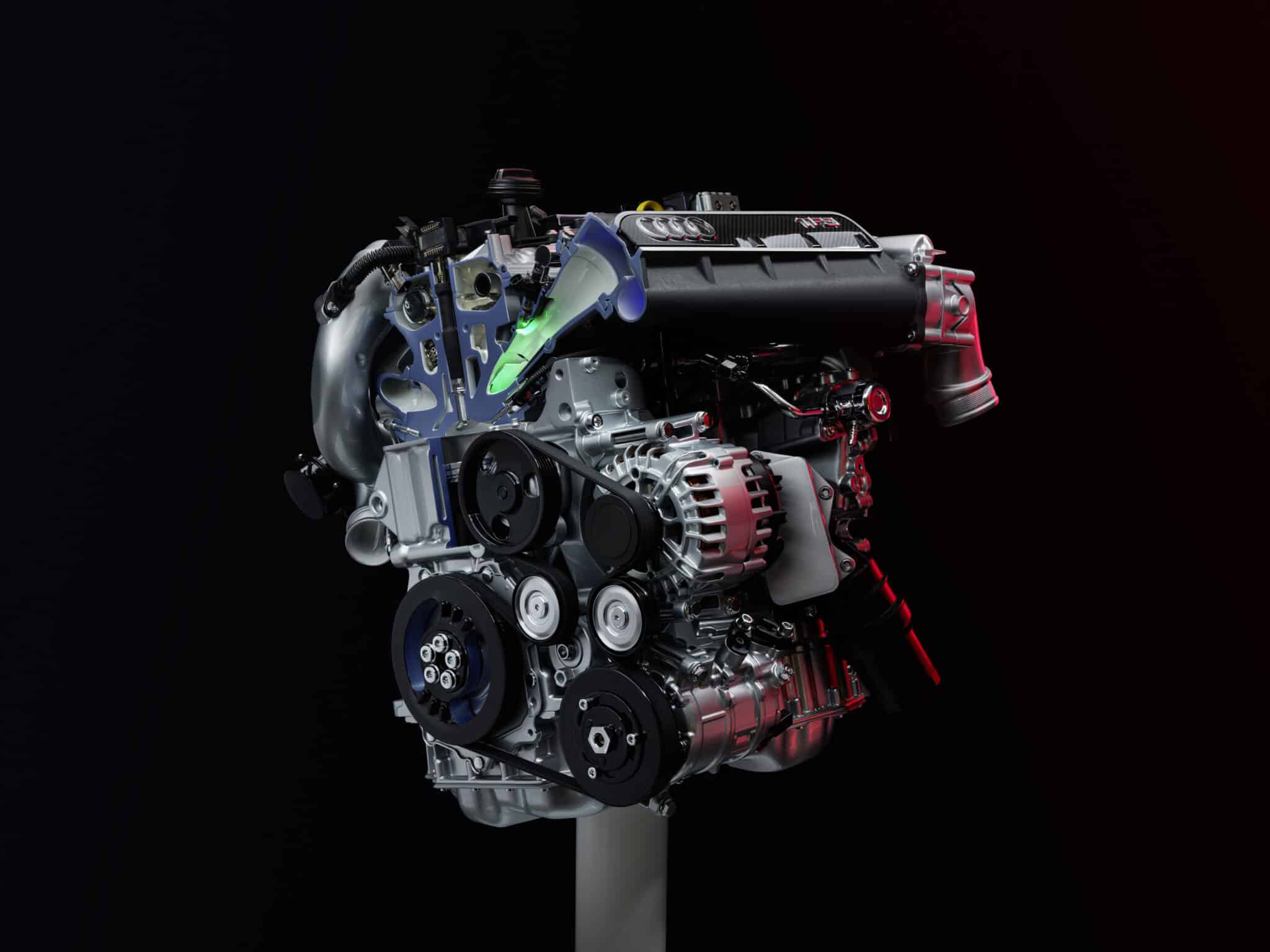
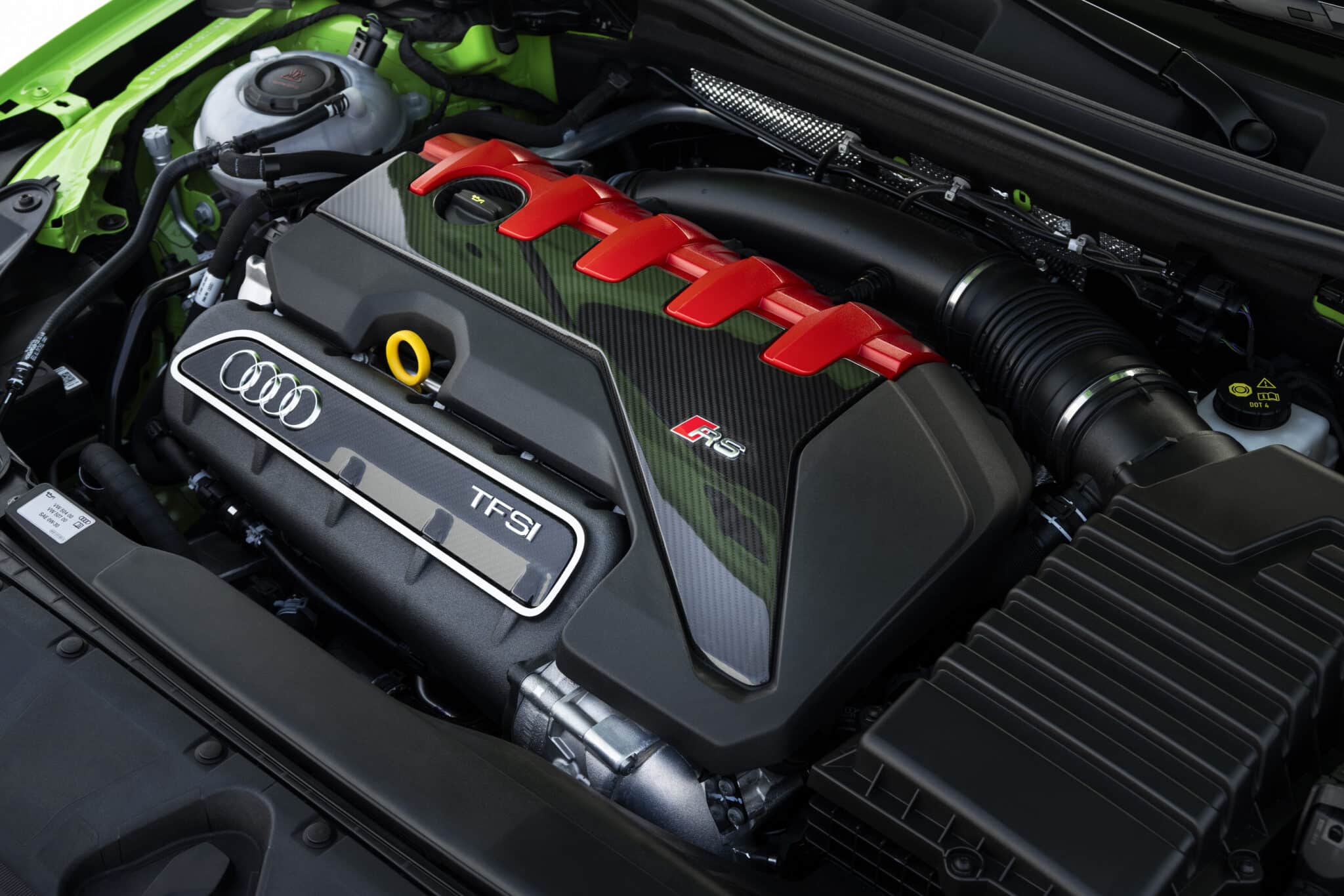
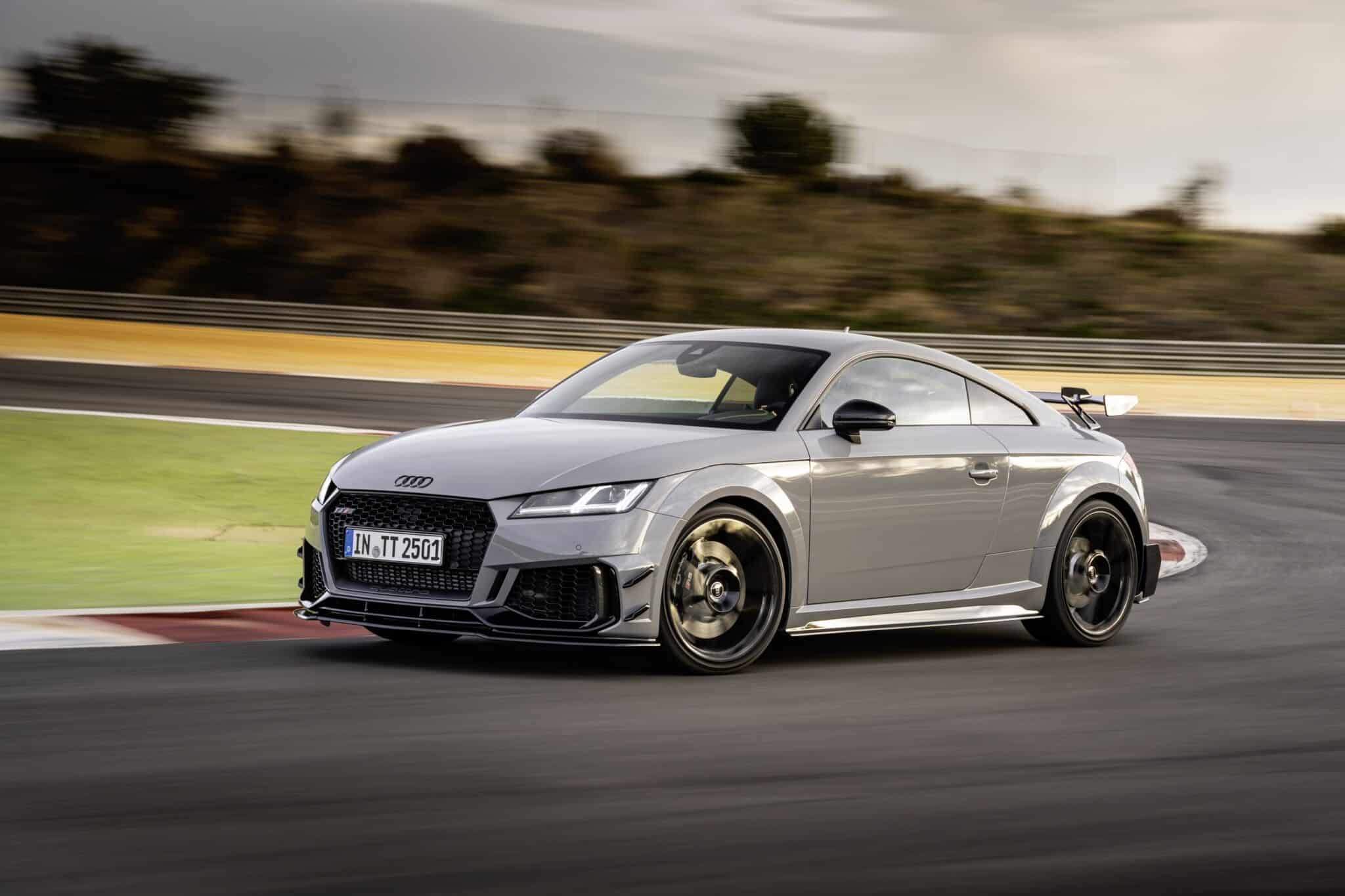
After a hiatus in the late 1990s, Audi brought back the five-cylinder in 2009 with the TT RS. Featuring turbocharging and direct injection, it produced 340 PS and quickly found its way into other performance models like the RS 3 and RS Q3. The current-generation 2.5 TFSI engine debuted in 2016 and now delivers 400 PS and 500 Nm of torque.
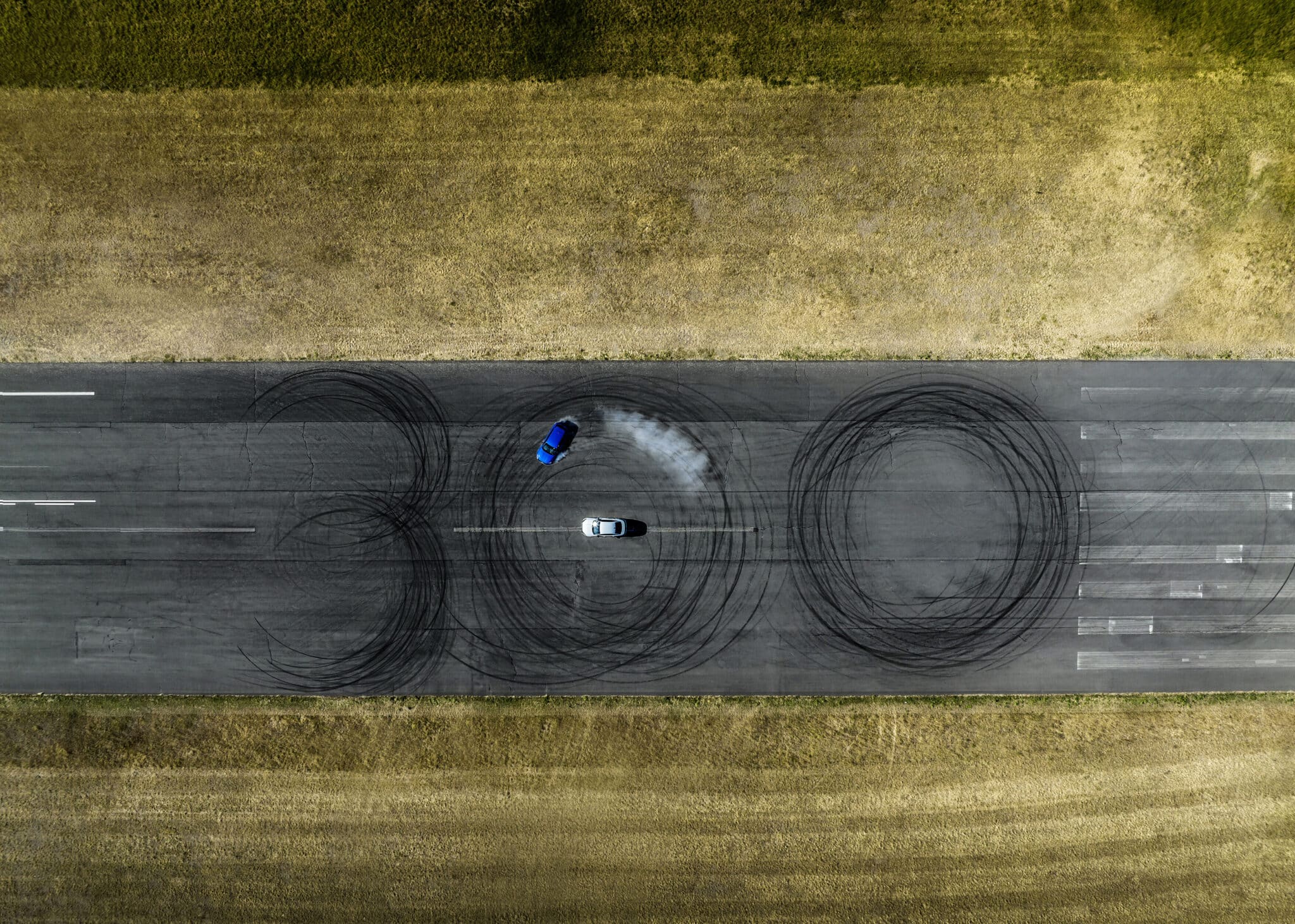
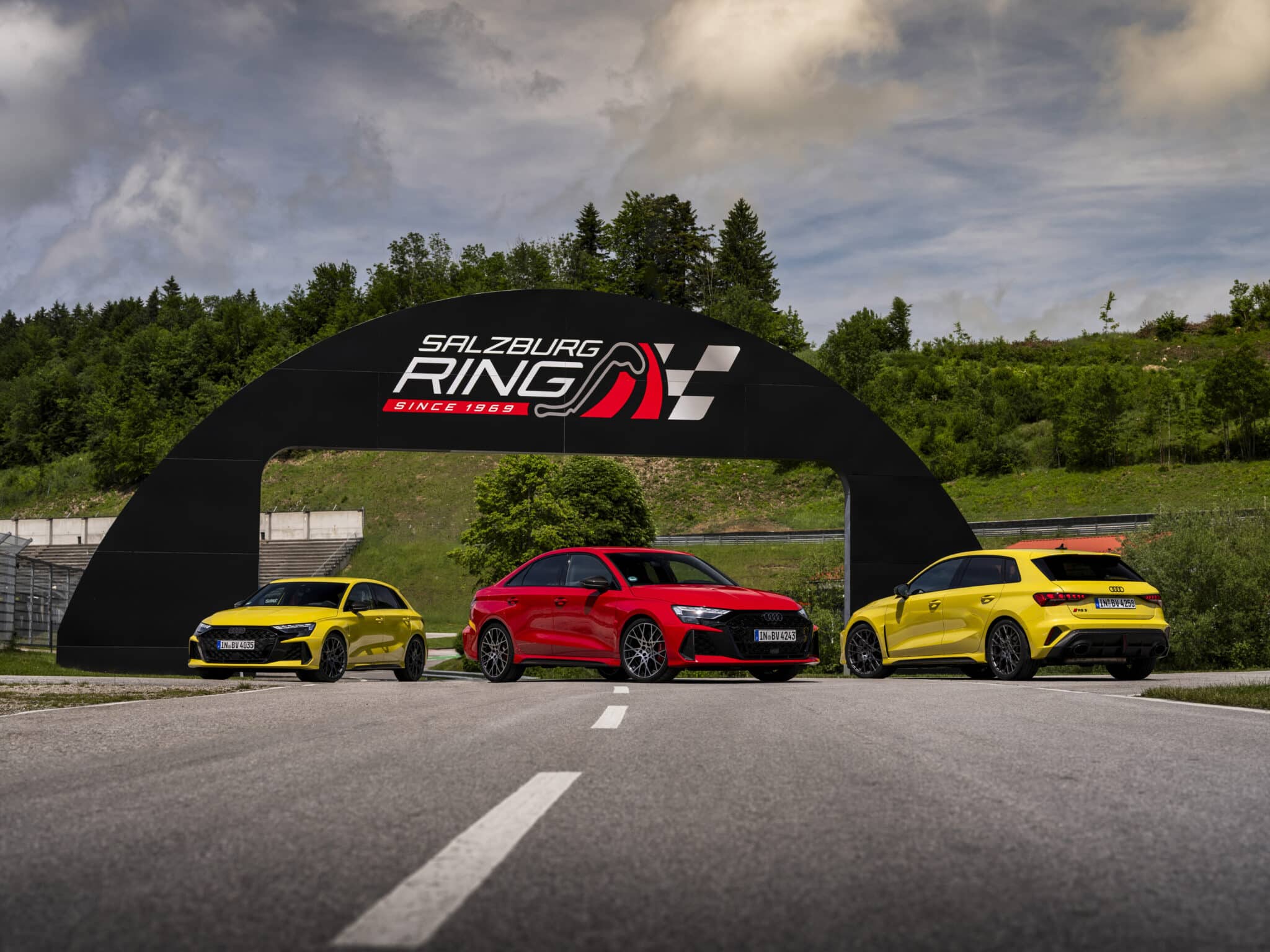
Today, the RS 3 can go from 0 – 60mph in 3.8 seconds and, with optional upgrades, reach a top speed of 180mph.
Hand Assembled
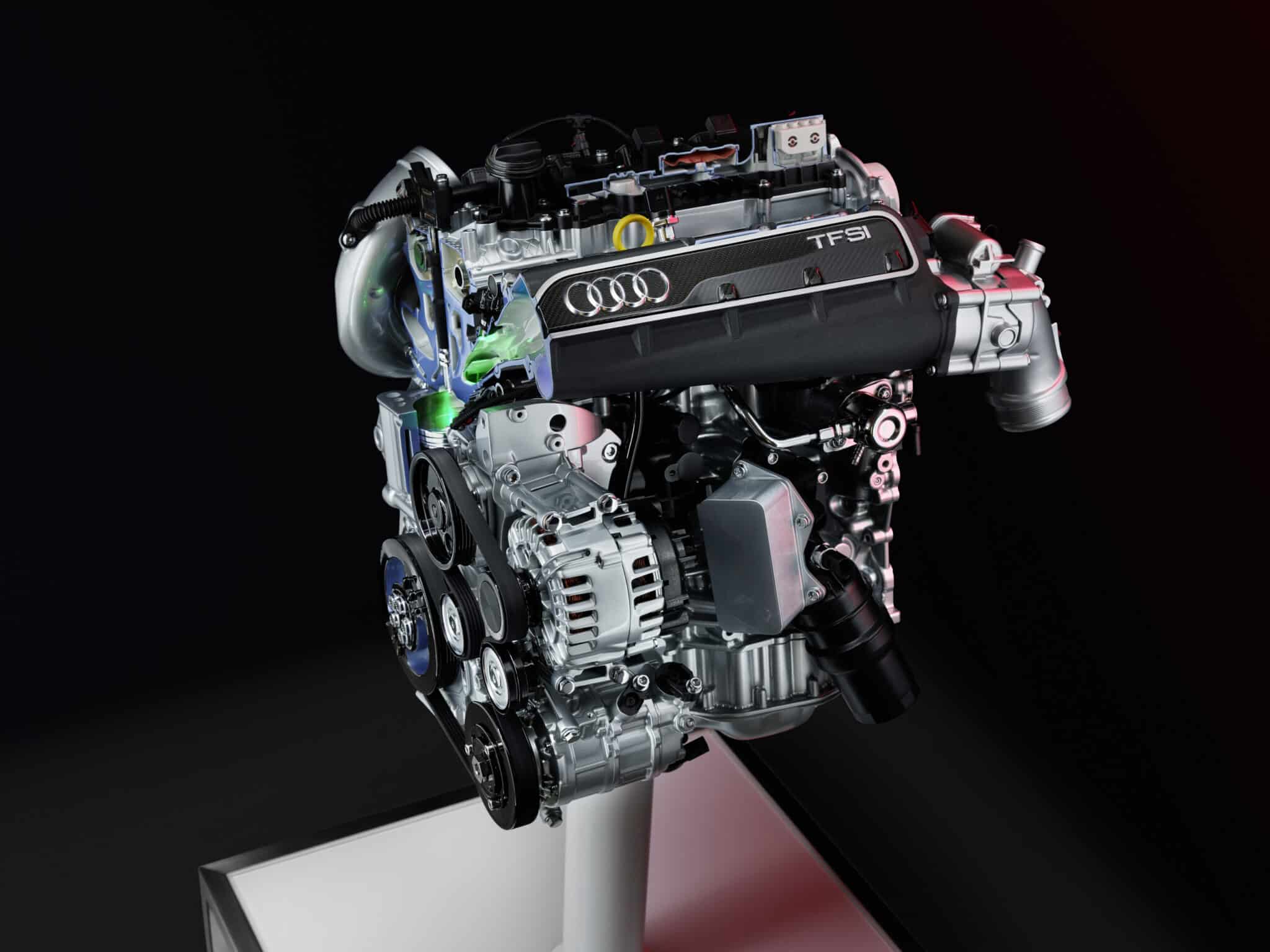
Each five-cylinder engine is hand-assembled at Audi’s plant in Győr, Hungary. Covering more than 1,000 square metres, the Bock assembly area is where highly trained technicians build the engine from the ground up, including intricate tasks like crankshaft fitting, cylinder head installation, and turbocharger setup. Final tests, both cold and hot, make sure that every unit meets Audi’s performance standards before making its way to Ingolstadt for installation in the RS 3.
50 Years of the Five Cylinder Engine
Even after fifty years, Audi’s five-cylinder engine continues to perform strongly and looks to be a part of Audi’s future as well as its history.
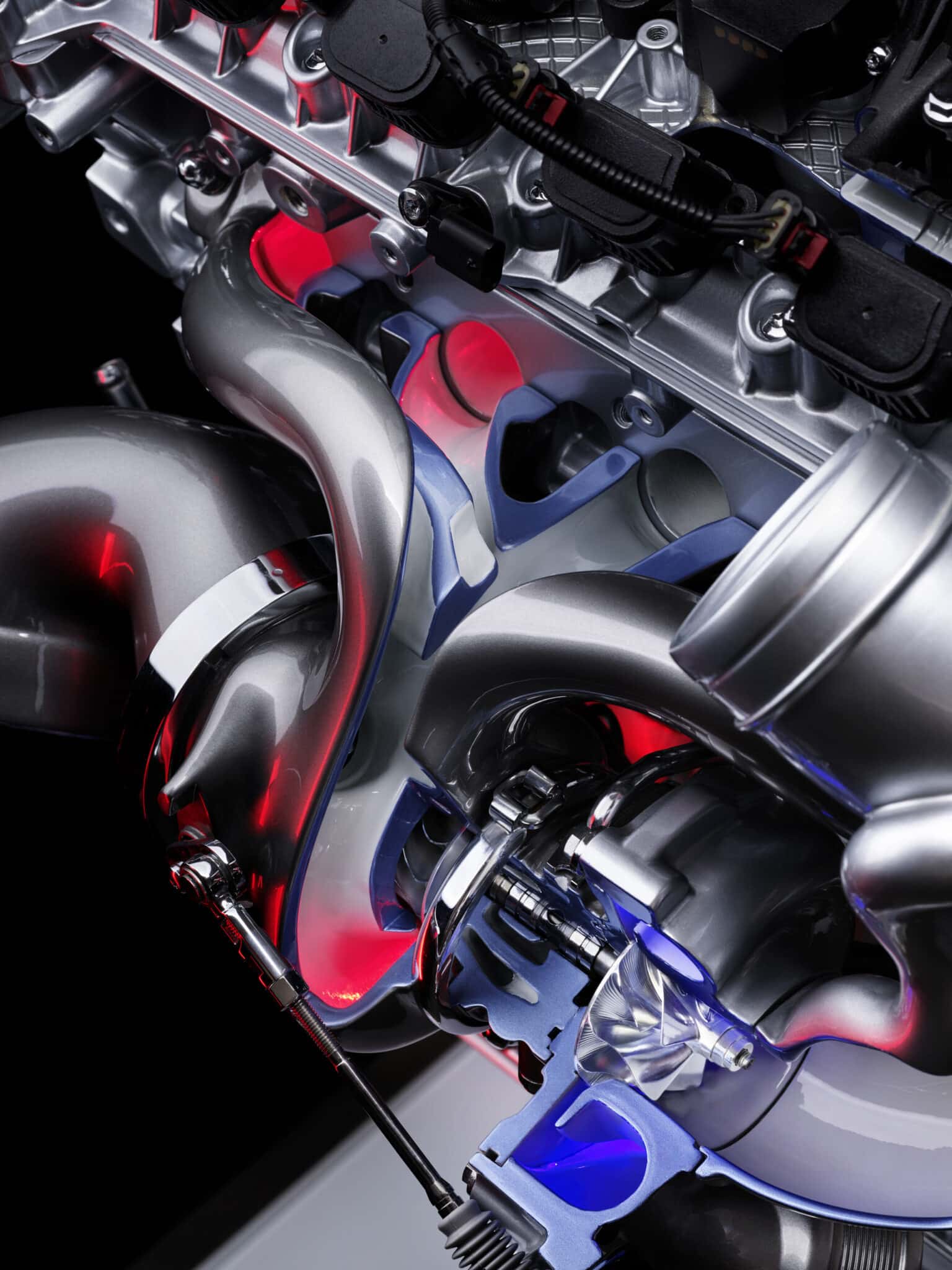
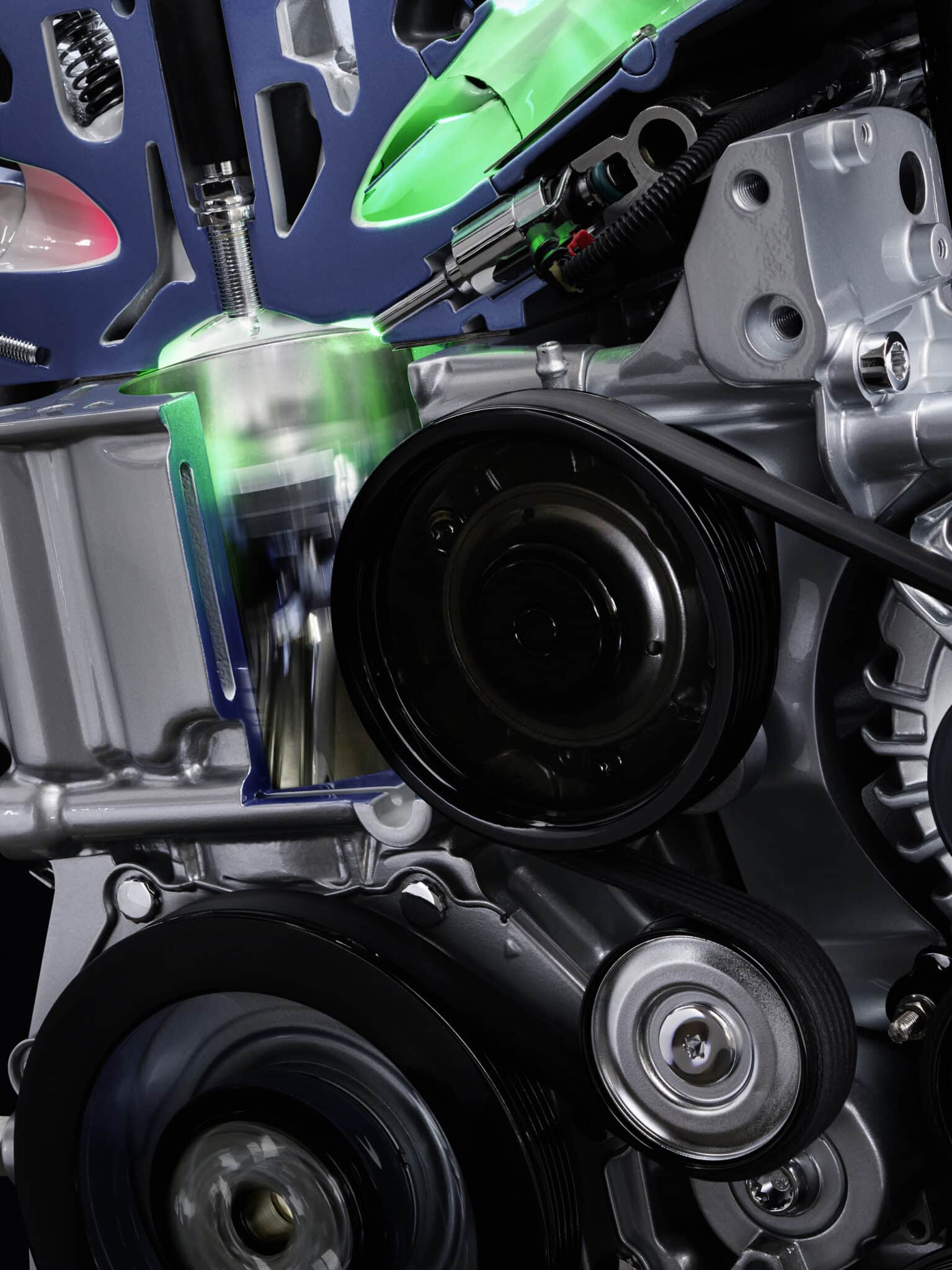
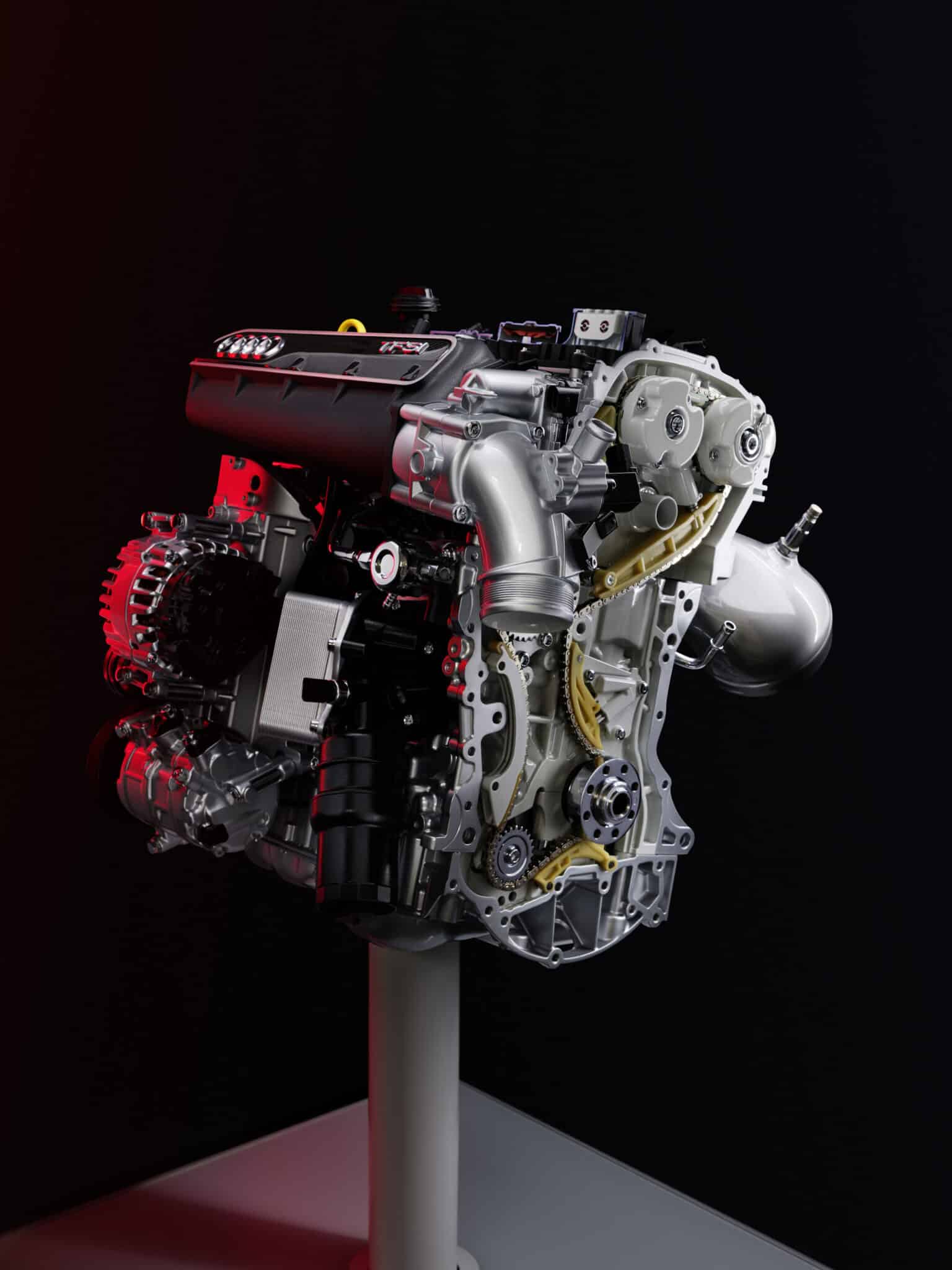
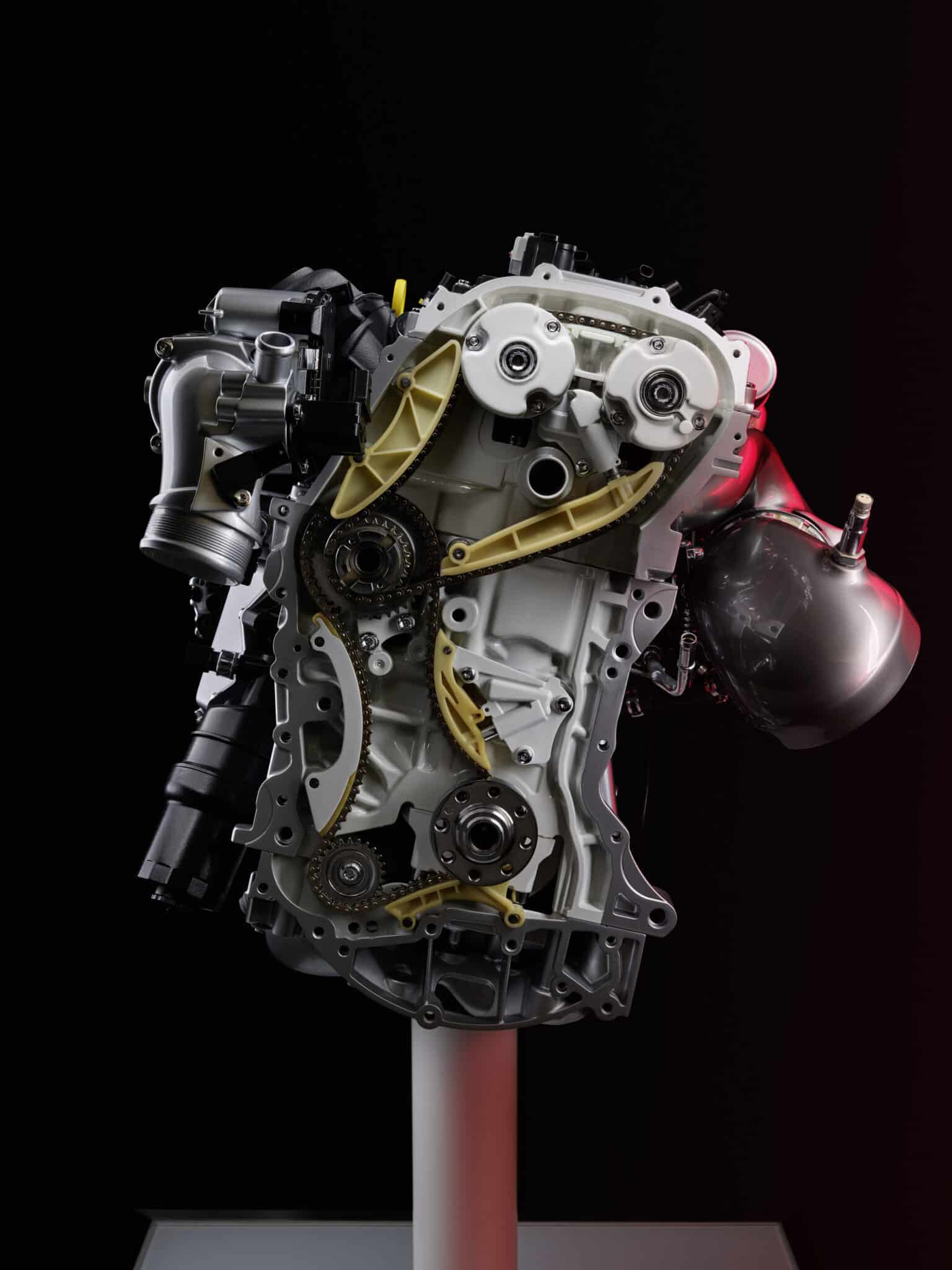
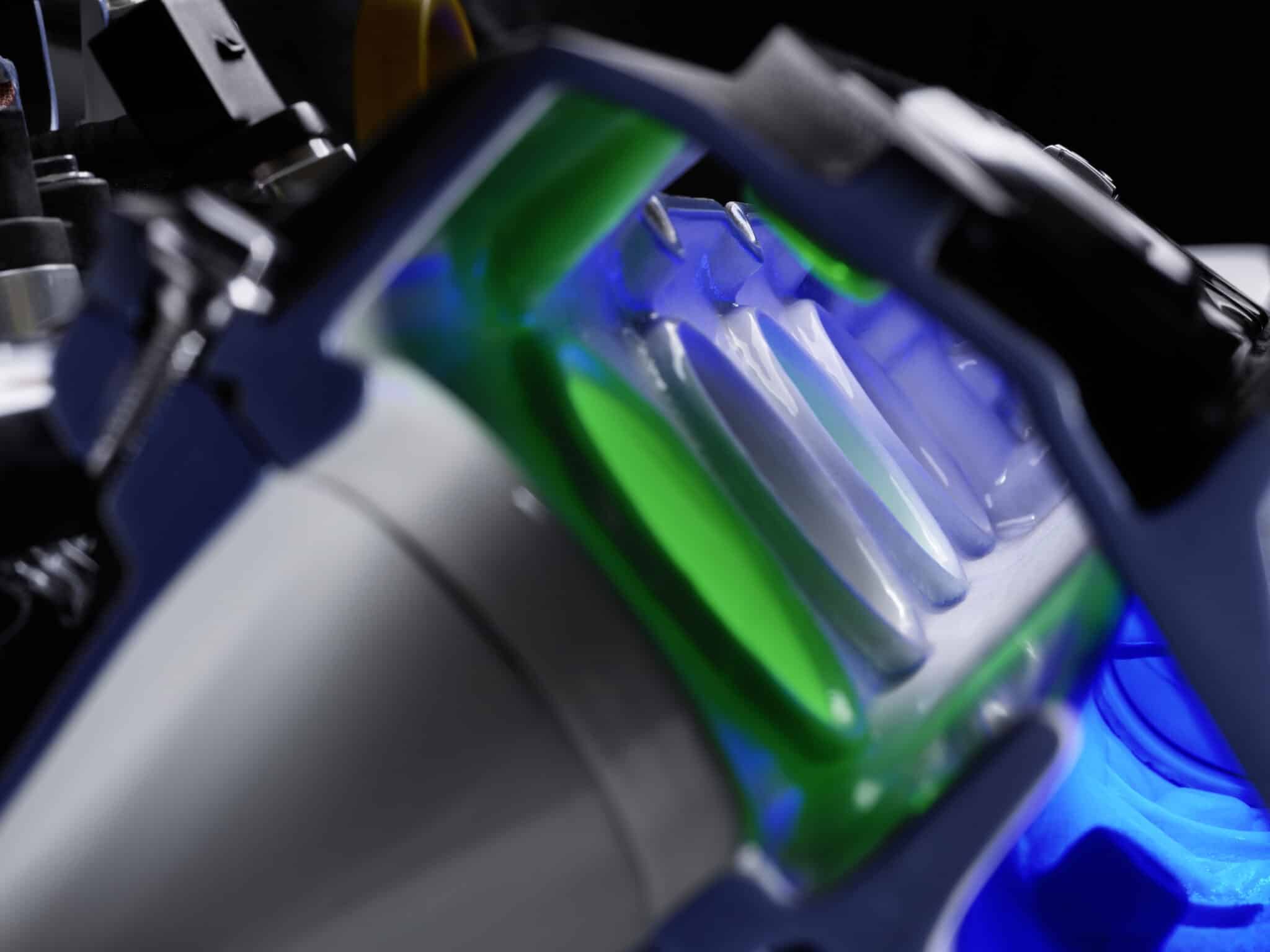
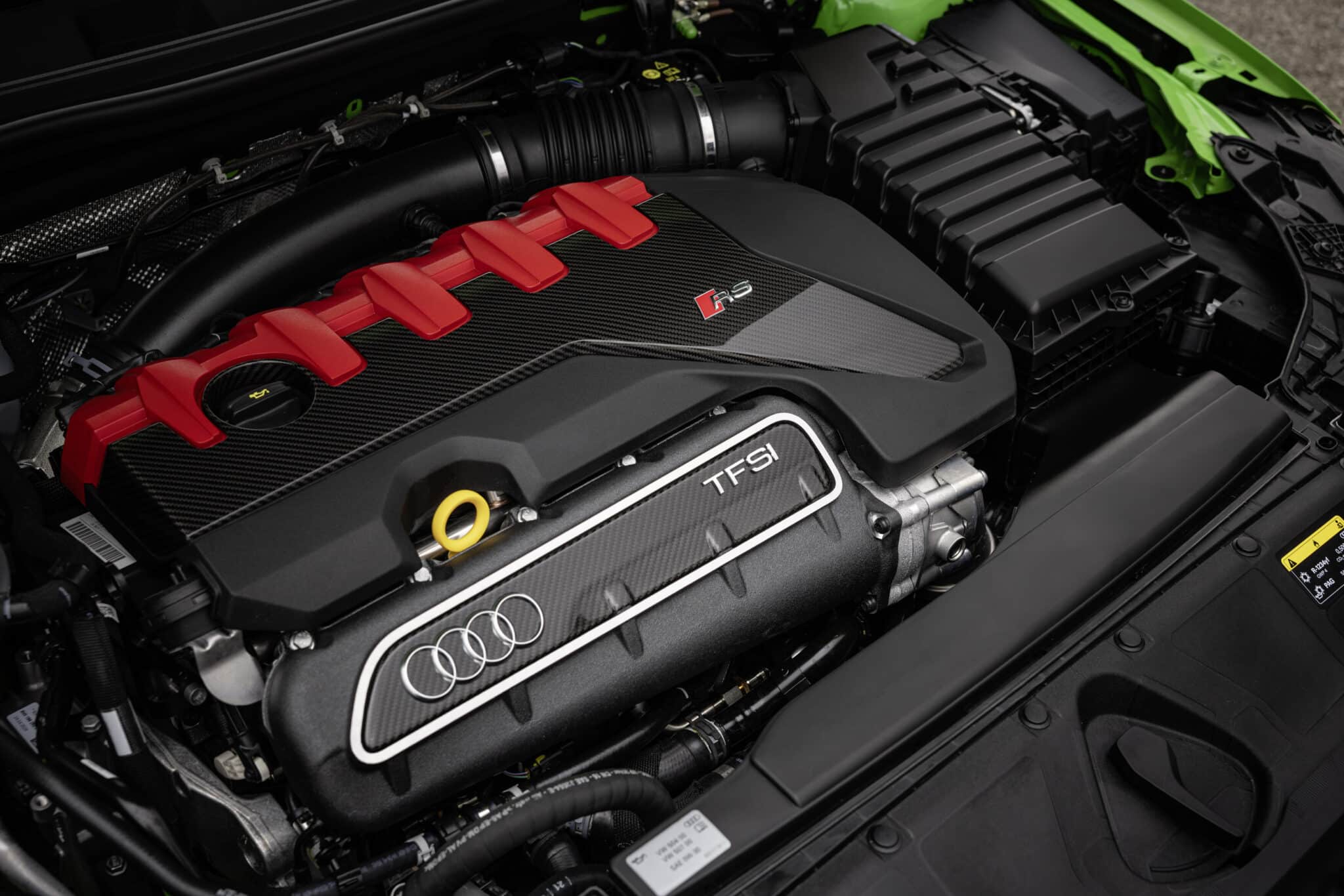
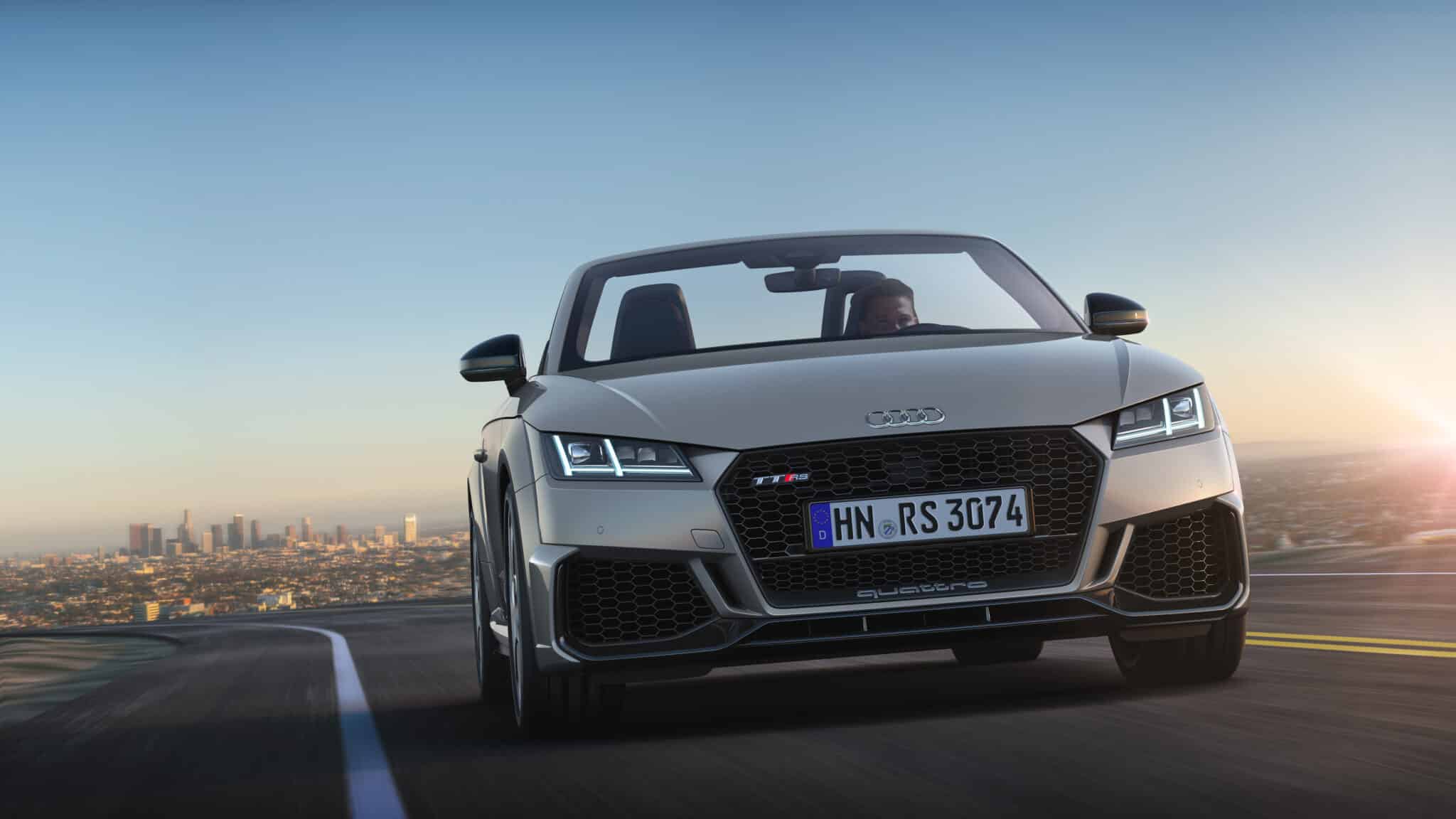
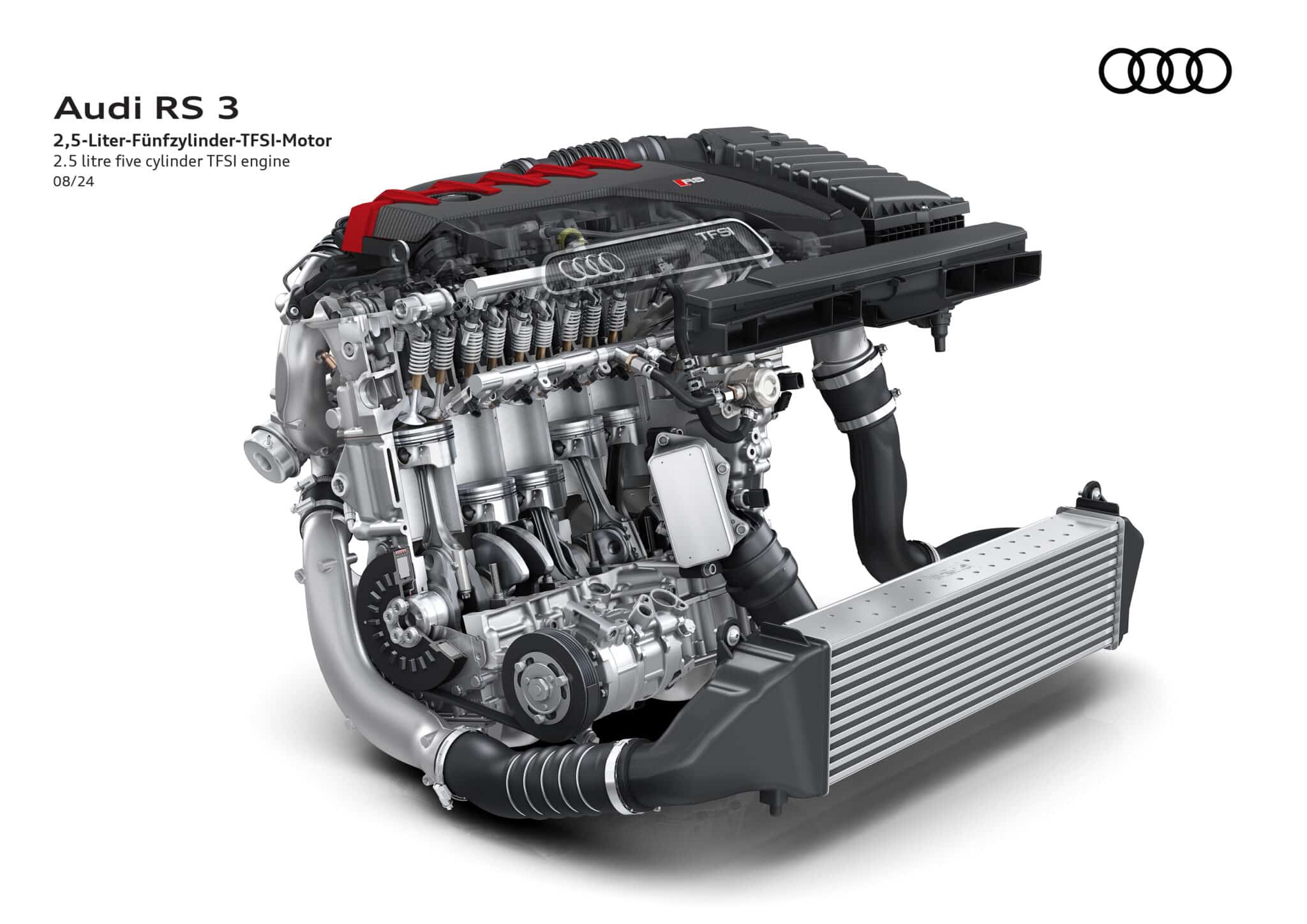
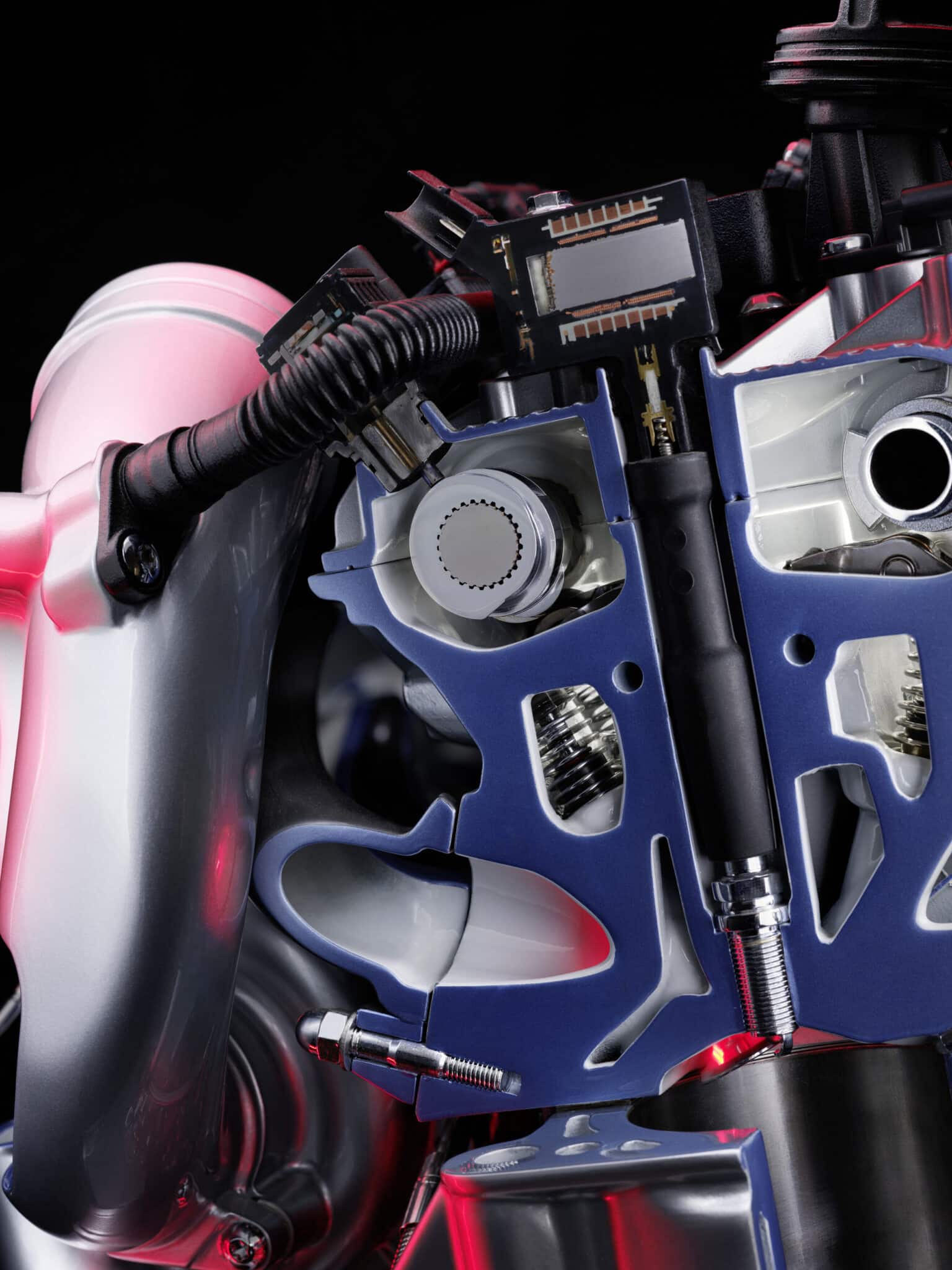
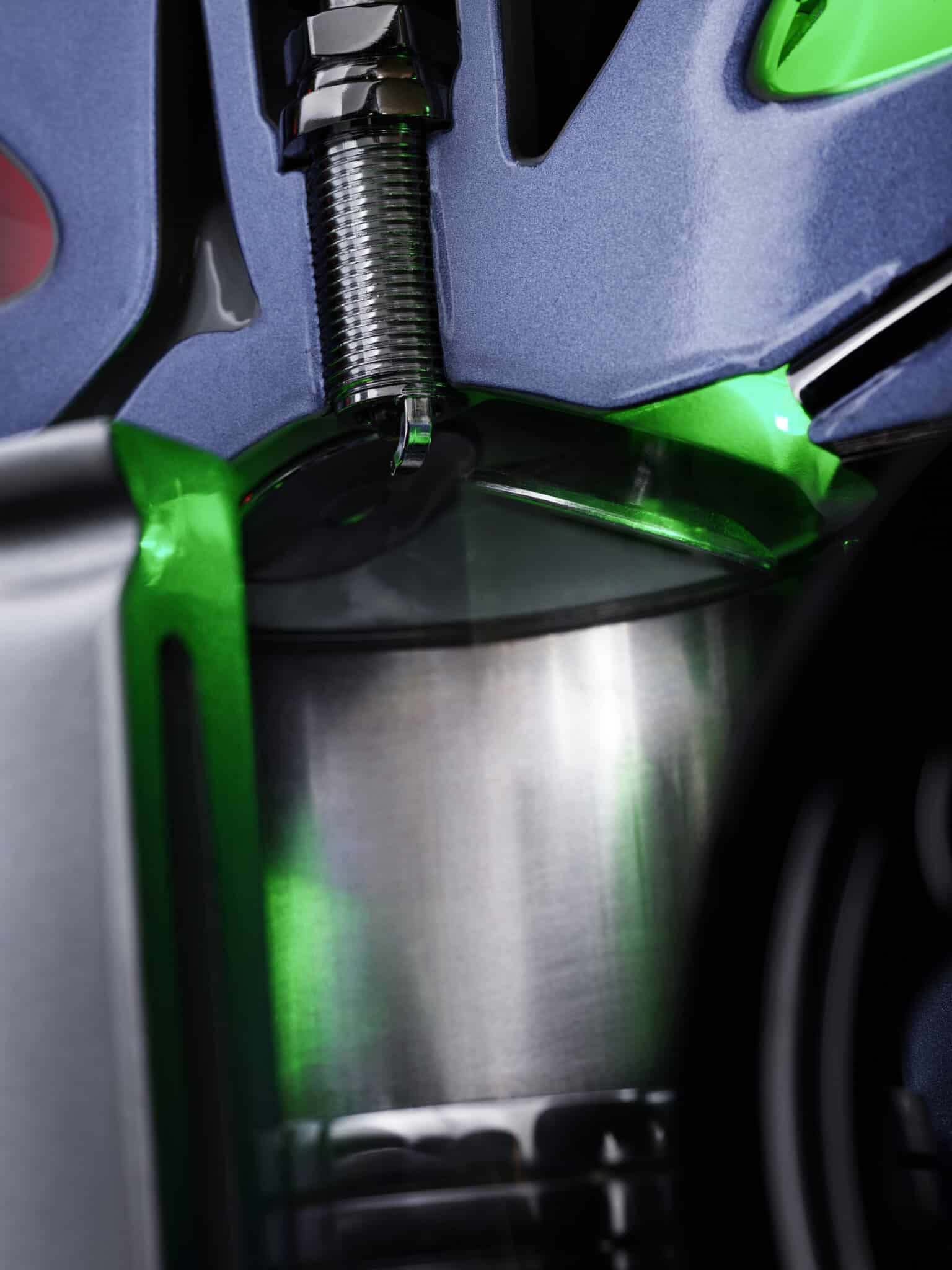
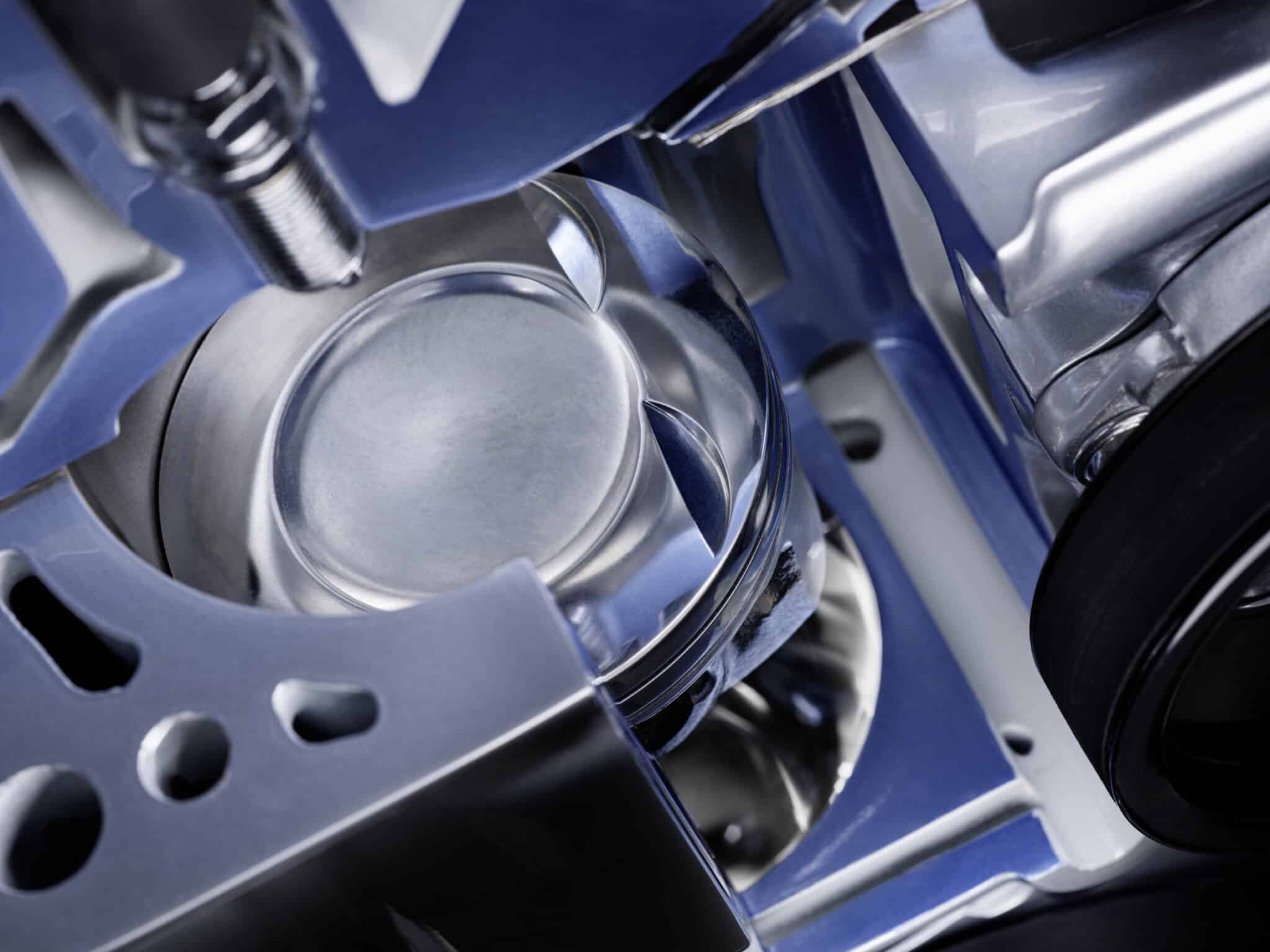
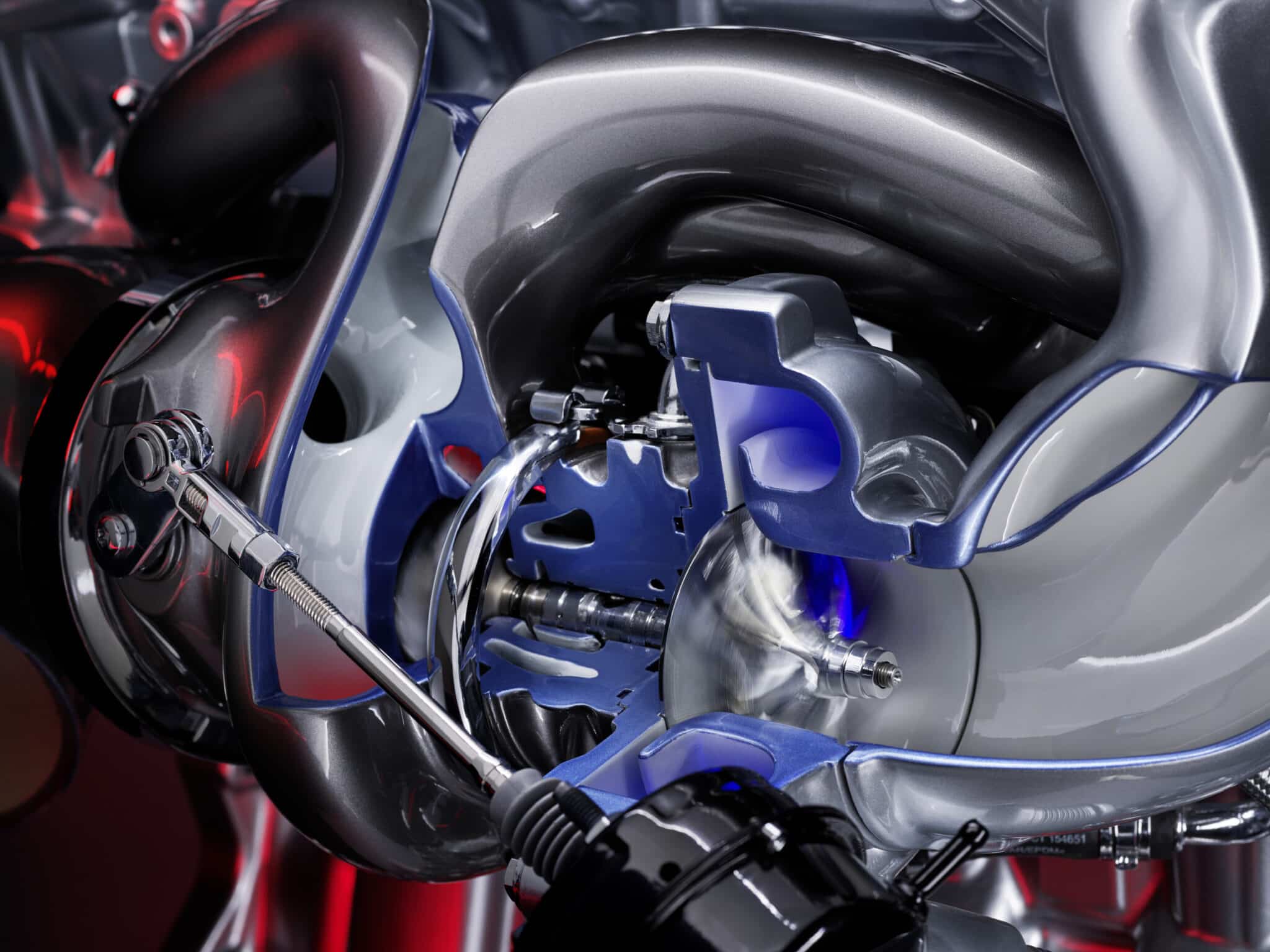
Audi RS 3 Sedan performance edition and Audi RS 3 Sportback performance edition, model year 2022Complex exhaust routing with turbocharger: Maximum performance in a compact designVisualization of piston movement in section – precise mechanics for maximum efficiency, complemented by the visible belt drive for auxiliary componentsFull view of the five-cylinder with intake system and auxiliary componentsSection view of the timing drive with chain guide – precise design for reliable power transmissionDetail of the intake ports: Flow-optimized geometry for maximum efficiency50 years of five-cylinder engines at Audi: unmistakable sound, thrilling performance, and numerous motorsport successesAudi RS Q3 Sportback, model year 2019Audi TT RS Roadster, model year 201950 years of five-cylinder engines at Audi: unmistakable sound, thrilling performance, and numerous motorsport successes1976: World premiere of the first Audi five-cylinder gasoline engine1976: first five-cylinder gasoline engine in the automotive industry:
In August 1976, Audi introduces the second-generation Audi 100 (C2) in Luxembourg. For the first time, power is provided by a five-cylinder gasoline engine in a model from the brand with the four rings. The fuel-injected engine with a displacement of 2,144 cc develops 110 kW (136 hp) at 5,700 revolutions per minute. The maximum torque of 185 newton meters (136.45 lb-ft) is available at 4,200 rpm. The market launch of the Audi 100 (C2) follows in March 1977. From September 1979, the five-cylinder engine is also available in the Audi 200; from August 1982, it is fitted in the successor to the C2, the Audi 100 C3.1978: five-cylinder carbureted engine:
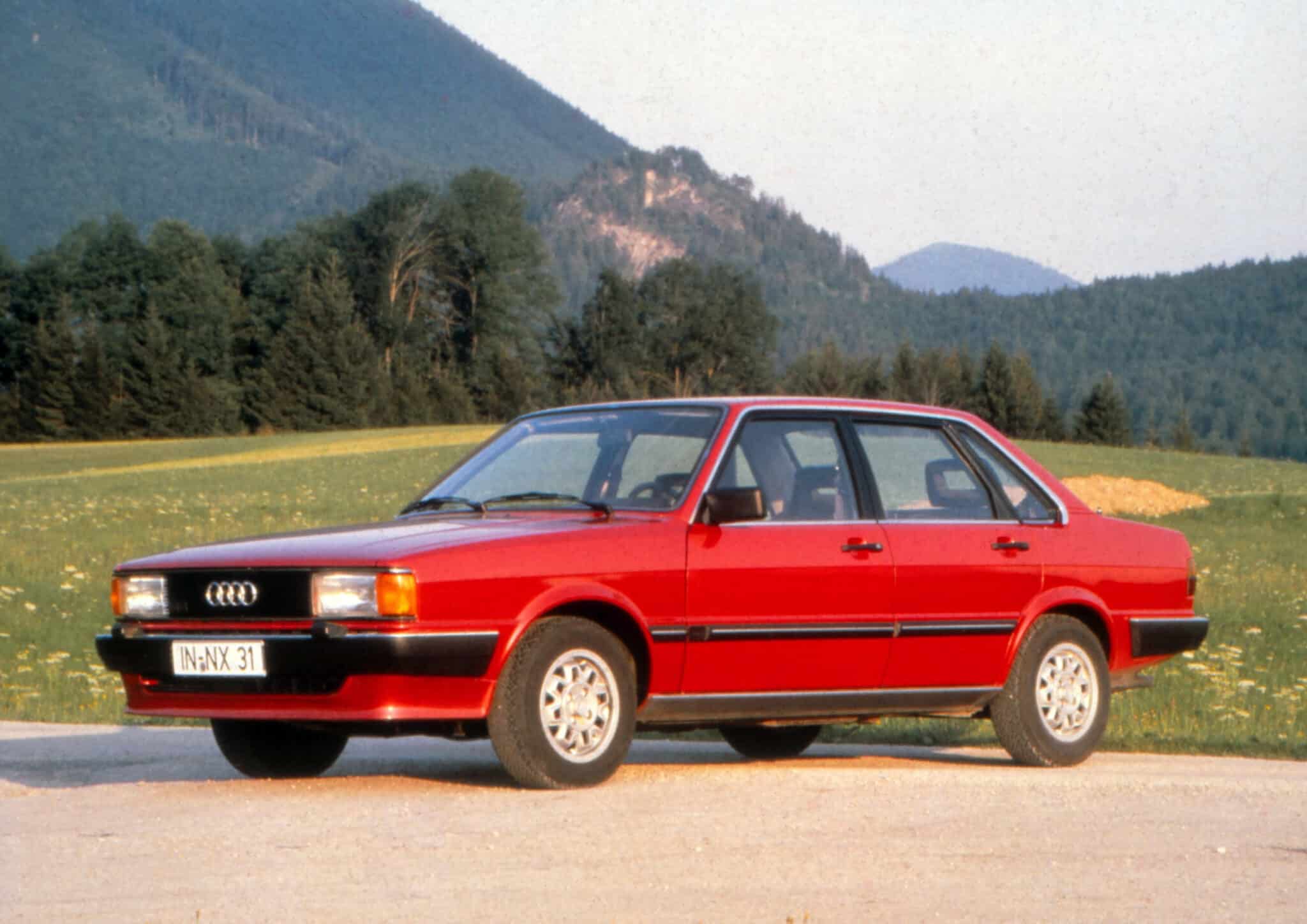
In April 1978, the five-cylinder carbureted version with an output of 85 kW (115 hp) replaces the basic twoliter four-cylinder version in the Audi 100 (C2). The new 1.9-liter unit produces maximum power at 5,400 revs and delivers 154 newton meters (113.58 lb-ft) of torque to the crankshaft at 3,700 rpm. The engine is used in the Audi 100 5 (C2), the Audi 80 CD (B2), the Audi Coupé GT 5S (B2) and in the Audi 100 (C3).1978: first five-cylinder diesel:
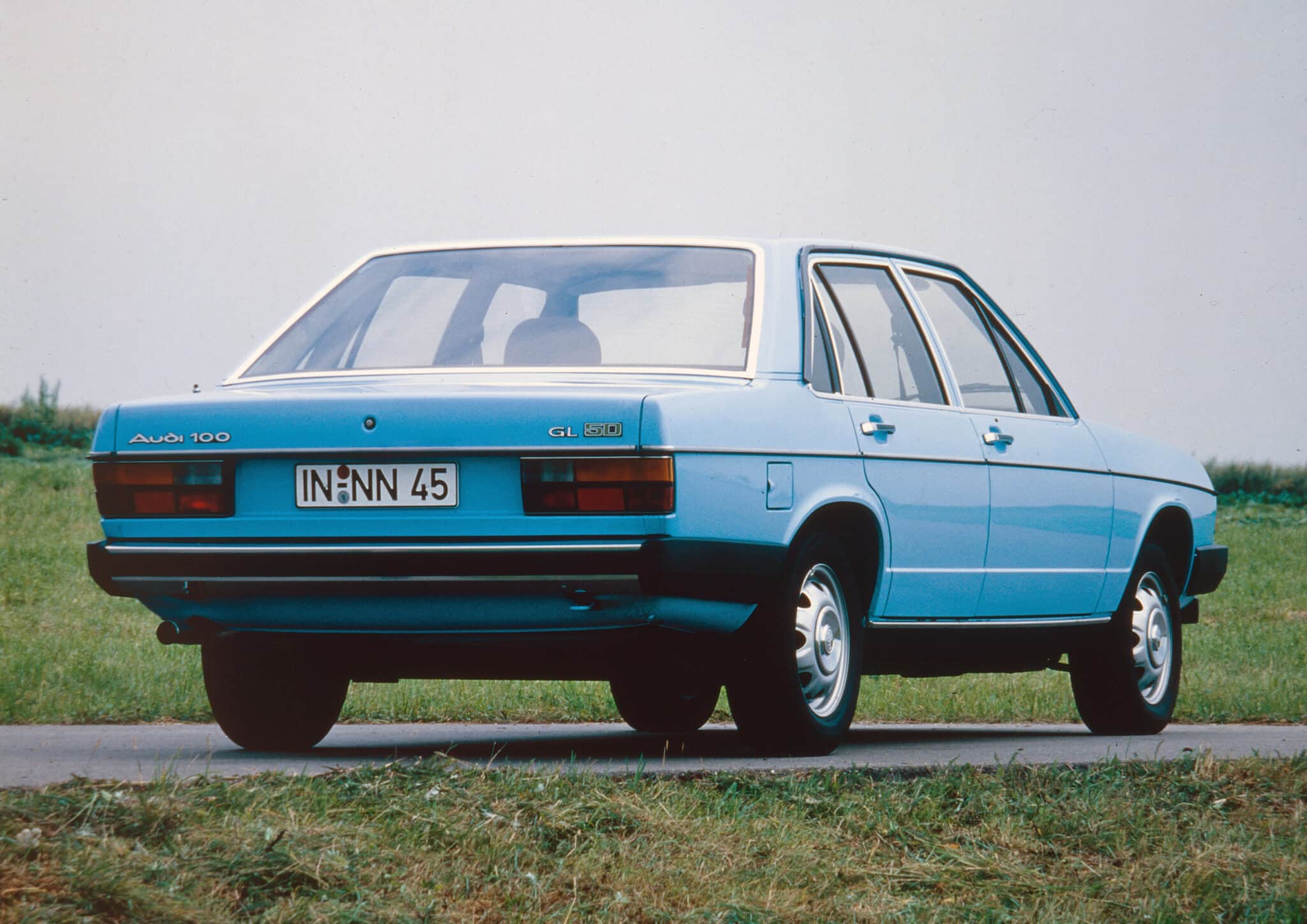
In 1978, Audi presents its first diesel model for the Audi 100 (C2). The five-cylinder naturally aspirated engine with a displacement of two liters develops 51 kW (70 hp) and 123 newton meters (90.72 lb-ft) of torque. It also powers the next-generation C3, propelling both the sedans and the Avant versions. From 1984, there is a turbocharged engine with an output of 64 kW (87 hp) and 172 newton meters (126.86 lb-ft) of torque.1984: map-controlled five-cylinder gasoline engine with emissions control as standard:
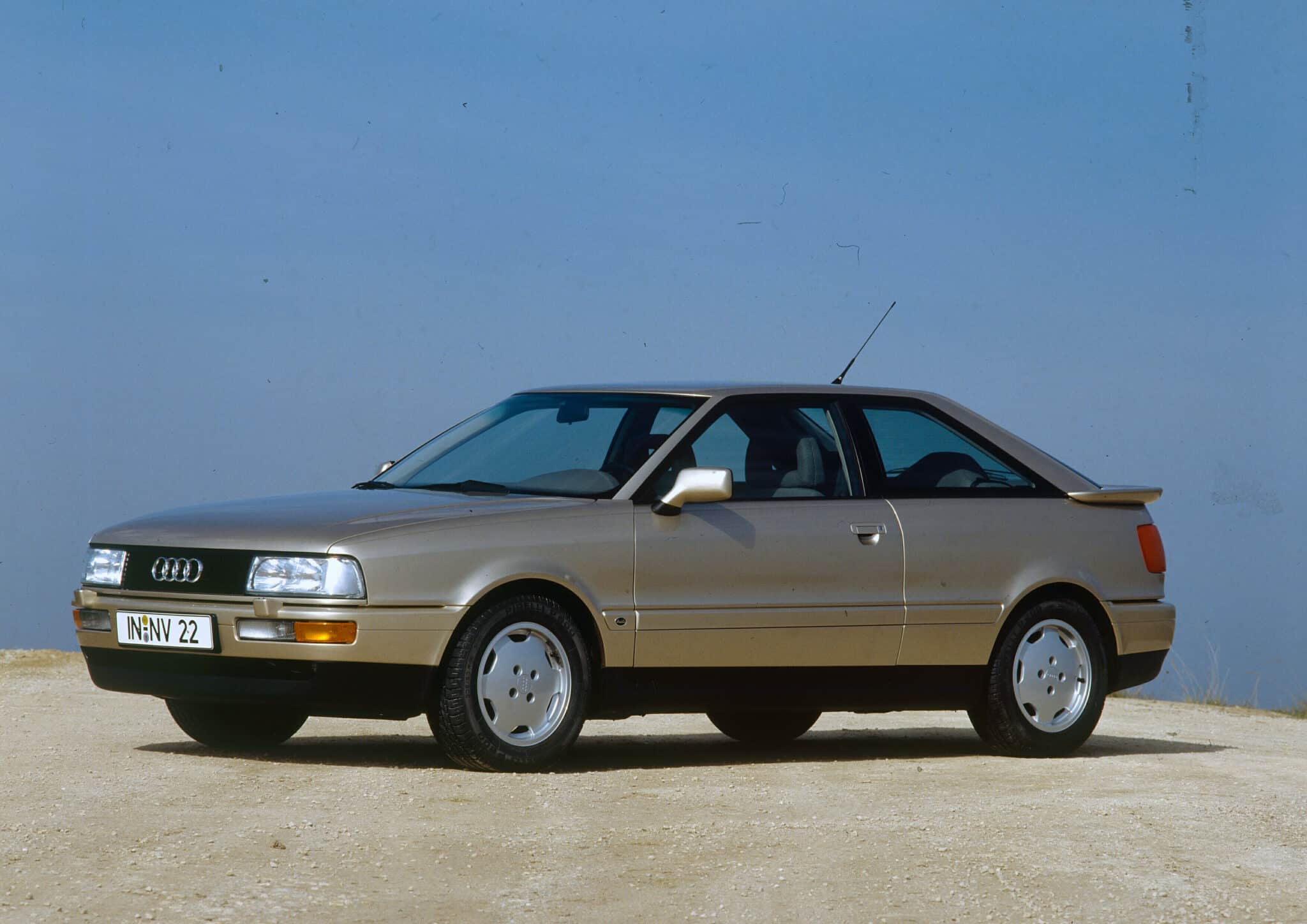
In 1984, a completely new development appears. Audi is the first manufacturer to optimize the five-cylinder engine with a fully electronic map-controlled ignition system and a catalytic converter as standard. From 2,309 cc, it produces 100 kW (136 hp) at 5,600 rpm and 188 newton meters (138.66 lb-ft) of torque at 3,500 revolutions per minute. The most widely used five-cylinder engine from Audi is found in the Audi 100 2.3E (C3), the Audi Coupe 2.3E (B3) and in the Audi 90 2.3 E (B3). From 1990, it also powers the Audi 100 2.3E (C4) and a year later the Audi 80 2.3E (B4) and the Audi Cabriolet 2.3E. Here, it delivers 98 kW (133 hp) at 5,600 revolutions per minute and 186 newton meters (137.19 lb-ft) at 4,000 rpm.1980: five-cylinder gasoline engine with turbocharger:
In 1980, the Audi 200 5T (C2) comes on to the market, which is powered by the first turbocharged gasoline engine from the brand with the four rings. From a displacement of 2,144 cc, the five-cylinder unit produces 125 kW (170 hp) at 5,300 revolutions per minute and 265 newton meters (195.45 lb-ft) of torque at 3,300 rpm. The Audi 200 5T (C2) is the first Audi in the luxury class and features the lavish equipment of the Audi 100 CD as standard.1983: five-cylinder engine triumphant in rallying:
In the 1983 Corsica Rally, Audi competes for the first time with the Audi quattro A2, Group B. Its 2.1-liter turbocharged five-cylinder inline engine produces 265 kW (360 hp) at 6,500 revolutions per minute and delivers 450 newton meters (331.90 lb-ft) of torque at 4,000 rpm. At the end of the season, the Finn Hannu Mikkola wins the drivers’ title in this car. One year later, the Swede Stig Blomqvist replicates this success: he becomes world rally champion, while Audi wins the manufacturers’ world rally championship for the second time after 1982.1983: five-cylinder gasoline engine with four-valve technology, turbocharger and intercooler:
In September 1983, Audi presents the Audi Sport quattro (B2) at the International Motor Show in Frankfurt am Main. It is powered by a 2.1-liter highperformance engine with four-valve technology that produces 225 kW (306 hp) at 6,700 revolutions per minute. The maximum torque of 350 newton meters (258.15 lb-ft) is available at 3,700 rpm. Delivery commences in May 1984. The Audi Sport quattro (B2) is a special series limited to 214 vehicles, produced to meet homologation requirements for rallying. The rules stipulate that displacement must be limited to a maximum of 2,133 cc.1987: world record at Pikes Peak with the Audi Sport quattro S1 (E2):
In 1987, Walter Röhrl wins the legendary Pikes Peak Hill Climb (USA) in the Audi Sport quattro S1 (E2), setting a new record. In 10 minutes and 47.85 seconds he conquers the almost 20-kilometer-long (12.43 mi) course with 156 bends and a difference in altitude of 1,439 meters (4721.13 ft). The 2.1-liter five-cylinder engine in the Audi Sport quattro S1 (E2) delivers 440 kW (598 hp) at 8,000 revolutions per minute and produces 590 newton meters (435.16 lb-ft) of torque at 5,500 rpm.1988: five-cylinder gasoline engine with four-valve technology, turbocharger and catalytic converter (S engine):
With two catalytic converters, four-valve technology, a closed tank venting system and a diagnostic system, this powerplant offers a very high standard of emissions control and technology. It is first available in the Audi 200 quattro 20V (C3), then in the Audi quattro 20V (B2) a year later and in the Audi S2 Coupe (B3) in 1990. The five-cylinder turbocharged engine has a displacement of 2,226 cc and delivers 162 kW (220 hp) at 5,700 revolutions per minute and 309 newton meters (227.91 lb-ft) of torque at 1,950 rpm.1989: most powerful five-cylinder works engine in motorsport:
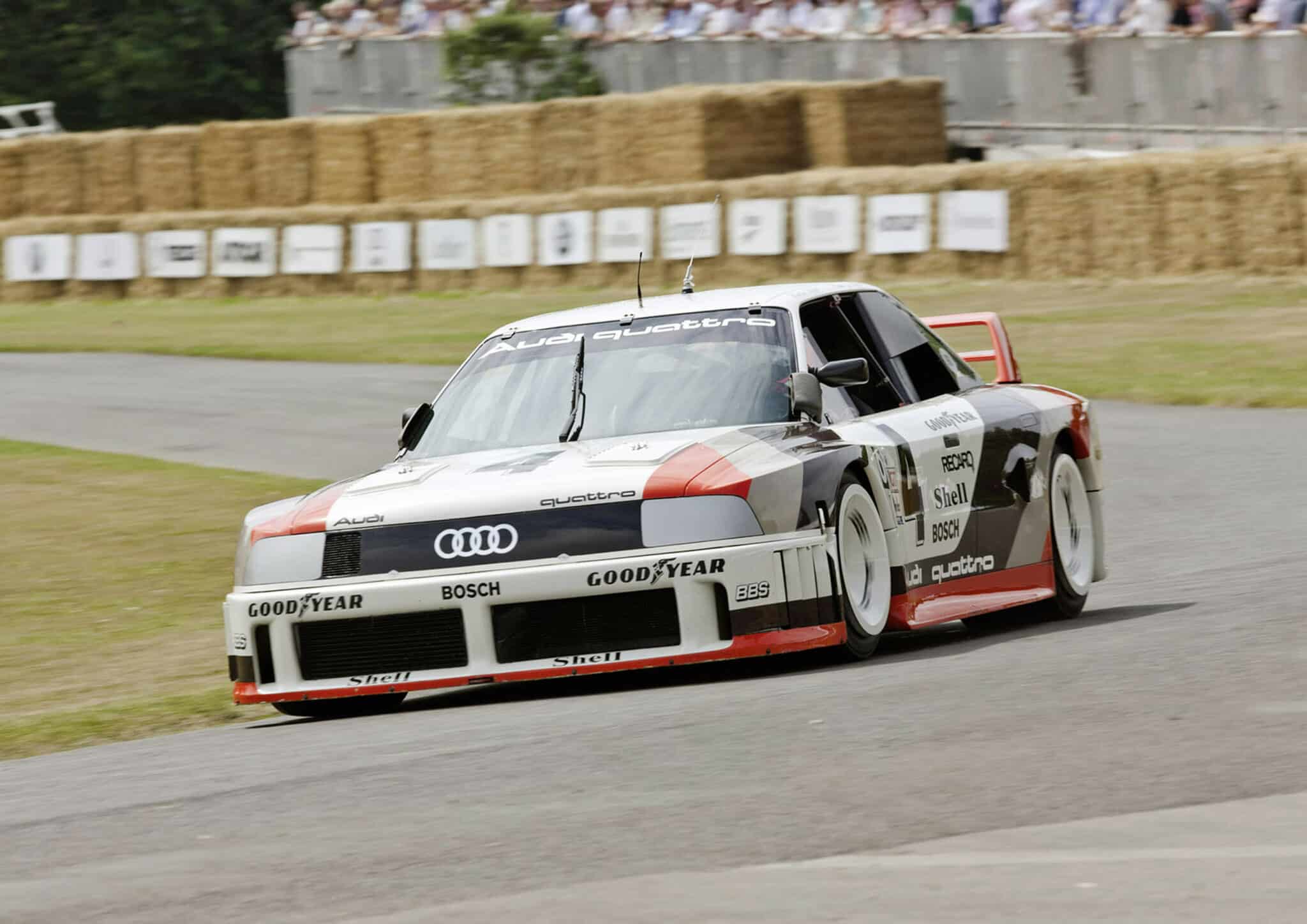
At the 1989 IMSA GTO in the USA, the Audi 90 quattro competes in its races with the most powerful fivecylinder works engine. The turbocharged aluminum engine is a 2.2-liter high-performance unit specially designed for racing. It develops 530 kW (720 hp) at 7,500 revolutions per minute and delivers 720 newton meters (531.04 lb-ft) of torque at 6,000 rpm. Overall, the Audi 90 quattro IMSA GTO wins seven races in the American touring car series in the 1989 season.1989: first five-cylinder turbocharged direct-injection diesel engine in a production car:
Audi presents another milestone in the automotive history in 1989 at the International Motor Show in Frankfurt am Main: the Audi 100 TDI. The first fivecylinder turbocharged diesel with direct injection for a production car produces 88 kW (120 hp) from a displacement of 2.5 liters and delivers 265 newton meters (195.45 lb-ft) of torque to the crankshaft. It is used in the C3 and in the C4 – from 1994 with an output of 103 kW (140 hp) and 290 newton meters (213.89 lb-ft) of torque.1991: performance-enhanced five-cylinder S engine with overboost control:
In the 1991 Audi S4, the Sport version of the Audi 100 (C4), a turbocharged 2.2-liter 20-valve five-cylinder inline engine is at work. It develops 169 kW (230 hp) at 5,900 rpm. Thanks to a brief increase in boost pressure, a peak torque of 350 newton meters (258.15) is achieved at 1,950 revolutions per minute. The engine also powers the Audi S2 Avant (B4) and the Audi S2 Coupé (B3). In 1994, the Audi S4 becomes known as the Audi S6.1994: first five-cylinder RS engine:
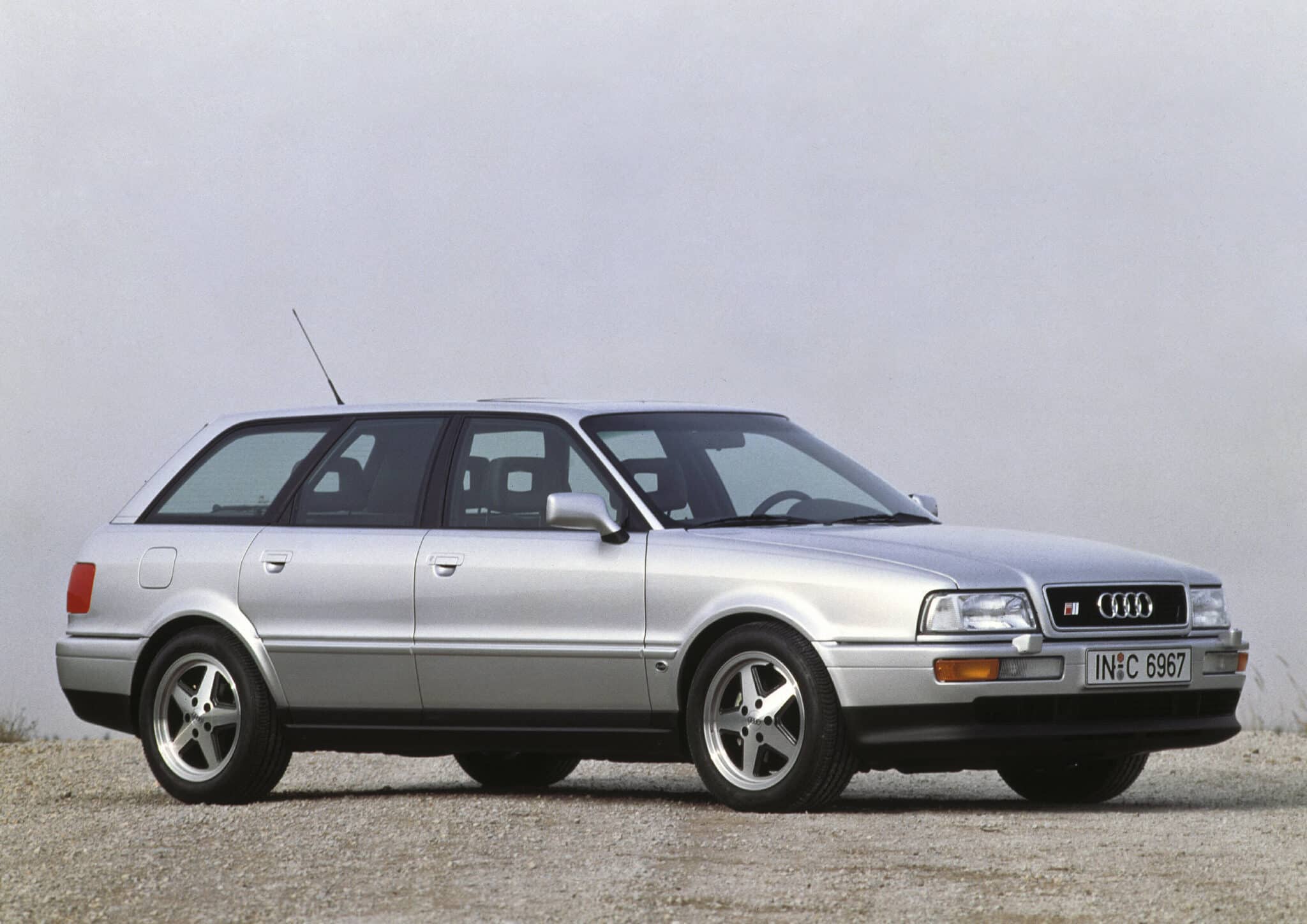
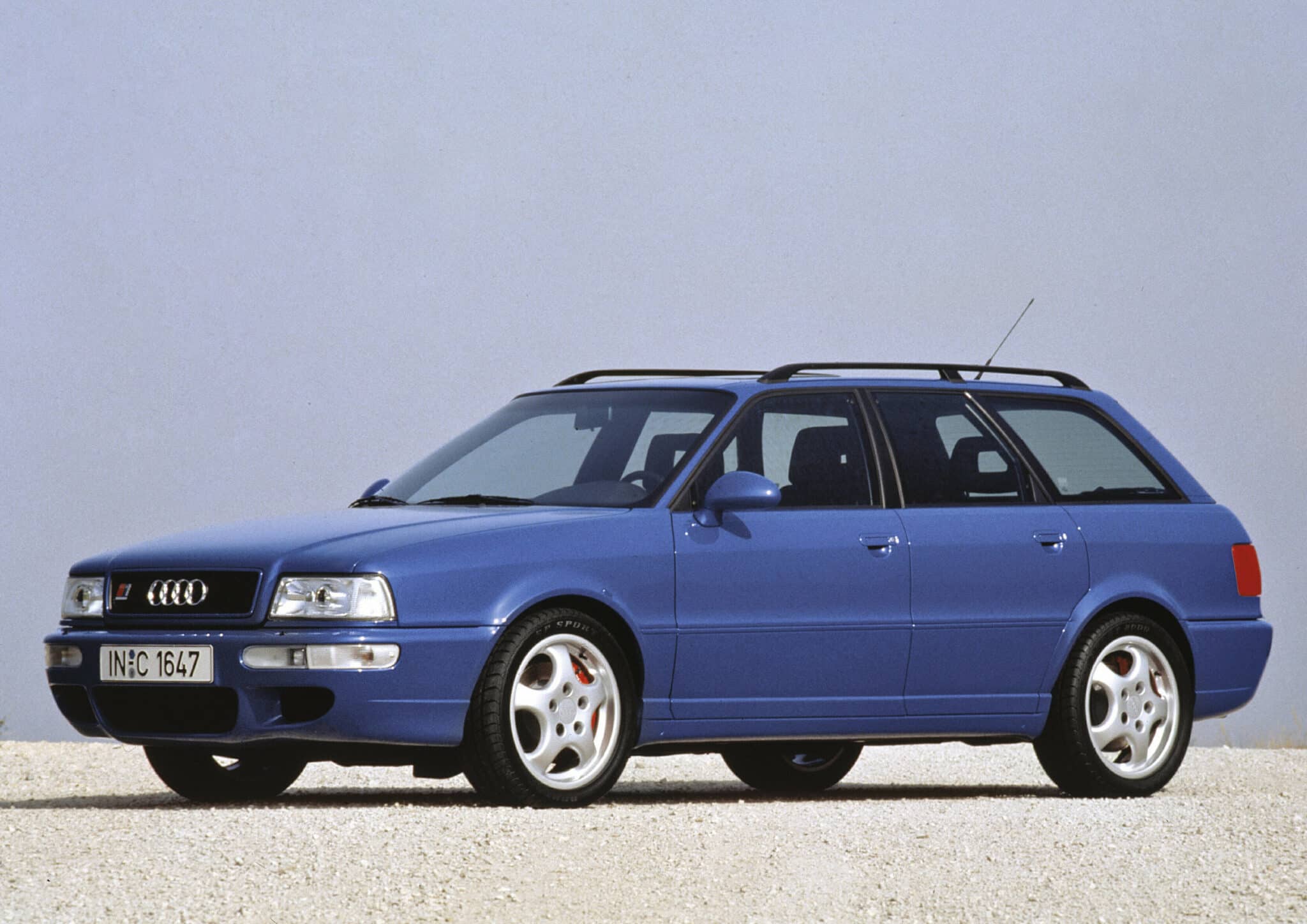
In 1994, the most powerful five-cylinder production engine built by Audi to date goes into action in the Audi Avant RS 2 (B4). With turbocharging, fuel injection and standard-fit emissions control, it produces 232 kW (315 hp) at 6,500 revolutions per minute from a displacement of 2,226 cc and delivers 410 newton meters (302.40 lb-ft) of torque at 3,000 rpm.2009: 2.5 TFSI with gasoline direct injection, turbocharger and intercooler:
30 years after the first five-cylinder turbocharged gasoline engine was presented, Audi once again introduces a model with a five-cylinder gasoline engine and turbocharger at the Geneva Motor Show: the TT RS. The powerplant delivers 250 kW (340 hp) at 6,500 revolutions per minute from 2,480 cc and 450 newton meters (331.90 lb-ft) at 5,300 rpm. From 2011, this engine is also used in the RS 3 Sportback and from 2014 in the updated RS Q3. In the 2012 TT RS plus, the engine produces 265 kW (360 hp) at 6,700 revolutions per minute and develops 465 newton meters (342.97 lb-ft) of torque at 5,400 rpm.2009: 2.5 TFSI with gasoline direct injection, turbocharger and intercooler:
30 years after the first five-cylinder turbocharged gasoline engine was presented, Audi once again introduces a model with a five-cylinder gasoline engine and turbocharger at the Geneva Motor Show: the TT RS. The powerplant delivers 250 kW (340 hp) at 6,500 revolutions per minute from 2,480 cc and 450 newton meters (331.90 lb-ft) at 5,300 rpm. From 2011, this engine is also used in the RS 3 Sportback and from 2014 in the updated RS Q3. In the 2012 TT RS plus, the engine produces 265 kW (360 hp) at 6,700 revolutions per minute and develops 465 newton meters (342.97 lb-ft) of torque at 5,400 rpm.2010: Audi TT RS in races:
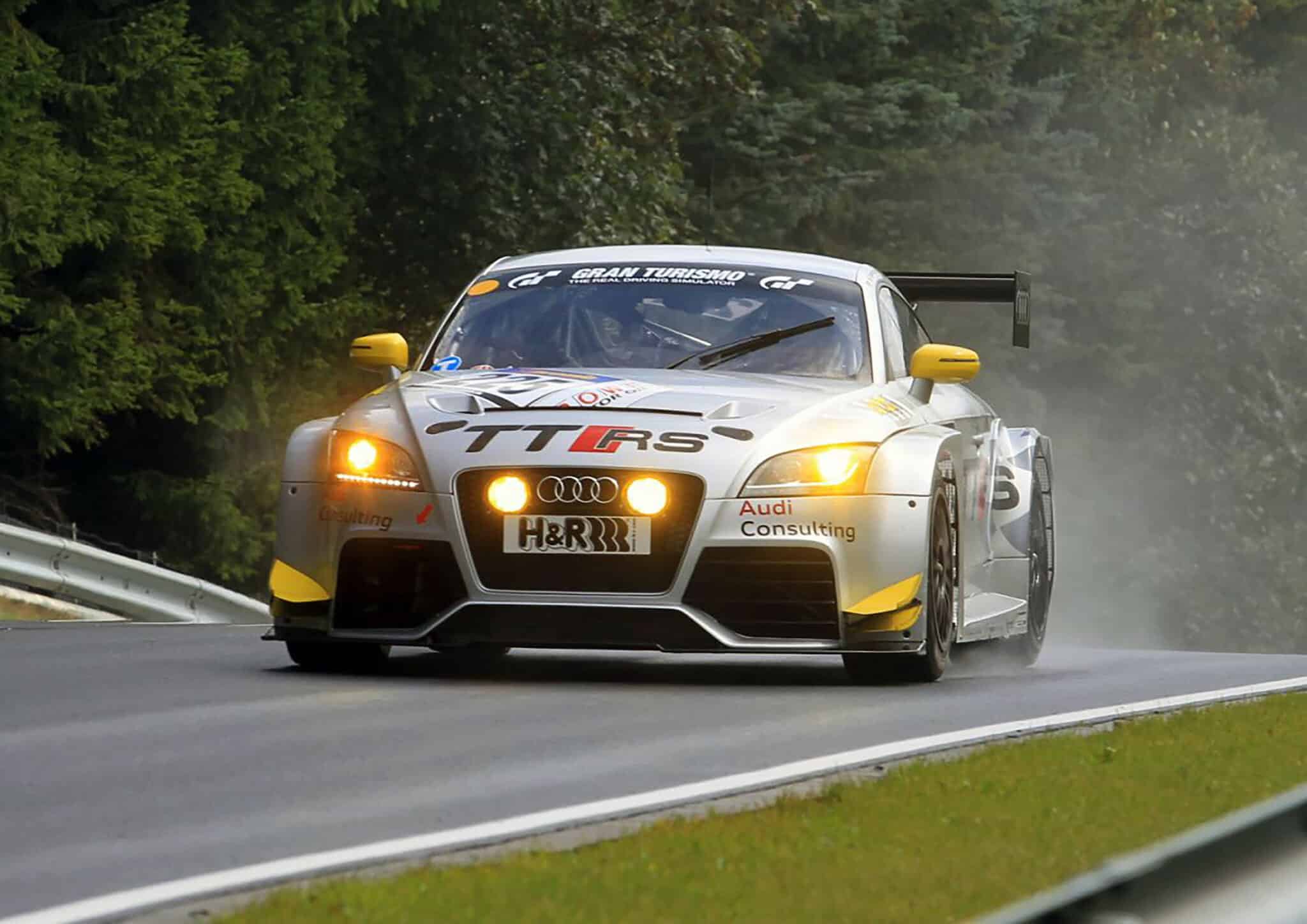
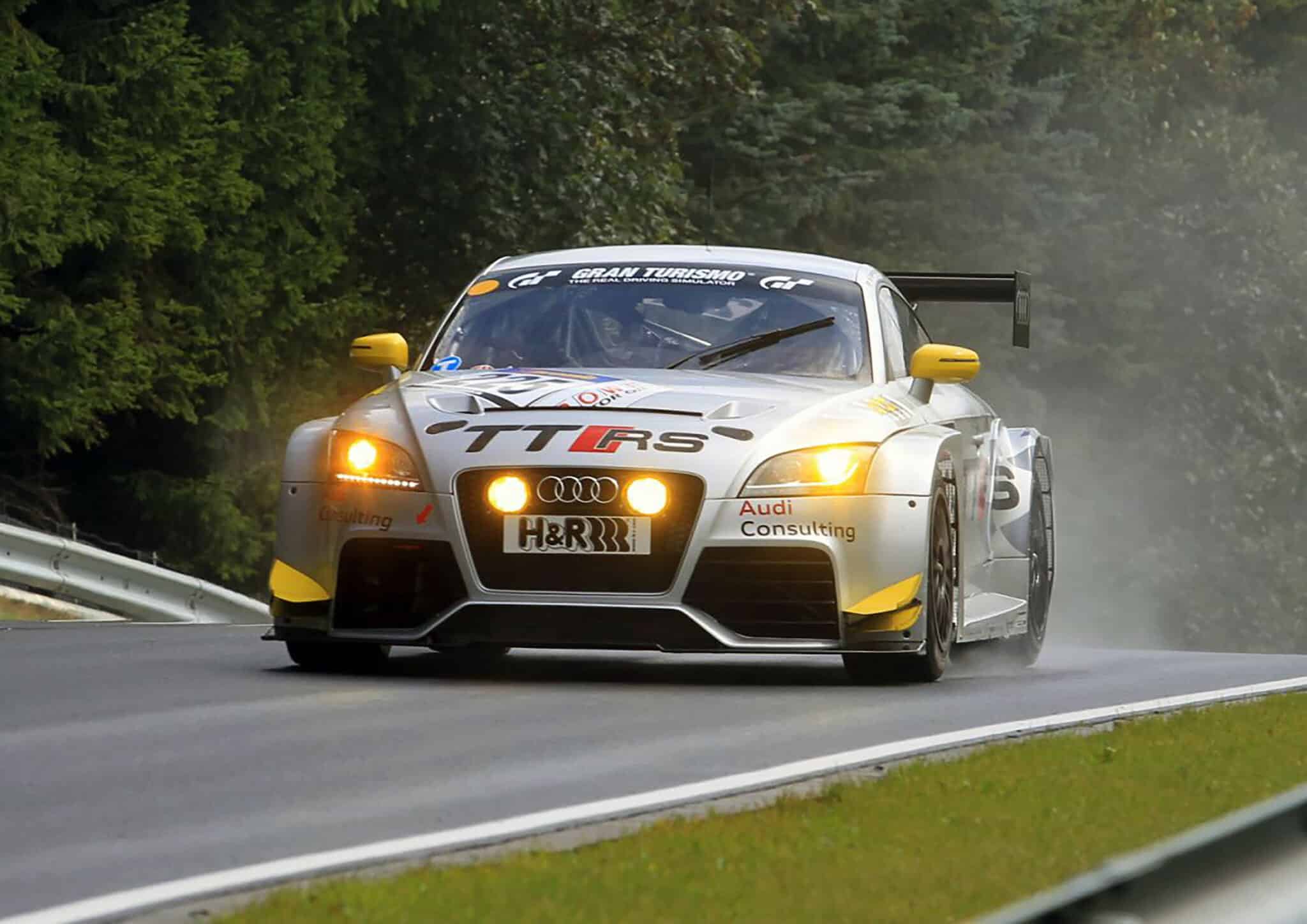
In 2010, Audi starts its motorsport activities with the TT RS. The racing car developed for endurance racing is powered by the five-cylinder engine from the production model. Following improvements to the intercooler and exhaust system, the powerplant delivers 280 kW (380 hp) at 5,800 revolutions per minute. The maximum torque of 500 newton meters (368.78 lb-ft) develops at 2,500 rpm. In the VLN Endurance Championship of 2010 and 2011, the frontwheel-drive racing car notches up several victories in the SP4T class up to 2.5 liters’ capacity. In August 2011, it clinches overall victory in the 6-hour race on the Nürburgring. Audi achieves further success with the
TT RS in the 24-hour race in the Eifel in 2011, where it takes class victory.2015: 2.5 TFSI with gasoline direct injection, turbocharger and intercooler:
In the summer of 2015, the second-generation RS 3 Sportback* appears – the most powerful car in the premium compact segment with an output of 270 kW (367 hp). The combination of turbocharging and direct injection permits a high compression ratio of 10:1 and correspondingly good efficiency. The five-cylinder inline engine delivers a maximum of 465 newton meters (342.97 lb-ft) to the crankshaft. This torque is available from as low as 1,625 revolutions per minute and remains constant up to 5,550 rpm. Since spring 2016, Audi has been using the optimized version of the powerplant in the Audi RS Q3 performance* too.2015: 2.5 TFSI with gasoline direct injection, turbocharger and intercooler:
In the summer of 2015, the second-generation RS 3 Sportback* appears – the most powerful car in the premium compact segment with an output of 270 kW (367 hp). The combination of turbocharging and direct injection permits a high compression ratio of 10:1 and correspondingly good efficiency. The five-cylinder inline engine delivers a maximum of 465 newton meters (342.97 lb-ft) to the crankshaft. This torque is available from as low as 1,625 revolutions per minute and remains constant up to 5,550 rpm. Since spring 2016, Audi has been using the optimized version of the powerplant in the Audi RS Q3 performance* too.2016: 2.5 TFSI with gasoline direct injection, turbocharger and intercooler:
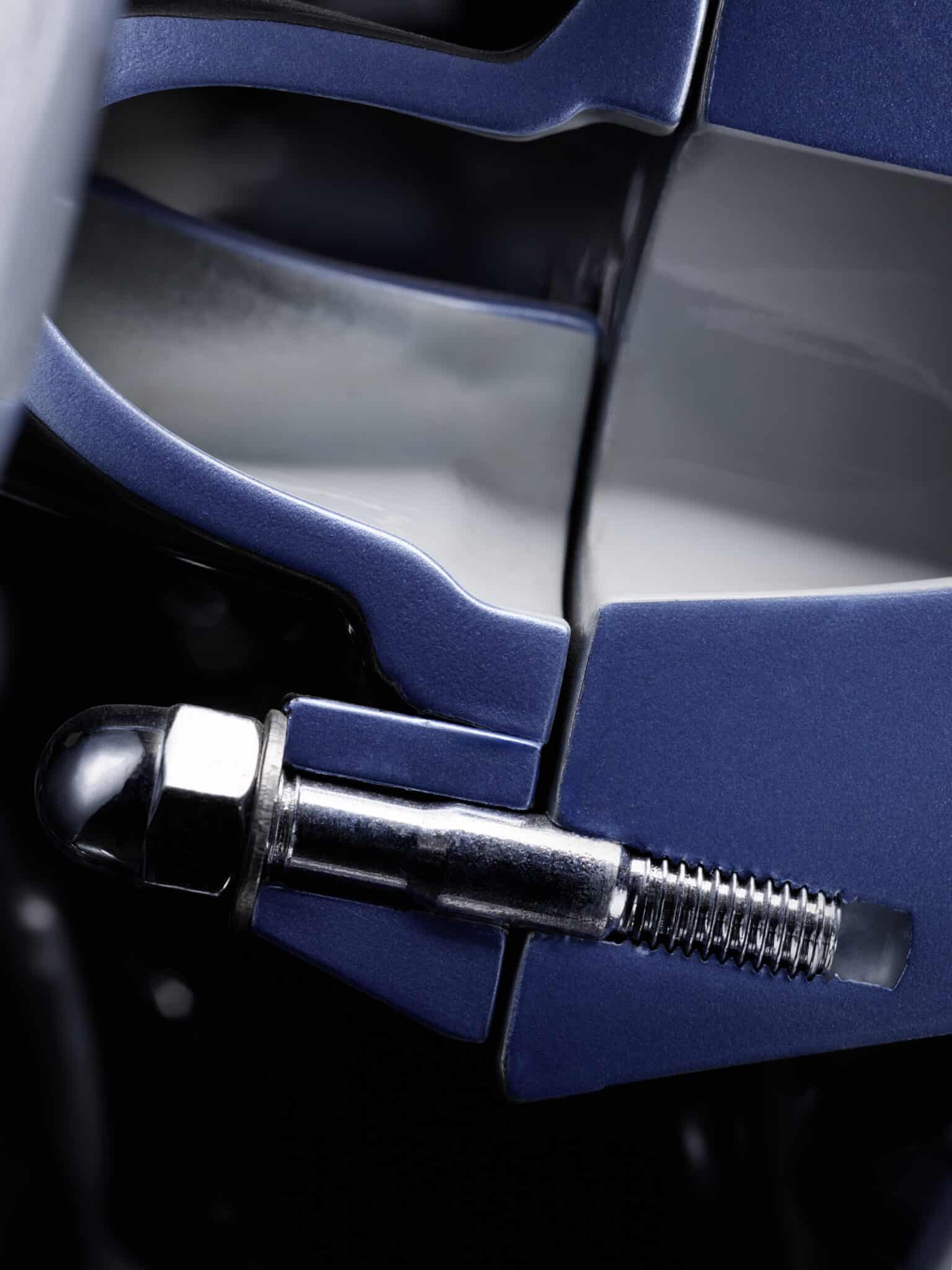
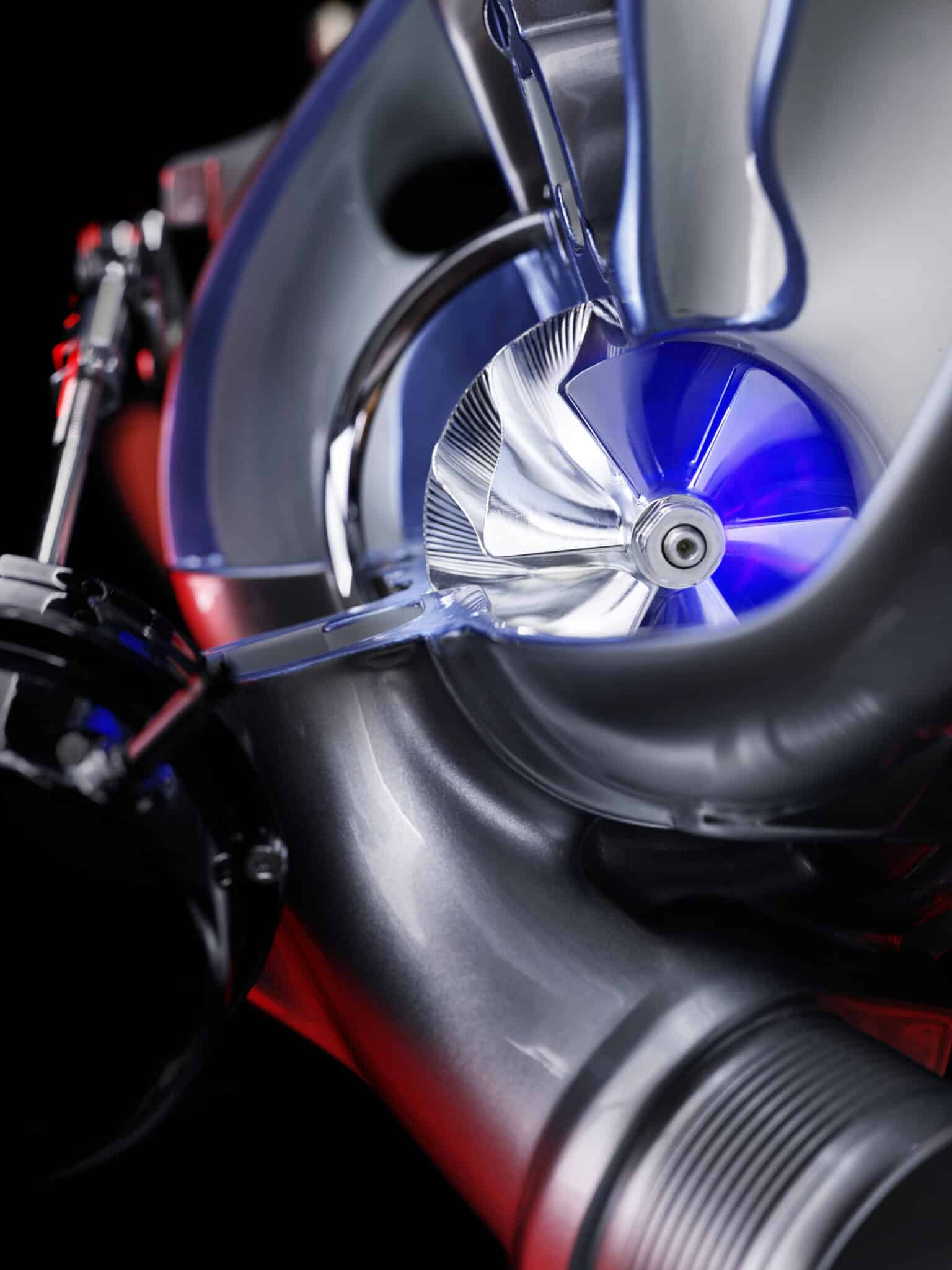
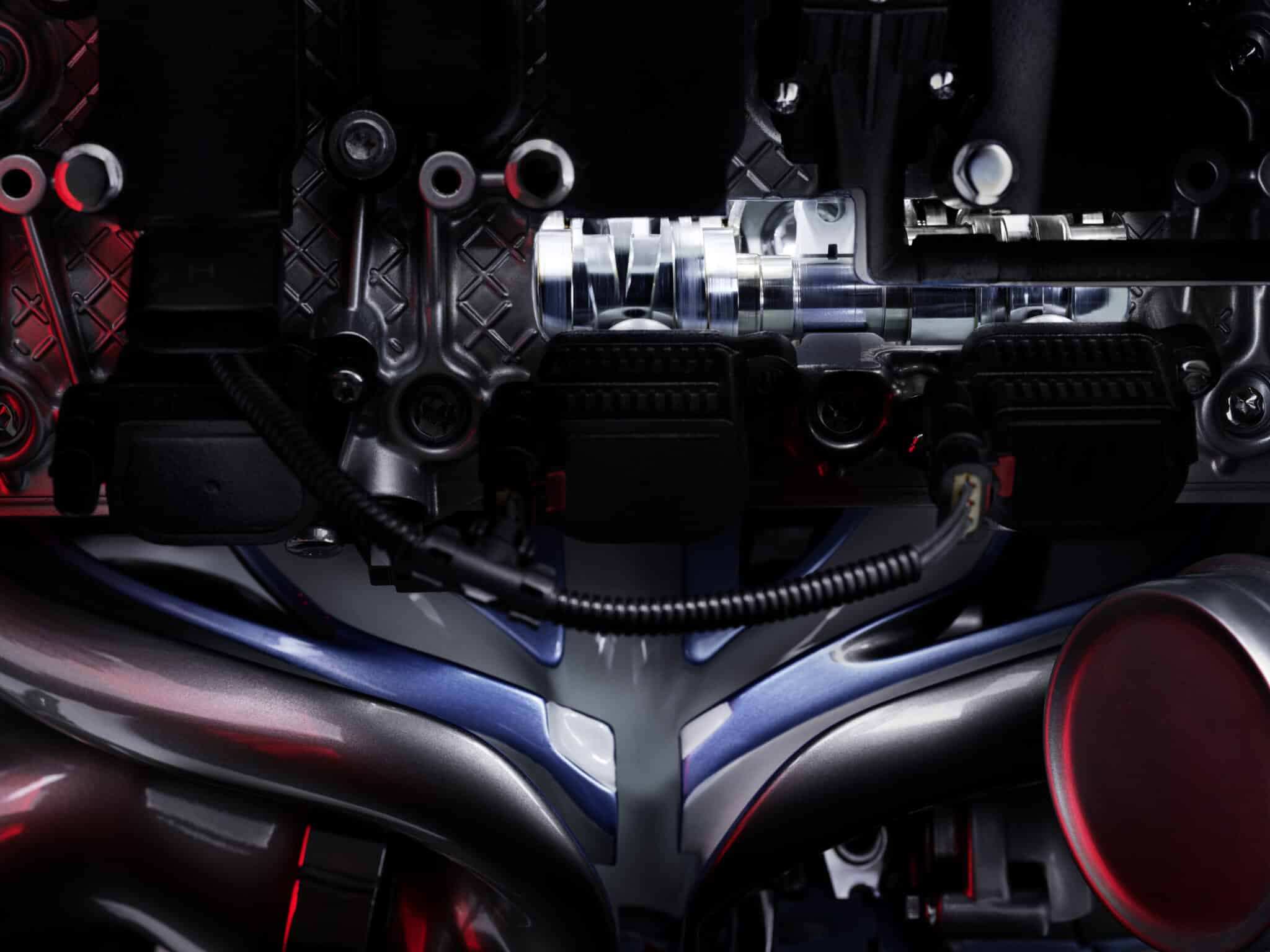
At the Beijing Motor Show in 2016, Audi presents the new TT RS Coupe* and the new TT RS Roadster*. The five-cylinder unit has been enhanced in every area – with lightweight construction measures, reduced internal friction, increased power delivery. From an unchanged displacement of 2,480 cc, the turbocharged engine gains a good 17 percent increase in performance. With an output of 294 kW (400 hp) it is more potent than ever before. The maximum torque of 480 newton meters (354.03 lb-ft) is available between 1,700 and 5,850 revolutions per minute. It ensures outstanding pulling power, which accompanies the unmistakable five-cylinder sound.The legendary 2.5 TFSI five-cylinder with 294 kW (400 PS) and 500 Nm of torque – compact power for dynamic driving50 years of five-cylinder engines at Audi: unmistakable sound, thrilling performance, and numerous motorsport successesAudi RS 3 Sportback and Audi RS 3 Sedan, model year 2025Audi TT RS Coupé iconic edition, model year 2022Valve cover with Audi logo and TFSI lettering: Technical aesthetics meet outstanding designSection view of the valve train: Precise control for optimal gas exchange.Piston movement inside the cylinder visualized: Core element of the five-cylinder’s power deliveryClose-up of the piston inside the cylinder: Precision for efficient combustion and high outputHigh-temperature resistant materials in the exhaust manifold and turbocharger for high performance demandsHigh-strength bolts secure the engine components – ensuring stability even under high loads.Compressor wheel inside the turbocharger in section – optimized geometry for maximum efficiency1980: five-cylinder gasoline engine with turbocharger and intercooler:
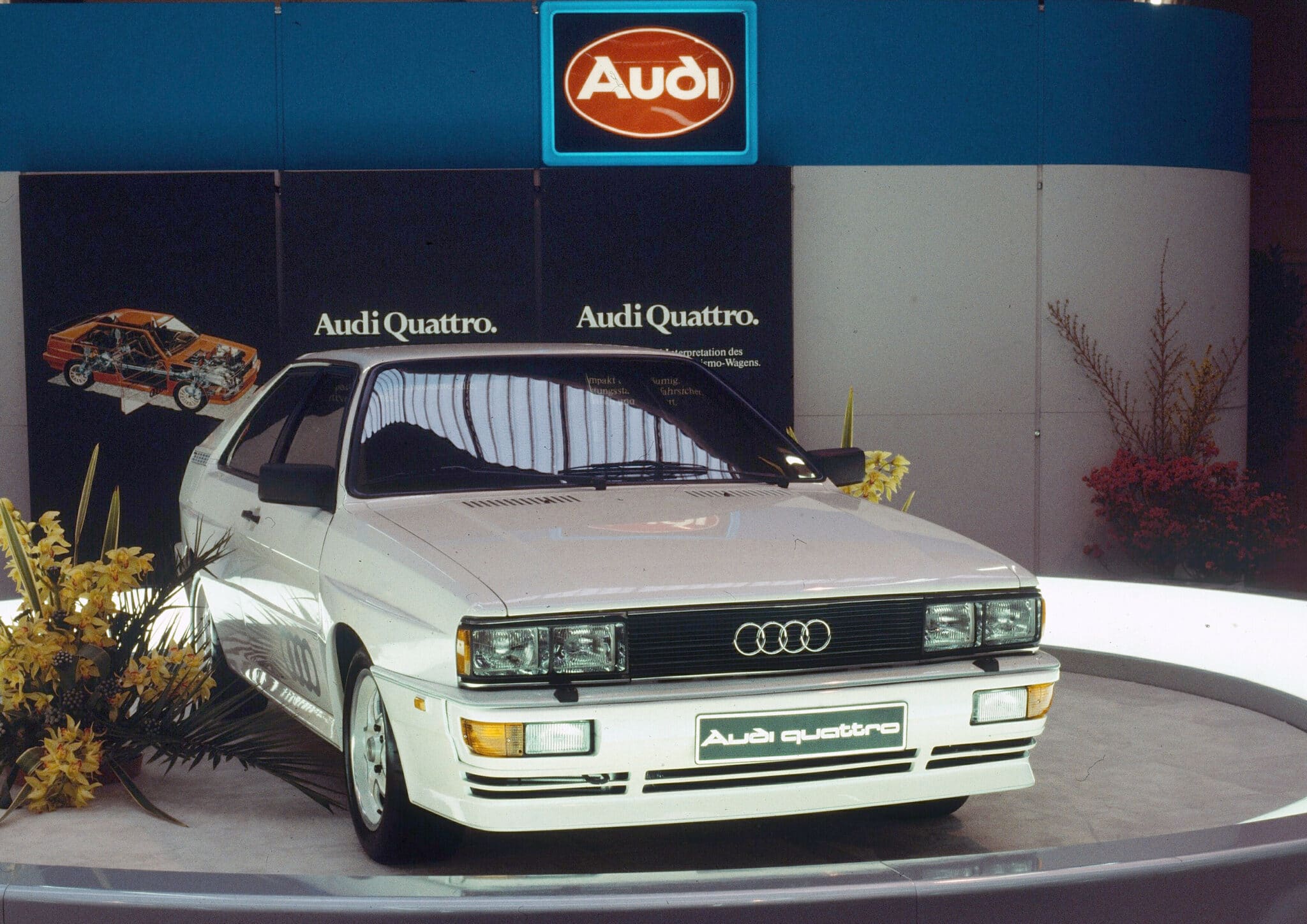
In 1980 at the Geneva Motor Show, Audi unveils the Audi quattro (B2), known as the “Ur-quattro” from the mid-1990s. It uses the powerplant from the Audi 200 5T (C2), but features an intercooler. As a result, the turbocharged engine achieves a higher output of 147 kW (200 hp) at 5,500 revolutions per minute and 285 newton meters (210.21 lb-ft) of torque at 3,500 rpm. The body of the Audi quattro is based on the Audi Coupe (B2), which in turn is based on the Audi 80. Flared fenders, bulkier bumpers and sills as well as a larger rear spoiler distinguish the Audi quattro from the Coupe.Precisely engineered components of the 2.5 TFSI five-cylinder
We use cookies to deliver the best possible experience whilst visiting our website. By clicking "Accept All", you consent to our use of cookies, or you can manage your preferences by clicking the link below. You can manage your preferences at any time from out Cookie Policy page.
Functional
Always active
The technical storage or access is strictly necessary for the legitimate purpose of enabling the use of a specific service explicitly requested by the subscriber or user, or for the sole purpose of carrying out the transmission of a communication over an electronic communications network.
Preferences
The technical storage or access is necessary for the legitimate purpose of storing preferences that are not requested by the subscriber or user.
Statistics
The technical storage or access that is used exclusively for statistical purposes.The technical storage or access that is used exclusively for anonymous statistical purposes. Without a subpoena, voluntary compliance on the part of your Internet Service Provider, or additional records from a third party, information stored or retrieved for this purpose alone cannot usually be used to identify you.
Marketing
The technical storage or access is required to create user profiles to send advertising, or to track the user on a website or across several websites for similar marketing purposes.






Leave a Reply
You must be logged in to post a comment.