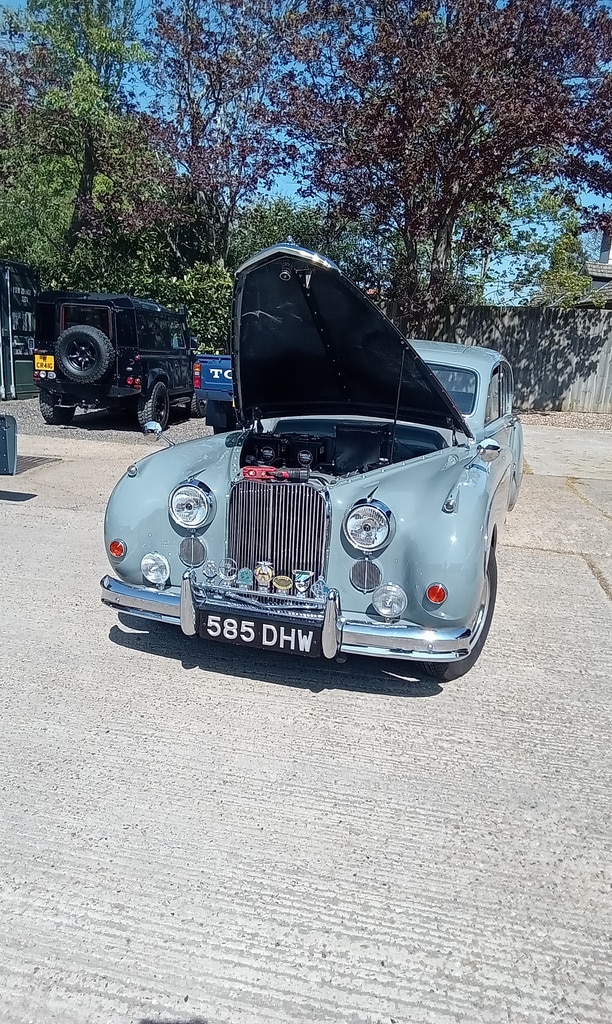
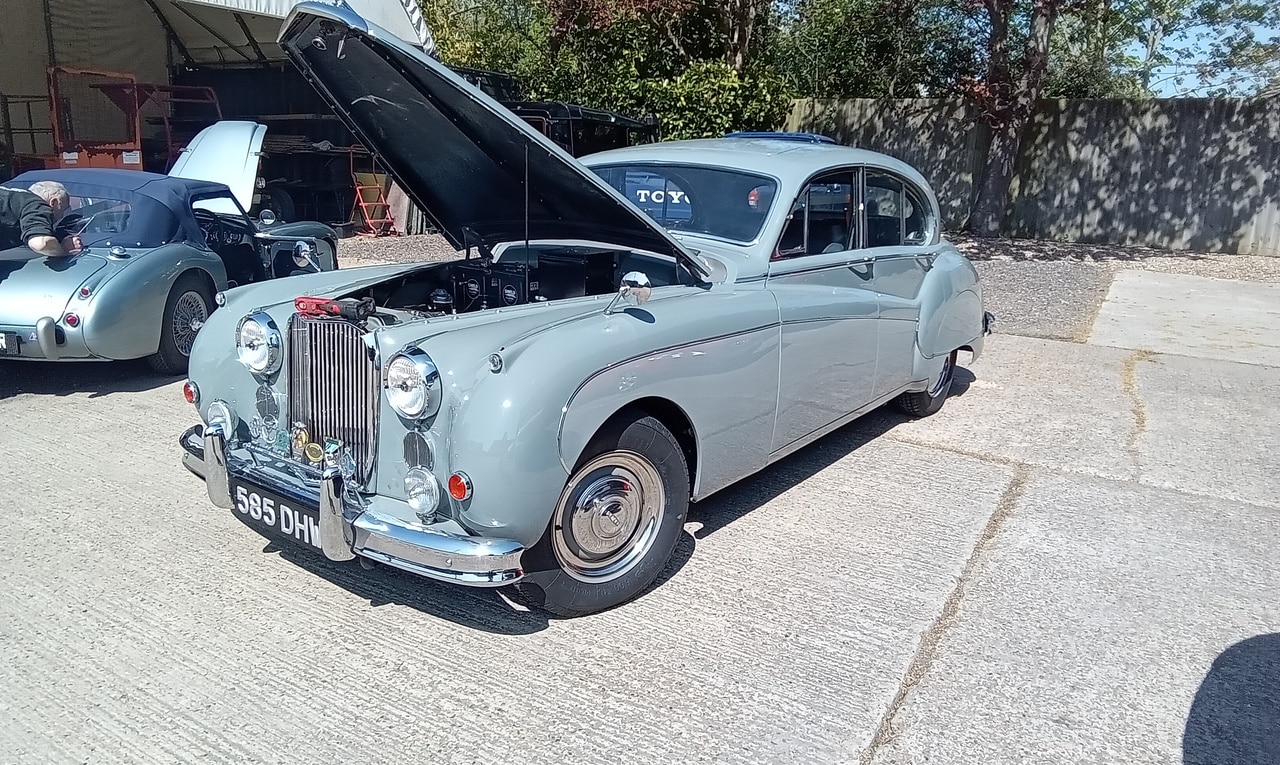
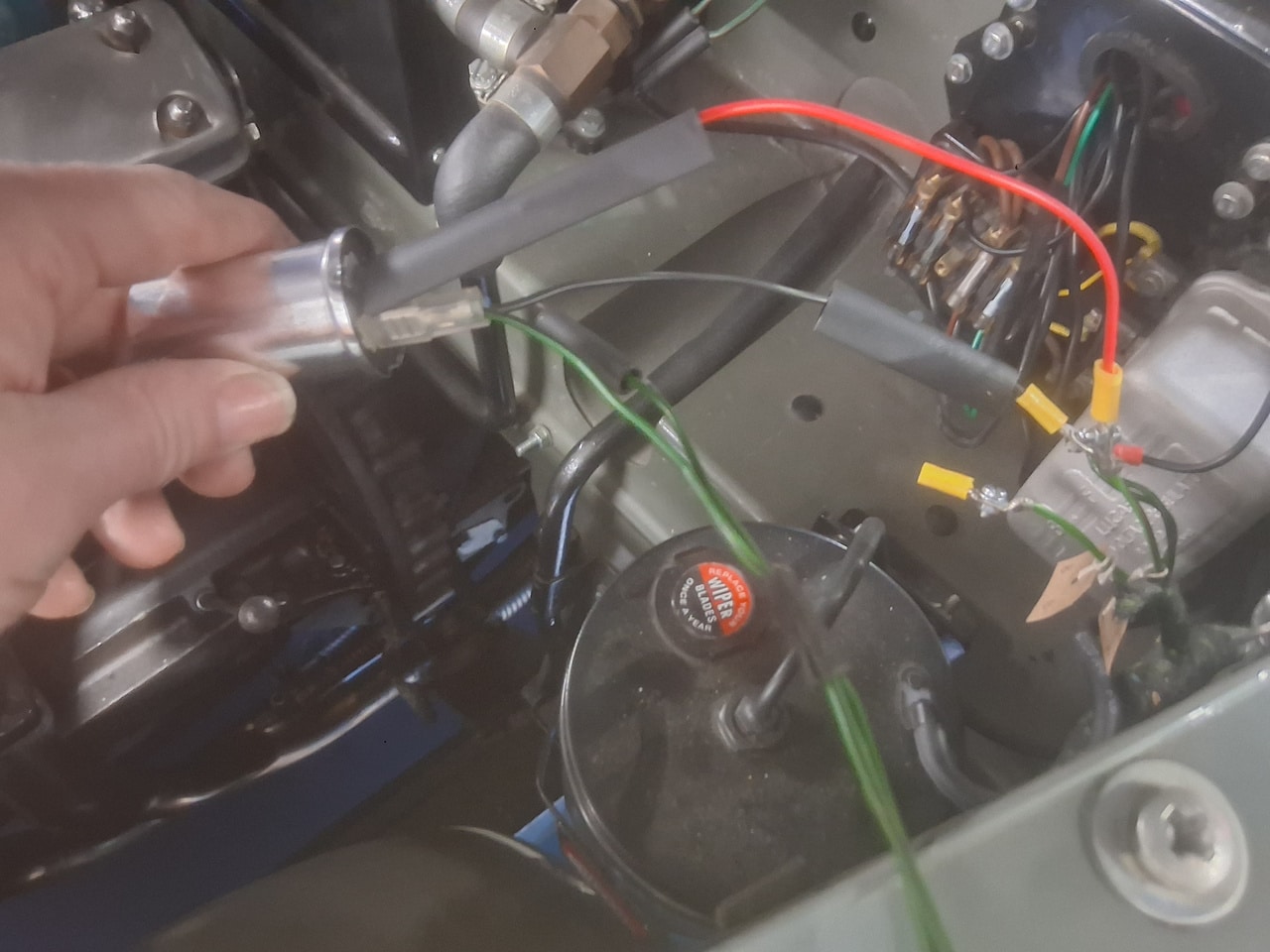
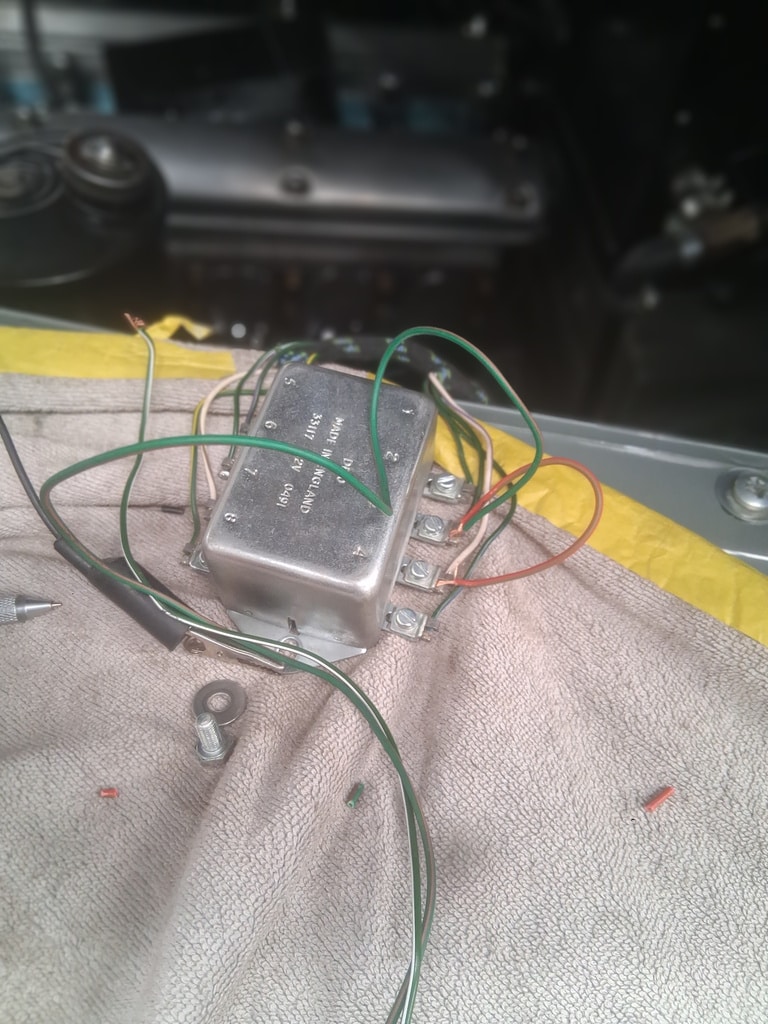
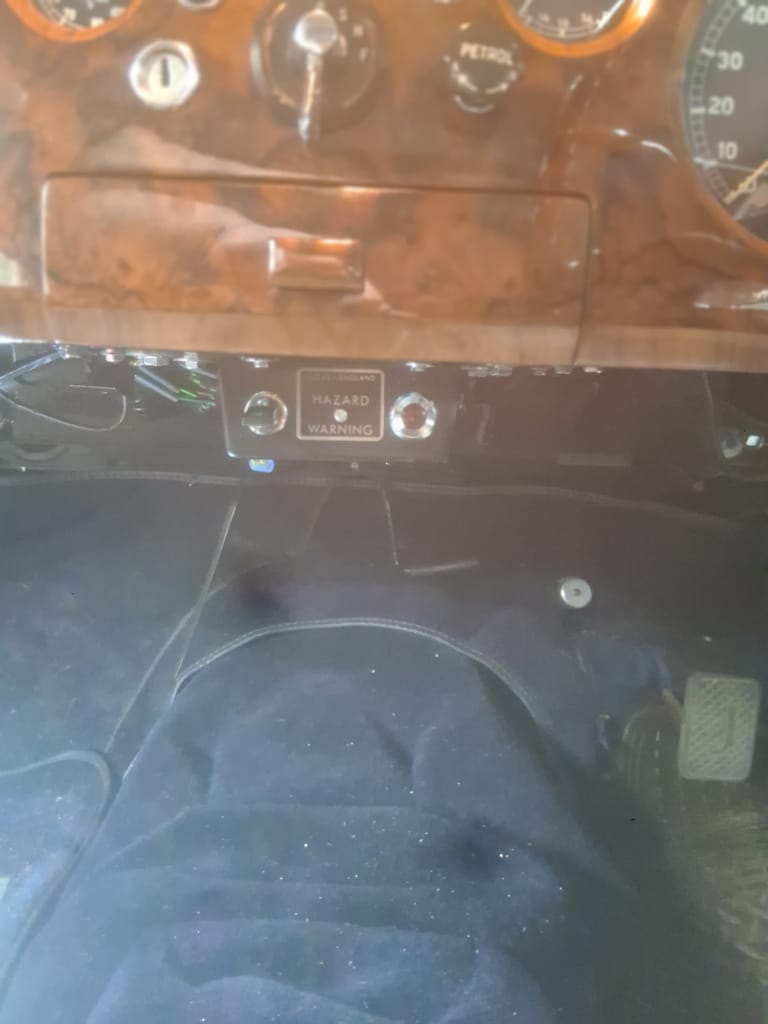
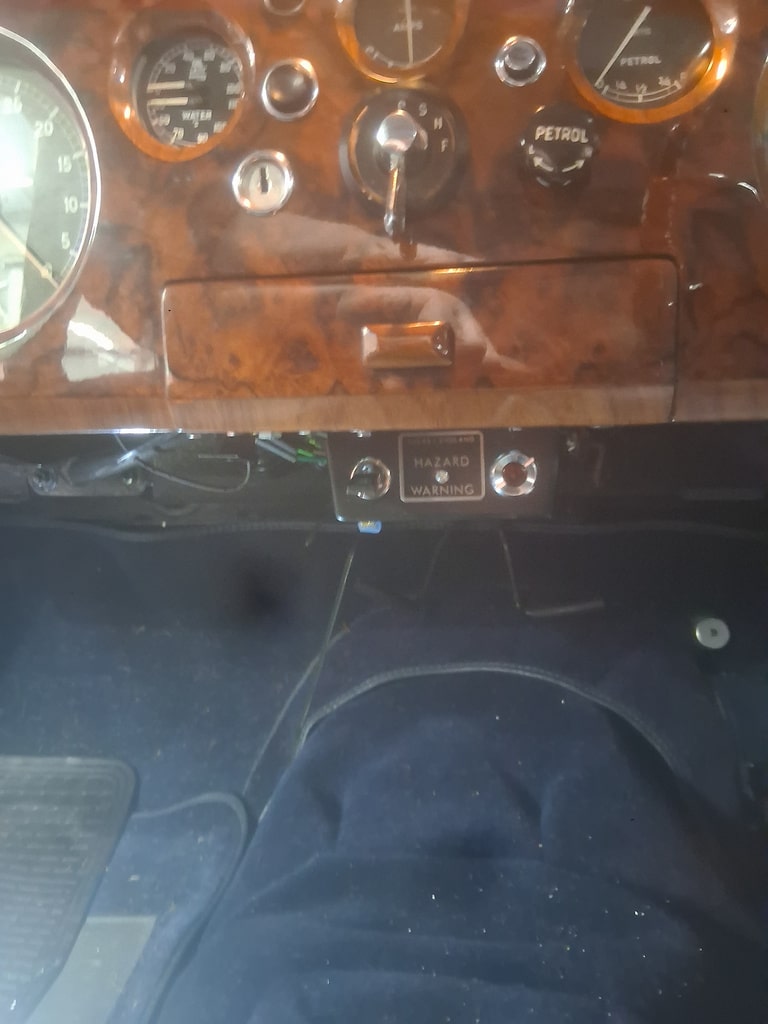
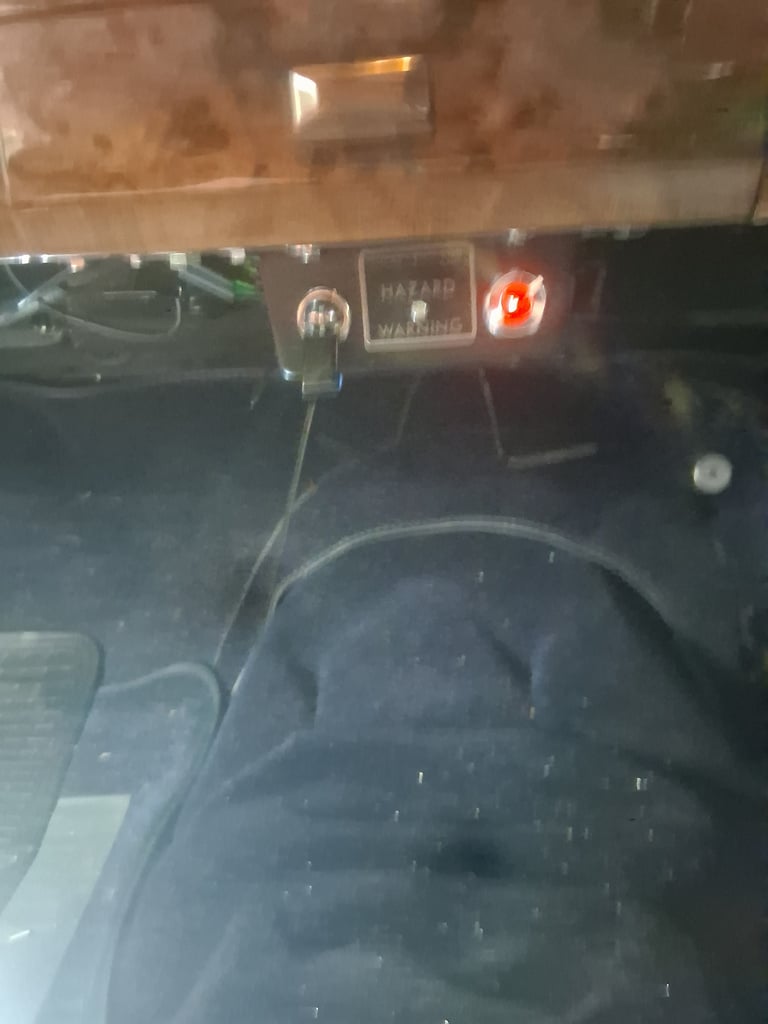
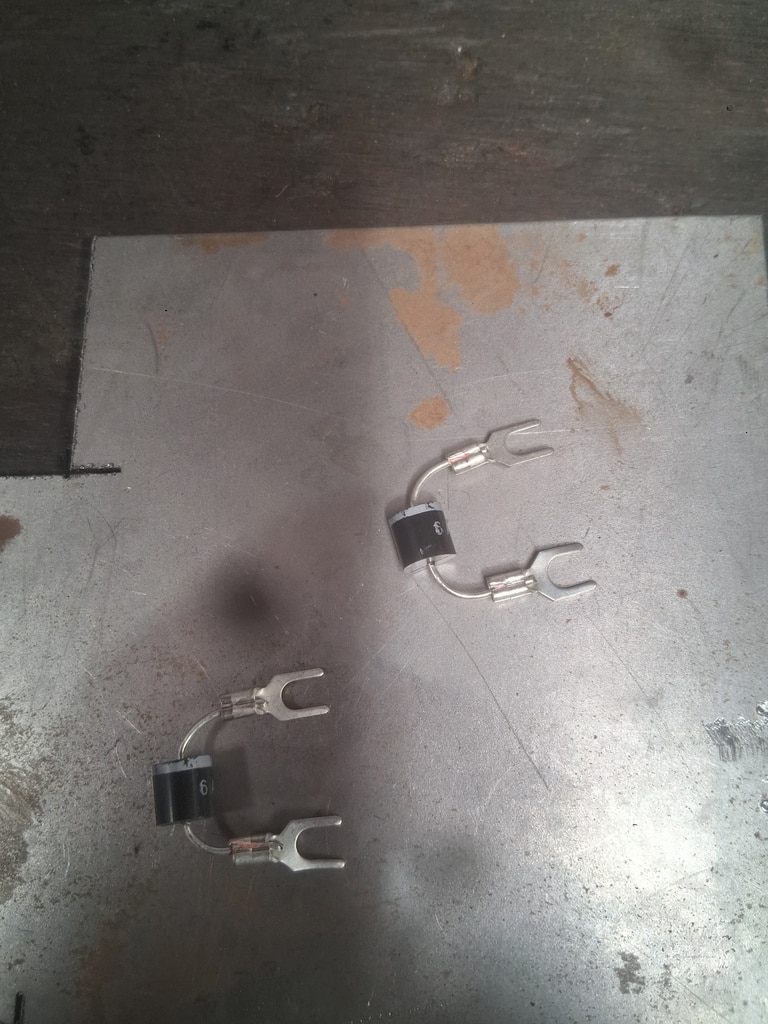
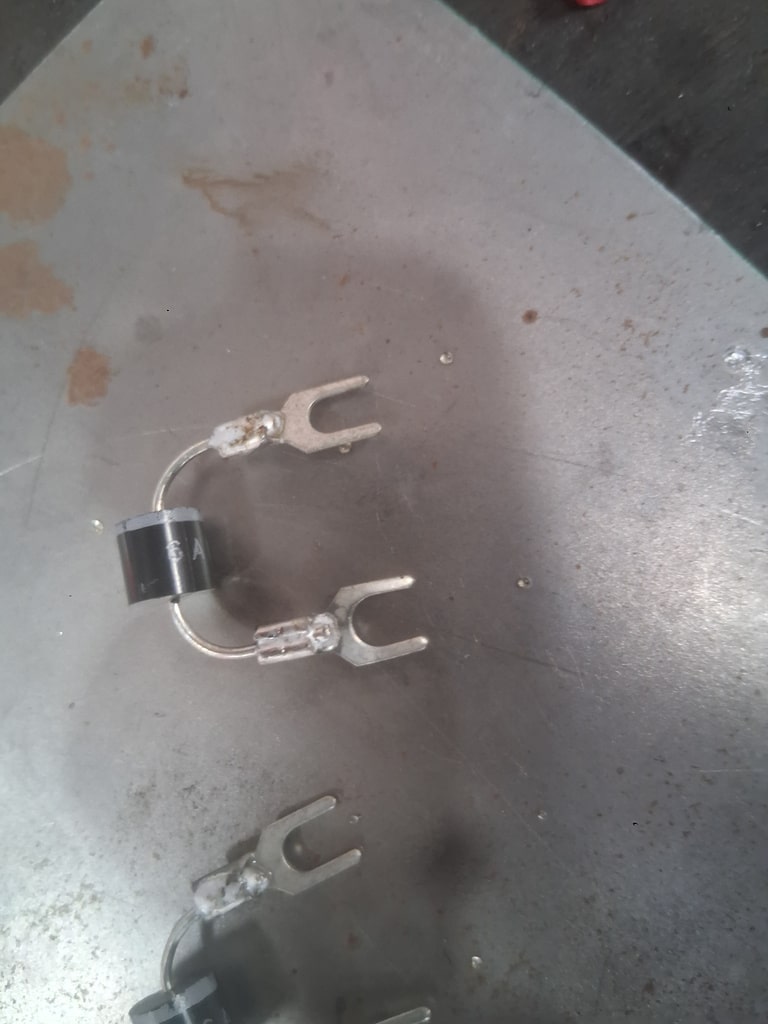
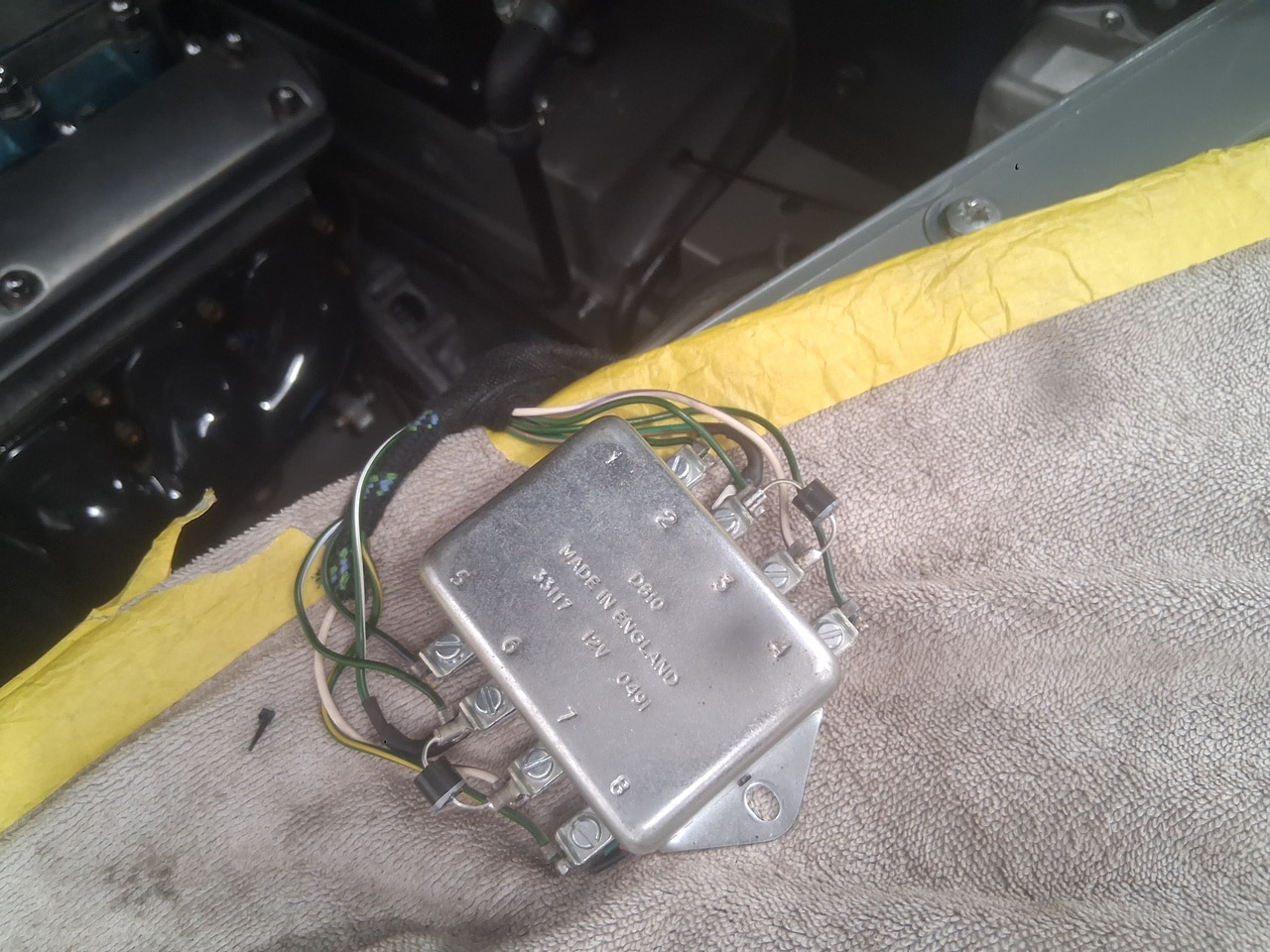
With the finishing stages of our 1959 Jaguar MKIX in sight, John carried out a series of tasks to bring both functionality and authenticity up to standard. At the customer’s request, he fitted a hazard switch to the car, though this proved more involved than expected due to the presence of a DB10 relay. To prevent the front lights from illuminating when braking, given that the rear indicators also serve as brake lights, John installed diodes into the system to control the current flow correctly.
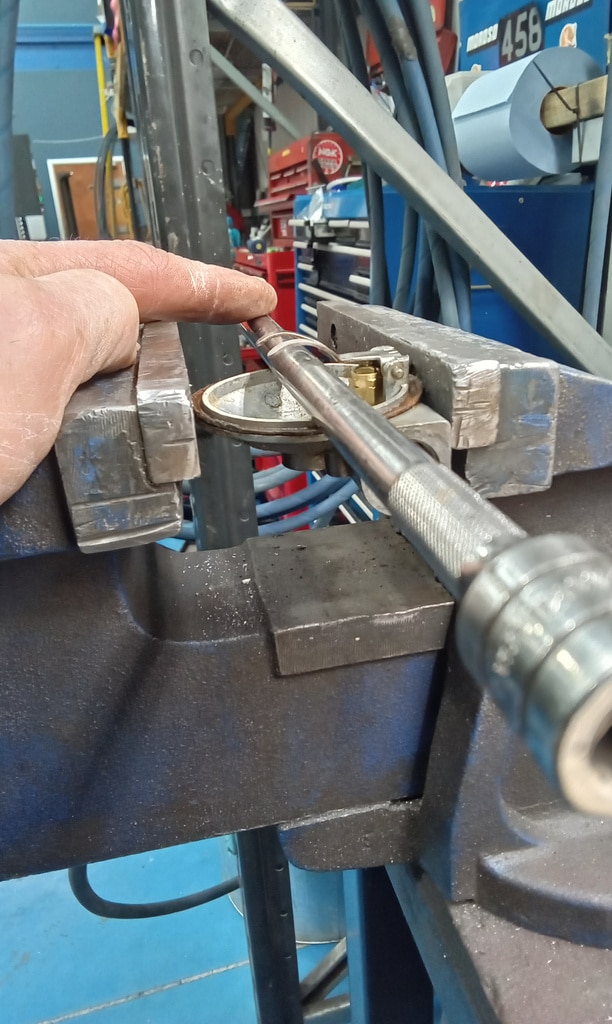
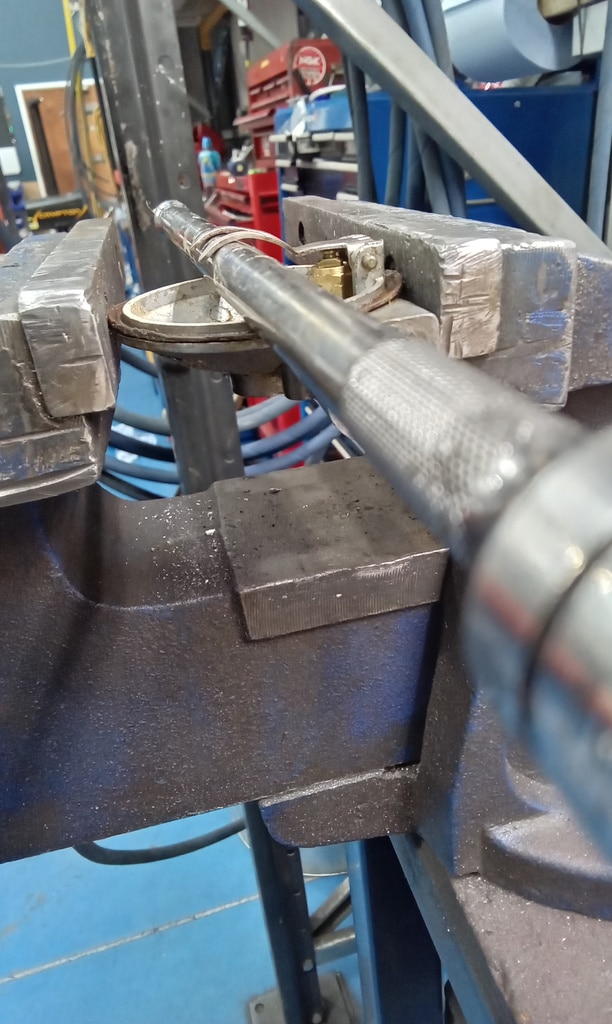
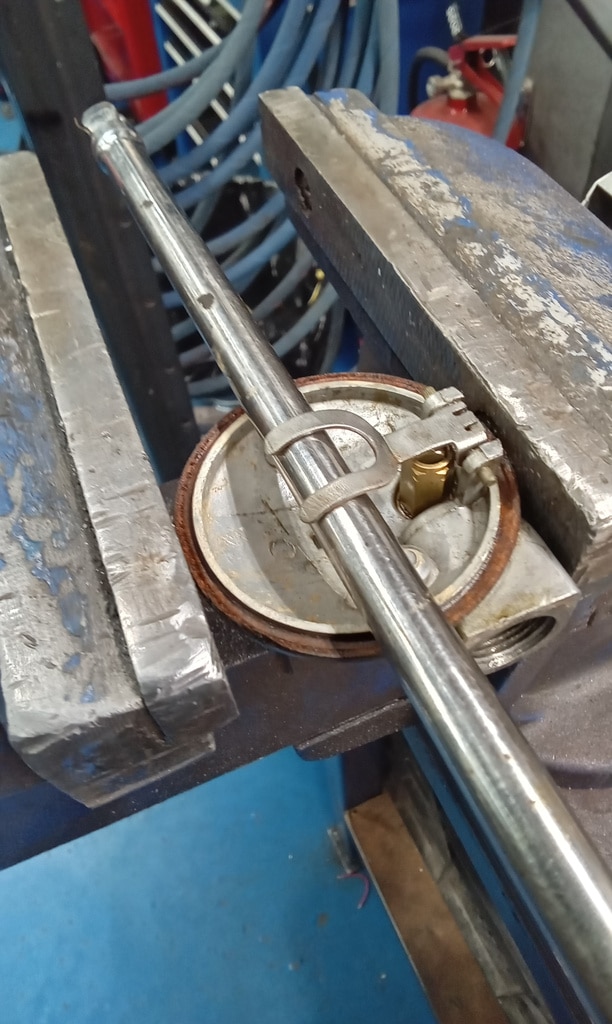
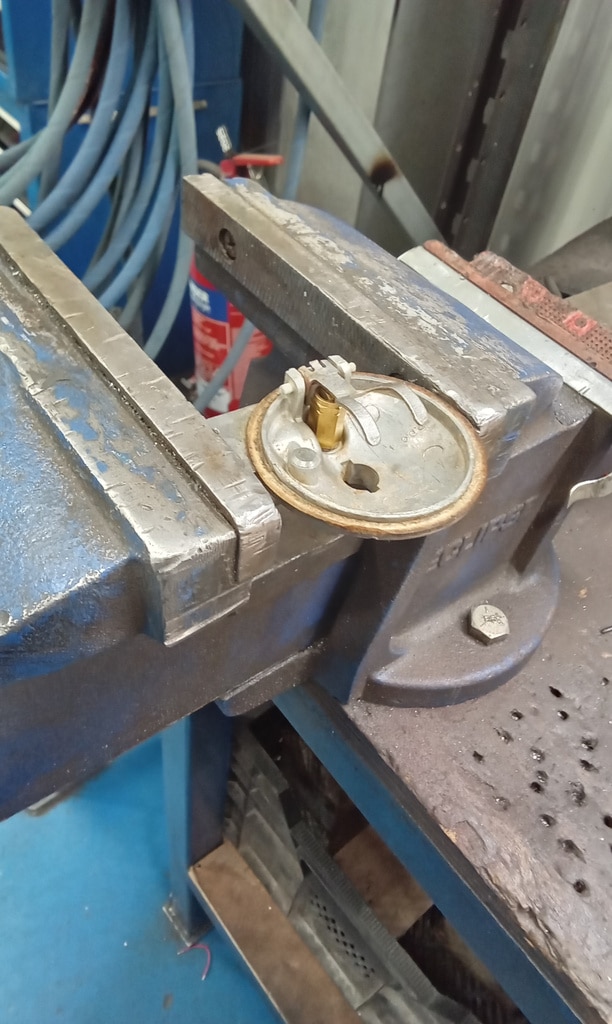
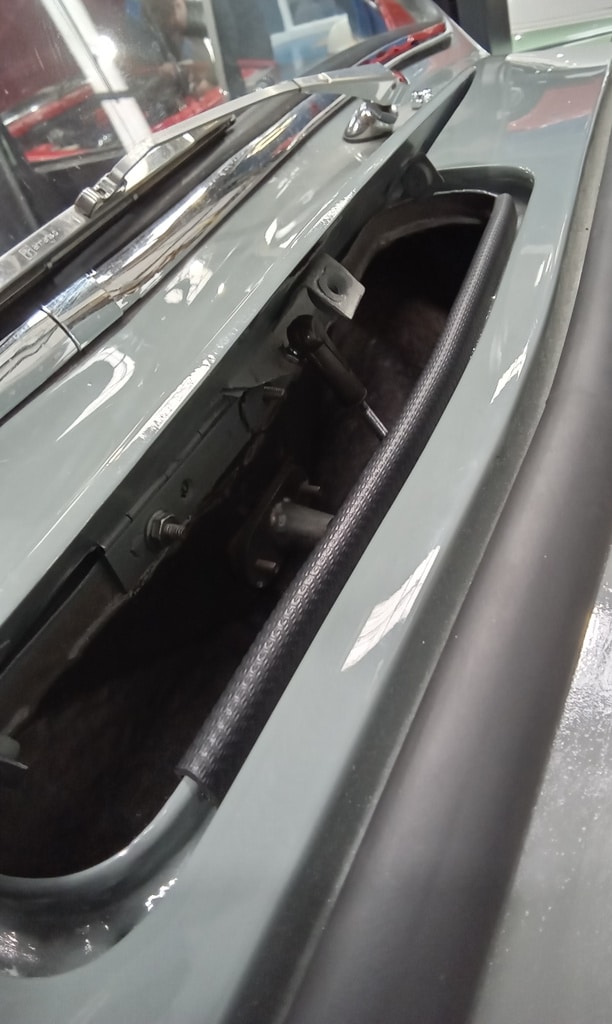
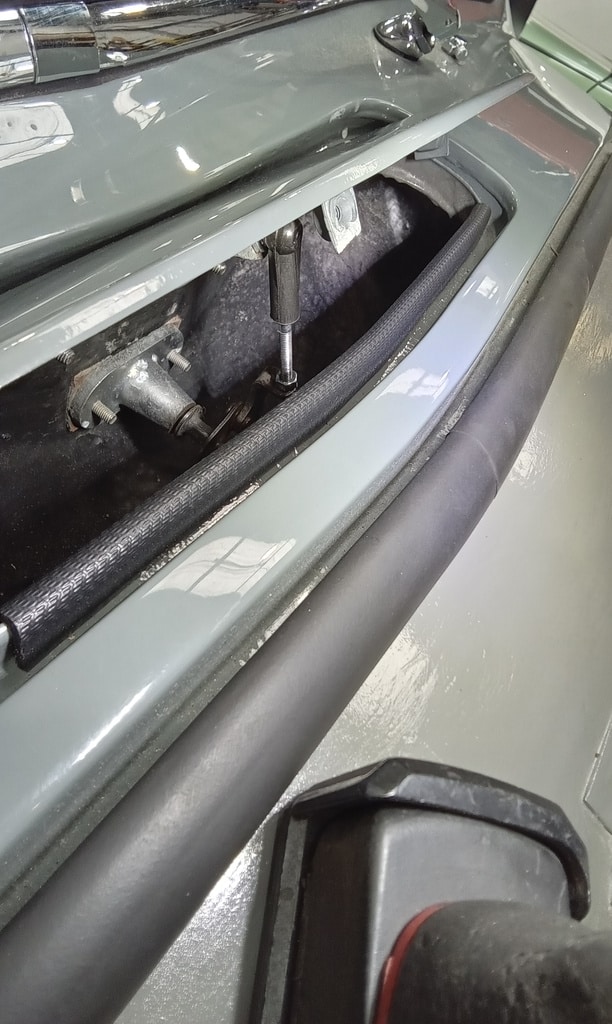
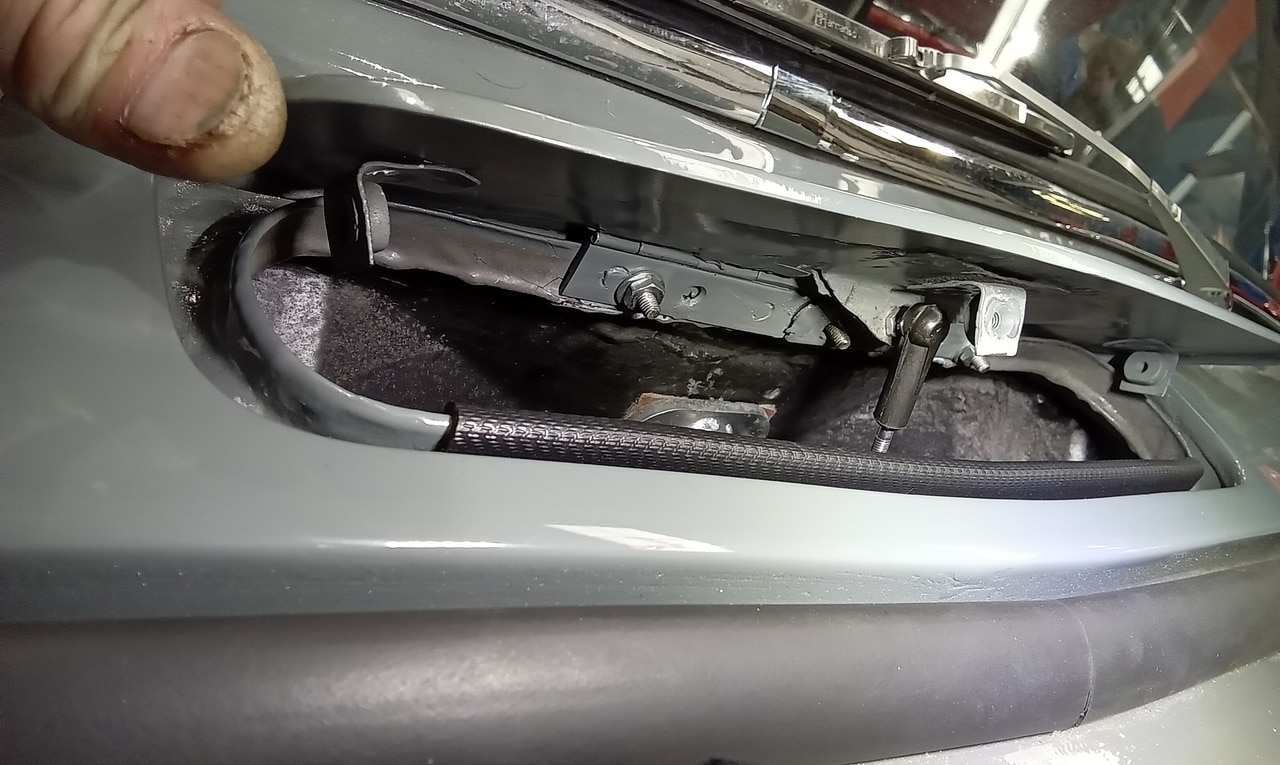
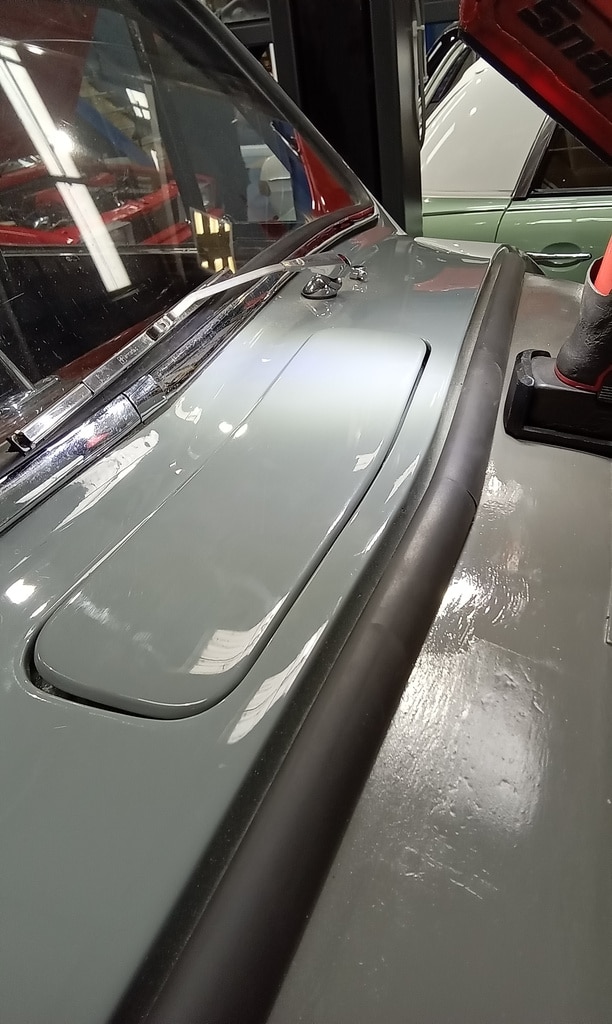
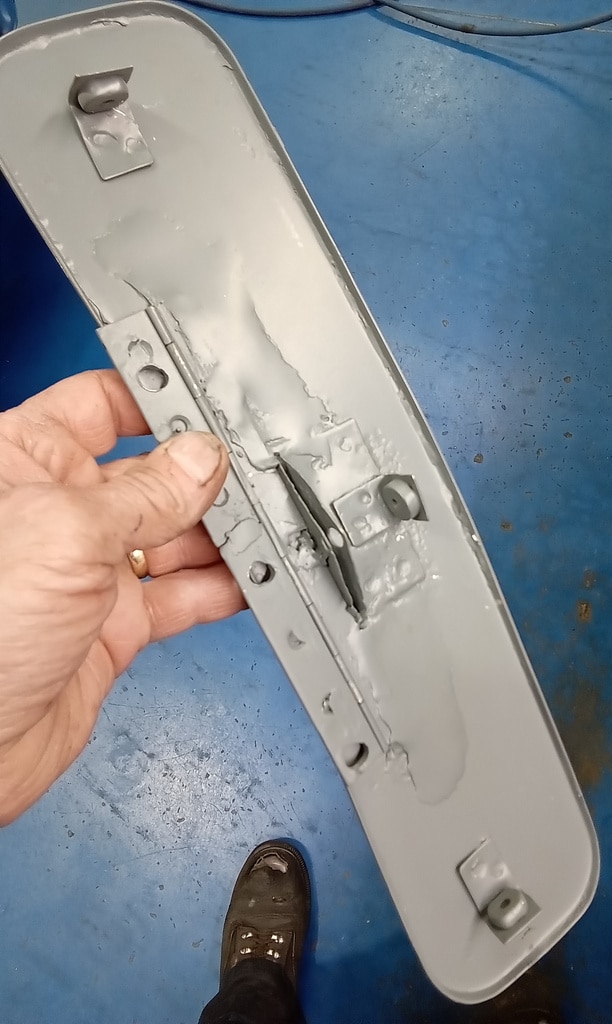
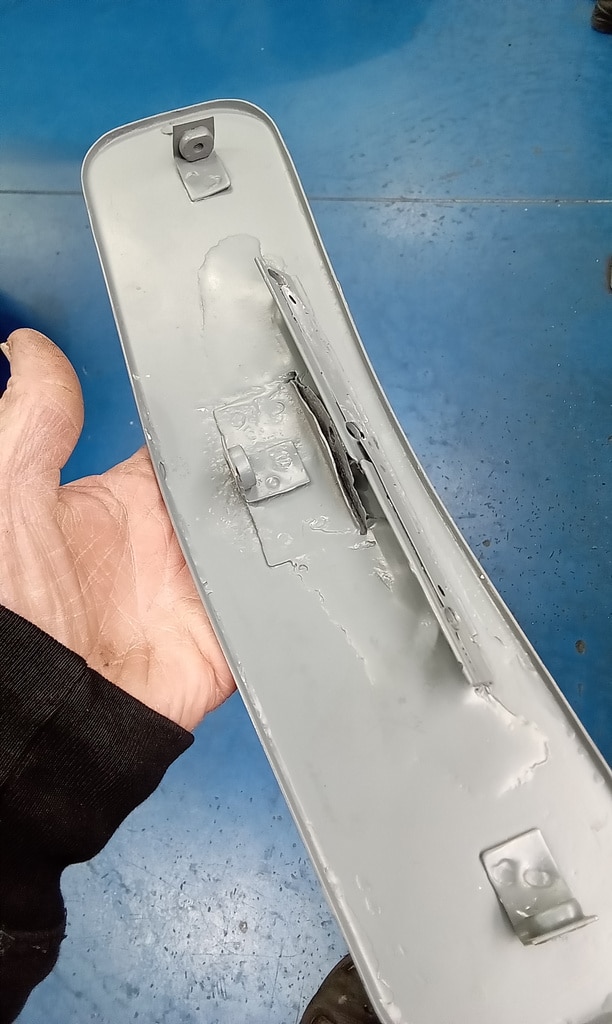
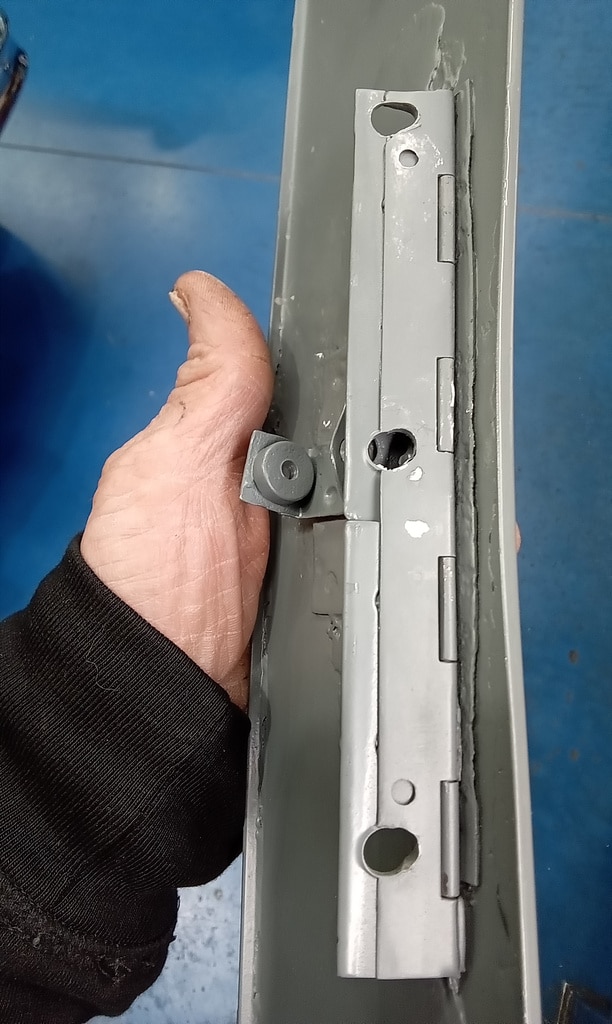
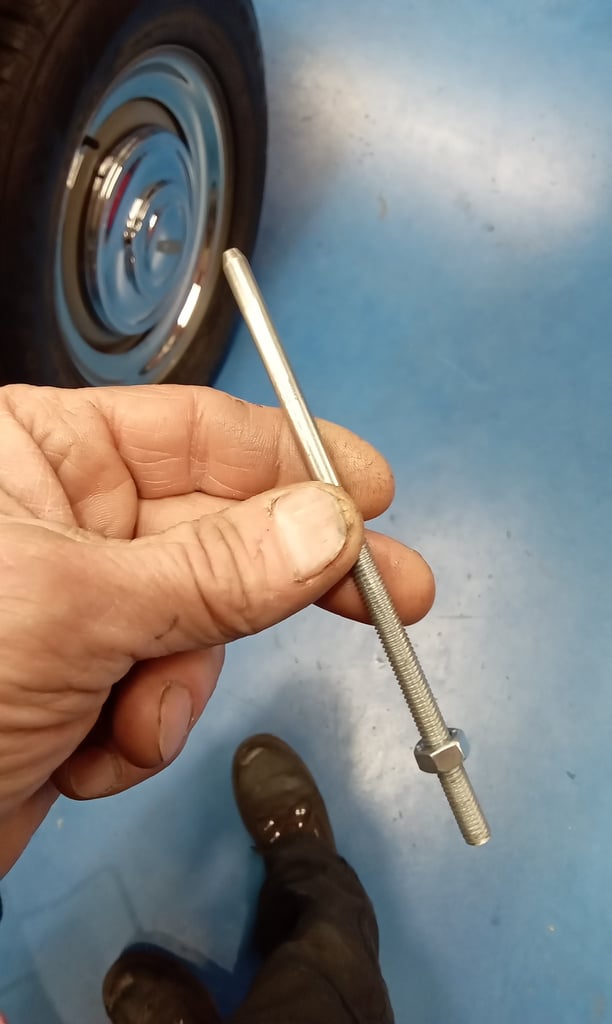
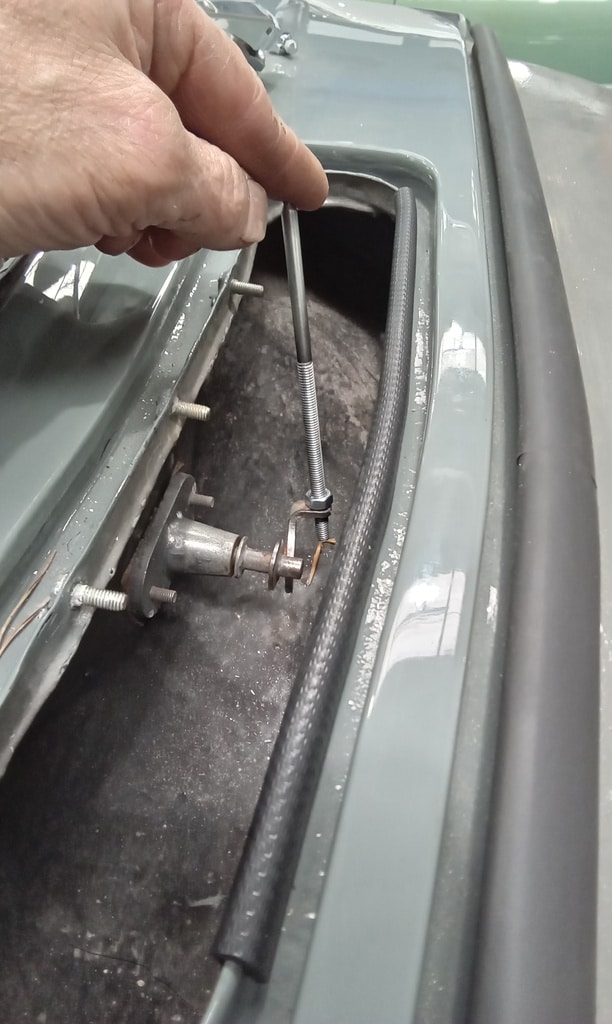
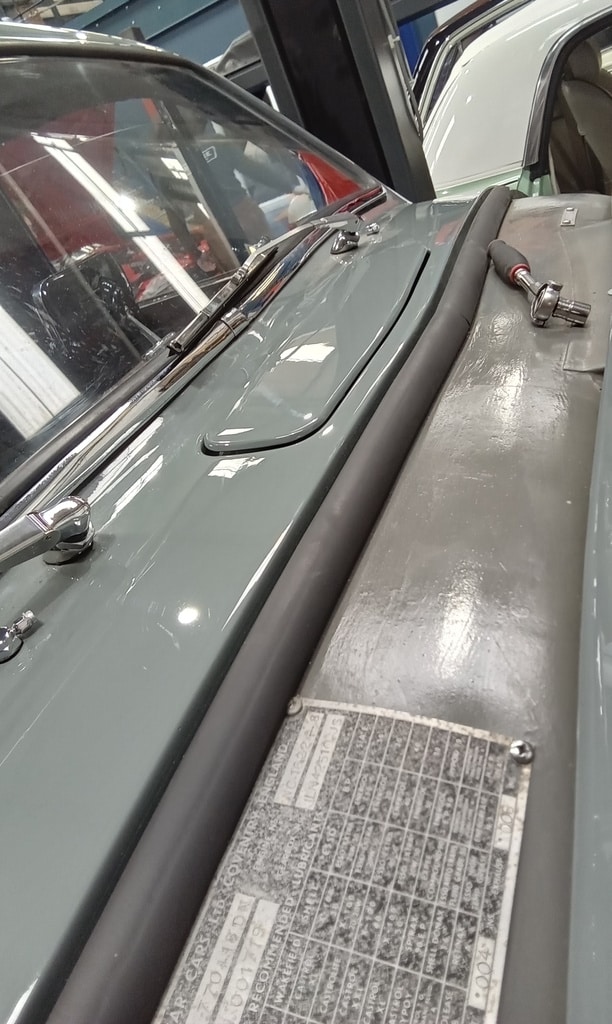
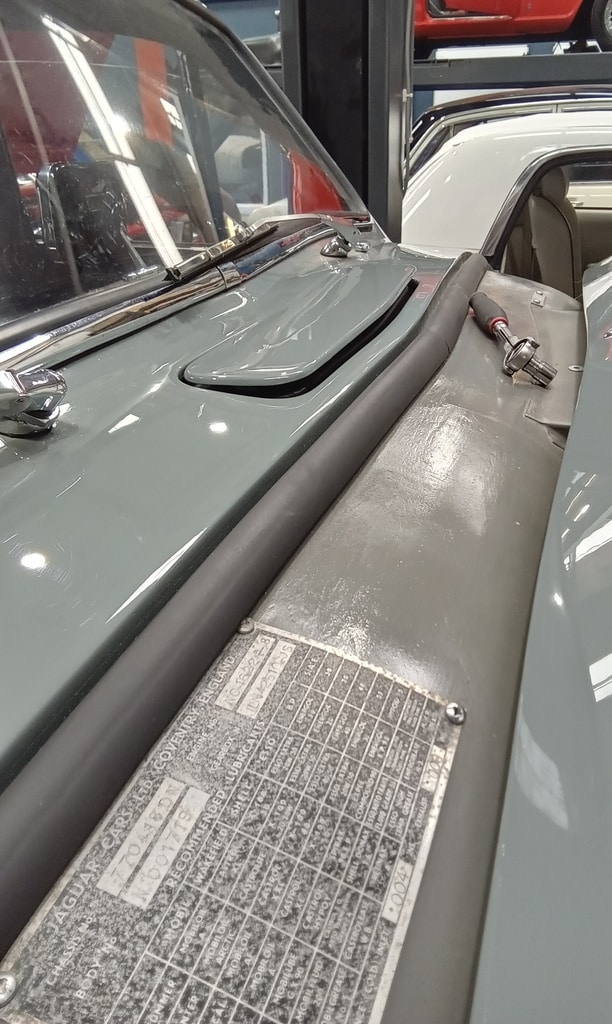
He then turned his attention to the scuttle vent, which had been neither connected nor secure. John removed the vent, drilled out the existing fixing, and sourced a suitable rod, which he cut down and bent to shape before fitting. Once installed and tested, it became clear that the vent was still not allowing full closure, requiring further refinement. He adapted an old throttle linkage by cutting it down and rethreading the rod, adjusting the ball joints to the correct length. After fitting and testing, the throttle controls responded as expected.
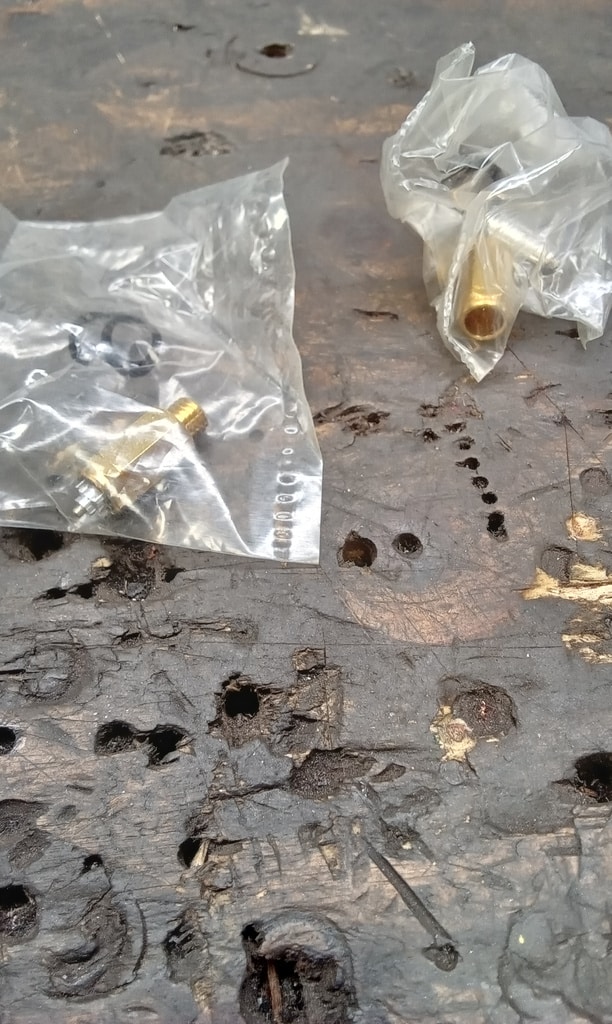
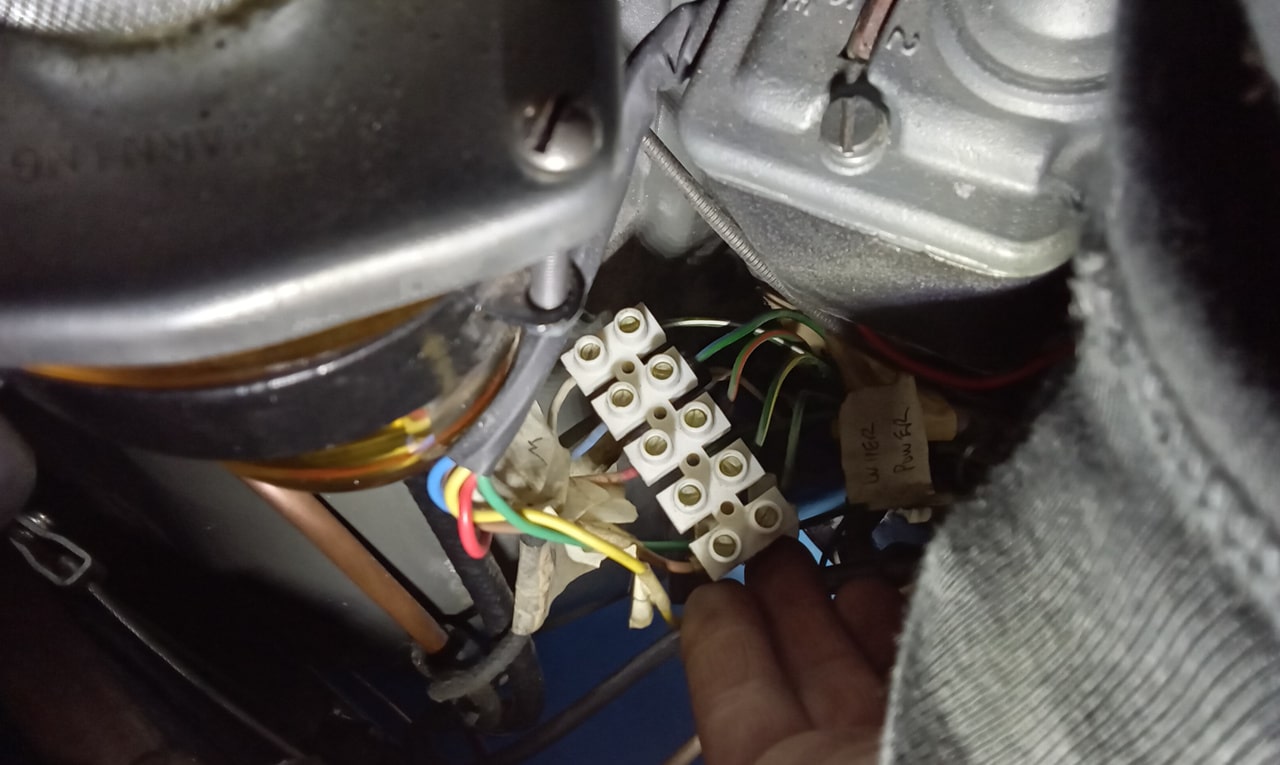
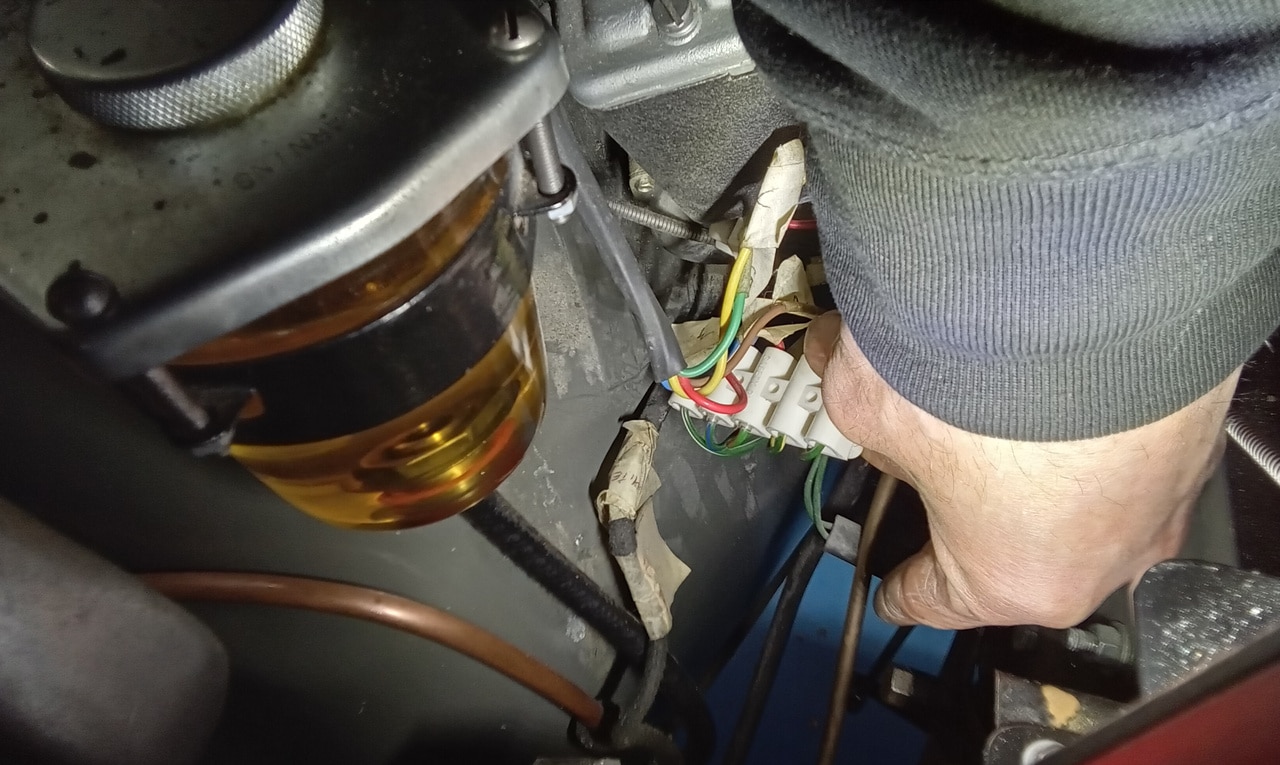
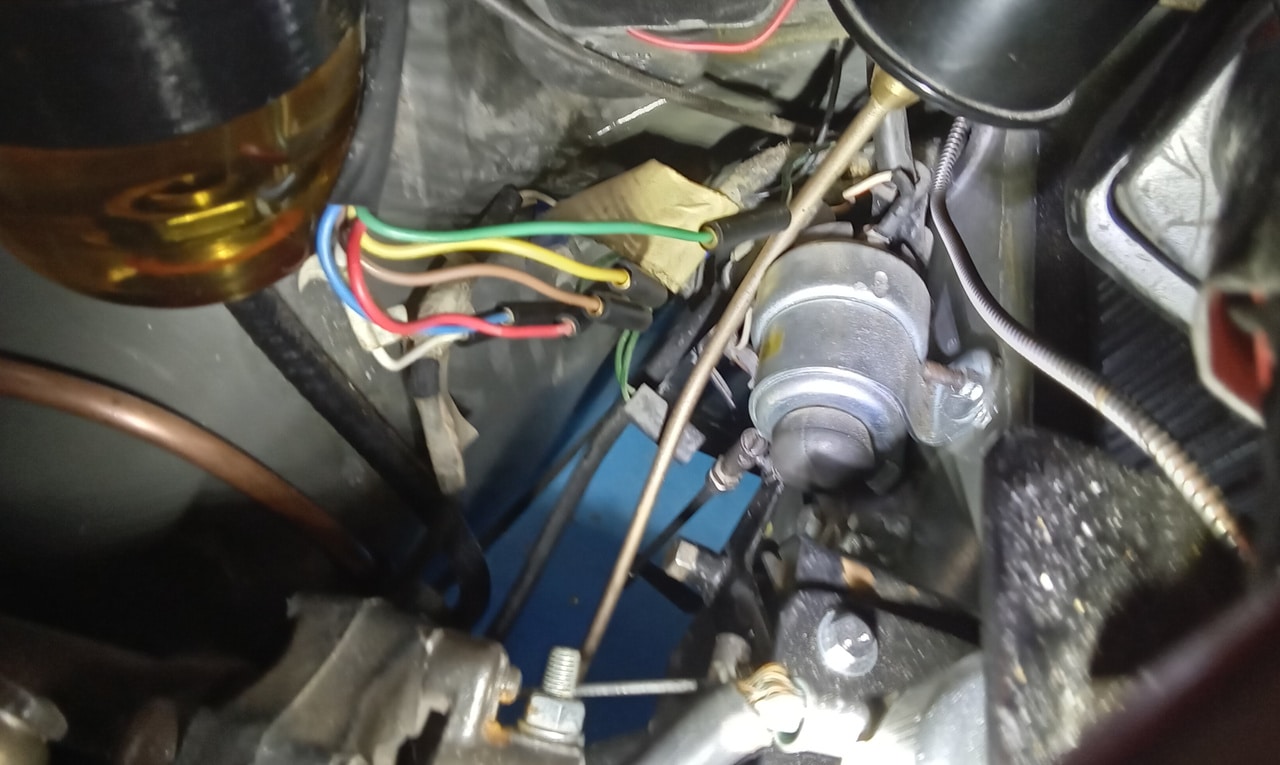
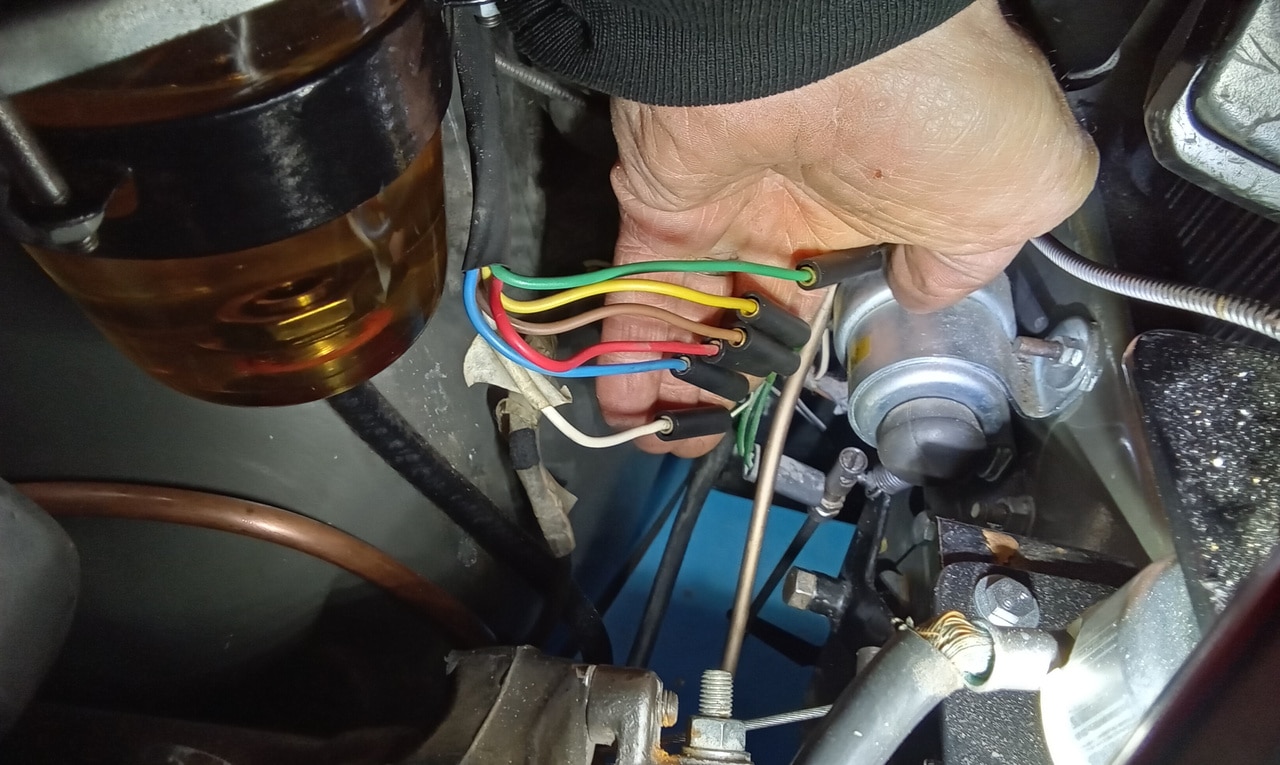
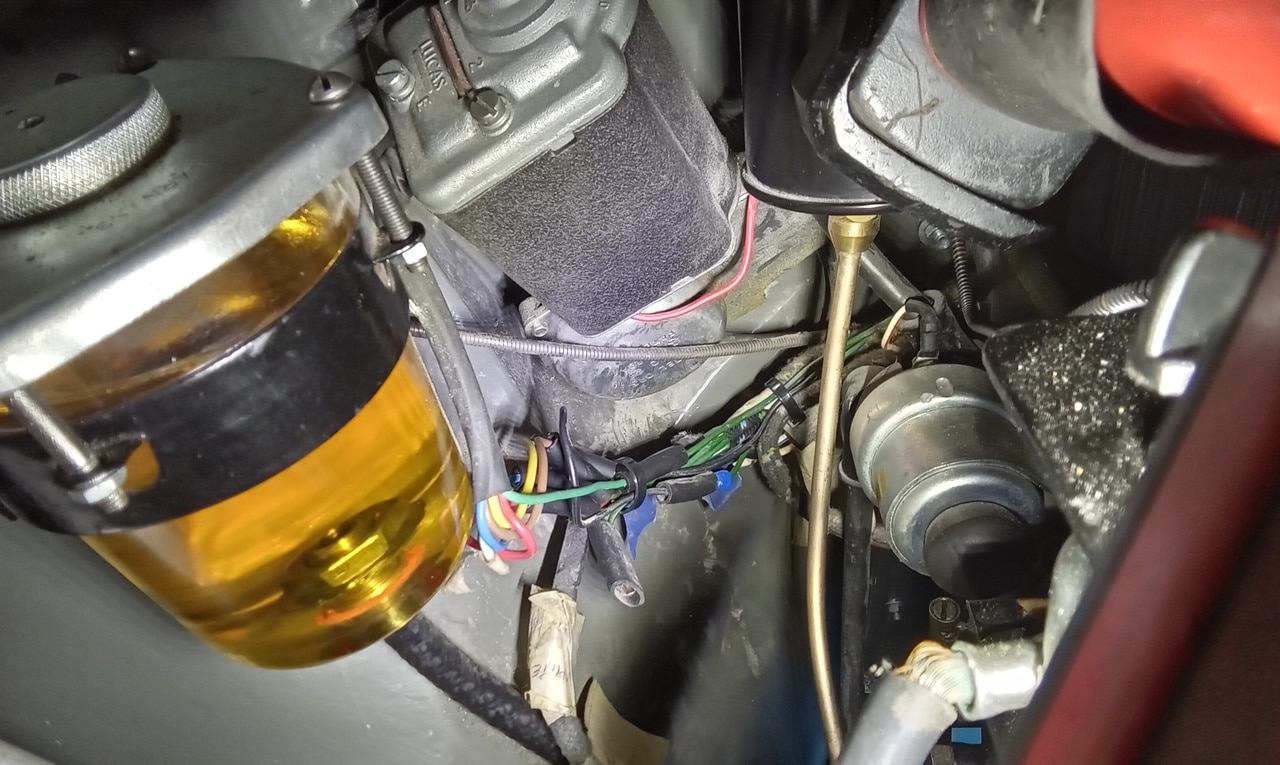
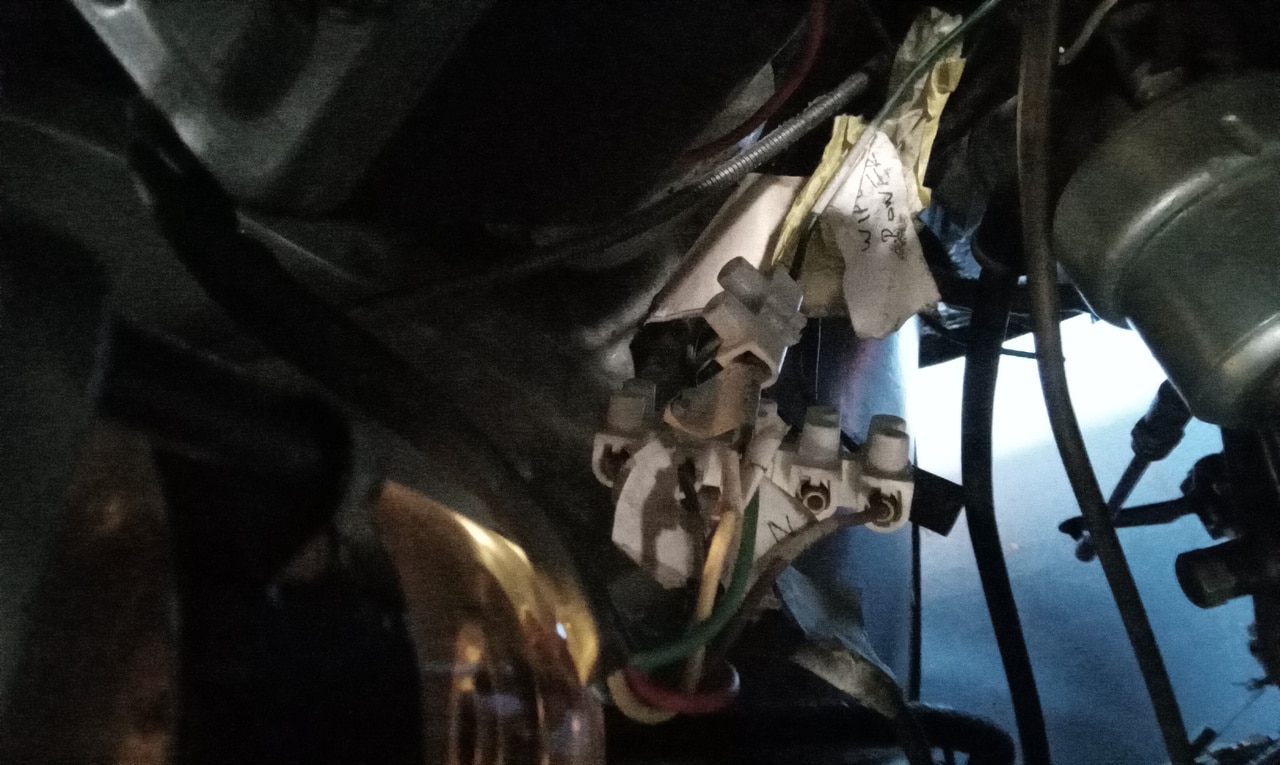
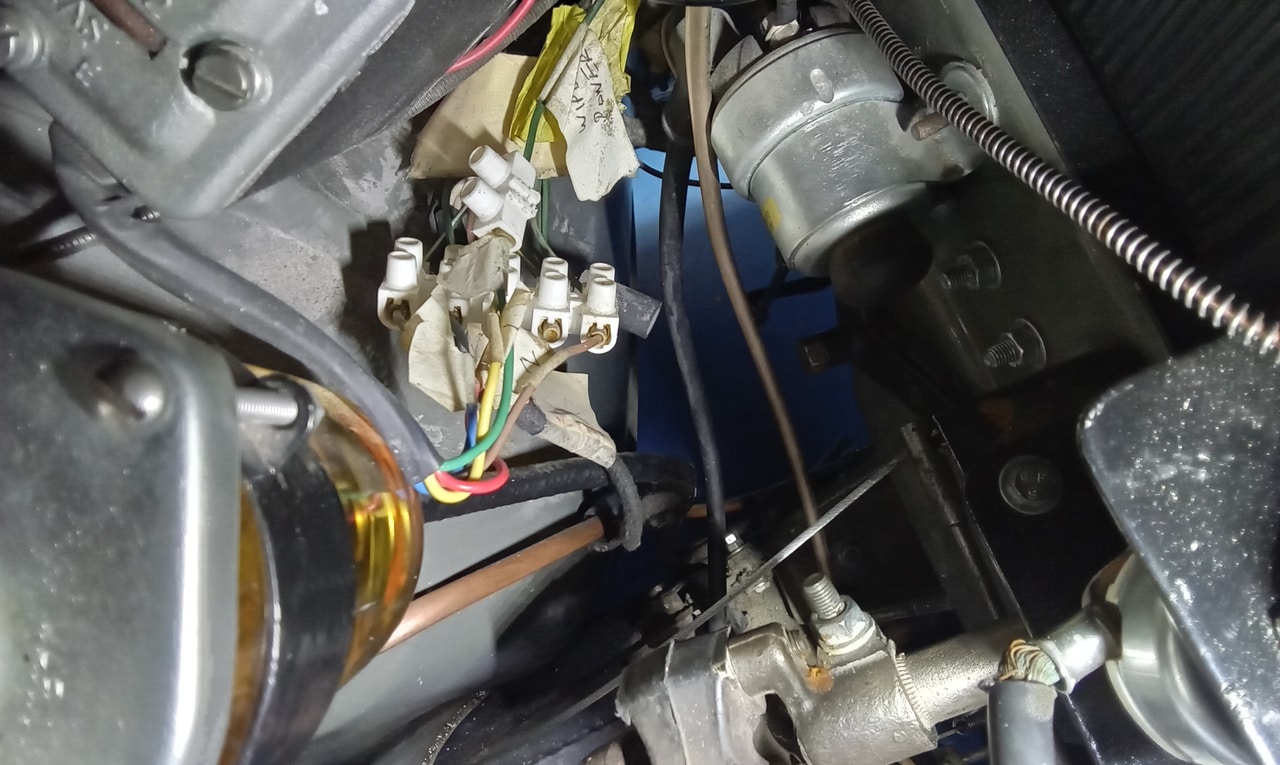
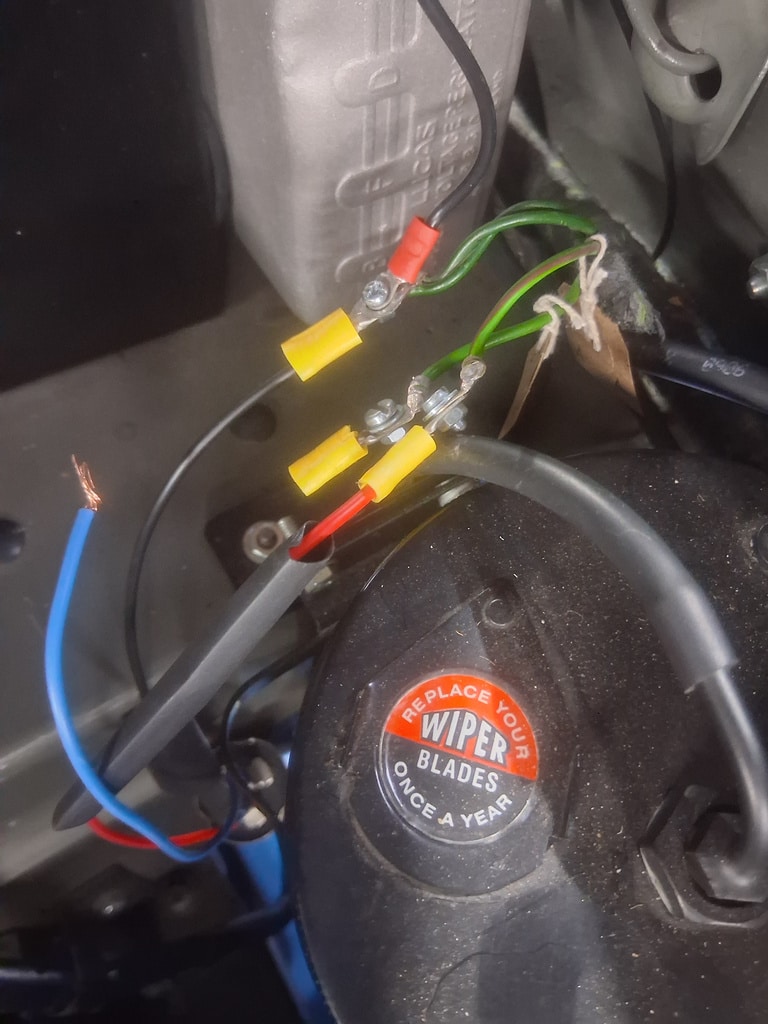
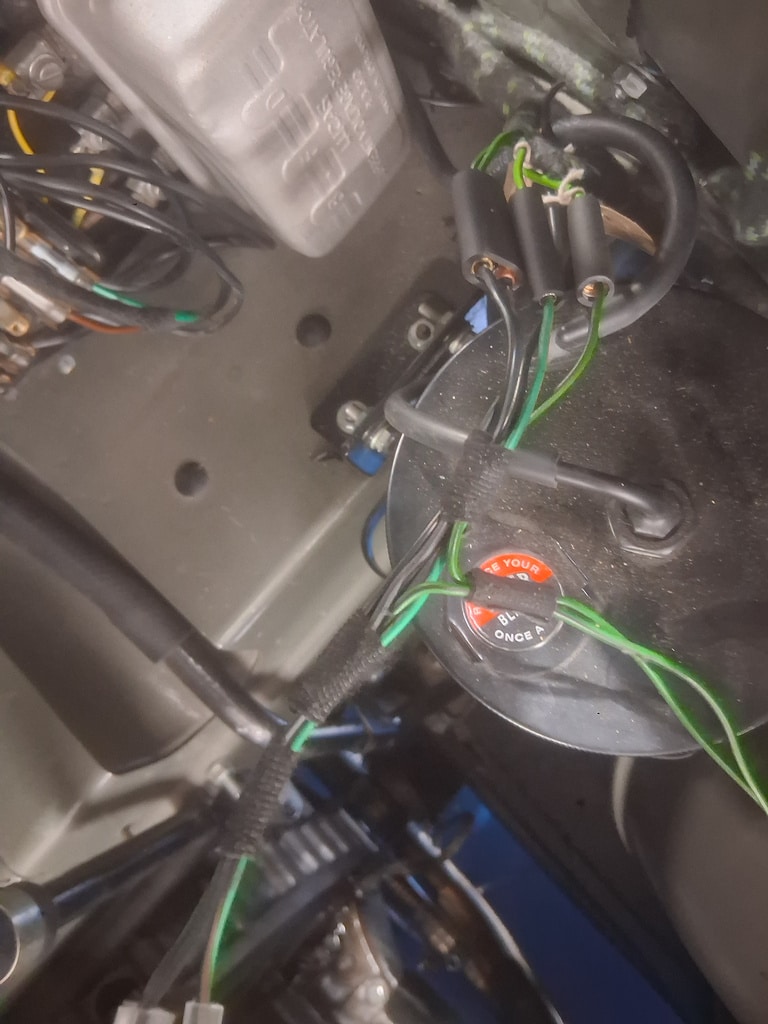
John also addressed the wiper motor wiring, removing modern block connectors and replacing them with period-correct bullet terminals. Each wire was cut, crimped, and installed individually before being secured neatly with a cable tie.
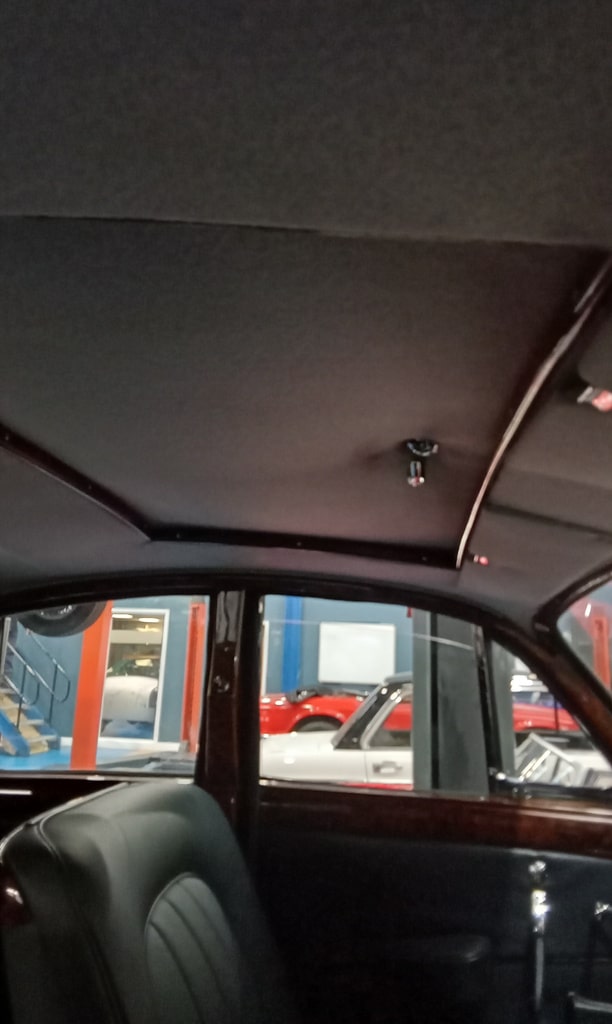
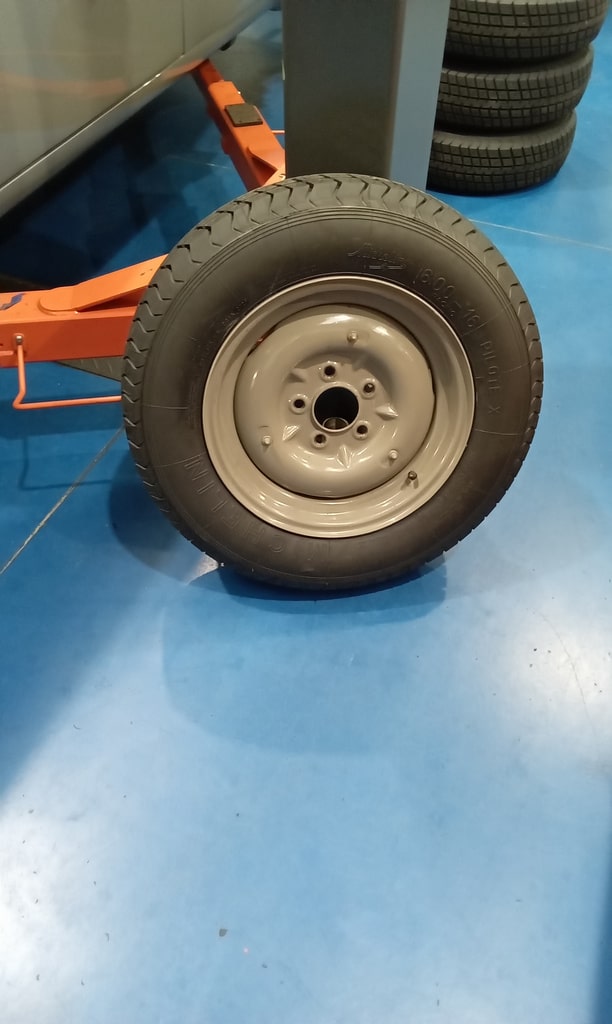
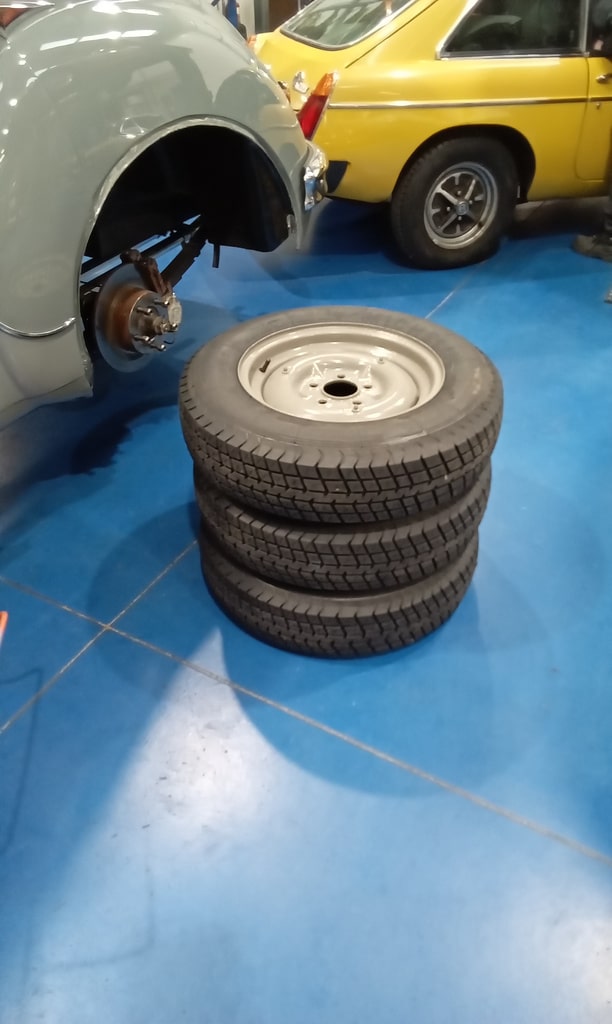
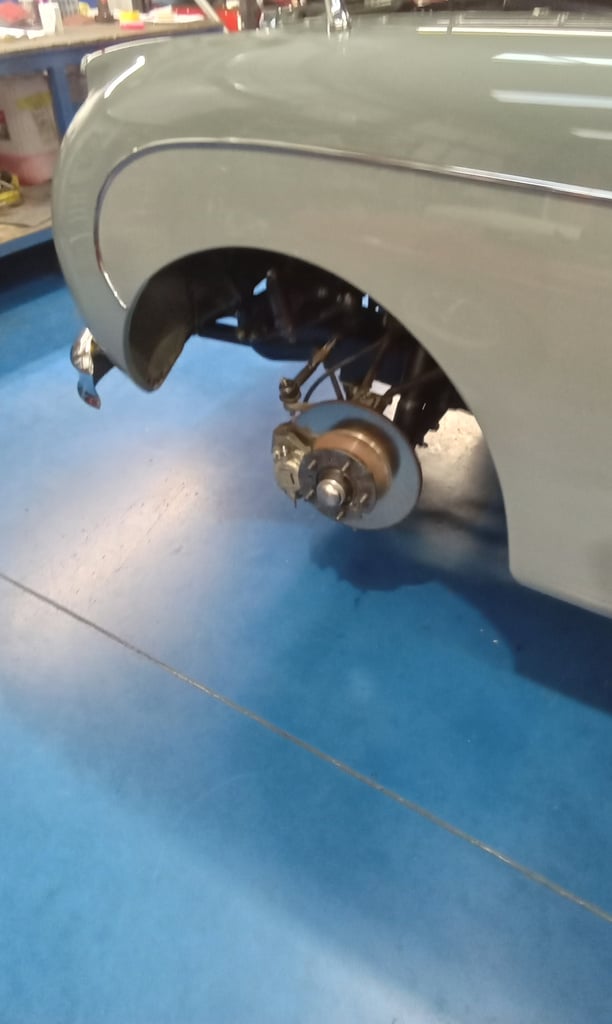
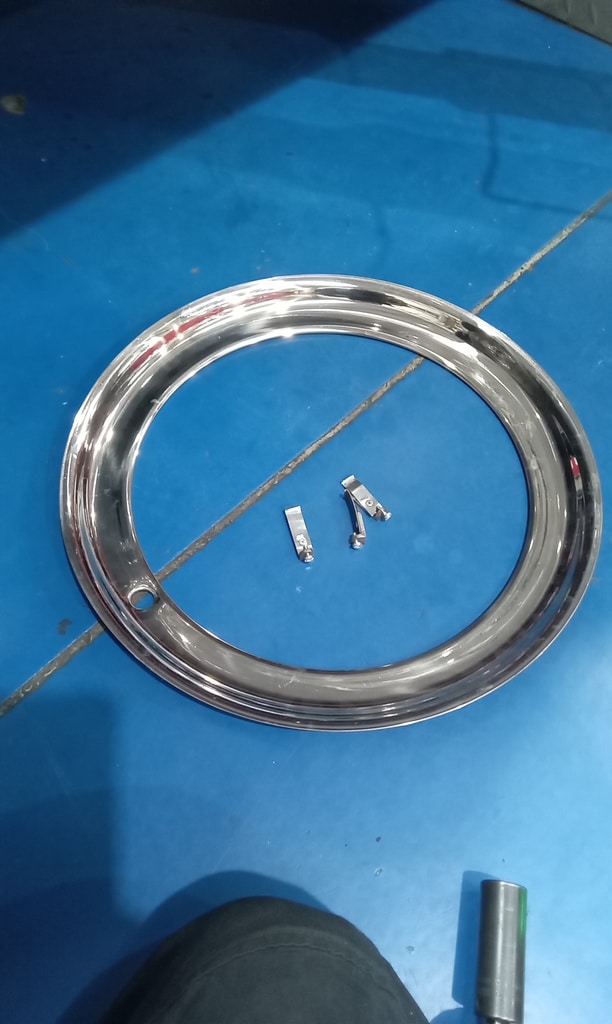
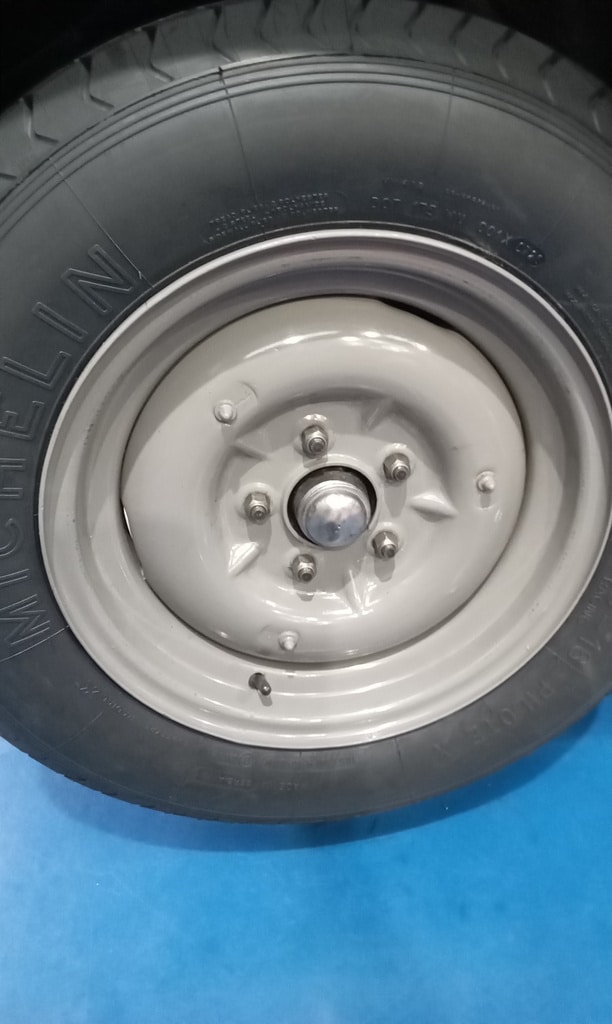
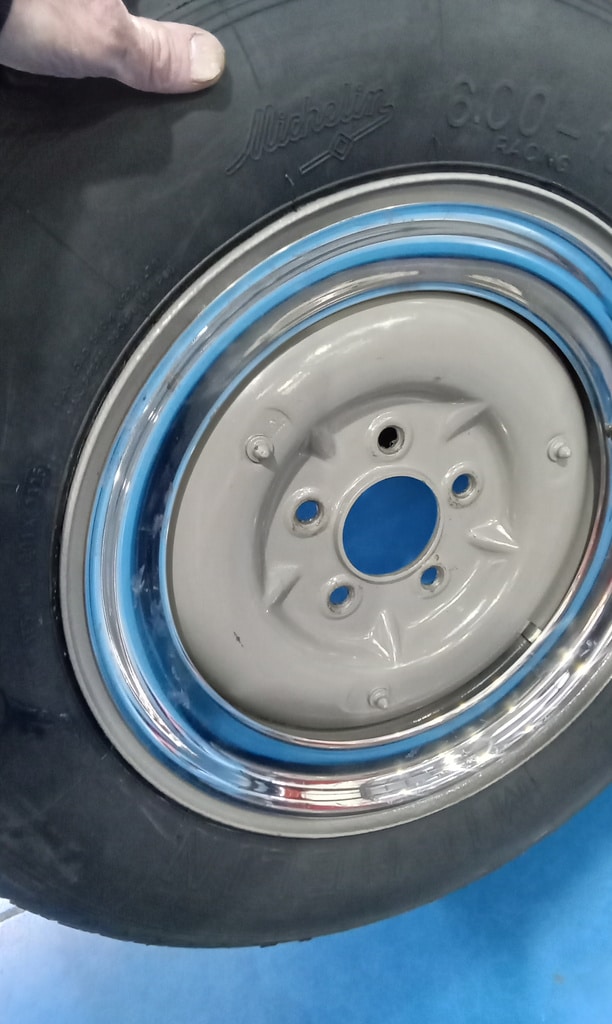
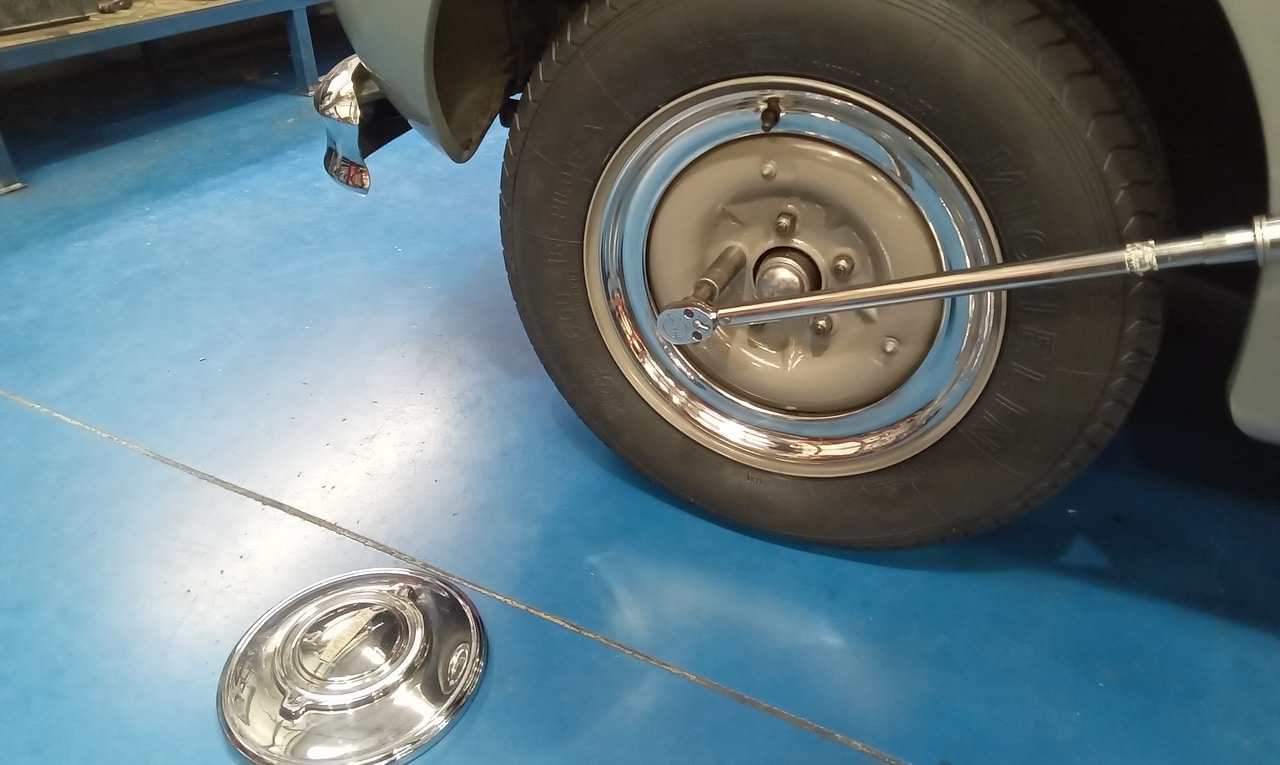
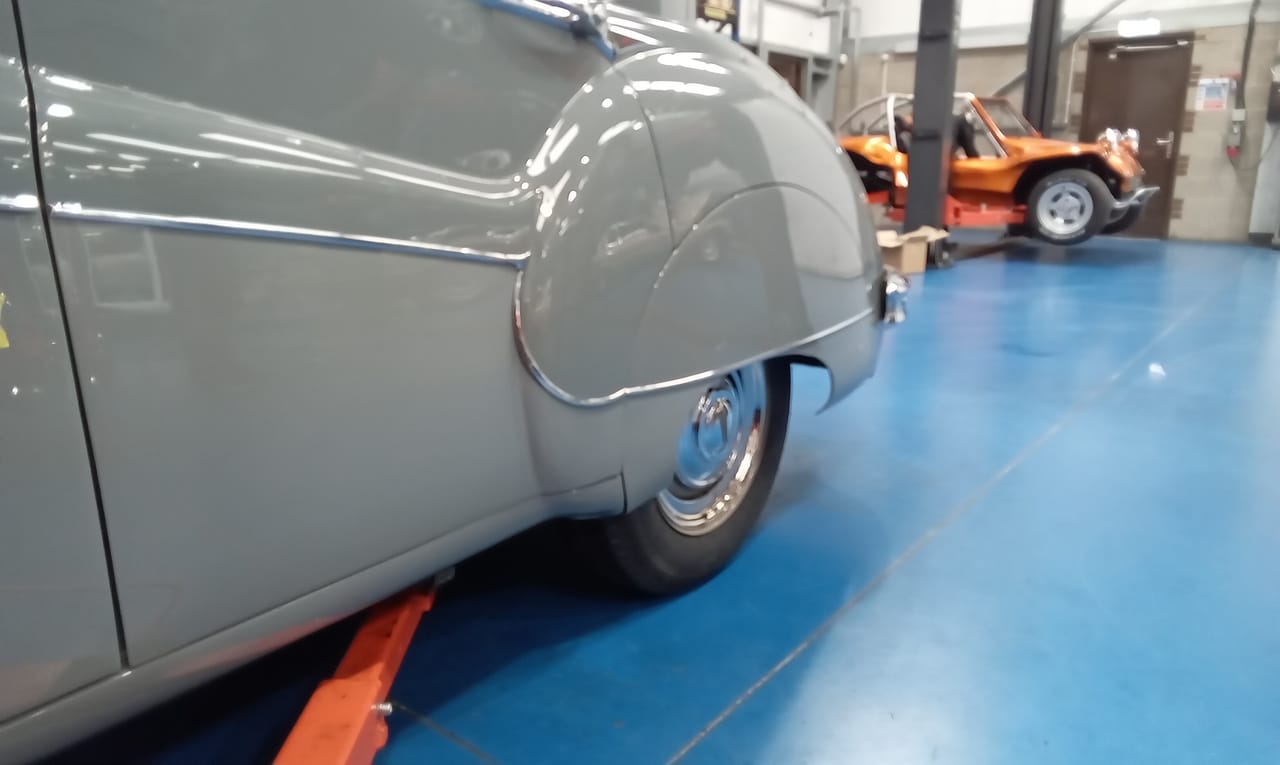
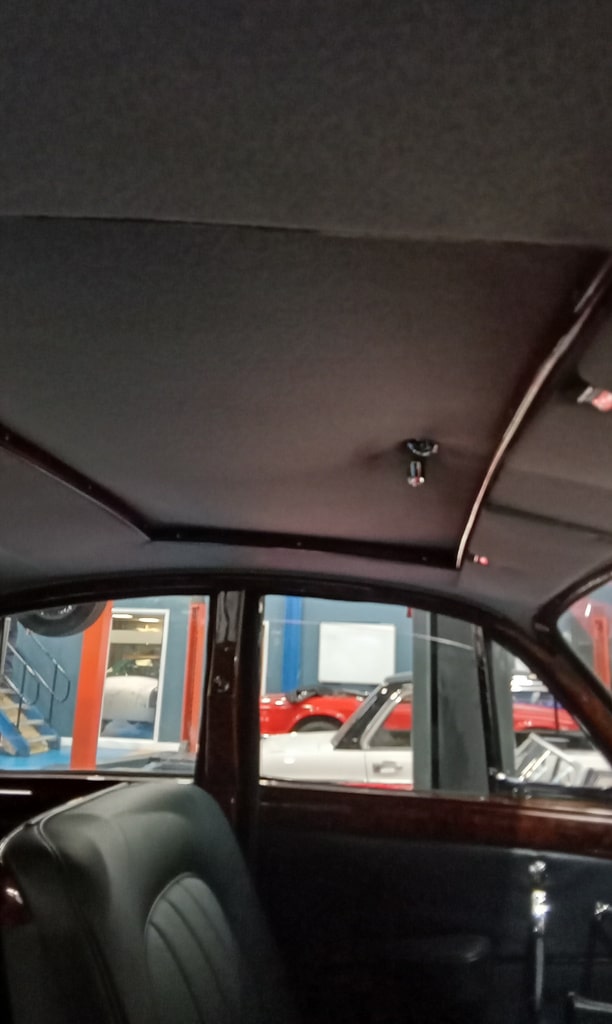
As the car approached testing readiness, John secured the sunroof guides and confirmed their operation. He then refitted the wheels along with their chrome rings, torqued the wheel nuts, installed the trims, and reattached the rear spats. With the car raised, he carried out a thorough visual inspection, addressing any remaining points, including fitting a stop to the brake pedal bracket and checking all fluid levels.
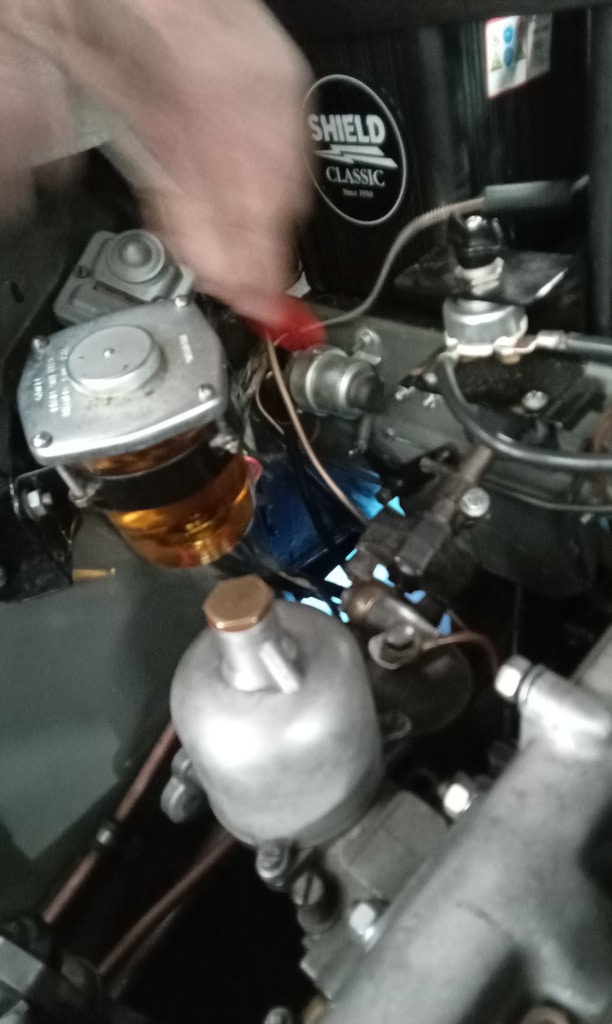
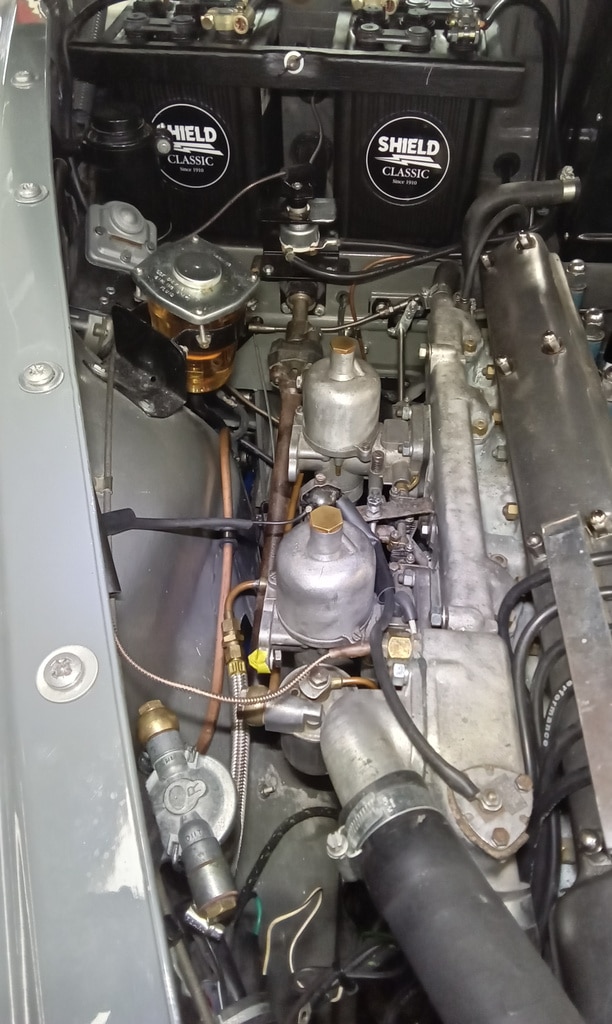
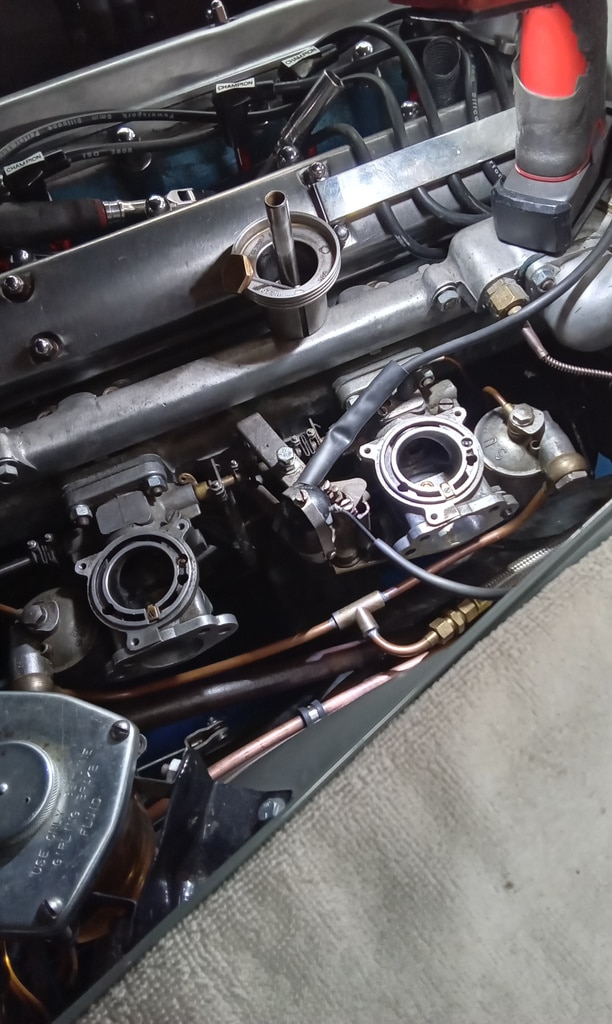
On starting our 1959 Jaguar MKIX, the engine initially ran but soon cut out and refused to restart. John began diagnosing the issue, confirming both spark and fuel supply were present, though he identified flooding at the front carburettor. He removed the float bowl lid to inspect the needle valve, then proceeded to strip, clean, and reset both carburettors, adjusting jet depths and float heights accordingly. With the excess fuel device disengaged, the system behaved correctly, but the engine still only cranked without firing. Investigating further, John discovered the distributor rotor arm was not fully seated. After refitting it and reinstalling the cap, the engine started successfully. He moved the car outside to warm up and carried out basic operational checks, confirming clutch, brakes, and handbrake performance before returning it to the ramp.
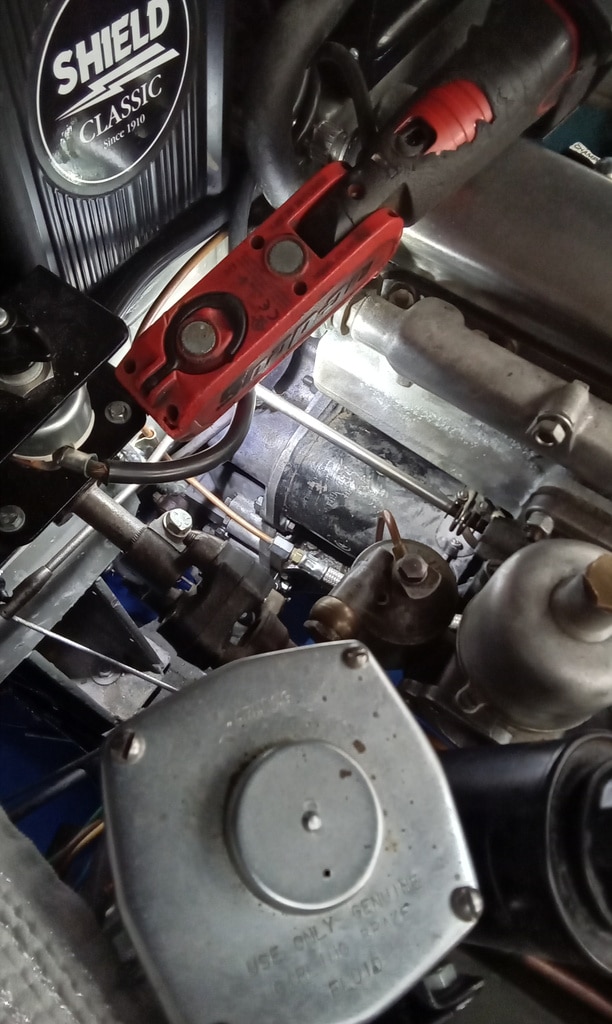
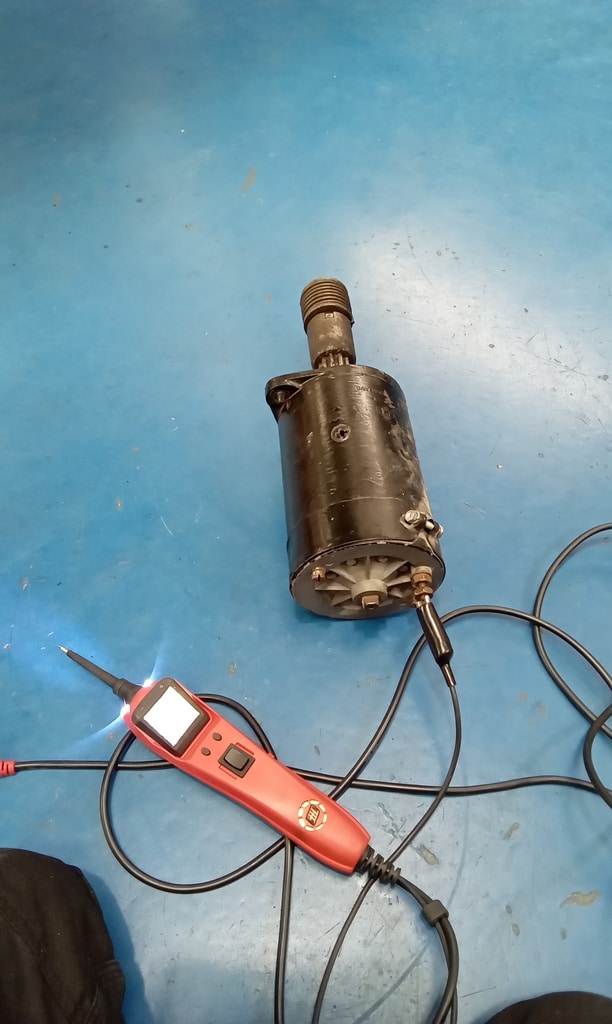
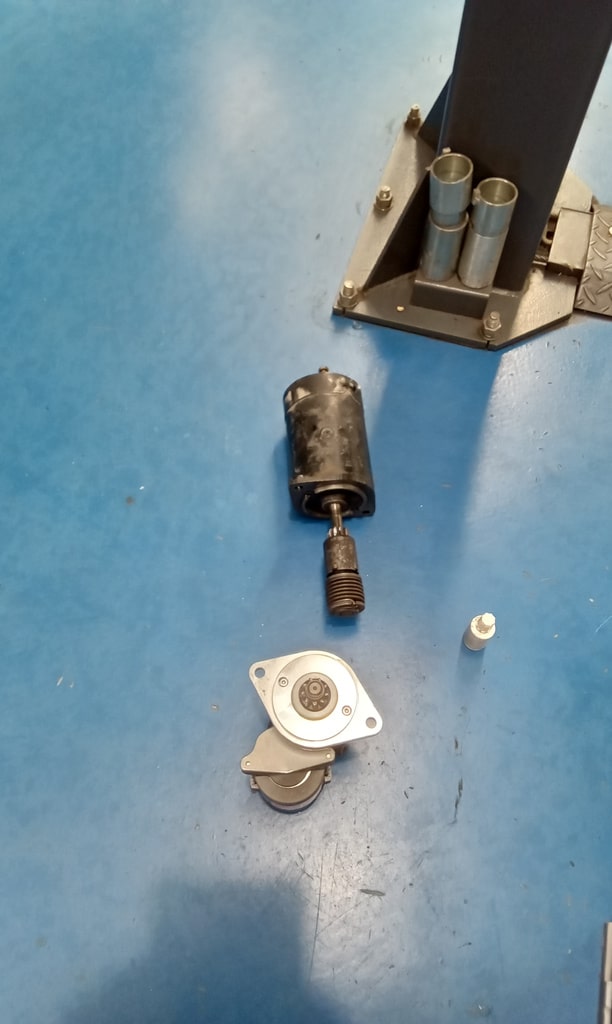
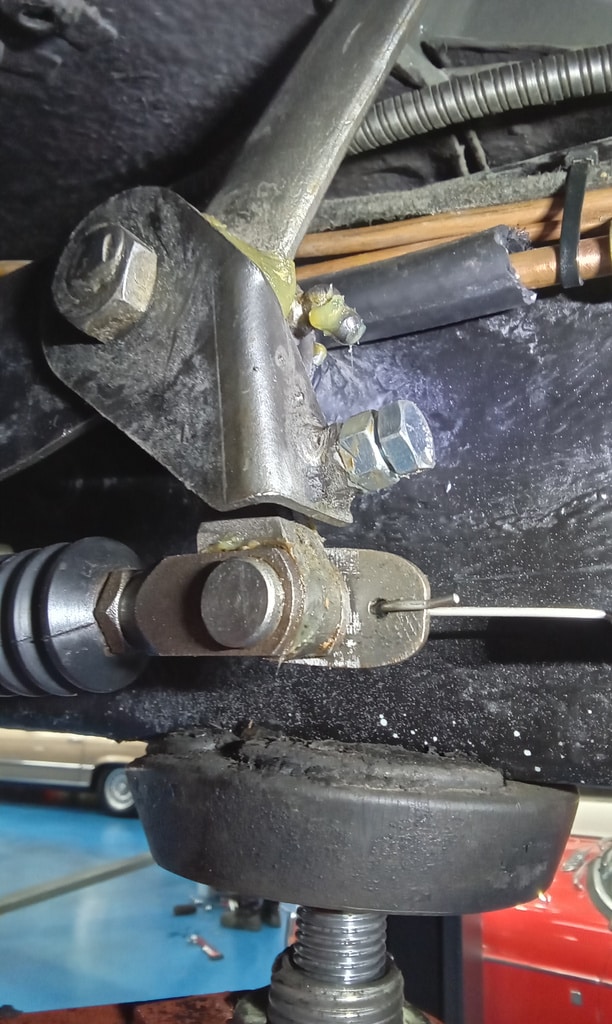
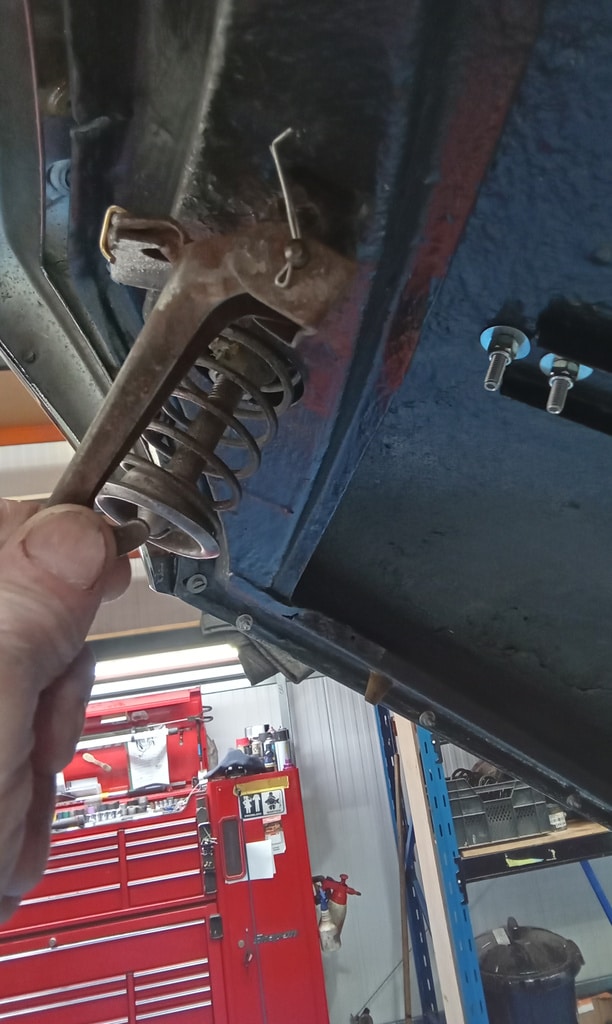
Further adjustments were required, with the clutch needing refinement, the brakes feeling in need of bleeding, and the handbrake lacking a return spring to bring the lever back properly. John also repaired the bonnet secondary catch as best as possible. However, on attempting to restart the engine, only a clicking sound was heard, leading him to suspect a fault with the starter motor. He checked the solenoid mounted on the bulkhead before removing the starter for bench testing, where it repeatedly tripped his power probe. To verify, he sourced another starter from an XK in the fabrication bay, checked its dual polarity, and test-fitted it. With the main wire running close to the block, John ensured it was properly secured and protected with a rubber boot to prevent any potential issues.