


The Range Rover has always been a vehicle that bridged the gap between practicality and luxury. However, for the first decade or so after its launch, things still leaned more towards toughness than comfort.
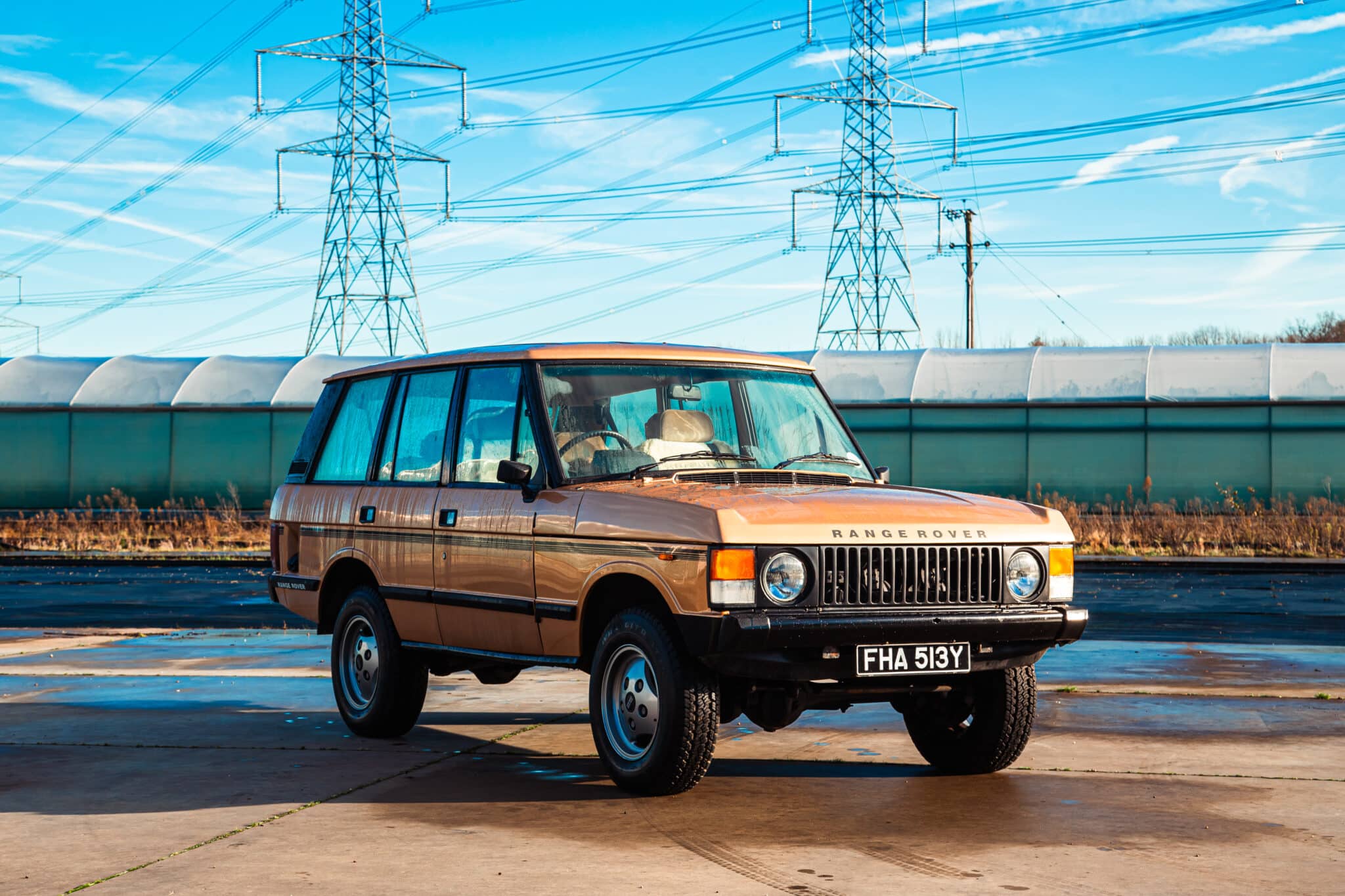
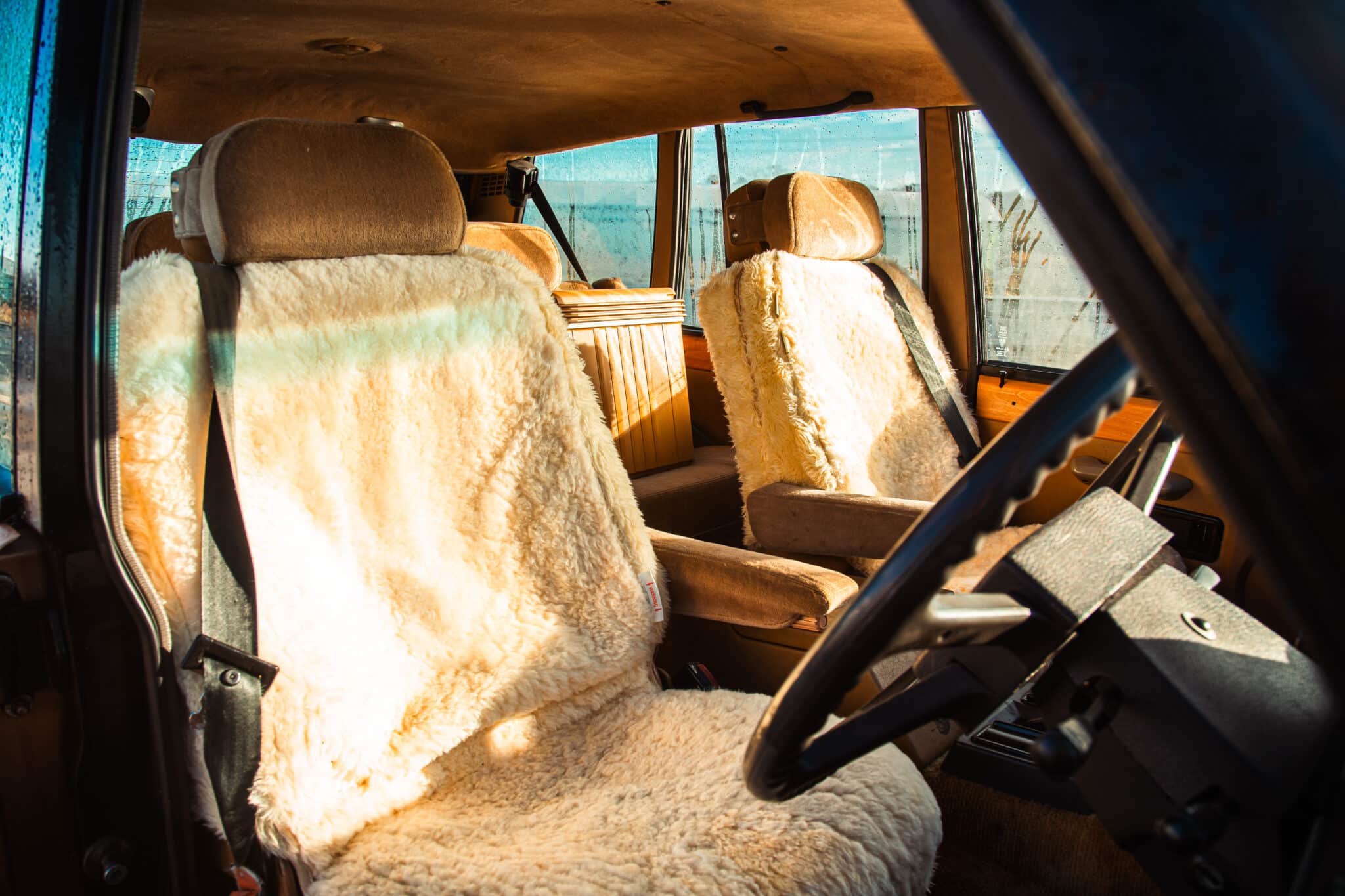
By the early 1980s, though, things started to change. Our 1982 Range Rover In Vogue, first registered on 24th September 1982, is a perfect example of things starting to move towards a more luxurious vehicle.
The Beginning of In Vogue
The In Vogue designation essentially started from a collaboration between Land Rover and Wood & Pickett. Wood & Pickett are the London coachbuilders known for their bespoke and luxury conversions.
A specially prepared Range Rover was created to explore how the model might be adapted for an audience who wanted luxury as well as ruggedness. When the first In Vogue appeared in a Vogue magazine photoshoot, it got a lot of attention. The response was so positive, in fact, that Land Rover chose to produce a limited run of high-specification Range Rovers under the In Vogue name.
Ultimately, these early In Vogue models laid the foundation for the later Vogue and Vogue SE trims.
A 1982 Four-Door Example
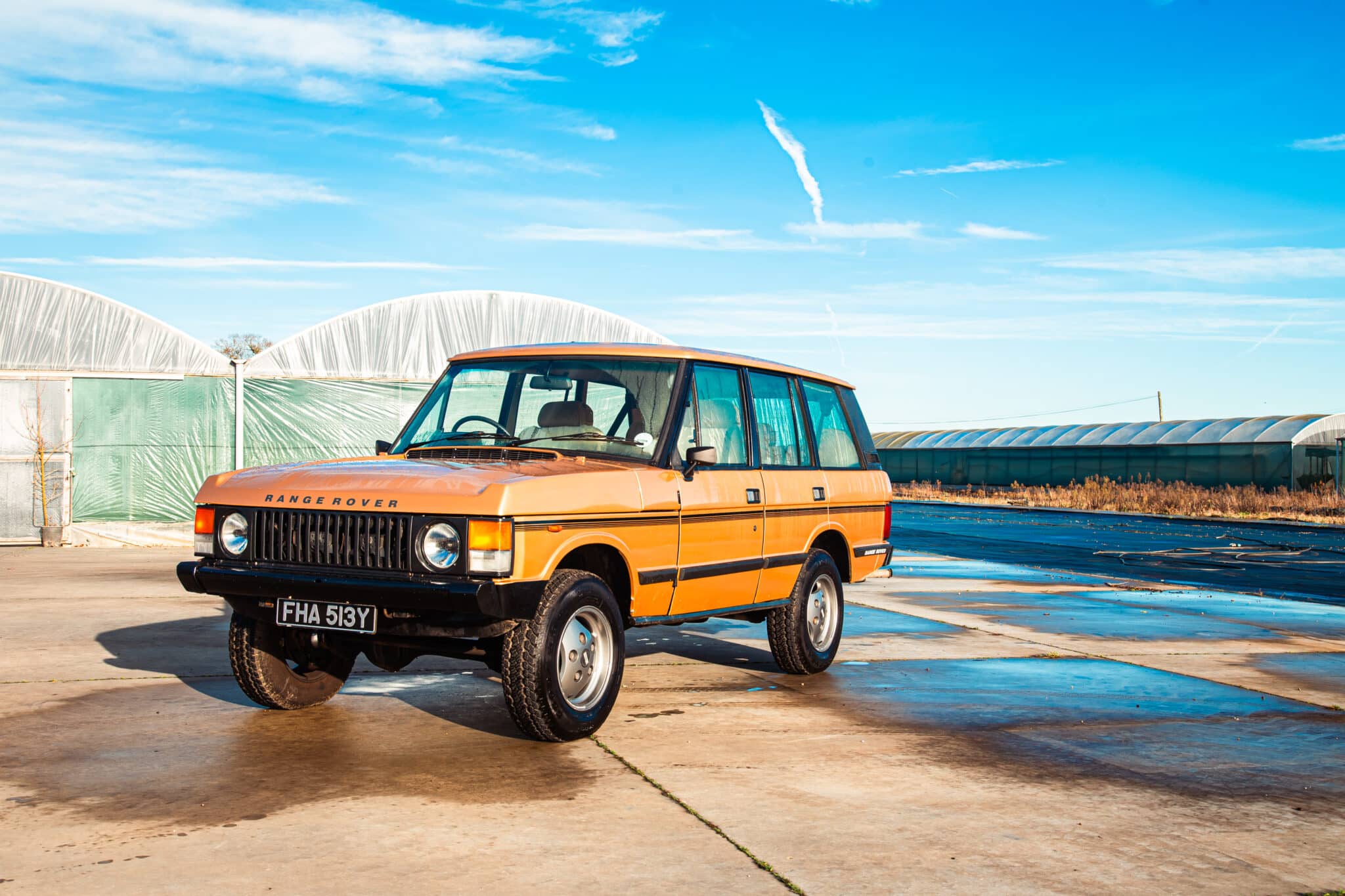
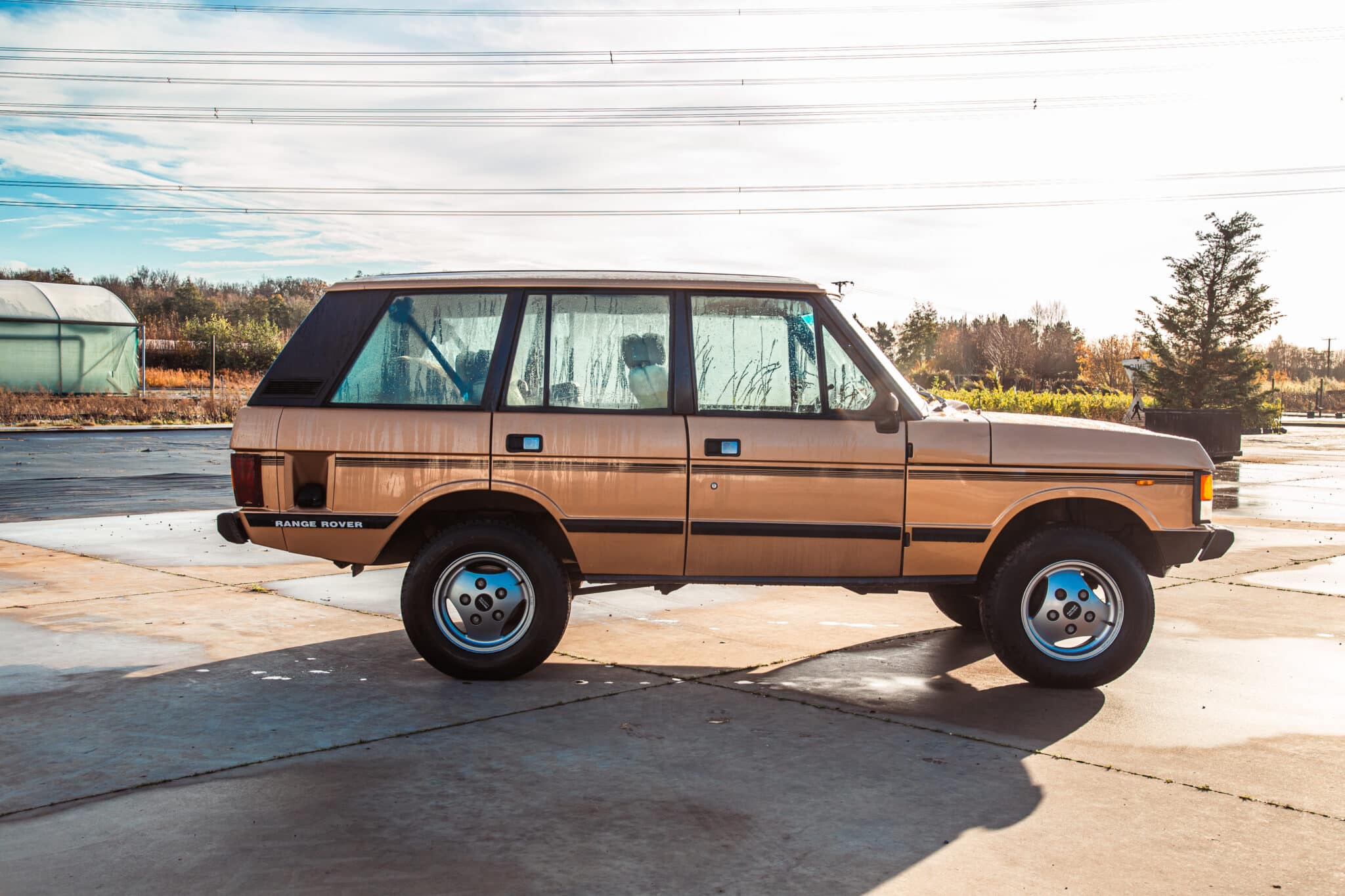
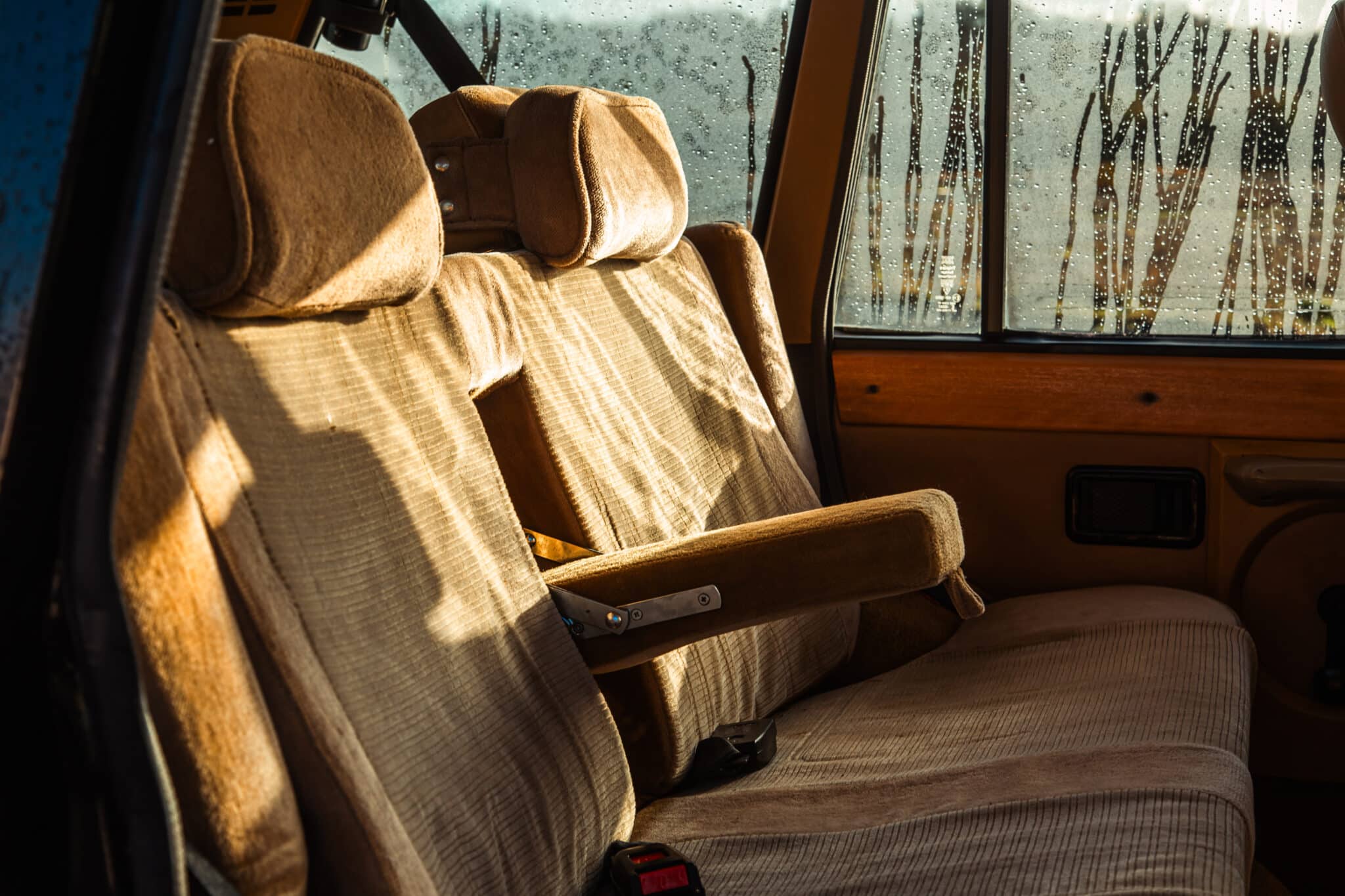
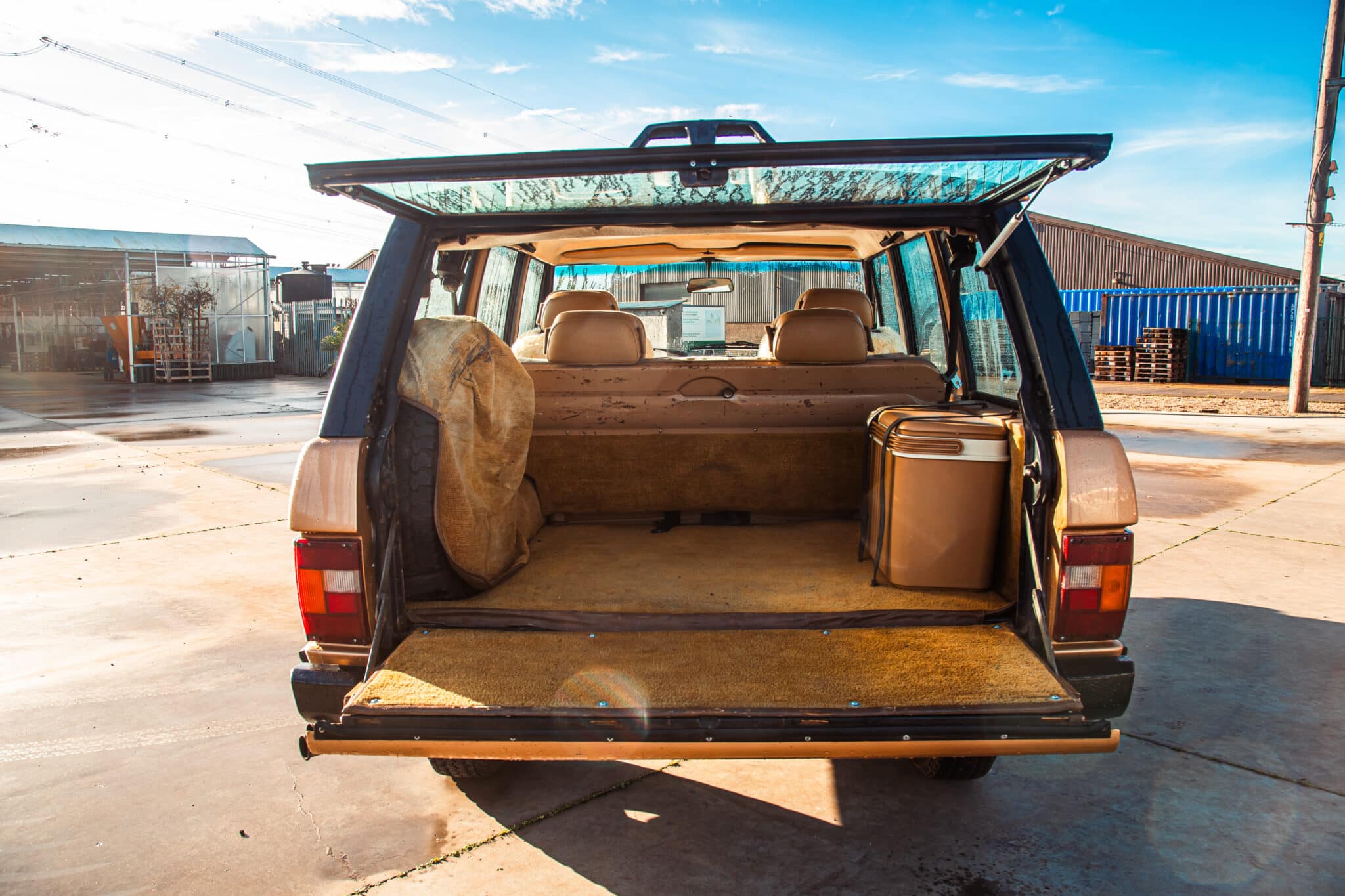
Our In Vogue is a four-door automatic Range Rover Classic, built in 1982 in Solihull.
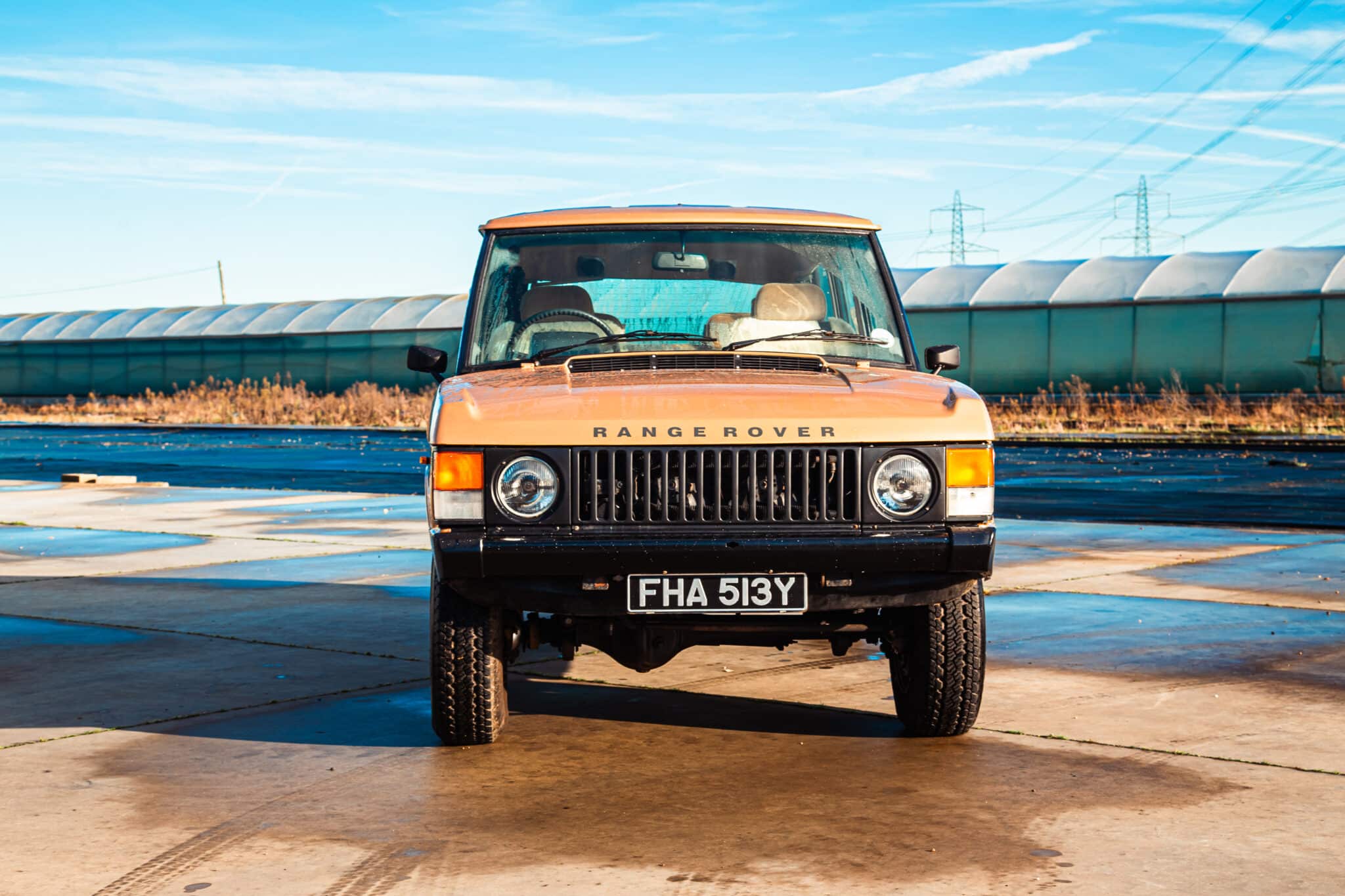
Its VIN confirms that the car left the factory as a right-hand-drive vehicle powered by a 3.5-litre Rover V8, paired with an automatic gearbox, and finished in Nevada Gold with a Bronze brushed-nylon trim.
Added Luxury
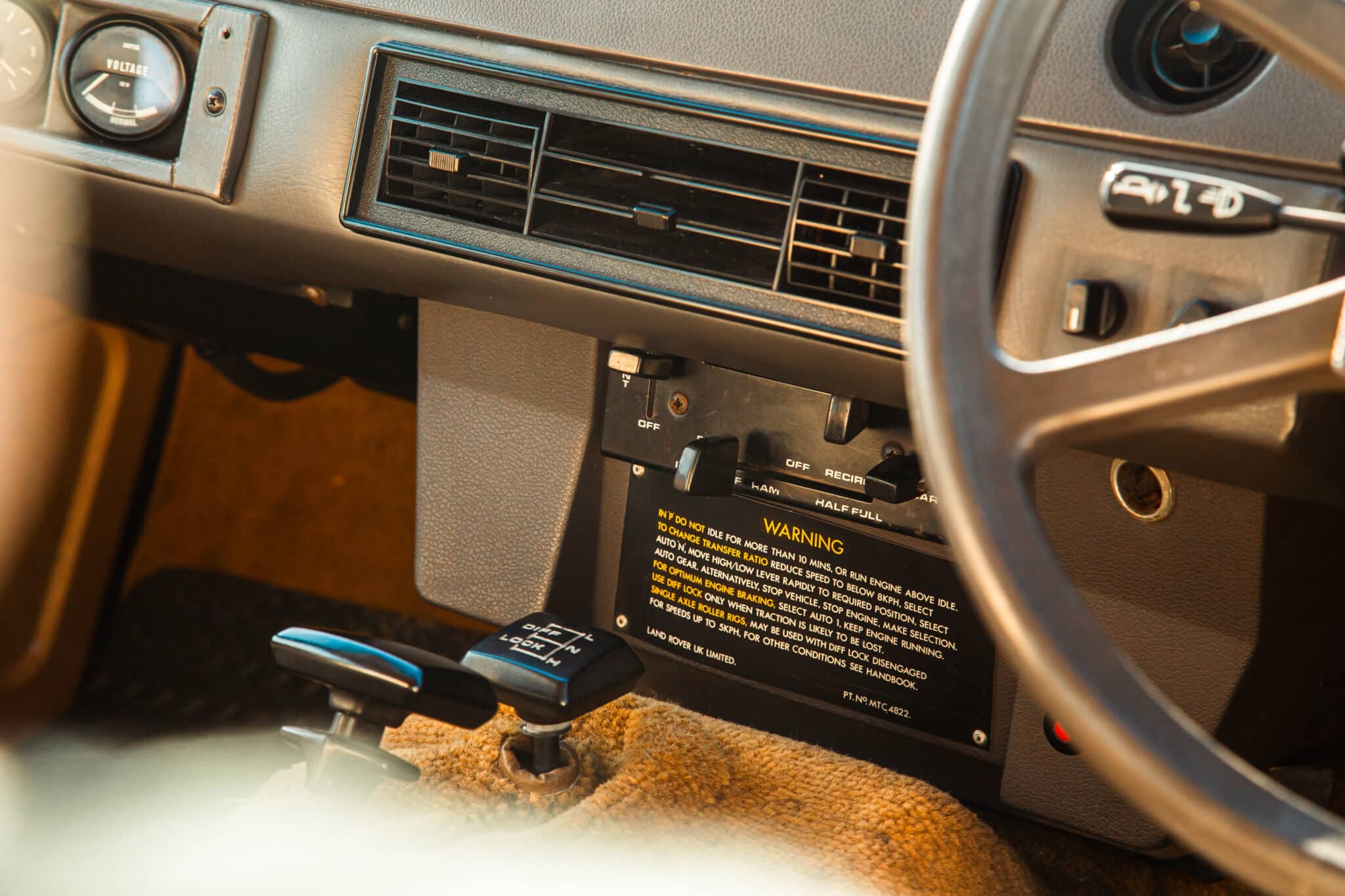
One interesting feature on our Range Rover In Vogue is its air conditioning, fitted in 1984, 2 years after it left the factory.
The air conditioning installed was an Alpinair unit. While not factory-fitted, it was a popular and very appropriate upgrade at the time, particularly for vehicles intended for long-distance or overseas use.
An International Vehicle
In 1990, our Range Rover In Vogue was exported to South Africa, where it spent several years of its life. During its time abroad, the speedometer was converted from miles to kilometres per hour. While this was an obviously practical change, it did have an impact on the car’s mileage record further down the line.
The vehicle returned to the UK in 2018, where it was re-registered using its original number plate, FHA 513Y.
Mileage
Following its return to the UK, MOT records from 2019 onwards show recorded mileages alternating between kilometres and miles. This is due to the earlier speedometer conversion rather than any inconsistency in use.
As a result, the vehicle’s mileage is correctly recorded as TMU (True Mileage Unknown). This is a factual classification acknowledging the change in units rather than suggesting any irregularity. Even with all of that in mind, the mileage figures are very strong for a vehicle of this age.


An Important Part of Range Rover History
Early In Vogue Range Rovers are a fantastic example of the time when Land Rover began to recognise that the Range Rover could be a luxury vehicle instead of solely being built for practical purposes.
What I love about our 1982 Range Rover In Vogue is that it is not a great car because of a restoration or its condition, it’s a great car because it has a substantial, traceable history. While there are obvious gaps here and there, overall, we are able to tell the story of this transitional period of Land Rover history.
And these are the types of vehicles that I find most exciting!
Read more automotive industry news
Leave a Reply
You must be logged in to post a comment.